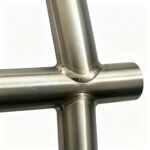
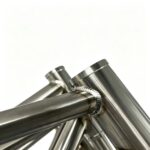
Sanitäre Edelstahl-Schweißdienstleistungen Korrosionsbeständige Schweißnähte
Edelstahl-Schweißservice bietet präzises TIG-Schweißen für maritime, pharmazeutische und industrielle Anwendungen mit sauberen, starken Schweißnähten.
Request a Quote
Enter the quantity you need and add to your quote list for pricing inquiries.
Product Details
Was ist Edelstahlschweißen?
Edelstahlschweißen ist ein spezieller Fertigungsprozess, der verwendet wird, um Edelstahlteile durch Anwendung von Wärme, Druck oder beidem zu verbinden. Im Gegensatz zu normalem Kohlenstoffstahl enthält Edelstahl mindestens 10,51 TP3T Chrom, das eine passive “Chromoxidschicht” auf der Oberfläche bildet. Diese unsichtbare Schicht verleiht Edelstahl seine legendäre Korrosionsbeständigkeit.
Diese Eigenschaft macht das Schweißen jedoch auch anspruchsvoll. Edelstahl speichert Wärme effektiver als andere Metalle (geringe Wärmeleitfähigkeit, aber hohe Wärmeausdehnung), was ihn anfällig für Verzug (Verformung) und Anlauffarben (Oxidationsverfärbung) macht, wenn nicht richtig vorgegangen wird. Bei Flow Wing Metal beherrschen wir die thermische Dynamik, die erforderlich ist, um Edelstahl zu verschmelzen, ohne seine strukturelle Integrität oder seine korrosionsbeständigen Eigenschaften zu beeinträchtigen.
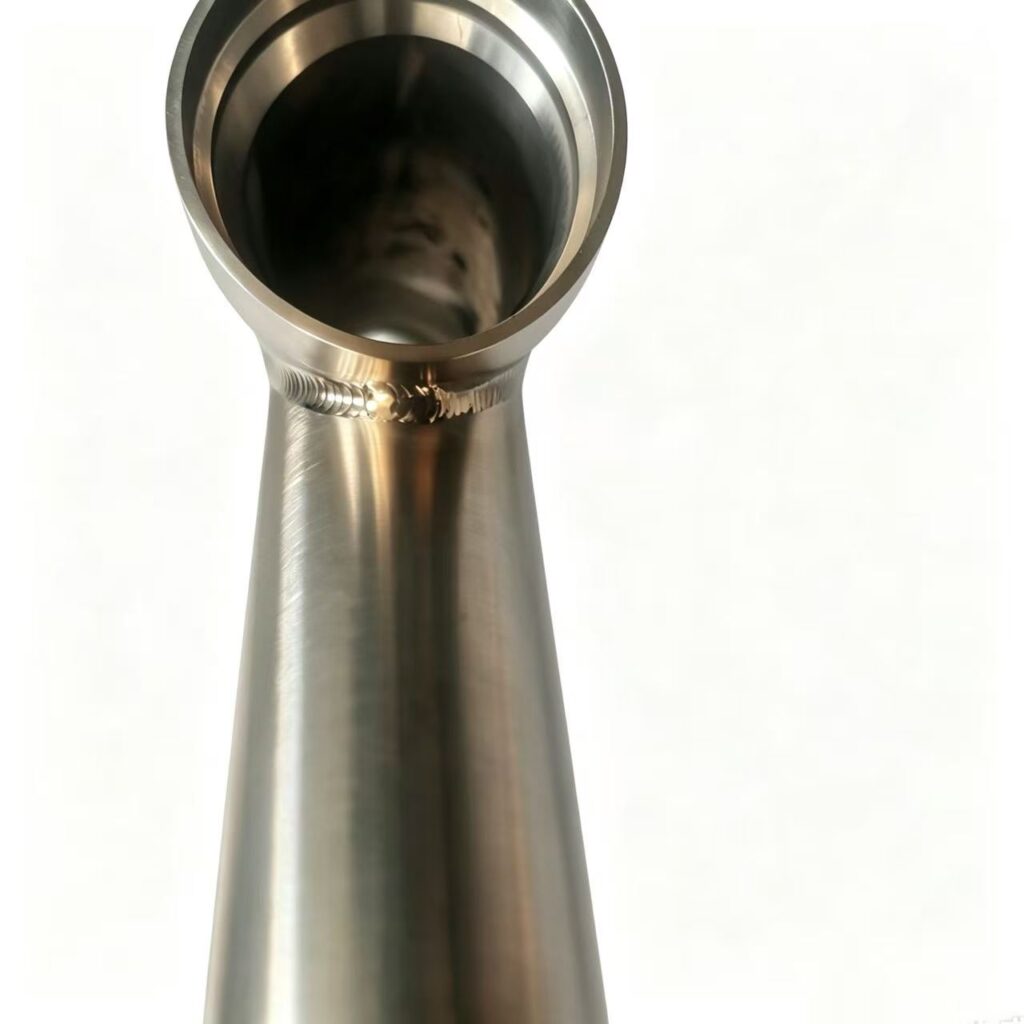
Arten von Edelstahl Schweißverfahren:
Die Auswahl des richtigen Prozesses hängt von der Materialstärke, den erforderlichen ästhetischen Anforderungen und den strukturellen Anforderungen des Projekts ab. Flow Wing Metal nutzt eine Reihe von Verfahren, mit einem primären Fokus auf Präzision:
GTAW (Gas-Wolfram-Lichtbogenschweißen) / WIG (Wolfram-Inertgas):
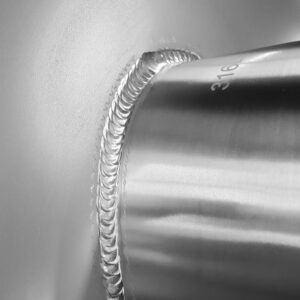
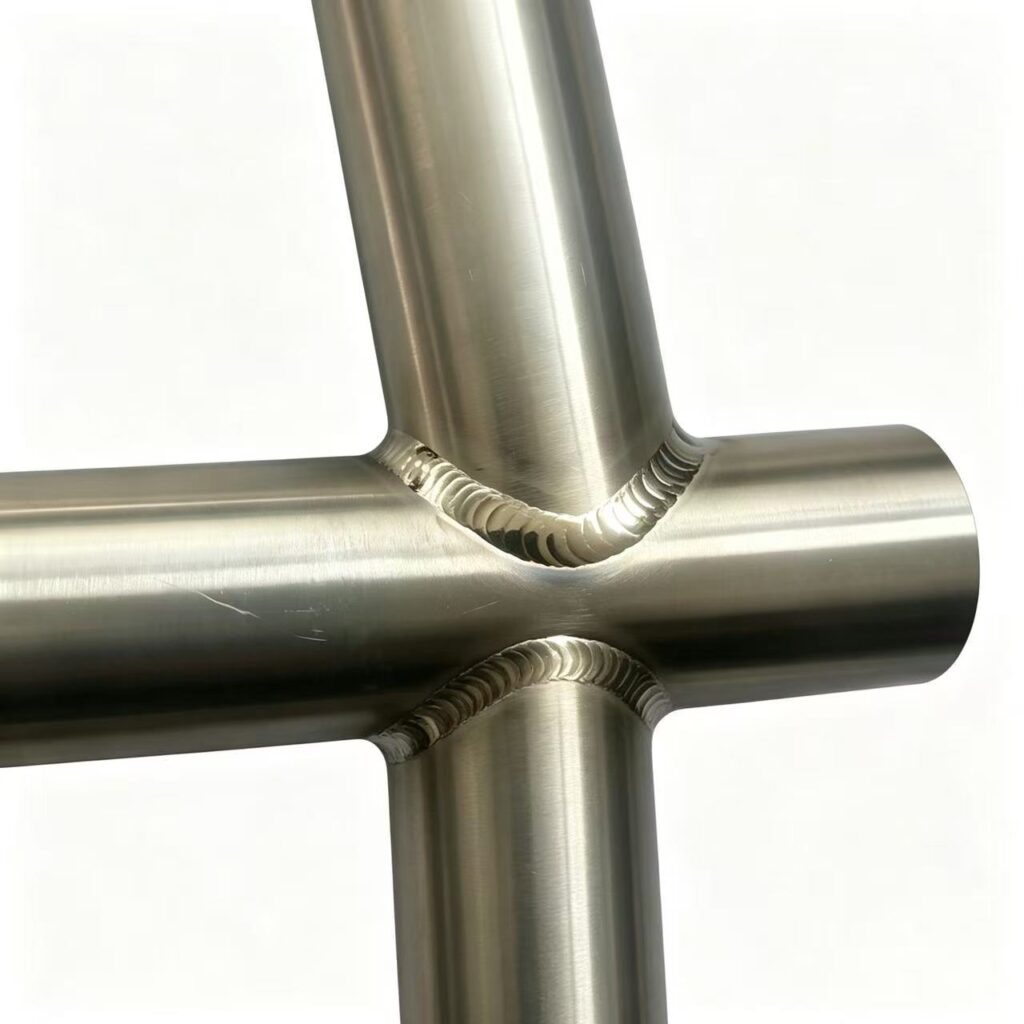
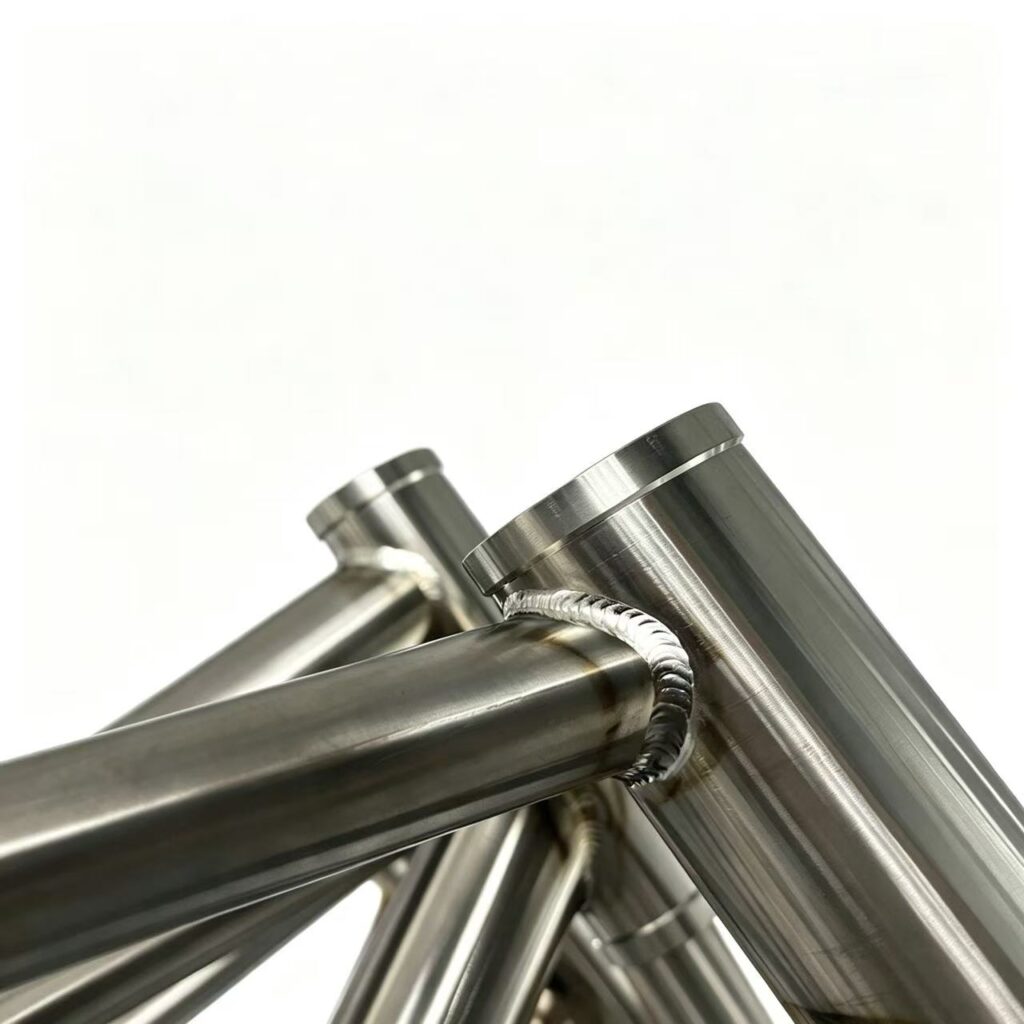
WIG-Schweißen gilt als der Goldstandard für das Edelstahlschweißen und verwendet eine nicht abschmelzende Wolframelektrode und eine Inertgasabschirmung (Argon/Helium). Diese Methode bietet überlegene Lichtbogenkontrolle und geringe Wärmezufuhr, was außergewöhnlich saubere, spritzerfreie und oft ästhetische “Geldrollen”-Schweißnähte erzeugt.
Flow Wing Vorteil: Ideal für dünnwandige Rohre, Sanitärleitungen und architektonische Geländer, bei denen das Aussehen von größter Bedeutung ist.
GMAW (Gas-Metall-Lichtbogenschweißen) / MAG (Metall-Aktivgas):
Dieses halbautomatische Verfahren verwendet einen kontinuierlich zugeführten abschmelzenden Draht. Es ist deutlich schneller als WIG, was es wirtschaftlich für großtechnische industrielle Fertigung und das Schweißen dicker Bleche in Edelstahlschweißanwendungen macht.
Flow Wing Vorteil: Hohe Abschmelzraten für Strukturbauteile und schwere Schweißkonstruktionen.
SMAW (Shielded Metal Arc Welding) / E-Hand-Schweißen:
Ein manuelles Verfahren mit einer umhüllten Elektrode. Es ist sehr tragbar und vielseitig, was es zur besten Wahl für Außenreparaturen vor Ort, Baustellen oder schwere Geräte macht, wo Wind die Gasschutzumgebung beim Edelstahlschweißen stören würde.
Materialbeherrschung: Güten & Oberflächenbehandlungen für das Edelstahlschweißen
Edelstahlgüten, die wir schweißen:
Das Verständnis der Metallurgie ist der Schlüssel zu einer perfekten Schweißnaht. Flow Wing Metal Ingenieure wählen spezifische Zusatzwerkstoffe und Gasgemische für jede Legierung aus, um “Sensibilisierung” (Karbidausscheidung) und Rissbildung zu verhindern.
Austenitisch (304, 304L, 316, 316L): Die gebräuchlichsten Güten. 316L (kohlenstoffarm) ist der Standard für pharmazeutische und maritime Schweißanwendungen aufgrund seiner hervorragenden Beständigkeit gegen Chloride und seiner Fähigkeit, interkristalliner Korrosion nach dem Schweißen zu widerstehen.
Ferritisch (430, 409): Magnetisch und beständig gegen Spannungsrisskorrosion, haben jedoch eine begrenzte Duktilität.
Martensitisch (410, 420): Hart und fest, oft für verschleißfeste Anwendungen verwendet.
Duplex (2205): Doppelt so fest wie austenitische Güten; erfordert präzise Wärmekontrolle, um das Ferrit/Austenit-Gleichgewicht zu halten.
Oberflächenveredelung & Nachbehandlung:
Eine Schweißnaht ist erst vollständig, wenn die Oberfläche wiederhergestellt ist. Rohes Schweißen zerstört die schützende Oxidschicht und färbt den Schweißbereich blau oder schwarz (Anlauffarben). Bei Flow Wing Metal veredeln wir jede Komponente für eine lange Lebensdauer.
Mechanische Reinigung:
Wir verwenden spezielle Edelstahlbürsten und Schleifscheiben (niemals mit Kohlenstoffstahl verunreinigt), um grobe Schlacke zu entfernen und den Glättungsprozess zu beginnen.
Chemisches Beizen & Passivieren:
Dies ist unser Standard für hohe Korrosionsbeständigkeit. Wir verwenden spezielle Veredelungschemikalien (Beizgele/Sprays), die die “chromverarmte” Schicht und die eingebetteten Eisenpartikel chemisch auflösen. Dieser Prozess bewirkt zwei Dinge:
- Entfernt Anlauffarben von der Edelstahlschweißverbindung.
- Stellt die gleichmäßige passive Schicht wieder her und stellt sicher, dass das Material an der Edelstahlschweißverbindung wieder “rostfrei” ist.
Die Forschung zeigt, dass Beizen die einzige Methode ist, die vollständige Korrosionsbeständigkeit an Schweißnähten garantiert.
Elektrolytische Reinigung (Schweißnahtreinigung):
Für fertige Produkte, bei denen die Ästhetik entscheidend ist (z. B. Brauereitanks oder Aufzugtüren), verwenden wir elektrolytische Verfahren. Eine mit Elektrolyt getränkte Kohlefaserbürste leitet einen Strom, der Anlauffarben ohne aggressive Säuren oder Schleifmittel entfernt und sofort eine helle, glänzende und repassivierte Oberfläche hinterlässt.
Erfolgsfall: Flow Wing Marine & Pharma Lösungen
Kunde: Nordic Marine Systems (Vertrauliches Projekt)
Industrie: Pharmatransport auf See (Chemikalientanker)
Herausforderung: Der Kunde benötigte 500 Meter 316L Edelstahlrohre (Schedule 10) für ein hochreines Chemikalientransfersystem. Die Hauptanforderungen waren:
- Keine Korrosionszugabe für 15 Jahre.
- Glatte innere “Bohrungs”-Schweißnähte ohne Spalten für bakterielle oder chemische Anhaftung (Hygienerstandard).
- 1001 TP3T Röntgenprüfung ohne Wolframeinschlüsse.
Die Flow Wing Edelstahlschweiß-Ausführung:
Phase 1: Präzisionsvorbereitung
Wir verwendeten CNC-Fasenmaschinen, um eine perfekte Stoßausrichtung sicherzustellen. Alle Rohre wurden mit Aceton gereinigt, um Öle zu entfernen, und eine spezielle “Reinraum”-Schweißkabine wurde verwendet, um Kohlenstoffkontamination zu verhindern.
Phase 2: Der Schweißprozess (Orbital & Manuelles GTAW)
Prozess: GTAW (WIG) Edelstahlschweißen mit 1001 TP3T Argon als Wurzelgas (im Rohr gespült).
Zusatzwerkstoff: ER316L (kohlenstoffarm zur Aufrechterhaltung der Korrosionsbeständigkeit).
Technik: Gepulstes WIG-Edelstahlschweißen zur Reduzierung der Wärmezufuhr um 301 TP3T im Vergleich zu Standard-WIG, wodurch Verzug am dünnen Schedule 10 Rohr drastisch minimiert wird.
Schutzgas: Wir verwendeten eine Nachlaufschutzkappe, um die heiße Schweißzone beim Abkühlen vor Sauerstoff zu schützen, die metallische Farbe (silber/gold) zu bewahren und “Zuckerbildung” (Oxidation auf der Schweißnahtrückseite) zu verhindern.
Phase 3: Wiederherstellung nach dem Schweißen
Nach dem Schweißen von Edelstahl wurde der Anlassanlauf mit einer Kombination aus elektrolytischer Reinigung für die Außenseite (für eine gebürstete 4er-Oberfläche) und chemischem Beizen für die Innenbohrung entfernt. Dadurch wurde die Passivschicht auf einen durchschnittlichen CPT-Wert (Critical Pitting Temperature) wiederhergestellt, der über dem des Grundmetalls lag.
Phase 4: Qualitätssicherung
Sichtprüfung: Alle Schweißnähte wiesen eine gleichmäßige silberne/strohfarbene Farbe auf (was auf eine perfekte Gasabdeckung hinweist).
Ferritprüfung: Verifiziert, um sicherzustellen, dass die Mikrostruktur des Schweißguts mit dem Grundmetall 316L übereinstimmt und Versprödung verhindert wird.
Druckprüfung: Das System hielt dem Prüfdruck bei 150% der Betriebskapazität stand, ohne ein einziges Nadelstichleck.
Das Ergebnis: Flow Wing Metal lieferte die Rohrmodule zwei Wochen vor dem Zeitplan. Der Kunde berichtete von einer 40%-Reduzierung der Nachbearbeitungszeit aufgrund unserer “schweißfertigen” Oberfläche. Die Ladetanks bestanden die IMO-Beschichtungsstandards (International Maritime Organization), ohne dass Nachschweißarbeiten an irgendeiner Verbindung erforderlich waren.
Warum wählen Strömungsflügel Metall?
Korrosionsschutzgarantie: Wir schweißen nicht nur; wir passivieren. Wir garantieren, dass Ihre Schweißverbindung nicht rostet.
Verzugskontrolle: Unsere Expertise in Techniken mit geringem Wärmeeintrag (Puls-MIG/TIG) stellt sicher, dass Ihre Teile flach und rechtwinklig bleiben.
Kontaminationsfrei: Wir trennen Kohlenstoffstahlwerkzeuge strikt von Edelstahl-Fertigungsbereichen.