
Aluminiumblech-Schweißdienst, präzise Eindringrate
Aluminiumblech-Schweißdienst bietet präzises WIG-Schweißen, sauberes Schweißbild und zuverlässige Fertigung für kundenspezifische Industriebaugruppen.
Request a Quote
Enter the quantity you need and add to your quote list for pricing inquiries.
Product Details
Warum eine spezialisierte Aluminiumschweißwerkstatt wählen?
Allgemeine Schweißwerkstätten nehmen Aluminiumarbeiten oft widerwillig an. Sie verwenden möglicherweise für Stahl kalibrierte Geräte, was zu inkonsistenten Ergebnissen führt. Im Gegensatz dazu haben wir unser gesamtes Geschäft auf das Aluminiumblechschweißen aufgebaut. Unsere Schweißer besitzen DVS- oder AWS-Zertifizierungen speziell für Aluminiumlegierungen.
Ein häufiges Problem beim Aluminiumblechschweißen ist mangelnde Durchschweißung an der Wurzel. Da Aluminium Wärme so schnell leitet, kann die Mitte einer Stoßnaht ungeschmolzen bleiben, während die Oberfläche gut aussieht. Unsere Technik umfasst das Vorwärmen dickerer Bleche auf 93°C bis 121°C und die Verwendung eines gezielten Schweißwinkels. Wir führen auch Farbeindringprüfungen an kritischen Nähten durch, um die vollständige Durchschweißung zu überprüfen.
Ein weiteres Problem sind Eigenspannungen. Dünne Bleche können sich bereits vor dem Erhitzen verziehen, wenn sie zu fest eingespannt sind. Unsere Vorrichtungskonstruktion ermöglicht es dem Aluminiumblechschweißprozess, sich ohne Einschränkung leicht auszudehnen und dann kontrolliert abzukühlen. Dieser Ansatz reduziert Verformungen drastisch.
Wir verfolgen jeden Auftrag auch mit einer nummerierten Arbeitsanweisung. Für jedes Aluminiumblechschweißprojekt zeichnen wir Stromstärke, Schweißgeschwindigkeit, Zusatzwerkstoff und Ergebnisse der Endprüfung auf. Sie erhalten einen zusammenfassenden Bericht mit Ihrer Lieferung.
Arten des Aluminiumblechschweißens, die wir durchführen:
Wir bieten drei primäre Methoden an, die jeweils für unterschiedliche Dicken und Produktionsmengen geeignet sind.
AC-WIG-Schweißen (GTAW)
Dies ist unser gebräuchlichster Ansatz für Bleche von 0,040 bis 0,190 Zoll. AC-WIG bietet eine hervorragende Reinigungswirkung, die während des Schweißens Oberflächenoxid entfernt. Für das Aluminiumblechschweißen von dünnem Material verwenden wir angespitztes 2%-ceriertes Wolfram und balancieren die AC-Welle auf 70 Prozent Eindringtiefe und 30 Prozent Reinigung. Die resultierende Schweißraupe ist glatt und gleichmäßig wie ein Stapel Münzen.
Gepulstes MIG-Schweißen (GMAW-P)
Für Serienfertigungen von 0,125 bis 0,500 Zoll dicken Blechen erhöht gepulstes MIG die Abschmelzleistung ohne übermäßige Wärmezufuhr. Die Pulsation erzeugt einen Sprühlichtbogen, der Spalte bis zu 0,060 Zoll ohne Durchbrennen überbrückt. Wir empfehlen gepulstes MIG für das Aluminiumblechschweißen von Gehäusen, Tankkörpern und Strukturpaneelen, bei denen es auf Geschwindigkeit ankommt.
Laserschweißen (für dünne Folien und Präzisionsteile)
Unterhalb von 0,040 Zoll kann selbst WIG ein Wegschmelzen der Kanten verursachen. Unser Faserlasersystem schweißt Aluminiumblechschweißanwendungen bis hinunter zu 0,010 Zoll ohne Zusatzwerkstoff. Dies ist ideal für Batteriekastendichtungen, medizinische Geräte und Luft- und Raumfahrtunterlegscheiben.
Materialstärke und Nahtvorbereitung:
Erfolgreiches Aluminiumblechschweißen hängt stark von der Nahtvorbereitung ab. Wir befolgen diese empfohlenen Konfigurationen für verschiedene Dickenbereiche.
0,040 bis 0,063 Zoll (1,0 bis 1,6 mm):Bördel- oder Überlappstoß mit einem Spalt von 0,020 Zoll. Keine Fase erforderlich.
0,080 bis 0,125 Zoll (2,0 bis 3,2 mm):Quadratischer Stumpfstoß mit einer Wurzelöffnung von 0,030 bis 0,045 Zoll. Verwenden Sie Impuls-MIG oder WIG mit 1/16 Zoll Zusatzdraht.
0,190 bis 0,375 Zoll (4,8 bis 9,5 mm):Einseitige V-Fase bei 60 Grad. Lassen Sie einen 1/16 Zoll breiten Steg. Vorwärmen empfohlen.
0,500 Zoll (12,7 mm) und darüber:Doppelseitige V-Fase für vollständige Durchschweißung. Verwenden Sie Wurzelschutzgas, um Oxidation zu verhindern.
Für alle Aluminiumblechschweißarbeiten bestehen wir auf sauberen Kanten. Gescherte oder gesägte Kanten müssen entgratet werden. Lasergeschnittene Kanten sind ideal, da sie nur minimale Oxide hinterlassen.
Häufige Anwendungen und Branchen:
Unsere Kunden kommen aus vielen Branchen, die auf leichte, korrosionsbeständige Baugruppen angewiesen sind.
- Marine – Kraftstofftanks, Decksplatten, Lukendeckel, Schienensysteme
- Automobilindustrie – Hitzeschilde, Batteriegehäuse, Bodenplatten
- Luft- und Raumfahrt – Luftkanäle, Instrumententafeln, Wartungsklappen
- HLK – Plenumsboxen, Kanalübergänge, Kühlerpaneele
- Lebensmittelausrüstung – Edelstahlalternative für nichtmagnetische Anforderungen
- Beschilderung – Rahmen für beleuchtete Buchstaben, Kabelkanäle, Montagewinkel
- Elektronik – Chassis und Kühlkörperbaugruppen
Für jede Branche passen wir die Reinheitsstandards und Schweißparameter an. Aluminiumblechschweißen in Lebensmittelqualität erfordert ein anderes Hygieneprotokoll als Arbeiten im Marinebereich. Wir können auch zertifizierte Schweißprotokolle für regulierte Projekte liefern.
Qualitätskontrolle und Prüfverfahren:
Wir führen bei jedem Aluminiumblechschweißauftrag vier Prüfstufen durch.
- Sichtprüfung – Prüfung auf Risse, Porosität, Einbrandkerben und unvollständige Verschmelzung.
- Maßprüfung – Überprüfung der Ebenheit auf 0,010 Zoll pro Fuß.
- Eindringprüfung – Querschnittsprobe vom ersten Musterteil.
- Dichtheitsprüfung – Für Tanks und versiegelte Gehäuse mit Helium oder Seifenlauge.
Für Aufträge mit hohen Zuverlässigkeitsanforderungen fügen wir Farbeindring- oder Durchstrahlungsprüfungen hinzu. Unser Ziel ist die Null-Fehler-Nacharbeit bei Aluminiumblechschweißaufträgen. Wird vor dem Versand ein Fehler festgestellt, schneiden wir den betroffenen Bereich aus und schweißen neu, anstatt Oberflächenreparaturen zu versuchen.
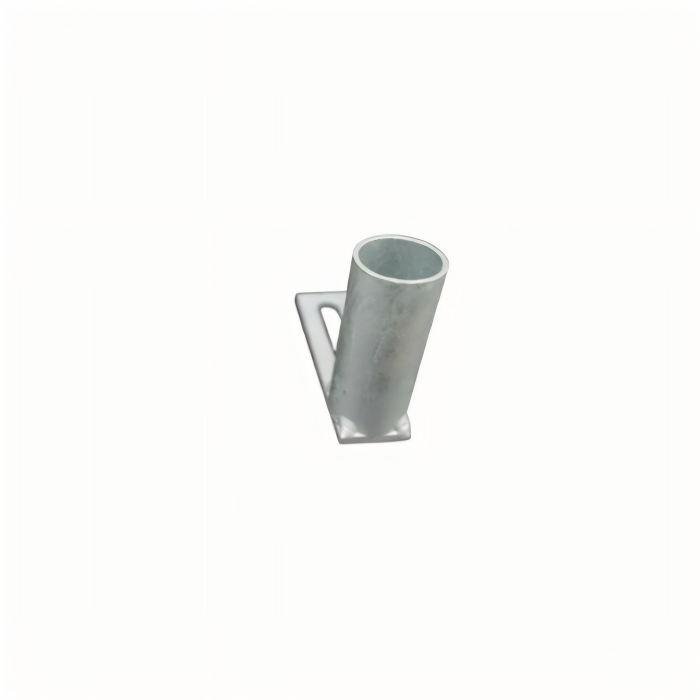
Strategien zur Verformungskontrolle:
Verzug ist die häufigste Beschwerde beim Aluminiumblechschweißen. Aluminium dehnt sich pro Grad Temperaturanstieg etwa doppelt so stark aus wie Stahl. Ohne Kontrolle kann sich eine 48 Zoll große Platte um 1/2 Zoll oder mehr wölben.
Unsere Methoden umfassen:
- Rückschrittschweißen – Schweißen kurzer Abschnitte in umgekehrter Richtung, um die Wärme zu verteilen.
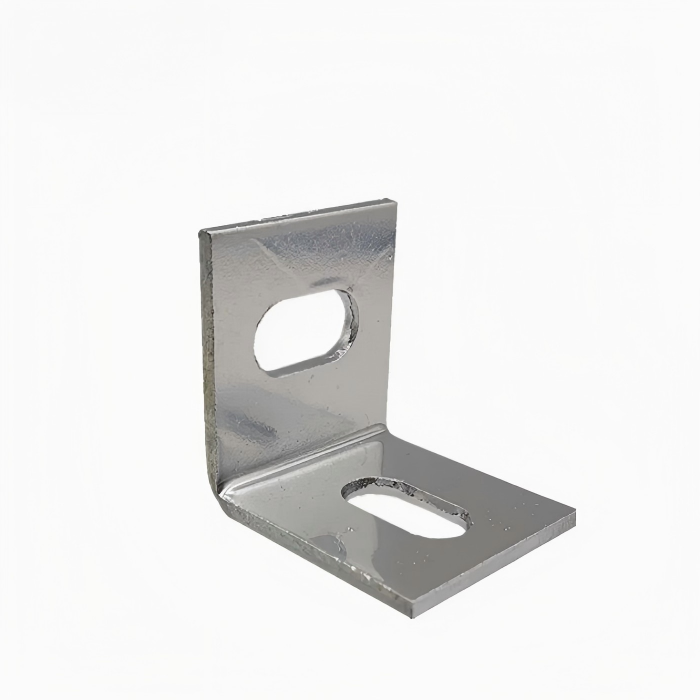
- Spannen mit Langlöchern in Winkeln – Ermöglicht seitliche Bewegung bei gleichzeitiger Begrenzung des Abhebens.
- Kühlleisten – Kupfer- oder Aluminiumblöcke hinter der Schweißnaht absorbieren überschüssige Wärme.
- Gepulste Parameter – Reduzieren die gesamte Wärmezufuhr um 30 bis 40 Prozent.
- Nach dem Schweißen: Planieren – Leichtes Hämmern zum Abbau von Eigenspannungen.
Wir garantieren für die meisten Aluminiumblechschweißprojekte eine Ebenheit von 1/8 Zoll über 10 Fuß.
Oberflächenvorbereitung und Sauberkeit:
Aluminiumoxid schmilzt bei über 2040°C, während das Grundmetall bei etwa 650°C schmilzt. Diese Diskrepanz bedeutet, dass Oxid auf einem geschmolzenen Schweißbad schwimmen und Einschlüsse verursachen kann. Eine ordnungsgemäße Vorbereitung ist unerlässlich.
Unser Reinigungsprozess für das Aluminiumblechschweißen umfasst:
- Entfetten mit Aceton oder einer milden alkalischen Lösung
- Mechanisches Abtragen mit einer Edelstahlbürste, die nur für Aluminium verwendet wird
- Abwischen mit einem sauberen, fusselfreien Tuch
- Schweißen innerhalb von vier Stunden nach der Reinigung, um eine erneute Oxidation zu verhindern
Wir verwenden keine Schleifscheiben, die mit Stahl in Berührung gekommen sind. Kreuzkontamination führt zur Einbringung von Eisenpartikeln, die später galvanische Korrosion verursachen.