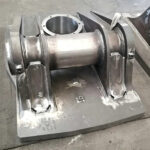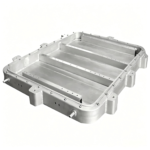
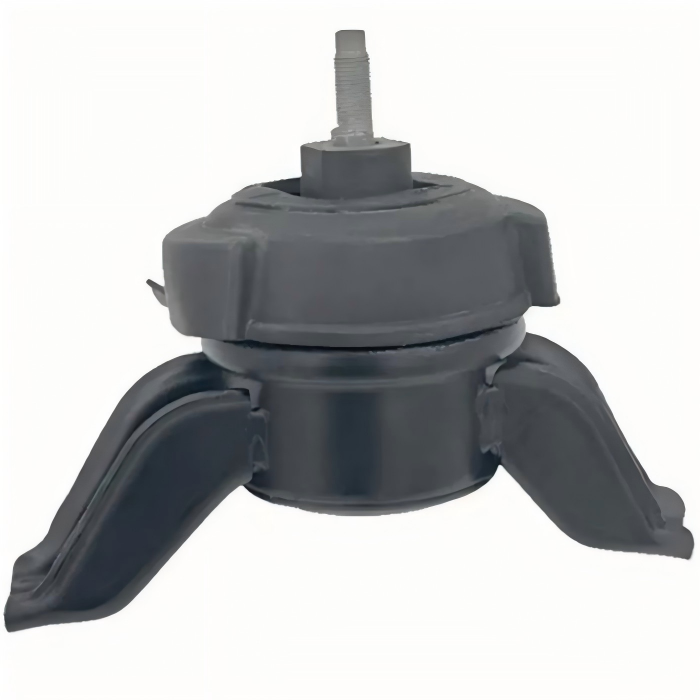
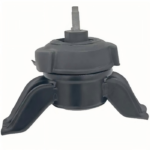
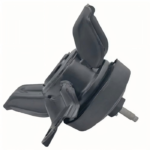
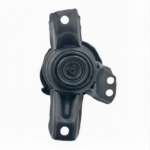
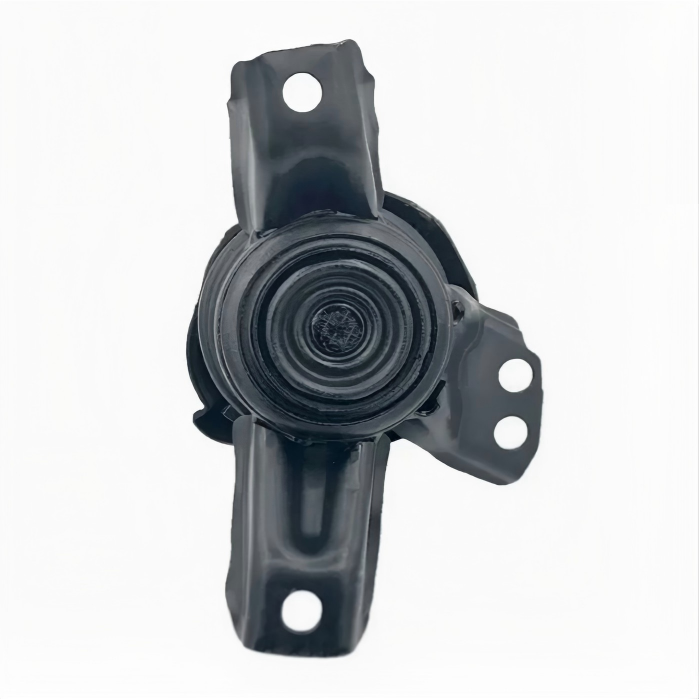
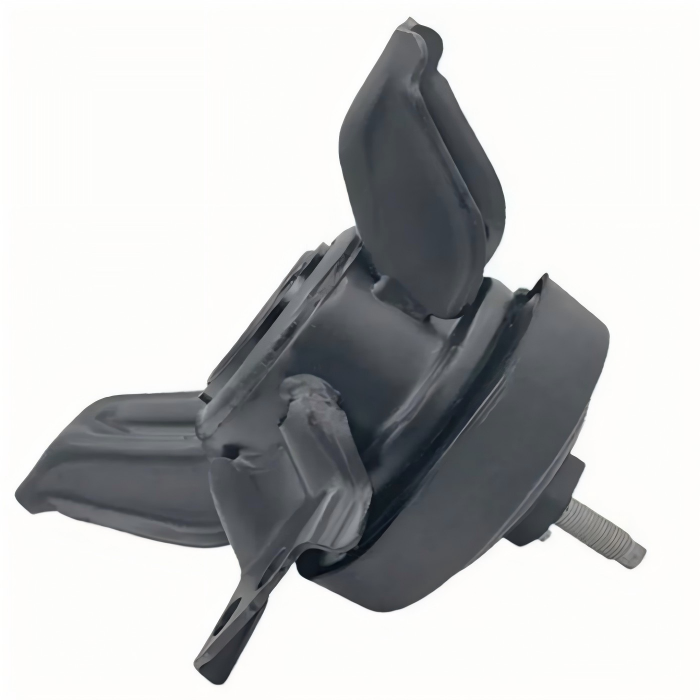
Upgraded Superior Rear Engine Mount Bracket 9 Custom Steel Grades with Fast Welding Turnaroundrear engine mount bracket
Demande de devis
Saisissez la quantité dont vous avez besoin et ajoutez-la à votre liste de devis pour obtenir des informations sur les prix.
Détails du produit
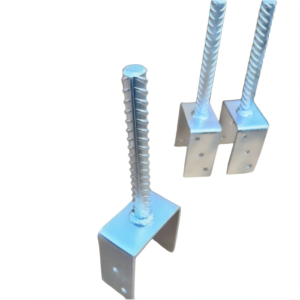
Custom rear engine mount bracket for cars trucks and off road vehicles Precision stamping and robotic welding 100 to 5000 pieces
Product Definition and Key Advantages:
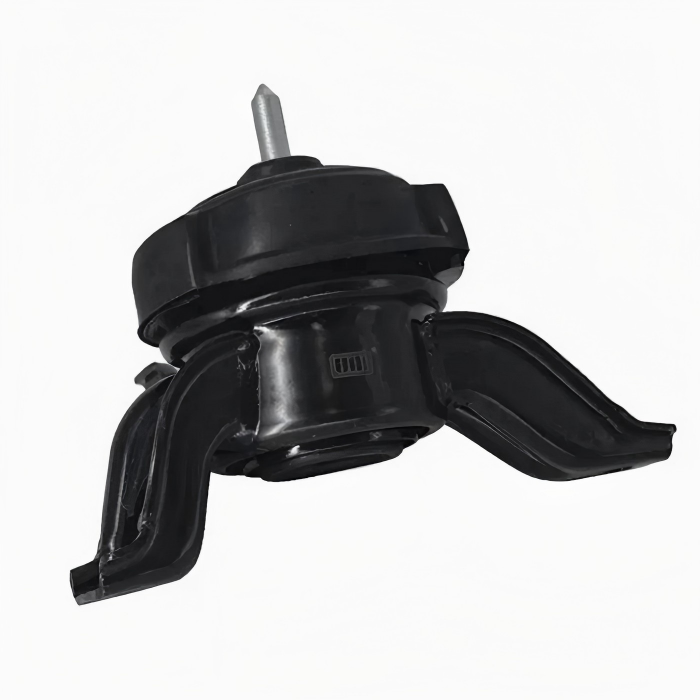
A true industrial grade rear engine mount bracket is more than a simple connecting plate. It must maintain exact bolt hole alignment while absorbing torsional stresses from the engine and transmission assembly. Our manufacturing process begins with precision stamping using progressive dies, followed by MIG or robotic welding. This approach ensures every component maintains consistent flange angles, hole positions, and weld penetration depth.
Key advantages of our product include material options such as hot rolled steel, high strength low alloy steel, and stainless steel. The thickness range runs from 2.0 mm to 8.0 mm based on engine weight and torque requirements. Surface finishes include zinc plating, e coating, powder coating, or plain for post welding treatment. Pre welded nuts or locating pins are available for faster assembly line installation. For high volume orders, we also offer jig welded assemblies where the bracket is integrated with cross members or reinforcement plates.
Technical Specifications – Stamping and Welding Capabilities:
Precision Stamping Process:
Our presses range from 250 tons to 1000 tons, enabling tight tolerances on the rear engine mount bracket inner and outer dimensions, typically ±0.3 mm. Critical dimensions include bolt hole center distances, mounting surface flatness, and flange perpendicularity. Compared to laser cut or plasma cut versions, a stamped bracket delivers work hardened edges, consistent thickness distribution, and faster cycle times for bulk orders. We can produce progressive dies that form, pierce, and trim the component in a single press stroke, reducing per piece cost for quantities above 5000 units.
Welding Standards:
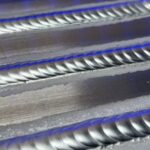
As a welded fabrication specialist, we apply GMAW for structural steel brackets, ensuring penetration depth at least 80 percent of material thickness. Resistance projection welding is used for high volume units with pre embossed weld projections, which eliminates loose hardware and reduces assembly steps. Post weld finishing includes grinding, shot blasting, or tumbling to remove spatter and sharp edges, ensuring a clean surface for coating or direct installation.
Why Choose Us as Your Stamping and Welding Supplier?
Many suppliers sell a generic rear engine mount bracket, but few control both stamping and welding in house. This vertical integration delivers no tolerance mismatch because we design dies and weld fixtures together, so your rear engine mount bracket always has aligned hole patterns. Mixed batch capability means if you need 500 units in 3.0 mm steel and 200 units in 5.0 mm high strength steel, we can run both in one schedule. We also offer direct replacement by reverse engineering an existing rear engine mount bracket from a physical sample, scan, or even a worn original part.
Quality Assurance Checklist for Every Rear Engine Mount Bracket:
Dimensional report using coordinate measuring machine, weld penetration macro etch on first article, hardness test on stamped zones, proof load test at 2.0 times engine torque rating, and dye penetrant inspection on all structural welds.
Typical Applications for Rear Engine Mount Bracket:
Passenger Vehicle Engine Mounting:
In front wheel drive and rear wheel drive cars, the rear engine mount bracket connects the engine block to the subframe or chassis rail. Our stamped and welded design provides precise hole alignment for rubber isolation mounts. A correctly fabricated rear engine mount bracket reduces cabin vibration and prevents drivetrain misalignment under acceleration.
Heavy Truck and Bus Applications:
Commercial vehicles demand a rear engine mount bracket that can handle high torque from diesel engines. Our heavy duty version uses 6.0 mm to 8.0 mm steel with full penetration welds. The rear engine mount bracket in these applications often supports both the engine and transmission bell housing, requiring exact angular alignment. We offer coordinate measuring machine inspection for every critical dimension.
Agricultural and Construction Equipment:
Tractors, loaders, and excavators operate in dusty, high shock environments. A stamped and welded rear engine mount bracket for these machines must resist fatigue cracking. We add reinforcement ribs during the stamping stage and use controlled cooling after welding to reduce residual stress. Many customers request a galvanized rear engine mount bracket for corrosion resistance when equipment is stored outdoors.
Marine and Industrial Stationary Engines:
Generator sets, pumps, and marine propulsion engines require a rear engine mount bracket that maintains alignment despite constant low frequency vibration. Our design includes slotted mounting holes to accommodate minor frame flex without overstressing the bracket. For saltwater marine environments, we offer a stainless steel rear engine mount bracket with fully welded closed box sections.
Frequently Asked Questions:
Q: Can a stamped rear engine mount bracket replace a cast iron bracket?
A: Yes for many applications. Our stamped and welded version offers better impact resistance than brittle cast iron because steel has higher ductility. It is typically 15 to 25 percent lighter while matching or exceeding the load capacity of cast iron. However, for extremely high temperature environments above 500 degrees Celsius, cast iron may still be preferred.
Q: Do you provide welded assemblies with multiple brackets on one frame?
A: Absolutely. We can supply a welded frame that includes the rear engine mount along with transmission mounts and accessory brackets as a single assembly. This reduces your assembly line steps and ensures consistent mounting positions.
Q: What is the maximum engine weight for one rear engine mount bracket?
A: Static load capacity depends on material thickness and weld design. For a 5.0 mm steel bracket with full penetration welds, the safe working load is approximately 800 kg per unit. For heavier engines, we recommend using two or four brackets per engine. Contact us for a load calculation sheet specific to your engine model.
Q: Can you add rubber isolation pads to the rear engine mount bracket?
A: We do not mold rubber, but we can bond pre cut rubber or polyurethane pads to the mounting surface after welding. For active vibration control, we recommend specifying a bracket that accepts standard hydraulic or elastomeric mounts available from suspension component suppliers.
Q: Do you offer design assistance for a custom rear engine mount bracket?
A: Yes. Our engineering team can review your engine mounting points, frame rail locations, and available space envelope. We will propose an optimal stamped and welded bracket geometry within one week. We also provide finite element analysis reports showing stress distribution and safety factors.