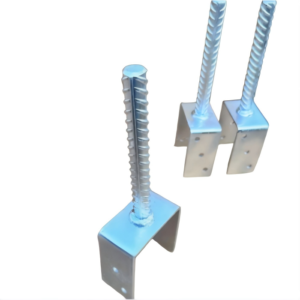
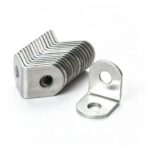
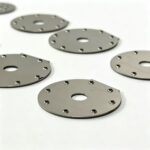
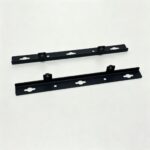
Zuverlässige SS316-Stanzhalterungen, medizinische Qualität, gestanzte Metallhalterungen
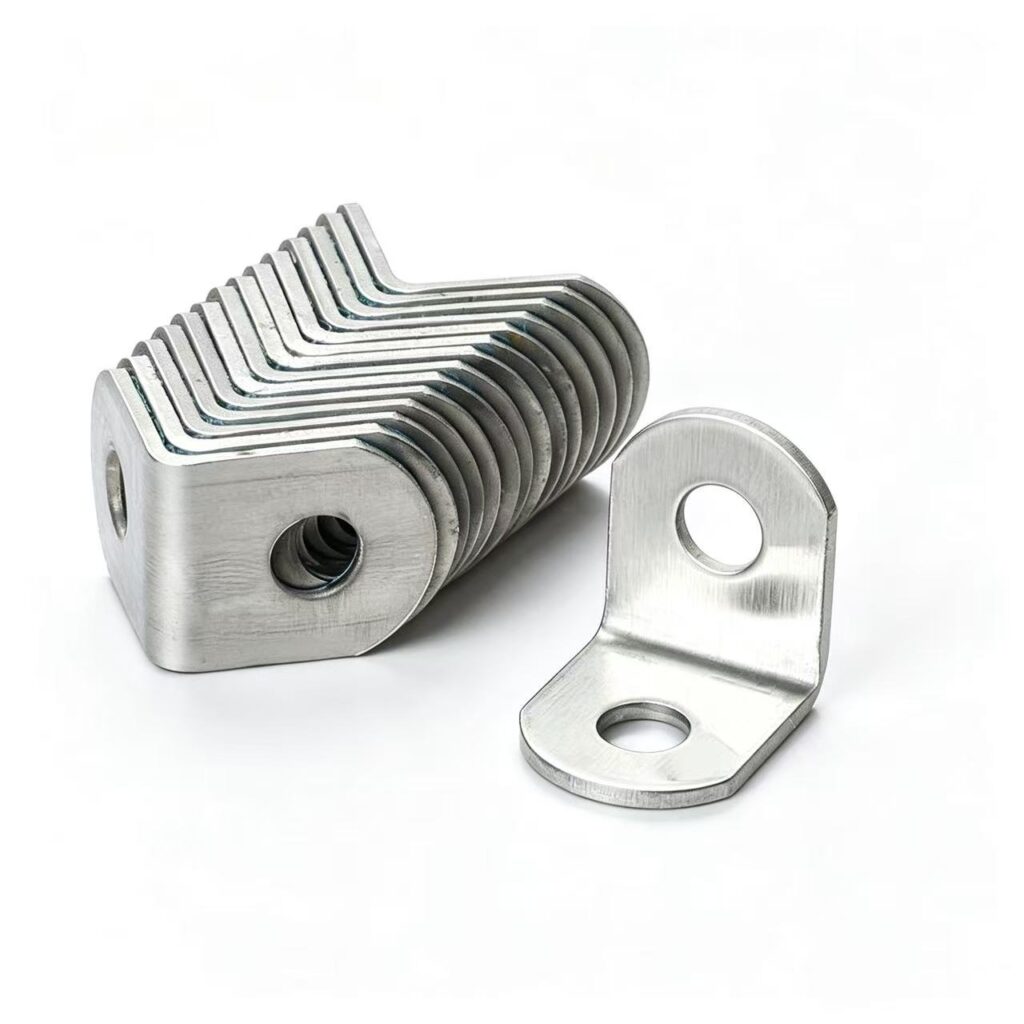
Stanzhalterungen verwenden präzises Blechstanzen für die Serienproduktion und bieten konstante Festigkeit, enge Toleranzen und langlebige Leistung.
Request a Quote
Enter the quantity you need and add to your quote list for pricing inquiries.
Product Details
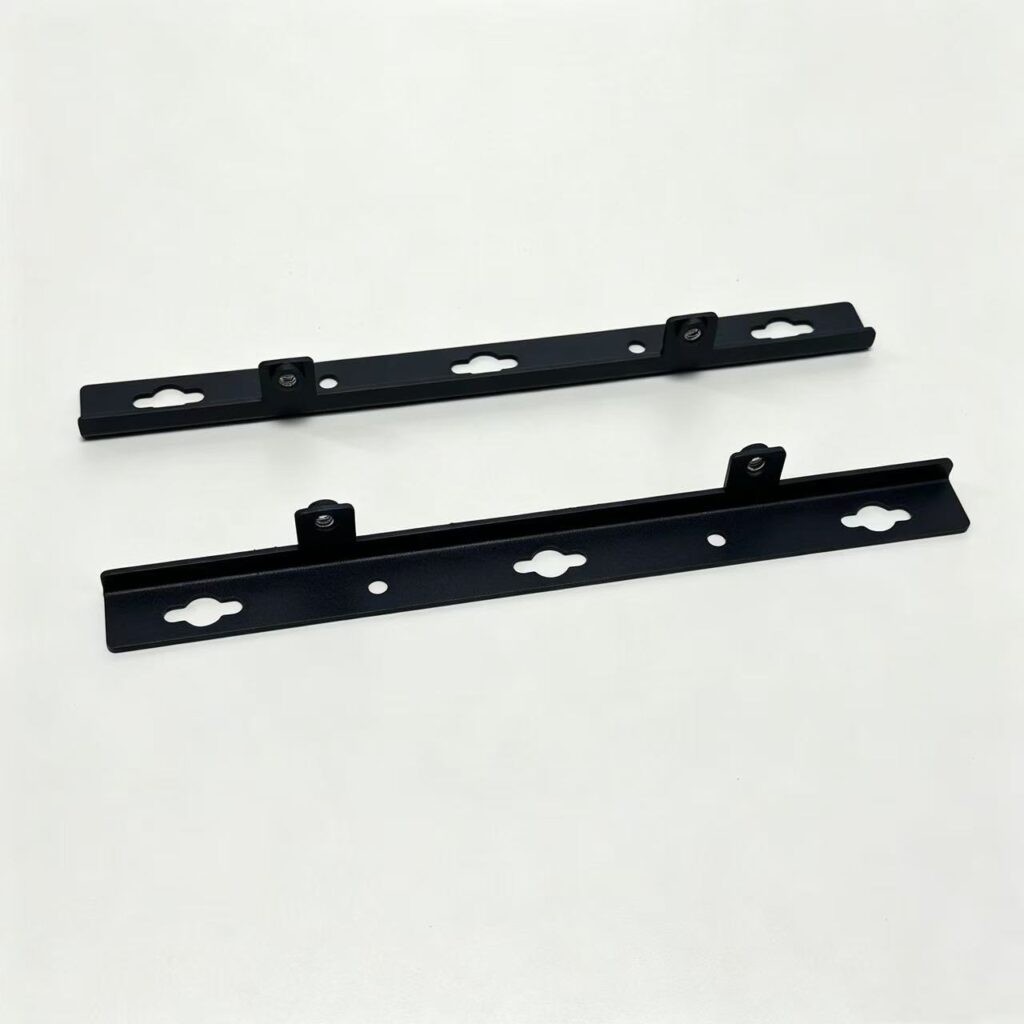
Progressive Die Stamped 316L Medical Instrument Brackets:
Kunde: MT,Instruments (ISO 13485 certified; USA)
Industrie: Medical Device Manufacturing
Herausforderung:
Der Kunde benötigte 250.000 Einheiten pro Jahr von kleinen (65mm × 38mm × 12mm) Stanzhalterungen für einen wiederverwendbaren chirurgischen Instrumentensterilisatorständer.
Die Halterung hielt kritische Ausrichtungsstifte und war folgenden Bedingungen ausgesetzt:
Tägliche Autoklavsterilisation (Dampf bei 134°C / 273°F; hohe Luftfeuchtigkeit).
Krankenhausdesinfektionsmittel (Bleichmittel und quartäre Ammoniumverbindungen).
Physikalische Stöße durch wiederholtes Beladen schwerer chirurgischer Tabletts.
Das Originalteil wurde aus massivem 316L Stangenmaterial spanend gefertigt.
Obwohl funktional, hatte die spanende Bearbeitung drei Hauptprobleme:
Kosten: $4,20 pro Einheit (zu teuer für eine halbverbrauchbare Halterung).
Lieferzeit: 8 Wochen für 5.000 Einheiten (spanende Bearbeitung war zu langsam).
Materialabfall: 65% des 316L Stangenmaterials wurden zu Spänen und Schrott.
MT forderte: Stanzhalterungsalternative zu ≤$1,80 pro Einheit; mit null Porosität; Korrosionsbeständigkeit gleichwertig zu spanend bearbeitetem 316L; und einer glatten, reinigbaren Oberfläche (keine Spalten für Bakterienwachstum).
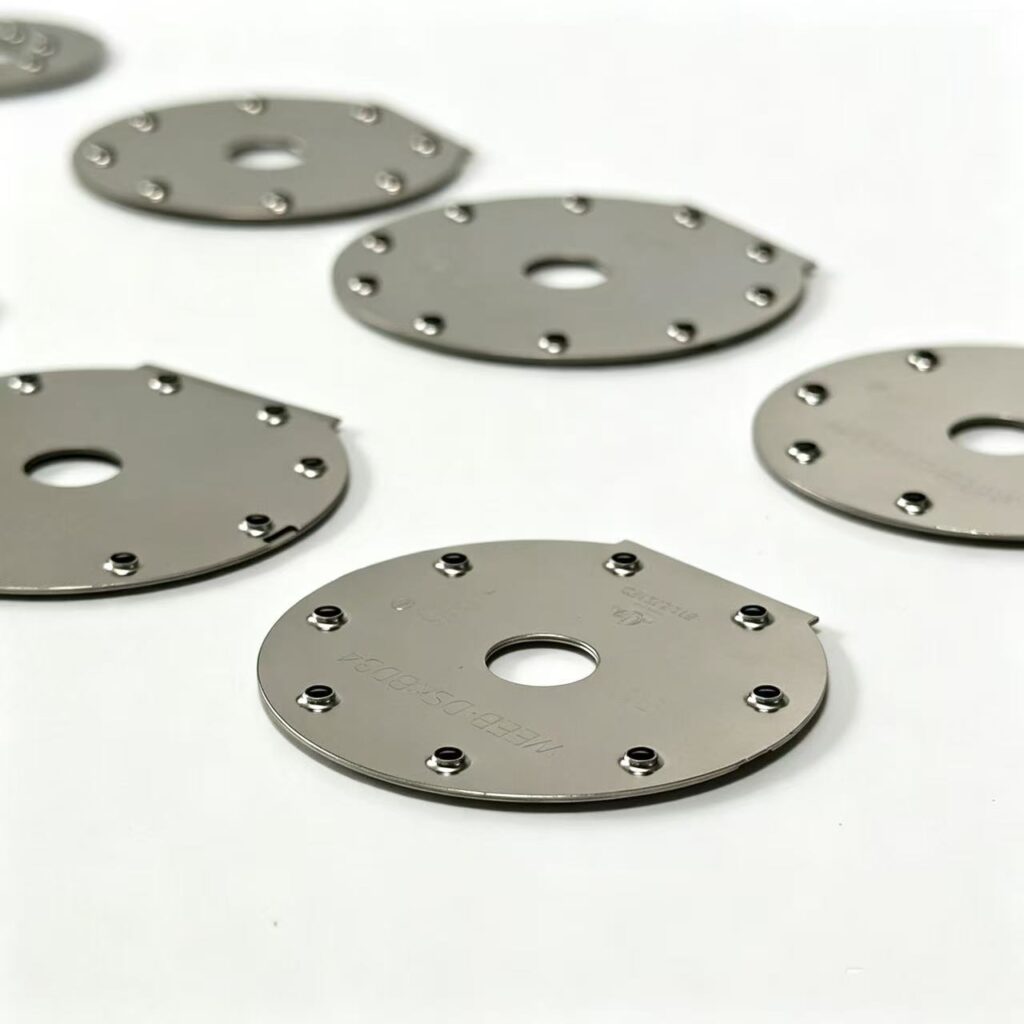
Die Flow Wing Metal Ausführung:
Schritt 1: Konstruktion für Stanzen (DFS) Technik
Das Ingenieurteam von Flow Wing Metal überprüfte das 3D-Modell und konstruierte die Stanzhalterungen neu:
Materialwechsel entfernt: Ersetzte spanend bearbeitetes Stangenmaterial durch 1,2 mm dicke 316L Edelstahlspule (vollhart angelassen für Rückfederungskontrolle; dann nach dem Stanzen geglüht).
Geometrieoptimierung: Fügte 0,5 mm Verrundungen an allen Innencken hinzu (zuvor scharfe 90°) zur Vermeidung von Spannungsrissen während der Umformung.
Loch-Toleranzen: Spezifizierte gestanzte Löcher bei +0,05 mm / 0,00 mm für präzise Stiftausrichtung (erreichbar mit Feinschneidtechniken).
Schritt 2: Werkzeugherstellung
Werkzeugtyp: Folgeverbundwerkzeug mit 8 Stationen.
Werkzeugmaterial: Pulvermetallurgischer Werkzeugstahl (CPM 10V) mit Titanaluminiumnitrid (TiAlN) Beschichtung für Verschleißfestigkeit gegen kaltverfestigendes 316L.
Presse: 200-Tonnen Bruderer Hochgeschwindigkeits-Stanzpresse.
Enthaltene Stationen:
Führungslochstanzen
Hauptlochstanzen (×4)
Einschneiden: Teilschnitt für Freigängigkeitsmerkmal
Erste 45° Biegung
Zweite 90° Biegung
Prägen: Einebnen der Montagefläche.
Ausstanzen: Teil vom Trägerstreifen trennen
Schrottabschnitt
Schritt 3: Prozessentwicklung & Testen
Probelauf: 500 Teile aus Baustahl hergestellt (zur Werkzeugvalidierung).
Edelstahlversuch: 1.000 Teile in 316L mit speziellem chloriertem Hochdruck-Stanzschmiermittel zur Vermeidung von Kaltaufschweißungen.
Anpassungen: Erhöhte Pressgeschwindigkeit von 40 auf 55 Hübe pro Minute; fügte Luftstoß hinzu, um kleine Stanzbutzen von den Stanzstationen zu entfernen.
Schritt 4: Nachbearbeitung der Stanzhalterungen
Entfetten: Automatisierte Dreistufen-Sprühwaschanlage (alkalische Wäsche → Spülen → Rostschutzspülung).
Entgraten: Leichtes Vibrationsläppen mit Keramikdreiecken (15 Minuten) zum Entfernen von Stanzgraten (<0,05 mm verbleibend).
Passivierung: Zitronensäurebad (20% Konzentration; 25 Minuten bei 55°C) zur Wiederherstellung der Chromoxidschicht – entscheidend für Autoklavbeständigkeit.
Prüfung: 100% Gut-/Schlecht-Lehre für Stiftlöcher; Lasermikrometer für Biegewinkeltoleranz (±0,5°).
Schritt 5: Qualitätsvalidierung
| Anforderung | Angegeben | Flow Wing Ergebnis | Bestanden/Nicht bestanden |
| Material | 316L | 316L (zertifizierter Werksprüfbericht) | Pass |
| Ebenheit | ≤0,15 mm über 65 mm | 0,08 mm | Pass |
| Lochpositionstoleranz | ±0,05 mm | ±0,03 mm Cpk 1,67 | Pass |
| Innenckenradius | Keine Risse (Farbeindringprüfung) | Null Anzeigen | Pass |
| Salzsprühnebelbeständigkeit (ASTM B117) | ≥1.000 Stunden | 200 Stunden (kein Rotrost) | Pass |
| Autoklavzyklus-Haltbarkeit | 500 Zyklen | 800 Zyklen (keine Verfärbung oder Lochfraß) | Pass |
| Stückkostenziel | ≤$1,80 | $1.52 | Pass |
Das Ergebnis:
Kosteneinsparung: 64% Reduktion pro Einheit ($4,20 → $1,52) = $670.000 jährliche Einsparungen für den Kunden.
Produktionsgeschwindigkeit: Von 8 Wochen für 5.000 Einheiten (spanend bearbeitet) zu 2 Wochen für 25.000 Einheiten (gestanzt).
Materialausnutzung: Erhöht von 35% (spanend bearbeitet) auf 82% (gestanzt aus Spule).
Qualität: Null gemeldete Feldausfälle nach 18 Monaten Krankenhausnutzung. Die Stanzhalterungen überstehen Autoklavzyklen ohne Lochfraß; und die Passivschicht bleibt intakt.
Kundenergebnis: MT wandelte in den folgenden 12 Monaten 14 zusätzliche spanend bearbeitete Stanzhalterungen in Flow Wing Metal gestanzte Konstruktionen um.
Zeugnis eines Kunden:
> “Flow Wing Metal hat nicht nur Halterungen gestanzt – sie haben unsere gesamte Kostenstruktur neu entwickelt. Das Folgeverbundwerkzeug hat sich in der ersten Produktionsserie amortisiert. Und die Teilequalität? Besser als unsere ursprüngliche spanend bearbeitete Version.”,
> – Leitender Einkäufer; MT Chirurgische Instrumente
Warum Flow Wing Metal für Stanzhalterungen wählen?
| Fähigkeit | Strömungsflügel Gebürstet, gebeizt, poliert oder kundenspezifisch |
| Presskapazität | Bis zu 400 Tonnen (Folgeverbund, Transfer und Feinschneiden) |
| Maximale Teilegröße | 600mm × 900mm (größer auf Anfrage) |
| Materialdickenbereich | 0,1mm (Folie) bis 8,0mm (Platte) |
| Toleranzen (Standard) | ±0,10mm (Stanzen), ±0,05mm (gestanzte Löcher), ±0,5° (Biegungen) |
| Toleranzen (Präzision) | ±0,025mm mit Feinschneiden oder sekundärem Prägen |
| Jährliche Volumenkapazität | 100 bis 10.000.000+ Teile |
| Materialien | Baustahl, Edelstahl (304/316/410/430), Aluminium (5052/6061), Kupfer, Messing, verzinkt, HSLA, vorplattierte Metalle |
| Oberflächenbehandlung intern | Entfetten, Läppen/Vibrationsläppen, Passivieren, Elektropolieren, Pulverbeschichten |
| Zertifizierungen | ISO 9001:2015, ISO 13485 (Medizinprodukte in Bearbeitung) |
| Lieferzeit (Werkzeug) | 4-8 Wochen (Folgeverbundwerkzeug), 2-3 Wochen (Einzelstationswerkzeuge) |
Flow Wing Metal verwandelt Blech in Präzisionskomponenten – schneller; stärker; und wirtschaftlicher als spanende Bearbeitung.