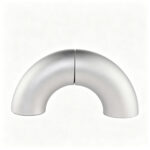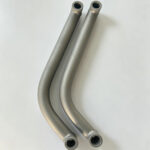


TIG-Schweißen von Rundrohren 1/8 Zoll Kehlnahtschweißservice für Rahmen
TIG-Schweißen von Rundrohren mit präzisen 1/8-Zoll-Kehlnähten für schwere Rahmen, die Festigkeit und Haltbarkeit in industriellen Anwendungen gewährleisten.
Request a Quote
Enter the quantity you need and add to your quote list for pricing inquiries.
Product Details
Warum ist das Schweißen von Rundrohren schwierig?
Das Verständnis der Geometrie erklärt, warum das WIG-Schweißen von Rundrohren spezielle Techniken erfordert. Im Gegensatz zu einer flachen Platte, bei der der Brennerwinkel konstant bleibt, erfordert das WIG-Schweißen von Rundrohren eine ständige Anpassung. Beim WIG-Schweißen von Rundrohren um einen Umfang herum muss der Brenner kontinuierlich rotieren, neigen und den Bewegungsrichtungswinkel ändern.
Eine weitere Herausforderung beim WIG-Schweißen von Rundrohren ist die Wärmeverteilung. Beim WIG-Schweißen von Rundrohren an einem Rundrohr leitet sich die Wärme in zwei Richtungen um den Umfang und in eine Richtung entlang der Länge. Bei dünnwandigen Rohren unter 0,065 Zoll kann die Wärme während des WIG-Schweißens von Rundrohren um den gesamten Durchmesser wandern, was dazu führt, dass die gegenüberliegende Seite weich wird oder schmilzt.
Die Passung ist auch für das WIG-Schweißen von Rundrohren entscheidend. Zwei Rundrohre, die in einem Winkel aufeinandertreffen, erfordern vor dem WIG-Schweißen von Rundrohren ein präzises Anpassen oder Ablängen. Ein Spalt von nur 0,020 Zoll auf einer Seite während des WIG-Schweißens von Rundrohren kann zu Durchbrennen oder mangelnder Verschmelzung führen. Unser Prozess für das WIG-Schweißen von Rundrohren beinhaltet eine sorgfältige Überprüfung der Passung, bevor ein Lichtbogen gezündet wird.
Schließlich verhält sich das Schweißbad beim WIG-Schweißen von Rundrohren anders. Die Schwerkraft zieht das geschmolzene Metall während des WIG-Schweißens von Rundrohren nach unten. Bei einem horizontalen Rohr, das langsam gedreht wird, muss der Schweißer, der das WIG-Schweißen von Rundrohren durchführt, die Stromstärke anpassen, um das Durchhängen des Bades zu kompensieren. Bei einem feststehenden Rohr wird das WIG-Schweißen von Rundrohren in der Überkopfposition notwendig.

Rohrdurchmesser und Wandstärken:
Unser Service für das WIG-Schweißen von Rundrohren deckt eine breite Palette von Größen ab.
0,5 bis 1 Zoll Durchmesser – Kleine Rohre für Fahrradrahmen, Geländerstäbe und Instrumentenleitungen. Wandstärke von 0,035 bis 0,083 Zoll. Wir schweißen mit 35 bis 60 Ampere und 1/16 Zoll Zusatzwerkstoff.
1 bis 1,5 Zoll Durchmesser – Standard für Motorradrahmen, Überrollkäfige und Möbel. Wandstärke von 0,049 bis 0,120 Zoll. Parameter von 50 bis 90 Ampere.
1,5 bis 2,5 Zoll Durchmesser – Schiffsgeländer, architektonische Elemente und strukturelle Komponenten. Wandstärke von 0,083 bis 0,188 Zoll. Wir schweißen mit 80 bis 140 Ampere und 3/32 Zoll Zusatzwerkstoff.
2,5 bis 4 Zoll Durchmesser – Schwere Rahmen, Auslegerabschnitte und Industrieanlagen. Wandstärke von 0,125 bis 0,375 Zoll. Mehrlagentechnik mit 1/8 Zoll Zusatzwerkstoff.
4 bis 6 Zoll Durchmesser – Große Strukturbauteile, Druckbehälter und schwere Schiffskomponenten. Wandstärke von 0,250 bis 0,500 Zoll. Wir verwenden Vorwärmung auf 200°F und mehrere Lagen.
Für jede Größe legt unser Verfahren für das WIG-Schweißen von Rundrohren genaue Parameter, Zusatzwerkstofflegierung und Lagenfolge fest.
Aluminiumlegierungen für Rundrohre:
Unterschiedliche Rohrlegierungen erfordern unterschiedliche Ansätze.
6061-T6 Die gebräuchlichste strukturelle Rohrlegierung. Hervorragende Festigkeit und Schweißbarkeit. Verwendet für Fahrradrahmen, Motorradrahmen und strukturelle Anwendungen. Verwenden Sie 4043 Zusatzwerkstoff für allgemeine Arbeiten oder 5356 für höhere Scherfestigkeit.
6063-T5 Stranggepresste Rohrlegierung mit besserer Oberflächengüte als 6061. Verwendet für architektonische Geländer, Handläufe und dekorative Anwendungen. Verwenden Sie 4043 Zusatzwerkstoff.
5083 – Marinegüte-Legierung mit ausgezeichneter Korrosionsbeständigkeit. Verwendet für Bootsrelings, Kraftstoffleitungen und Salzwasseranwendungen. Verwenden Sie 5356 Zusatzwerkstoff.
3003 – Universelle Legierung mit guter Umformbarkeit. Verwendet für Anwendungen mit geringer Belastung wie Luftkanäle und nicht-strukturelle Rohre. Verwenden Sie 4043 Zusatzwerkstoff.
7075 – Hochfeste Legierung, aber sehr schwierig zu schweißen. Risse unter thermischer Belastung. Wir raten generell vom WIG-Schweißen von Rundrohren aus 7075 ab.
Unsere Techniker für das WIG-Schweißen von Rundrohren wählen den Zusatzwerkstoff basierend auf der Grundlegierung und den Serviceanforderungen aus.


Verbindungskonfigurationen für Rohre:
Rundrohre erfordern spezifische Verbindungsdesigns.
Stumpfstoß – Zwei Rohrenden treffen Ende an Ende aufeinander. Verwendet zum Verlängern von Rohren oder zum Verbinden gerader Abschnitte. Erfordert perfekte Ausrichtung und minimalen Spalt. Bei Wandstärken unter 0,125 Zoll ist keine Fase erforderlich. Bei dickeren Wänden eine 30-Grad-Fase hinzufügen.
Muffenverbindung – Ein kleineres Rohr wird in ein größeres Rohr eingeführt. Verwendet für strukturelle Verbindungen, bei denen die Festigkeit entscheidend ist. Das innere Rohr sollte mindestens 2 Durchmesser weit in das äußere Rohr hineinragen.
Sattelverbindung – Ein Rohrende wird so zugeschnitten, dass es an der Seite eines anderen Rohrs anliegt. Üblich für den Bau von Fahrrad- und Motorradrahmen. Erfordert präzises Anpassen mit einer Rohrkerbmaschine oder CNC-Bearbeitung.
Kehlnahtverbindung – Zwei Rohre treffen in einem Winkel ohne Anpassung aufeinander. Der Schnittpunkt ergibt eine natürliche Kehlnahtform. Verwendet für Geländer und weniger kritische Strukturen.
Abzweigverbindung – Ein kleineres Rohr kreuzt ein größeres Rohr. Verwendet für Überrollkäfige und Raumfachwerke. Erfordert sorgfältige Passung und manchmal einen Verstärkungskragen.
Für jedes Projekt des WIG-Schweißens von Rundrohren überprüfen wir die Passung vor dem Schweißen mit Lehren und Schablonen.
Schweißpositionen und Rotation:
Das Rohrschweißen kann in mehreren Positionen durchgeführt werden.
Rotierte Position – Das Rohr wird in einem Positionierer oder einer Drehmaschine montiert, die langsam rotiert, während der Schweißer den Brenner stationär hält. Dies ist die ideale Methode, da der Schweißer immer in der Wannenposition arbeitet. Wir verwenden drehzahlverstellbare Positionierer für alle Serien-Rohrschweißungen.
Feststehend Horizontal – Das Rohr wird horizontal eingespannt und kann nicht gedreht werden. Der Schweißer arbeitet um den Umfang herum, schweißt unten über Kopf und an den Seiten vertikal. Dies erfordert mehr Geschick, ist aber manchmal für große Baugruppen notwendig.
Feststehend Vertikal – Das Rohr wird vertikal eingespannt. Schweißnähte werden in der Horizontalposition ausgeführt, was einfacher ist als über Kopf.
Für unseren Service des WIG-Schweißens von Rundrohren bevorzugen wir wann immer möglich die rotierte Position. Sie produziert die gleichmäßigsten Schweißnähte und die geringste Verformung.
Verformungskontrolle für Rohre:
Rohrbaugruppen können sich aufgrund von Schweißschrumpfung verdrehen, verziehen oder verkürzen. Ein 48 Zoll langer Rahmen kann ohne ordnungsgemäße Kontrolle um 1/4 Zoll aus der Ausrichtung gezogen werden.
Unsere Methoden für das WIG-Schweißen von Rundrohren umfassen Folgendes.
Schweißreihenfolge – Für ein Mehrrohrgelenk schweißen wir in einer Reihenfolge, die die thermische Kontraktion ausgleicht. Zum Beispiel schweißen wir bei einem T-Stück zuerst die beiden Seiten des vertikalen Rohrs, dann die Oberseite.
.
Heftschweißen –
Wir verwenden vier gleichmäßig um den Umfang verteilte Heftpunkte. Die Heftpunkte sind 6 bis 12 mm lang. Die Baugruppe wird nach dem Heften auf Ausrichtung geprüft.
.
Rückschrittschweißen – Bei langen Nähten schweißen wir 25 mm lange Segmente in umgekehrter Reihenfolge um das Rohr.
.
Kupferunterlage –
Bei dünnwandigen Rohren führen wir einen Kupferstab im Rohr hinter der Schweißzone ein. Das Kupfer absorbiert überschüssige Wärme und verhindert Durchbrennen.
.
Interpass Cooling – Zwischen den Schweißgängen kühlen wir das Rohr mit Druckluft oder einem feuchten Lappen.
.
Mit diesen Techniken halten wir die Rohrausrichtung bei den meisten WIG-Schweißprojekten für Rundrohre auf 0,8 mm pro Meter ein.
.
Oberflächenvorbereitung und Reinigung:
Sauberkeit ist beim Rohrschweißen unerlässlich. Aluminiumoxid, Schneidöle und Schmutz verursachen alle Schweißfehler.
.
Unser Reinigungsprozess für das WIG-Schweißen von Rundrohren umfasst Folgendes.
.
Entfetten – Wir wischen die Schweißzone mit Aceton ab. Bei langen Rohren spülen wir das Innere möglicherweise mit Lösungsmittel.
.
Mechanisches Abtragen – Eine für Aluminium bestimmte Edelstahldrahtbürste entfernt die Oxidschicht. Für Innenflächen verwenden wir Schleifpads auf einer Druckluftschleifmaschine.
.
Kantenvorbereitung – Geschnittene Rohrenden werden innen und außen entgratet. Bei abgeschrägten Verbindungen verwenden wir einen Hartmetallfräser oder Bandschleifer.
.
Endreinigung – Ein sauberes, fusselfreies Tuch mit Aceton entfernt verbleibende Partikel.
Wir schweißen innerhalb von 4 Stunden nach der Reinigung. Nach 4 Stunden beginnt sich die Oxidschicht neu zu bilden. Bei kritischen WIG-Schweißanwendungen für Rundrohre spülen wir das Rohrinnere auch mit Argon, um eine Verzunderung der Innenfläche zu verhindern.
.
Typische Anwendungen:
Unser WIG-Schweißservice für Rundrohre unterstützt viele Branchen.
.
Fahrradrahmen –
Individuelle Rennräder, Mountainbikes, Tandems und Lastenräder. Dünnwandige 6061- oder 7005-Rohre erfordern präzise Wärmekontrolle.
.
Motorradrahmen –
Individuelle Chopperrahmen, Cafe-Racer-Rahmen, Dirtbike-Rahmen und Schwingen. Strukturelle Integrität ist entscheidend.
.
Schiffsgeländer –
Bootshandläufe, Rettungsleinen, Angelplattformstrukturen und T-Tops. Korrosionsbeständigkeit und optisches Erscheinungsbild sind beide wichtig.
.
Architekturgeländer –
Treppenhandläufe, Balkongeländer und Schutzgeländer. Saubere Schweißnähte, die Pulverbeschichtung annehmen.
.
Überrollkäfige –
Geländefahrzeuge, Rennwagen und Nutzfahrzeuge. Voll durchgeschweißte Nähte mit Farbeindringprüfung.
.
Industrieanlagen –
Förderrahmen, Maschinenschutz, Materialhandhabungsstrukturen und Arbeitsplattformen.
.
Möbel –
Aluminiumstühle, -tische, -rahmen und Displayständer. Kosmetische Schweißnähte, die geschliffen und poliert werden.
.
Für jede Anwendung passen wir unser WIG-Schweißverfahren für Rundrohre an, um Festigkeits-, optische und maßliche Anforderungen zu erfüllen.
.