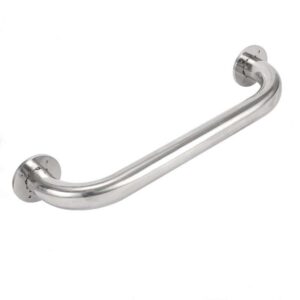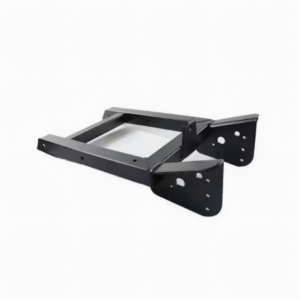
Stable Handrail Post Bracket Instant 5 Degree Welding Service for Stair Stringers
Angebot anfordern
Geben Sie die benötigte Menge ein und fügen Sie sie Ihrer Angebotsliste für Preisanfragen hinzu.
Details zum Produkt
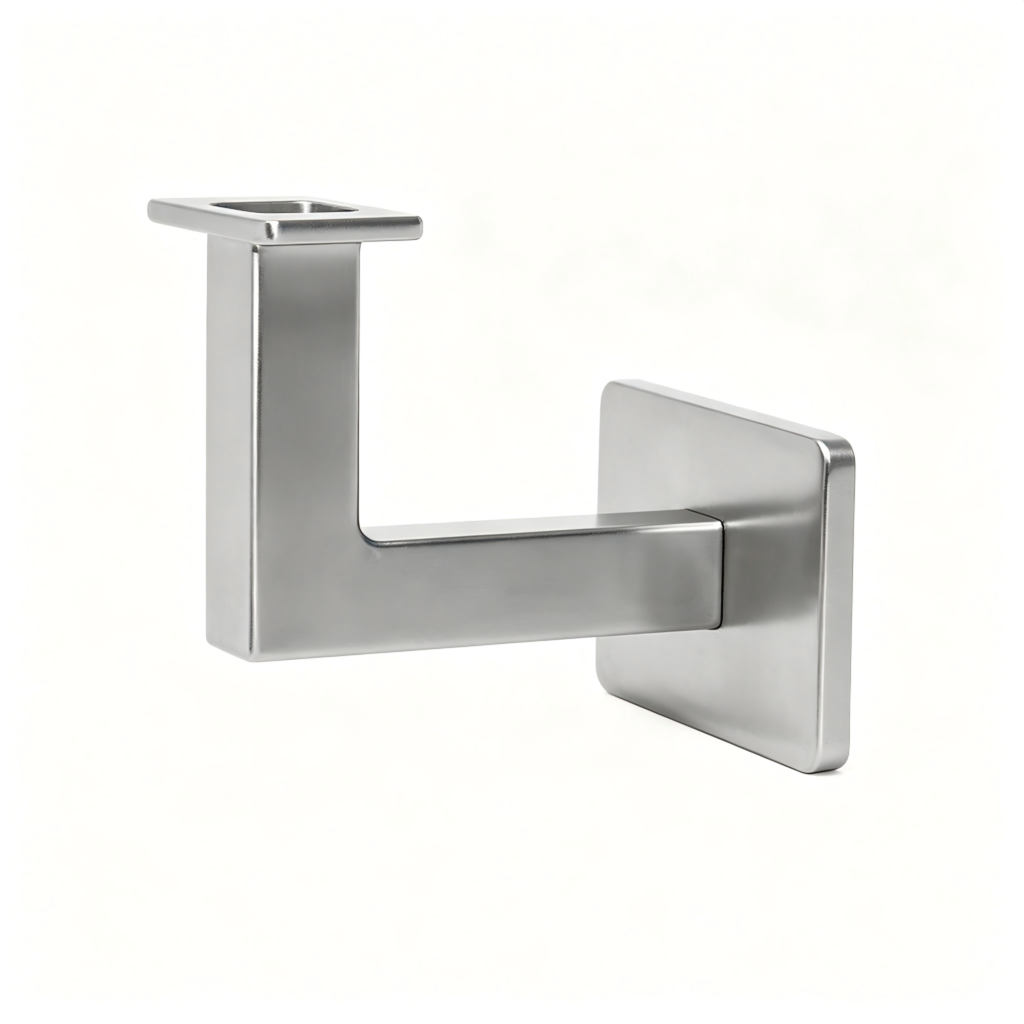
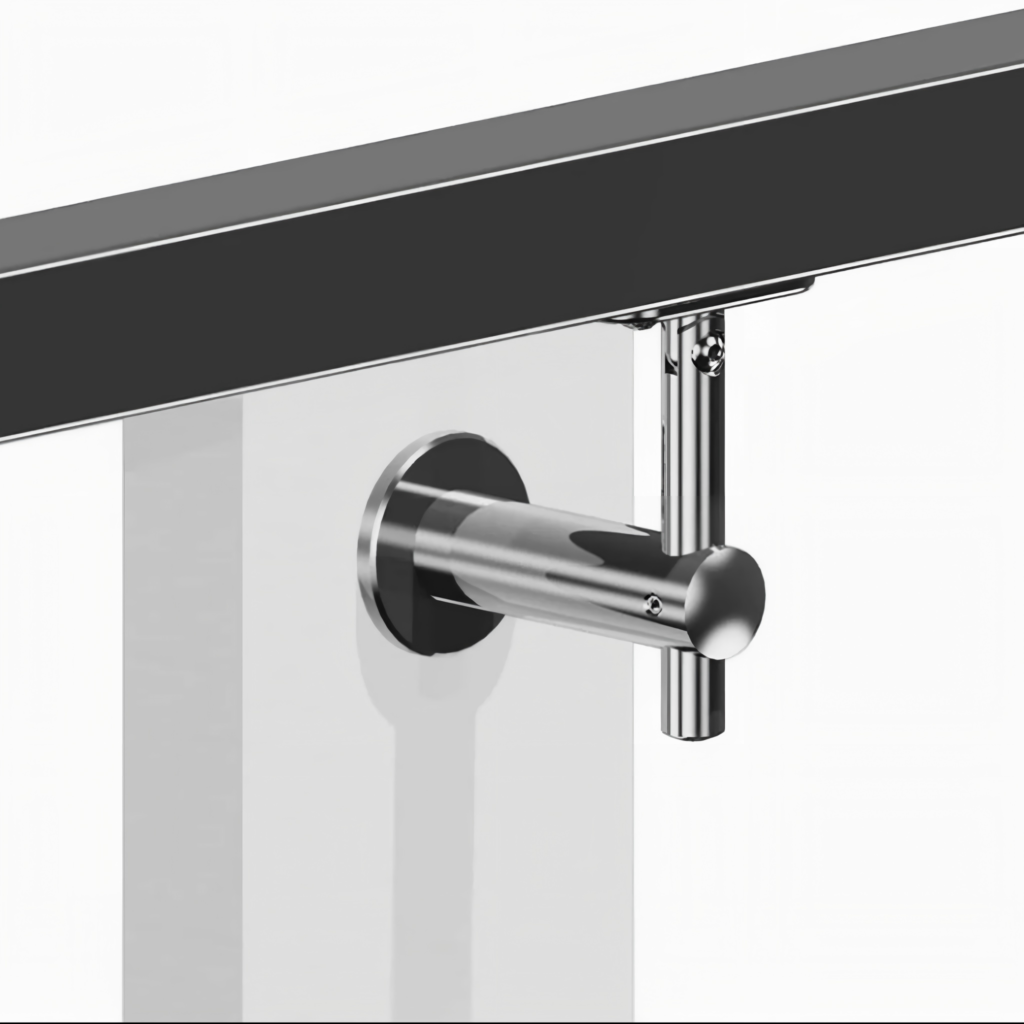
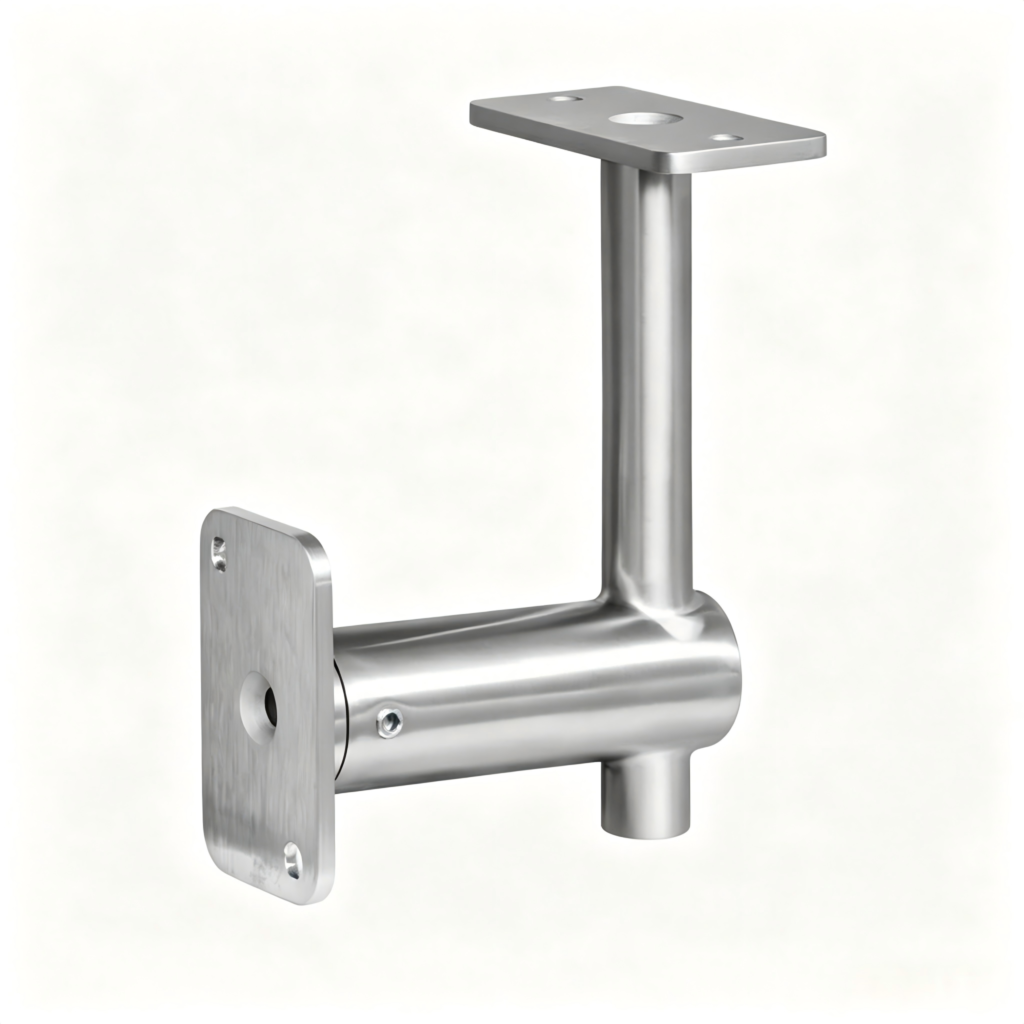
Professional stainless steel handrail post bracket welding service for stairs platforms and guardrails. Custom sizes from 1 to 4 inches with full penetration welds. 304 and 316 grades available.
What Is Stainless Steel Handrail Post Bracket Welding?
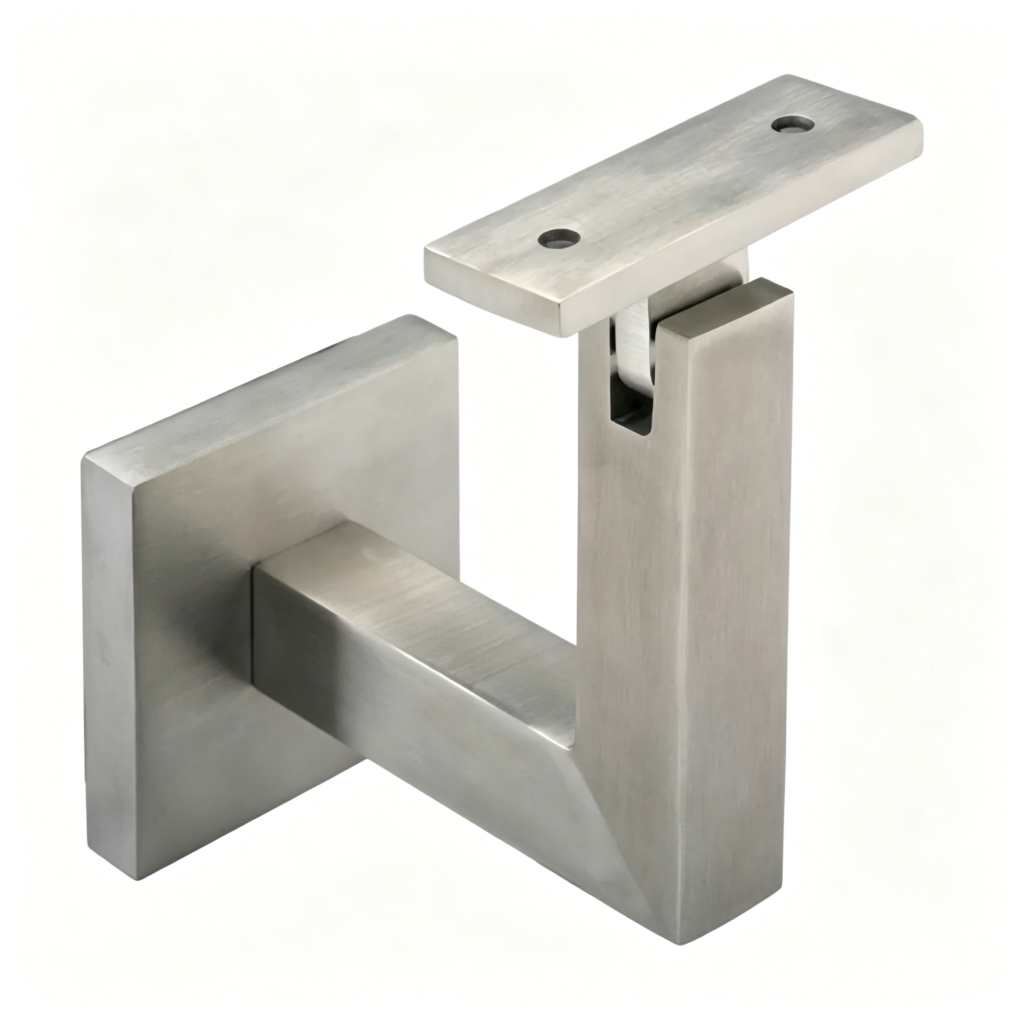
This type of component attaches a railing post to a floor, stair tread, or mounting surface. These brackets typically have a base plate for bolting and a socket or flange for receiving the post. Stainless steel contains at least 10.5 percent chromium, which forms a passive oxide layer on the surface.
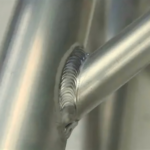
Our welding technique uses shielding gas to protect the molten weld pool from oxygen. This allows the chromium to re form its protective layer as the weld cools. A properly welded stainless steel handrail post bracket will resist rust at the weld line as effectively as the base metal. We also control heat input carefully because too much heat causes chromium carbide precipitation. By using low heat input and proper technique, we prevent this problem on every project.
Why Professional Handrail Post Bracket Welding Defines Safety and Durability?
Many handrail failures occur not at the railing itself but at the connection point where the post meets the mounting surface. A poorly fabricated support creates weak attachment, improper angle alignment, or insufficient load capacity. These defects are often invisible until someone leans on the railing. Over time, repeated loading causes cracks to propagate until the entire handrail system fails.
A properly welded version of this component provides secure attachment that maintains its position through years of use. The stainless steel base material resists corrosion from weather exposure and cleaning chemicals. Our welding process ensures the bracket achieves full strength at all welded joints, preventing the hidden weakness that plagues lower quality components. Additionally, this part is the most critical safety element in any handrail system. Unlike surface mounted brackets that rely only on bolts, a welded assembly distributes loads evenly across the entire connection.
Our shop has invested in precision fixturing and multiple welding stations to produce each unit with consistent quality. Dedicated tooling ensures correct angles and hole alignment for every piece. For production runs of 100 pieces or more, we recommend automated welding. Every handrail post bracket project we undertake begins with a thorough review of material grade, load requirements, and installation conditions. We document all specifications so customers can reorder identical components years later.
Common Bracket Styles We Weld:
We produce several styles of this component to suit different mounting conditions and architectural requirements.
Surface Mount Base Plate Style:
A flat plate with bolt holes welded to a vertical socket or pipe stub. This design is bolted directly to concrete, steel, or wood surfaces. Most common for outdoor decks and industrial platforms.
Side Mount Bracket Style:
Designed to attach to the side of a stringer or beam. This style works well for stairs where surface mounting is not possible. The bracket transfers loads into the structural member effectively.
Shoe Bracket Style:
A heavier duty design with reinforced gussets between the base plate and socket. This version provides extra strength for high traffic areas and commercial applications where safety is paramount.
Adjustable Angle Bracket:
Allows the post to be set at specific angles for ramps or curved stairs. This type requires precise welding to maintain correct alignment for proper railing installation.
Material Selection for Welding:
Not all stainless steel performs equally in every environment. We stock three alloys for these fabrication projects.
304 Stainless Steel:
The standard choice for indoor and general outdoor applications. Good corrosion resistance and excellent weldability make it our most popular material. Used in commercial buildings, factories, and public facilities where typical weather exposure is expected.
316 Stainless Steel:
For marine environments, coastal installations, or areas with chemical exposure. Molybdenum addition significantly improves pitting resistance against chlorides. A 316 version costs more but lasts indefinitely near salt water or in deicing chemical environments. Recommended for boat docks, beachfront properties, and bridge railings.
304L and 316L Low Carbon Grades:
For applications requiring maximum weld integrity. These L grades have lower carbon content that reduces the risk of weld decay. Recommended for high humidity or food processing environments where long term reliability is essential.
Base Plate and Post Connection Methods:
We offer three methods of connecting the post to the base plate for each component.
Full Penetration Butt Weld – For Maximum Strength:
The post sits flush against the base plate or within a counterbore. We weld completely around the post circumference with 100 percent root fusion. This configuration provides the strongest possible connection for this type of bracket. Recommended for commercial railings and high traffic areas.
External Fillet Weld – For Standard Applications:
The post inserts into a socket or recess in the base plate. A single fillet weld around the outside joins the two parts. This design is common for residential and light commercial railings where loads are moderate.
Reinforced Gusset Weld – For Heavy Duty:
After the post is welded to the base plate, triangular gussets are added at the corners. This construction distributes loads over a larger area and reduces stress concentration at critical points. Used for industrial platforms and public walkways requiring extra safety margins.
Welding Processes for Different Material Thicknesses:
We select the optimal process based on your bracket material thickness and production volume for each order.
Manual TIG for 2mm to 5mm Material:
Manual TIG welding gives fine control over the weld puddle and produces the cleanest appearance. For these components, we use amperage between 70 and 130 amps with 1/16 inch 308L or 316L filler rod. Produces smooth welds that require minimal finishing work.
Pulsed MIG for 3mm to 8mm Heavy Duty Brackets:
Pulsed spray transfer reduces spatter and allows higher deposition rates. Our pulsed MIG production runs at 180 to 250 amps with 0.045 inch wire. Most cost effective for handrail post bracket orders over 50 pieces.
Robotic MIG for High Volume Production:
For customers needing 200 or more identical assemblies, robotic welding ensures every joint matches the last in size and appearance. We program weld paths directly from CAD files for perfect repeatability.
Distortion Control During Bracket Welding:
Brackets warp from weld heat because the weld metal shrinks as it cools. A warped base plate will not sit flat against the mounting surface. This is critical for every handrail post bracket produced.
Our solutions include:
- Balanced welding sequence – Weld opposite sides of the bracket in alternating order
- Strongback clamping – Bolt the base plate to a thick steel fixture during welding
- Copper backup bars – Sink heat away from the weld zone to minimize distortion
- Low heat input technique – Use smallest possible filler wire diameter
- Post weld flattening – Light press correction of the base plate if needed
Using these methods, we hold base plate flatness to within 1/32 inch for most handrail post bracket applications.
Common Applications and Industries:
Our clients use this welding service for many purposes across multiple industries.
Commercial Building Stairs:
Office buildings, hotels, and retail spaces require code compliant railings. Our assemblies meet IBC and OSHA standards for load capacity and durability. This is our most common application.
Industrial Platforms and Walkways:
Factories, warehouses, and maintenance platforms need sturdy railings. A heavy duty version for industrial use uses thicker material and reinforced welds for extra safety.
Marine and Dock Railings:
Boat docks, marinas, and waterfront properties face constant salt exposure. A 316 stainless version survives salt spray without rusting. Each unit receives electropolished finish for maximum corrosion protection.
Outdoor Decks and Patios:
Residential and commercial decks require attractive, durable railings. Our version for outdoor use is welded from 304 stainless for excellent weather resistance.
Public Infrastructure:
Bridge railings, transit platforms, and park facilities. Every handrail post bracket for public use must pass rigorous load testing. We document all welds for safety compliance.
Food Processing Facilities:
Sanitary railings in food plants require smooth crevice free welds. Our version for food service is ground smooth and chemically passivated.
Design Recommendations for Better Brackets:
If you are designing parts that will use our welding service, follow these guidelines.
- Base plate thickness – Minimum 6mm for 1.5 inch post, 8mm for 2 inch post, 10mm for 2.5 inch and larger
- Bolt hole spacing – Keep holes at least twice material thickness from plate edges
- Post insertion depth – Post should insert at least 1.5 times its diameter into any socket
- Weld access – Ensure torch can reach the full weld area without obstructions
- Gusset placement – Add gussets at corners for brackets expected to handle over 300 pounds load
- Material matching – Use same stainless grade for post and bracket to avoid galvanic corrosion
We offer free design reviews. Send us a drawing of your handrail post bracket assembly, and we will suggest improvements to reduce welding cost and increase strength.