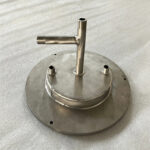
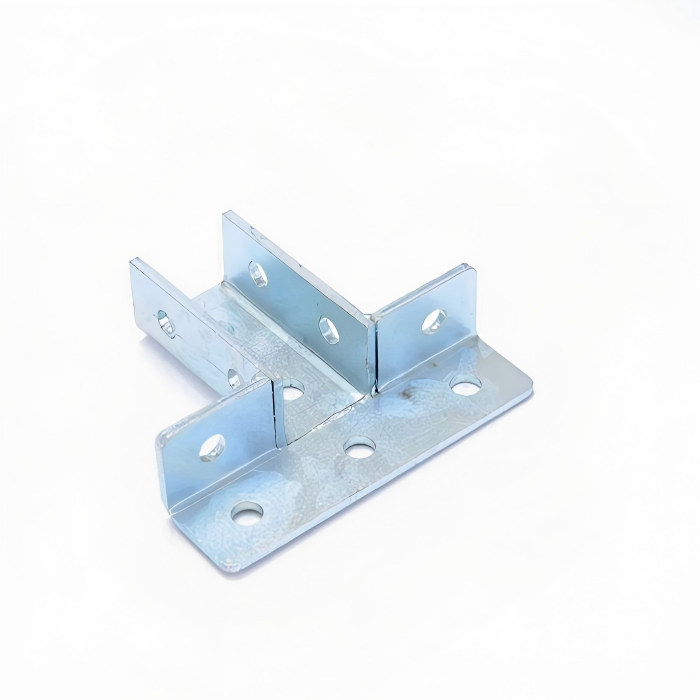
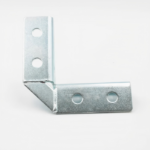
Soudure d'angle de joint en acier inoxydable 304 Fabrication soudée TIG
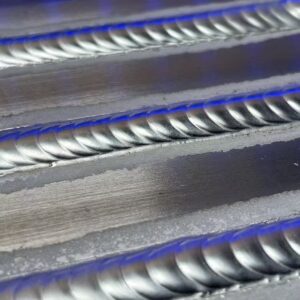
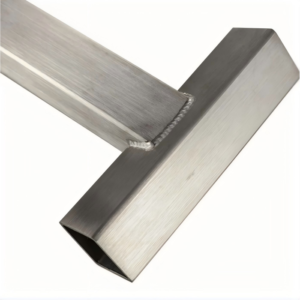
l'angle de soudage de joint d'angle présente une soudure TIG de précision, des joints métalliques solides et des solutions de fabrication fiables pour les cadres structurels.
Request a Quote
Enter the quantity you need and add to your quote list for pricing inquiries.
Product Details
Service professionnel d'angle de soudure d'angle pour cadres structurels et fabrication sur mesure. Angles de 30 à 150 degrés. Soudé TIG en acier inoxydable 304. Pénétration complète.
Pourquoi un angle de soudure d'angle professionnel définit-il la résistance structurelle ?
De nombreuses défaillances structurelles se produisent non pas au centre de la poutre mais aux joints d'angle où deux éléments se rencontrent. Un angle mal soudé crée des concentrateurs de contraintes, une fusion faible ou des angles inexacts. Ces défauts sont souvent invisibles jusqu'à ce que la structure soit sous charge. Avec le temps, les vibrations et le poids provoquent la propagation de fissures jusqu'à ce que le joint échoue complètement.
Un angle de soudure d'angle correctement exécuté fournit une connexion solide et précise qui maintient sa géométrie pendant des années de service. Le matériau de base en acier inoxydable résiste à la corrosion due à l'humidité et aux produits chimiques. Notre processus de soudage garantit que chaque joint atteint une pénétration complète avec un alignement d'angle précis, évitant les faiblesses cachées qui affectent les travaux de moindre qualité. De plus, ce type de joint est essentiel pour maintenir l'équerrage et empêcher le gauchissement dans les cadres et les structures.
Notre atelier a investi dans des fixations de précision, des blocs d'angle et plusieurs postes de soudage TIG pour produire chaque angle de soudure d'angle avec une qualité constante. Un outillage dédié garantit un alignement d'angle correct pour chaque unité. Pour les séries de production de 50 pièces ou plus, nous recommandons le soudage robotisé. Chaque projet que nous entreprenons commence par un examen approfondi des exigences d'angle, du grade de matériau et des conditions de charge.
Qu'est-ce qu'un angle de soudure d'angle ?
Cela fait référence au processus d'assemblage de deux pièces de matériau à un angle spécifique à leurs bords, formant une connexion d'angle. L'angle peut varier de 15 à 150 degrés selon les exigences de l'application. L'acier inoxydable contient au moins 10,5 pour cent de chrome, qui forme une couche d'oxyde passive à la surface. Notre technique de soudage utilise un gaz de protection—de l'argon pur—pour protéger le bain de soudure fondu pendant la fabrication. Cela permet au chrome de reformer sa couche protectrice à mesure que la soudure refroidit.
Un angle de soudure d'angle correctement soudé résistera à la rouille à la ligne de soudure aussi efficacement que le métal de base. Nous contrôlons également soigneusement l'apport de chaleur car trop de chaleur provoque une distorsion qui peut affecter la précision de l'angle. En utilisant un faible apport de chaleur et une technique appropriée, nous évitons ce problème sur chaque angle de soudure d'angle que nous produisons. Le résultat est une connexion d'angle durable et résistante à la corrosion qui fonctionne de manière fiable pendant des décennies.
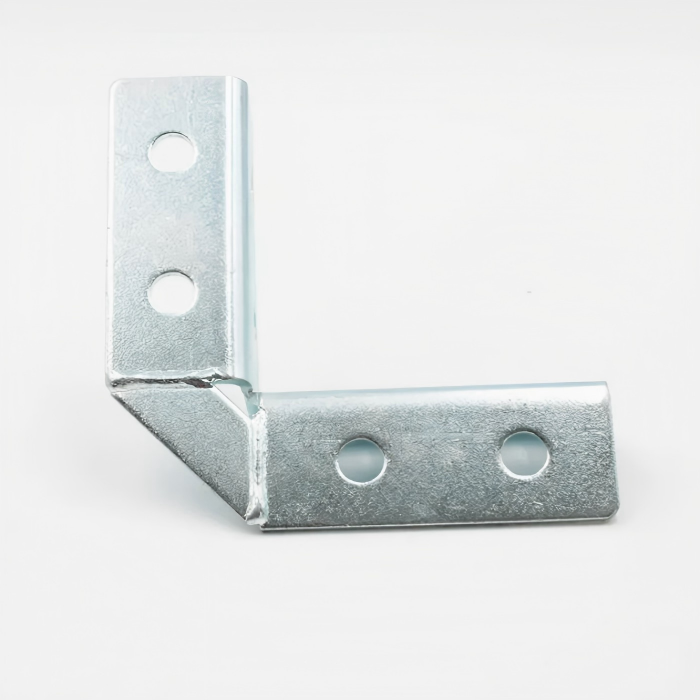
Angles de soudure d'angle courants que nous produisons :
Nous fabriquons des angles de soudure d'angle dans une gamme complète d'angles standard et personnalisés.
Angle aigu de 30 degrés :
Utilisé dans les assemblages de précision et les structures aérodynamiques où une géométrie compacte et des changements de direction serrés sont nécessaires. Courant dans la fabrication spécialisée et les projets d'ingénierie personnalisés.
Coin en onglet à 45 degrés :
Largement utilisé dans les cadres, les conduits et la métallerie décorative, cette configuration crée une transition visuelle nette lorsque deux coupes à 45 degrés forment un joint à 90 degrés.
Coin à 60 degrés :
Fréquemment appliqué dans les cadres de machines et les structures industrielles où la résistance et la stabilité de charge sont importantes tout en maintenant une disposition structurelle ouverte.
Coin à 75 degrés :
Un angle structurel équilibré utilisé dans les assemblages mécaniques et les cadres de support, offrant un compromis entre rigidité et efficacité spatiale.
Coin carré à 90 degrés :
La configuration la plus couramment utilisée dans la fabrication structurelle, les étagères et les cadres d'équipement. Elle offre une performance de charge solide et un alignement de fabrication simple.
Coin obtus à 105 degrés :
Utilisé dans les conceptions structurelles spécialisées et les cadres ergonomiques où la géométrie à angle droit standard ne répond pas aux exigences fonctionnelles ou spatiales.
Coin à 120 degrés :
Adapté aux structures à plusieurs côtés telles que les cadres hexagonaux et les assemblages de grand diamètre, supportant une répartition de charge plus uniforme entre les éléments connectés.
Coin à 135 degrés :
Courant dans les systèmes d'échappement, les assemblages de tuyauterie et les structures de manutention de fluides où des transitions directionnelles plus douces sont nécessaires.
Coin peu profond à 150 degrés :
Utilisé dans les conceptions architecturales et industrielles personnalisées où des transitions d'angle presque plates sont nécessaires pour des dispositions structurelles uniques.
Sélection de matériaux pour l'angle de soudure d'angle :
Nous stockons plusieurs matériaux pour ces projets de fabrication en fonction des exigences de l'application.
Acier inoxydable 304 – Le choix standard pour la plupart des applications industrielles et commerciales. Bonne résistance à la corrosion et excellente soudabilité. Utilisé pour l'angle de soudure d'angle dans la transformation alimentaire, pharmaceutique et la fabrication générale.
Acier inoxydable 316 – Pour les environnements marins, les usines chimiques ou les installations extérieures. L'ajout de molybdène améliore considérablement la résistance aux piqûres. Un angle de soudure d'angle en 316 coûte plus cher mais dure indéfiniment dans des conditions difficiles.
Nuance bas carbone 304L – Pour les applications nécessitant une intégrité de soudure maximale. Une teneur en carbone plus faible réduit le risque de dégradation de la soudure. Recommandé pour l'angle de soudure d'angle utilisé dans les environnements à haute humidité.
Acier inoxydable 316L – Pour les environnements corrosifs avec des exigences de soudage. Combine la résistance à la corrosion du 316 avec un faible carbone pour une meilleure soudabilité dans les applications d'angle de soudure d'angle.
Acier inoxydable 409 – Rentable pour les environnements doux et les gaz d'échappement à haute température. Moins de résistance à la corrosion que le 304 mais adéquat pour les applications sèches.
Méthodes de préparation des coins :
Une préparation correcte des bords est essentielle pour une fabrication de qualité de l'angle de soudure d'angle.
Préparation à bord carré – Pour un matériau jusqu'à 3 mm d'épaisseur. Les deux pièces coupées carrées et aboutées à l'angle souhaité. Cette méthode d'angle de soudure d'angle est rapide et efficace pour les matériaux minces.
Préparation à chanfrein simple – Pour un matériau de 3 mm à 8 mm d'épaisseur. Un bord est chanfreiné à 30 à 45 degrés. Cette préparation d'angle de soudure d'angle permet une pénétration complète sur un matériau plus épais.
Préparation à chanfrein double – Pour un matériau de plus de 8 mm d'épaisseur. Les deux bords sont chanfreinés. Cette méthode d'angle de soudure d'angle permet le soudage des deux côtés pour une résistance maximale.
Préparation à rainure en J – Pour les applications nécessitant une fusion complète de la racine. Profil de rainure courbe. Cette préparation d'angle de soudure de joint d'angle est utilisée pour les applications structurelles critiques.
Procédé de soudage pour l'angle de soudure de joint d'angle :
Nous utilisons le soudage TIG pour une fabrication précise de l'angle de soudure de joint d'angle.
GTAW pour tous les joints d'angle :
Le soudage TIG manuel offre un excellent contrôle de l'apport de chaleur et de la formation de la soudure, garantissant une géométrie de joint précise et une fusion solide. Les paramètres typiques vont de 60 à 140 ampères en utilisant des matériaux d'apport appropriés. Une purge arrière est appliquée lorsque nécessaire pour prévenir l'oxydation interne et maintenir l'intégrité de la soudure.
TIG robotisé pour les séries de production :
Pour les commandes de volume moyen à élevé nécessitant une répétabilité constante, le soudage TIG robotisé assure une qualité de soudure, une pénétration et un aspect uniformes sur tous les assemblages.
Soudage multipasse pour les matériaux épais :
Pour les matériaux d'une épaisseur supérieure à 6 mm, plusieurs passes de soudage peuvent être nécessaires. Les passes de racine, de remplissage et de finition sont soigneusement contrôlées en tenant compte de la température interpasse pour garantir une pénétration complète et une résistance structurelle.
Applications et industries courantes :
Nos clients utilisent ce service à de nombreuses fins.
Fabrication d'acier de structure :
Utilisé dans les cadres de bâtiments, les mezzanines, les plates-formes et les structures porteuses où des connexions d'angle fiables sont essentielles pour la sécurité et les performances à long terme.
Cadres d'équipements et de machines :
Idéal pour les bases de machines industrielles, les boîtiers d'équipements et les structures de support qui doivent résister aux vibrations, aux chocs et aux contraintes opérationnelles continues.
Projets de fabrication sur mesure :
Convient aux conceptions uniques et aux exigences techniques spécialisées où des angles non standard et des géométries uniques sont nécessaires.
Équipement de transformation des aliments :
Utilisé dans les tables de travail en acier inoxydable, les convoyeurs et les systèmes de lavage où des soudures lisses et une construction hygiénique sont requises pour un nettoyage facile et la conformité.
Métallurgie architecturale :
Appliqué dans les rampes, les portails, les façades et les structures décoratives où l'intégrité structurelle et l'apparence visuelle sont importantes.
Automobile et transport :
Utilisé dans les cadres de véhicules, les remorques et les ensembles de montage où les joints soudés doivent résister aux vibrations, à la fatigue et aux charges dynamiques.
Foire aux questions sur les angles de soudure de joint d'angle :
Q1 : Quel est l'angle de soudure de joint d'angle le plus résistant ?
R : L'angle de soudure de joint d'angle à 90 degrés avec une soudure à pleine pénétration offre une résistance maximale pour la plupart des applications structurelles. Une préparation appropriée et la sélection du métal d'apport sont essentielles.
Q2 : Quelle précision pouvez-vous atteindre pour un angle de soudure de joint d'angle ?
R : Notre tolérance standard est de ±0,5 degrés. Un travail de précision peut atteindre ±0,2 degrés pour les applications critiques nécessitant une exactitude exacte de l'angle de soudure de joint d'angle.
Q3 : Quel est le meilleur matériau pour l'angle de soudure de joint d'angle ?
R : Pour la plupart des applications, l'acier inoxydable 304 offre le meilleur équilibre entre résistance à la corrosion, soudabilité et coût pour la fabrication d'angles de soudure de joint d'angle.
Q4 : Pouvez-vous fabriquer des angles de soudure de joint d'angle personnalisés ?
R : Oui. Nous sommes spécialisés dans les angles personnalisés de 15 à 150 degrés. Envoyez-nous vos spécifications pour toute exigence d'angle de soudure de joint d'angle personnalisé.
Q5 : Comment empêchez-vous la déformation dans l'angle de soudure de joint d'angle ?
R : Nous utilisons des séquences de soudage équilibrées, un bridage par contreventement et des techniques à faible apport de chaleur pour contrôler la déformation dans chaque angle de soudure de joint d'angle.