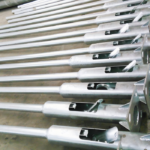
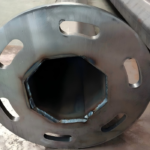
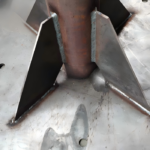
Street Light Pole Structure Welding Service 6mm Thick 304 Stainless with Custom Sizes and Ultimate Durability for Municipal Lighting
Request a Quote
Enter the quantity you need and add to your quote list for pricing inquiries.
Product Details
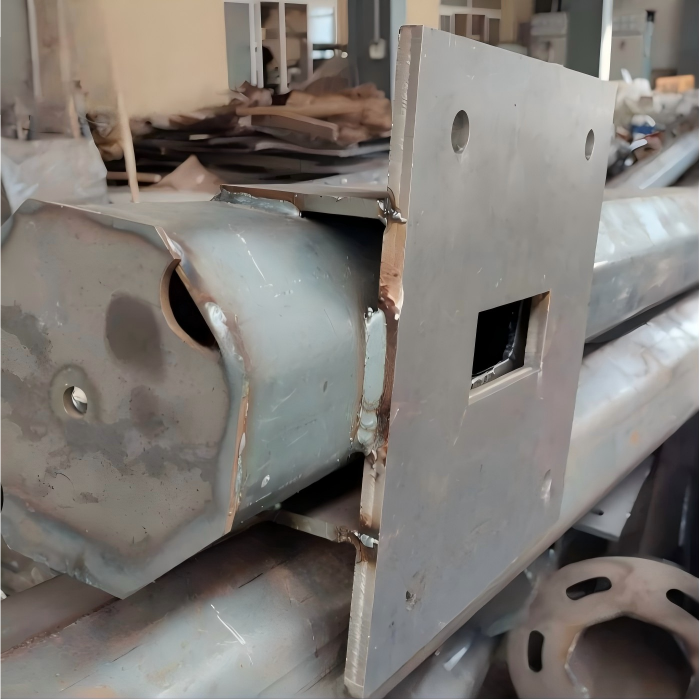
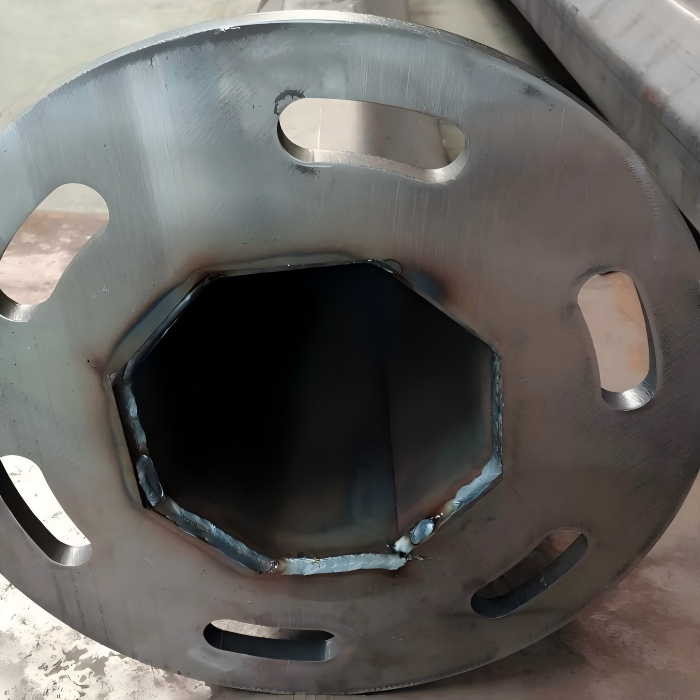
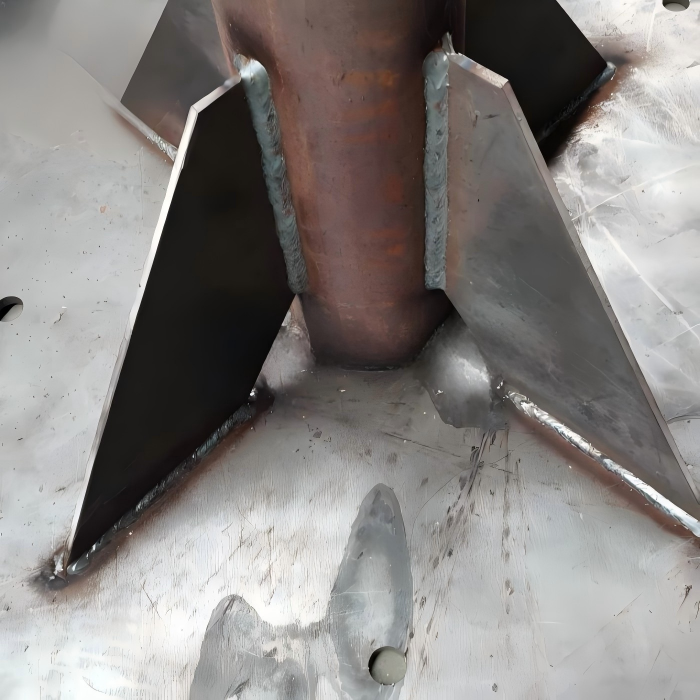
Industrial grade street light pole structure. TIG welded. Stainless steel. Straightness guaranteed. Made for highways, parking lots, and coastal areas.
Why Professional Street Light Pole Structure Welding Defines Public Safety ?
Many lighting infrastructure failures occur not at the luminaire or electrical components but at the pole itself. A poorly fabricated light pole creates weak attachment points, improper alignment, or insufficient wind load capacity. These defects are often invisible until severe weather strikes. Over time, wind loading and vibration cause cracks to propagate until the structure fails completely.
A properly manufactured pole provides reliable support that maintains luminaire position through years of service in all weather conditions. The stainless steel base material resists corrosion from rain, snow, road salts, and coastal air. Our welding process ensures every joint achieves full penetration with smooth external and internal finishes, preventing the hidden weaknesses that plague lower quality alternatives. Additionally, this component is critical for public safety as any failure can cause property damage or personal injury.
Our shop has invested in precision plate rolling equipment, long seam welding fixtures, and multiple TIG welding stations to produce each lighting pole with consistent quality. Dedicated tooling ensures correct taper, straightness, and base plate alignment for every unit. For production runs of 20 pieces or more, we recommend robotic welding. Every pole project we undertake begins with a thorough review of height requirements, wind load ratings, and installation conditions.
What Is a Street Light Pole Structure?
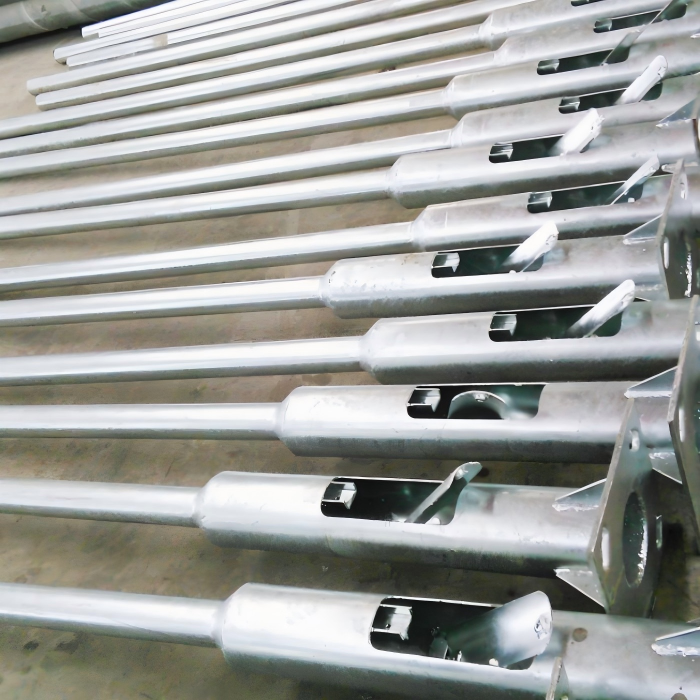
This component is a vertical tapered or straight tubular support that holds lighting fixtures for public roadways, highways, parking lots, and pedestrian areas. These structures typically consist of a base plate for foundation mounting, a tapered tubular shaft, a handhole for electrical access, and a top tenon for luminaire attachment. Stainless steel contains at least 10.5 percent chromium, which forms a passive oxide layer on the surface.
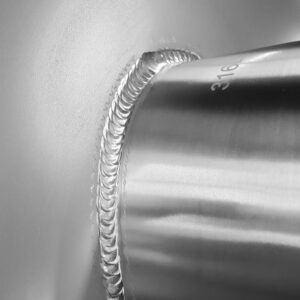
Our welding technique uses shielding gas—pure argon—to protect the molten weld pool during fabrication. This allows the chromium to re form its protective layer as the weld cools. A properly welded street light pole structure will resist rust at the weld line as effectively as the base metal. We also control heat input carefully because too much heat causes distortion that can affect straightness. By using low heat input and proper technique, we prevent this problem on every street light pole structure we produce. The result is a durable, corrosion resistant support that performs reliably for decades.


Standard Height and Size Options:
We produce street light pole structures in a full range of heights for different applications.
12 to 15 Foot Poles – Pedestrian and Residential Areas:
These poles are commonly used along walkways, parks, residential streets, and landscaped public spaces. Their height provides effective illumination for low-speed environments while supporting decorative and architectural lighting fixtures.
18 to 25 Foot Poles – Parking Lots and Local Roads:
Suitable for commercial parking areas, campuses, and local collector roads, this range offers an excellent balance between lighting coverage and mounting height. It is one of the most widely specified options for municipal and commercial projects.
30 to 40 Foot Poles – Arterial Roads and Highways:
Designed for major roadways and higher-speed traffic corridors, these structures provide broader light distribution and reduce the number of installations required over long distances. Enhanced wind-load performance is typically required at these heights.
45 to 50 Foot Poles – High-Mast Applications:
Commonly installed in stadiums, highway interchanges, ports, distribution centers, and industrial facilities, these systems support multiple luminaires from a single mounting structure. Due to their height and loading requirements, specialized foundation engineering is often necessary.
Custom heights are available for any requirement.
Material Selection for Street Light Pole Structure:
We stock several materials for these fabrication projects based on environmental conditions and budget.
304 Stainless Steel – The standard choice for most municipal applications. Good corrosion resistance and excellent weldability make it ideal for street light pole structure fabrication. Used in urban areas, parks, and residential neighborhoods where salt exposure is minimal.
316 Stainless Steel – For coastal environments and areas with heavy deicing salt use. Molybdenum addition significantly improves pitting resistance against chlorides. A 316 street light pole structure costs more but lasts indefinitely in harsh conditions.
304L Low Carbon Grade – For applications requiring maximum weld integrity. Lower carbon content reduces the risk of weld decay. Recommended for street light pole structure used in high humidity environments.
Carbon Steel with Hot Dip Galvanizing – Cost effective alternative for inland applications. Provides good corrosion protection at lower cost than stainless. A galvanized street light pole structure is suitable for most highway and industrial applications.
Welding Process for Street Light Pole Structure:
We use a combination of welding processes for different joints on each street light pole structure.
GTAW for Base Plate Connections:
Manual TIG welding is used for critical structural joints where precise heat control and weld quality are essential. Typical welding parameters range from 100 to 180 amps using 3/32-inch 308L or 316L filler rod, producing strong and reliable base plate connections.
Submerged Arc Welding for Longitudinal Seams:
For extended straight seams, submerged arc welding delivers deep penetration, excellent consistency, and high production efficiency. This process is commonly used for shaft fabrication in large-scale manufacturing environments.
Robotic MIG for Handhole Reinforcements:
Automated welding systems are employed for repetitive reinforcement details such as handhole frames and access openings. Robotic welding ensures consistent weld quality, dimensional accuracy, and repeatable production results.


Common Applications and Industries:
Our clients use this welding service for many lighting infrastructure projects.
Municipal Street Lighting:
Used along city streets, residential roads, and public thoroughfares, these systems are engineered to satisfy applicable wind-load, safety, and durability requirements for municipal environments.
Highway and Interstate Lighting:
Major transportation corridors require taller installations and enhanced structural performance. These applications often utilize heavier wall thicknesses and designs capable of withstanding increased environmental loading.
Parking Lot Lighting:
Commercial, educational, healthcare, and retail facilities rely on properly designed lighting systems to improve visibility, safety, and security throughout parking areas.
Park and Pathway Lighting:
Pedestrian walkways, parks, recreational spaces, and landscaped environments benefit from lower mounting heights and aesthetically designed structures that complement surrounding architecture.
Stadium and Arena Lighting:
Large sports venues, event centers, and entertainment facilities often require high-mast systems capable of supporting multiple luminaires while providing extensive area coverage.
Industrial Facility Lighting:
Manufacturing plants, logistics centers, loading docks, and storage yards demand rugged support structures designed to withstand vibration, environmental exposure, and continuous operation.
Frequently Asked Questions About Street Light Pole Structures:
Q1: What height street light pole structure do I need?
A: For residential streets, 12-15 feet is typical. For parking lots, 18-25 feet is standard. For highways and arterial roads, 30-40 feet is recommended.
Q2: What material is best for a street light pole structure?
A: For most applications, 304 stainless steel offers the best balance of corrosion resistance and cost. For coastal areas, 316 stainless is recommended.
Q3: How much wind load can a street light pole structure handle?
A: Our standard street light pole structure is designed for 100 mph wind load. High wind designs up to 150 mph are available for coastal and hurricane prone areas.
Q4: Can you make a custom height street light pole structure?
A: Yes. We specialize in custom fabrication. Send us your height, wind load, and mounting requirements for a custom street light pole structure quote.
Q5: What is the standard base plate size for a street light pole structure?
A: Base plate size depends on pole height. A 20 foot street light pole structure typically uses a 12×12 inch plate. A 40 foot pole uses an 18×18 inch or larger plate.