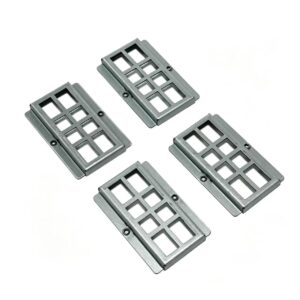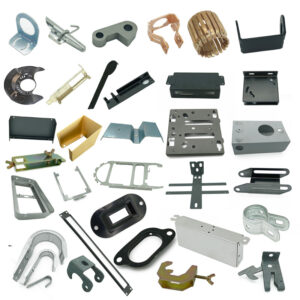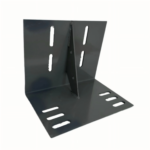
Power Rack Bracket 3mm Thickness Steel Professional Welding Service Anti Rust Coating Industrial Grade
申请报价
输入您需要的数量,并将其添加到您的报价清单,以便查询价格。.
产品详情
Commercial grade power rack bracket manufactured via precision stamping and robotic welding. 5:1 safety factor, powder coated finish. Ideal for home gym and commercial racks. Custom sizes for OEM brands. Shop now for bulk pricing.
What Exactly Is a Power Rack Bracket?
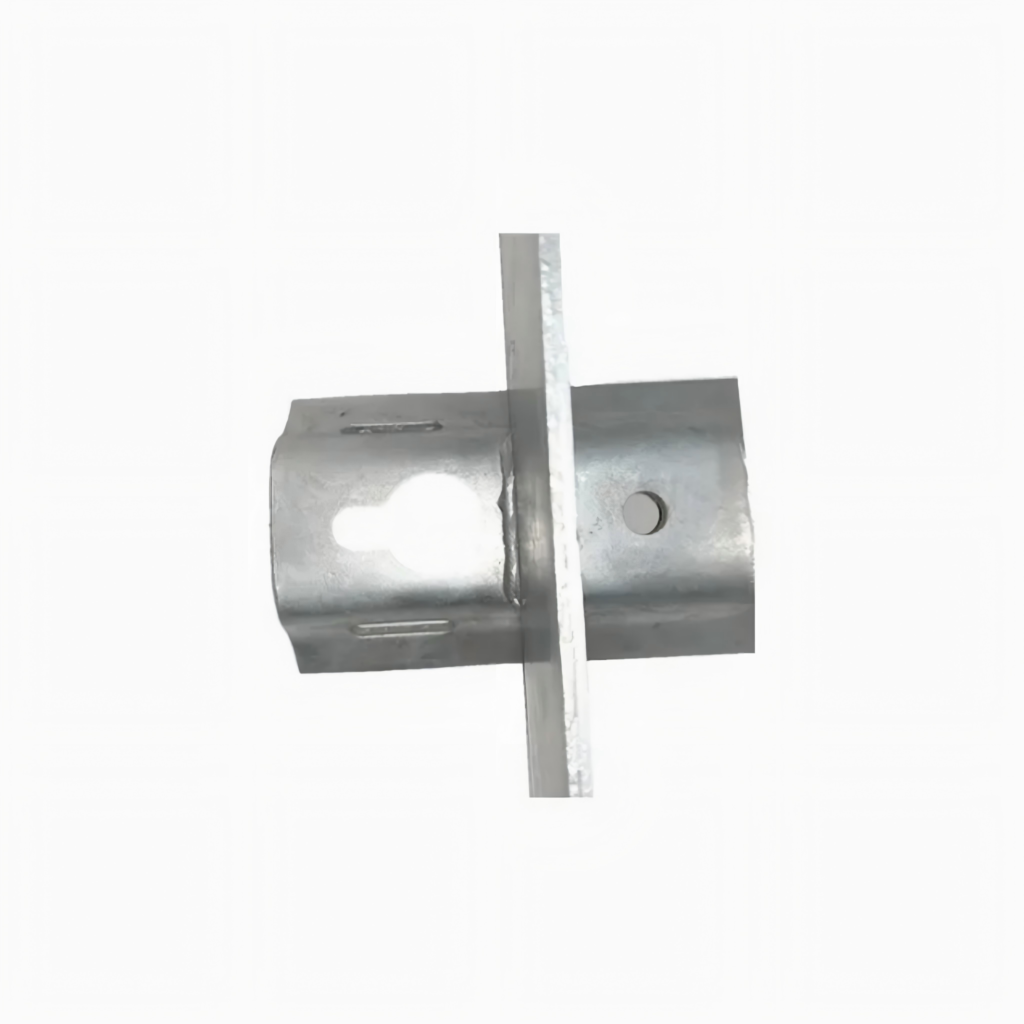
A power rack bracket is a metal fastener or support piece used to connect vertical uprights, horizontal crossmembers, safety spotter arms, and J-hooks within a power rack or half-rack system. Unlike generic angle brackets, it is engineered to handle dynamic, off-center loads and repeated impact from loaded barbells.
The primary functions of a power rack bracket include:
- Structural joining: Securing the rack’s frame to eliminate wobble and flex during heavy squats or bench presses.
- Height adjustment: Engaging with laser-cut holes on uprights, allowing quick repositioning for different users and exercises.
- Load transfer: Distributing force from the barbell, through the spotter arm or J-hook, into the rack upright and finally to the floor.
- Safety locking: Preventing accidental dislodging when a lifter fails a rep – the bracket must hold without bending or shearing.
A poorly made power rack bracket risks catastrophic failure. Therefore, understanding its manufacturing process is essential for any serious equipment buyer.
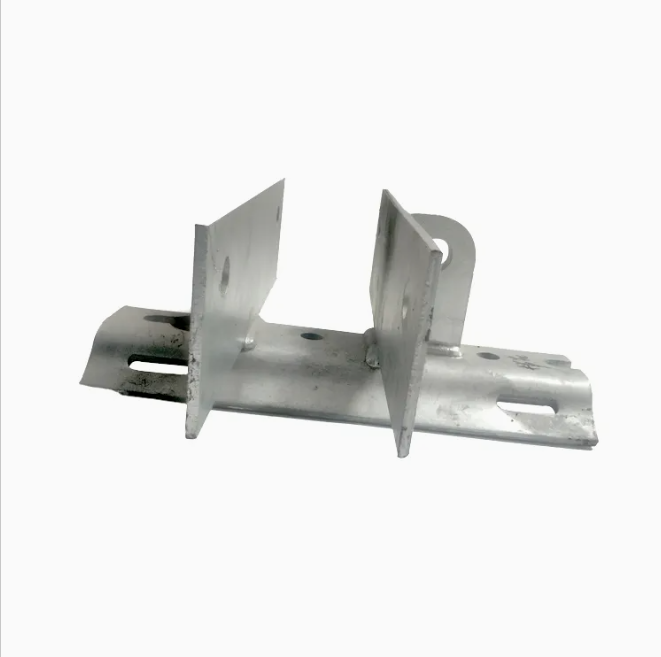
Manufacturing Excellence: The Stamping and Welding Process
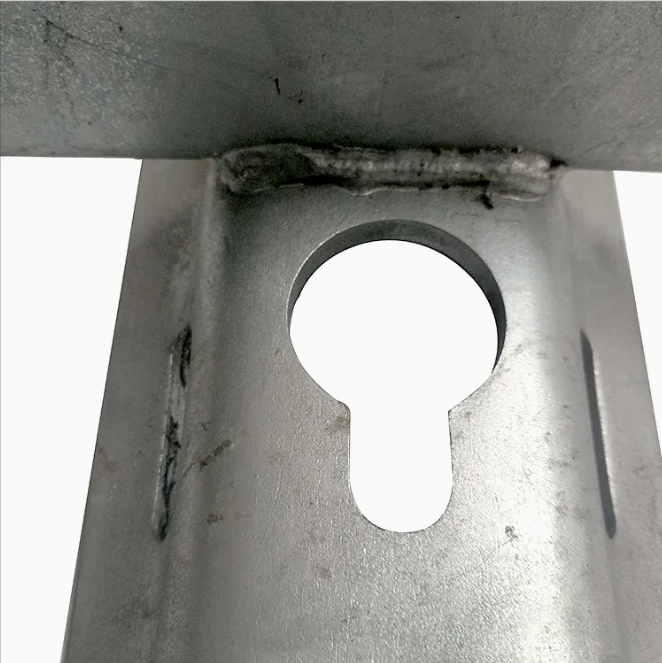
We produce every power rack bracket using a combination of precision metal stamping and high-strength welding. This dual-process approach ensures each piece meets strict dimensional tolerances and mechanical performance standards.
Stage 1: Precision Stamping
Raw material – hot-rolled or cold-rolled high-carbon steel coil – is fed into a large-tonnage press with a progressive die. In a single stroke, the power rack bracket is punched, cut, bent, and formed. Compared to cast iron or simple bent plate brackets, a stamped power rack bracket offers:
- Continuous grain structure: No internal porosity or cold shuts, meaning higher fatigue resistance.
- Consistent thickness: Critical for achieving precise fitment inside rack uprights.
- Complex geometries: Ribs, flanges, and alignment tabs can be formed simultaneously.
- Cost-effective consistency: Ideal for both OEM bulk orders and retail batches.
After stamping, it blank has smooth edges and accurate mounting holes – typically sized for 5/8” or 1” hardware pins.
Stage 2: Robotic Welding (For Composite Brackets)
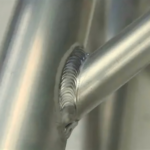
Some designs require a welded assembly, such as a power rack bracket with an integrated gusset or a two-piece ladder-style bracket. For these, we use CO₂ shielded metal arc welding (GMAW) with robotic automation. Every weld on a power rack bracket is subject to:
- Penetrant inspection to detect surface cracks.
- Destructive pull tests on sample pieces – weld strength must reach at least 90% of base material.
- Full penetration on load-bearing seams – no intermittent or skip welds permitted.
The result is a power rack bracket that will bend its parent steel before the weld ever fails.
Material Selection: Why Steel Grade Matters
Not all steel performs the same. This product is manufactured from either:
- A36 structural steel (minimum yield strength 36,000 psi) – suitable for standard home gym racks up to 1,000 lbs load.
- GR50 or 50 ksi steel – used for commercial power rack brackets supporting 1,500+ lbs.
- Q235B or equivalent – common in Asian manufacturing but must be verified via mill certificates.
We exclusively source steel that meets ASTM A36 or higher. Each one batch includes material test reports. For heavy-duty applications, we recommend a power rack bracket with a minimum thickness of 3mm (11 gauge) for light/medium use, and 5mm (7 gauge) or 6mm (1/4”) for commercial or powerlifting spec racks.
Surface Treatment: Rust Prevention and Friction Control
A bare steel power rack bracket will rust quickly in humid gym environments. Our finishing process includes:
- Shot blasting to remove mill scale.
- Electrostatic powder coating (black textured or semi-gloss) – thickness 60-80 microns.
- Zinc plating for indoor racks requiring a silver or yellow finish.
The coating on a power rack bracket serves two purposes: corrosion resistance and controlled friction. Too smooth, and the bracket might slip under load; too rough, and adjustment becomes difficult. Our finishing maintains a coefficient of friction that keeps the power rack bracket securely locked but easily movable by hand.
Load Ratings and Safety Factors:
Every legitimate power rack bracket should be tested to a published working load limit (WLL). As a manufacturer, we rate each one with a 5:1 safety factor. For example:
- A bracket that fails at 10,000 lbs static load is rated WLL 2,000 lbs per bracket.
- Two brackets used as a pair (one per side) provide a total capacity of 4,000 lbs – far above any human lift.
Dynamic loading is more demanding. A dropped barbell can generate instantaneous forces 2-3x the static weight. Therefore, a quality power rack bracket must pass dynamic drop testing from the highest pin position with 800 lbs loaded. We conduct these tests in-house and archive video for customer review.
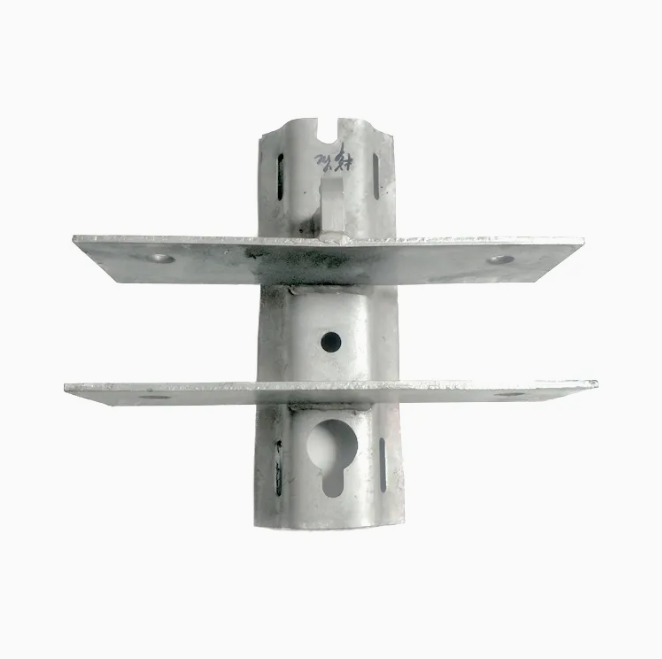
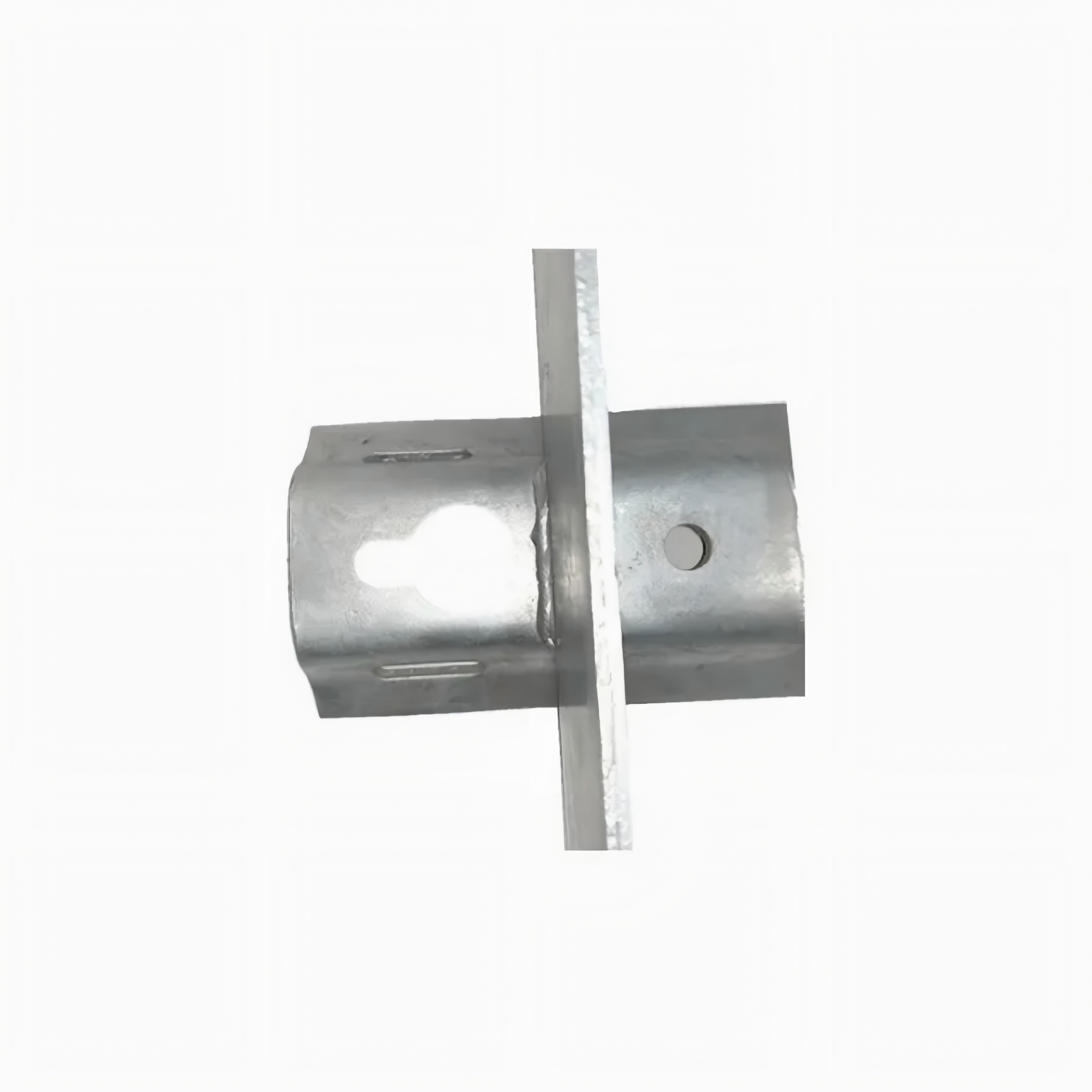
Compatibility: Sizing Your Power Rack Bracket
Choosing the correct power rack bracket involves three dimensions:
- Upright size: Most racks use 2”x2” or 2”x3” (50x50mm or 50x75mm) steel tube. The bracket’s wrap-around or L-shape must match this dimension.
- Hole size and spacing: Standard is 5/8” or 1” hole diameter, with hole spacing 1” or 2” center-to-center. The power rack bracket pin must fit snugly – no more than 0.5mm gap.
- Pin style: Options include spring-loaded detent pins, drop-in hitch pins, or bolted connections. For adjustable brackets, a spring-loaded mechanism is most user-friendly.
Always verify the inner width of it. An oversized power rack bracket will rock; an undersized one will jam.
Common Configurations of Power Rack Bracket:
We manufacture several variations to suit different rack types:
- L-bracket: Simplest design, used for attaching crossmembers to uprights.
- U-bracket or wrap-around bracket: Wraps three sides of the upright – highest stability.
- Gusseted bracket: Adds a triangular rib for additional bending resistance – ideal for safety spotter arms.
- Ladder bracket: Two parallel brackets linked by a plate, used for full rack depth adjustment.
For most commercial and serious home gym applications, the wrap-around power rack bracket with a gusset provides the best combination of safety and ease of use.
Installation Tips for Your Power Rack Bracket:
Proper installation extends the life of any power rack bracket:
- Align the bracket’s mounting hole with the rack’s adjustment holes.
- Insert the pin completely until the detent clicks (for spring pin types) or the cotter pin is engaged (for hitch pin types).
- Ensure the bracket sits flush against the upright – no gap.
- For bolted brackets, torque to 45 ft-lbs for 5/8” hardware, using a split lock washer.
- Never mix different brands of brackets on the same rack unless verified compatible.
Inspect your power rack bracket every three months. Look for bent flanges, elongated pin holes, or cracked welds. Replace immediately if any deformation is visible.