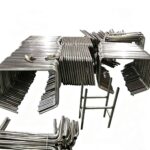
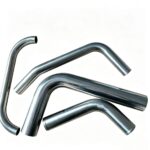
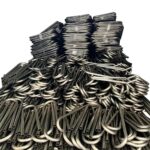
Precision Reliable Pipe Bending & High Quality Custom Tube Fabrication Solutions
申请报价
输入您需要的数量,并将其添加到您的报价清单,以便查询价格。.
产品详情
What is Pipe Bending?
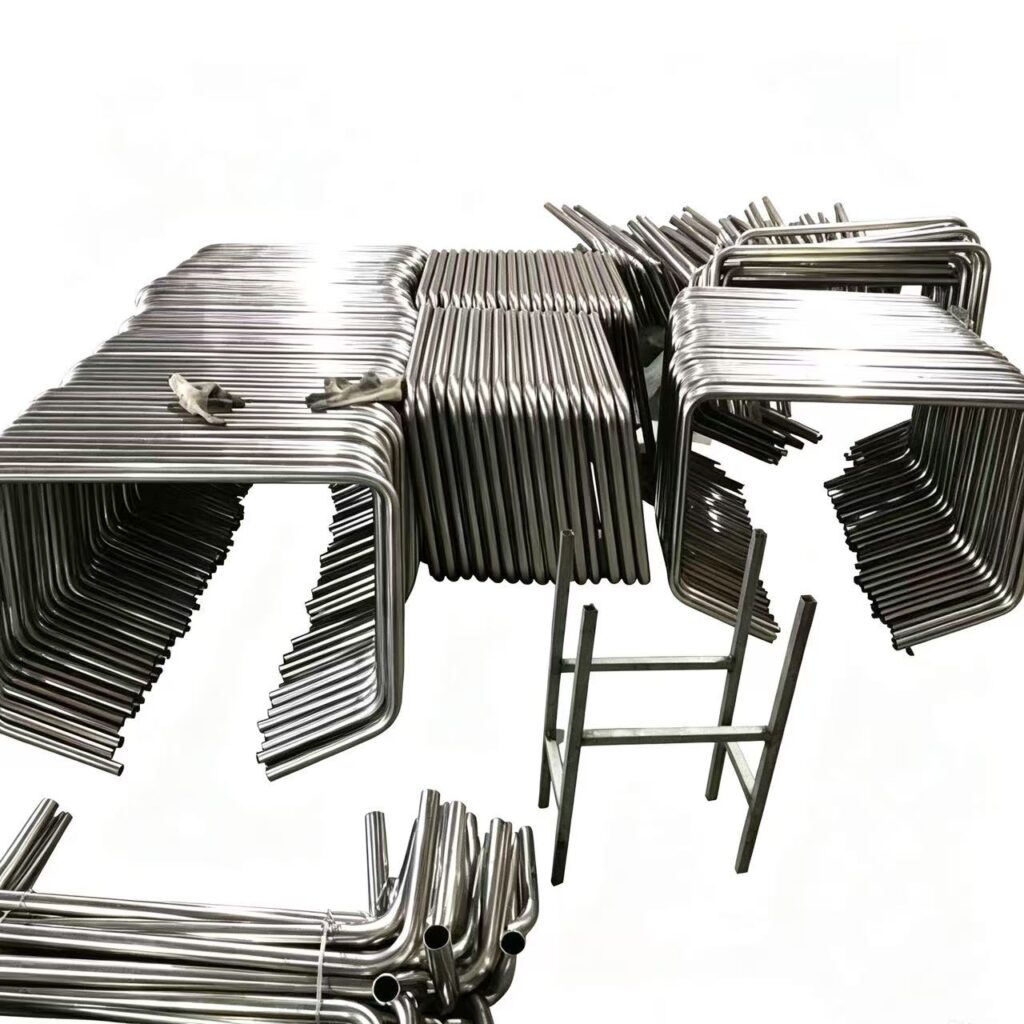
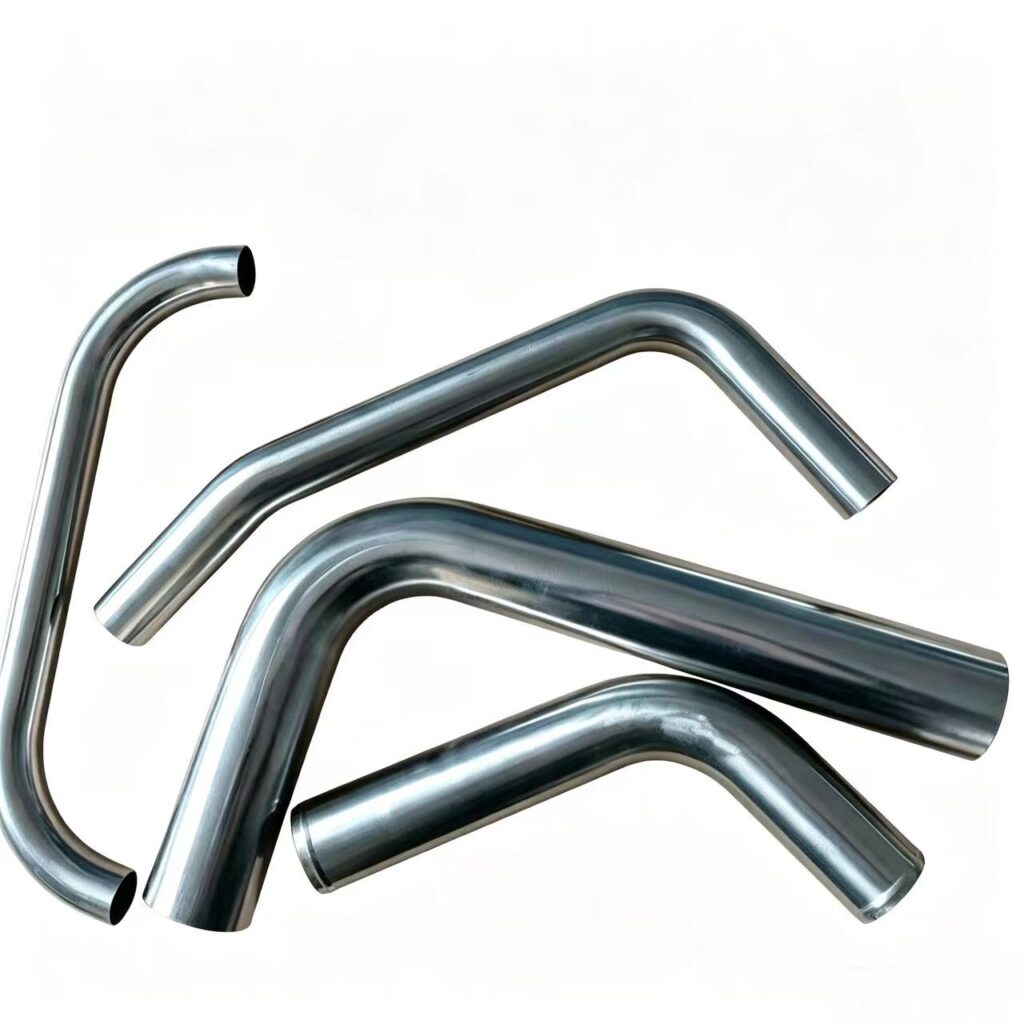
Pipe bending is a metal forming process used to permanently shape a straight pipe or tube into a specific curvature or angle, producing smooth, continuous arcs rather than angled joints created by welding fittings (elbows). Unlike “tube bending,” which focuses on structural or aesthetic applications, pipe bending typically refers to the deformation of hollow sections designed to convey fluids, gases, or slurries under pressure.
The goal of high-quality pipe bending is to achieve the desired geometry without compromising the pipe’s wall thickness, ovality (roundness), or internal flow characteristics. Poor bending techniques can lead to:
– Crimping / Kinking: Collapse of the inner radius.
– Wall Thinning: Excess stretching on the outer radius, weakening pressure ratings.
– Ovality (Flattening): Reduction in cross-sectional area, restricting flow.
At Flow Wing Metal, we engineer bends that maintain structural integrity, pressure capacity, and visual consistency.
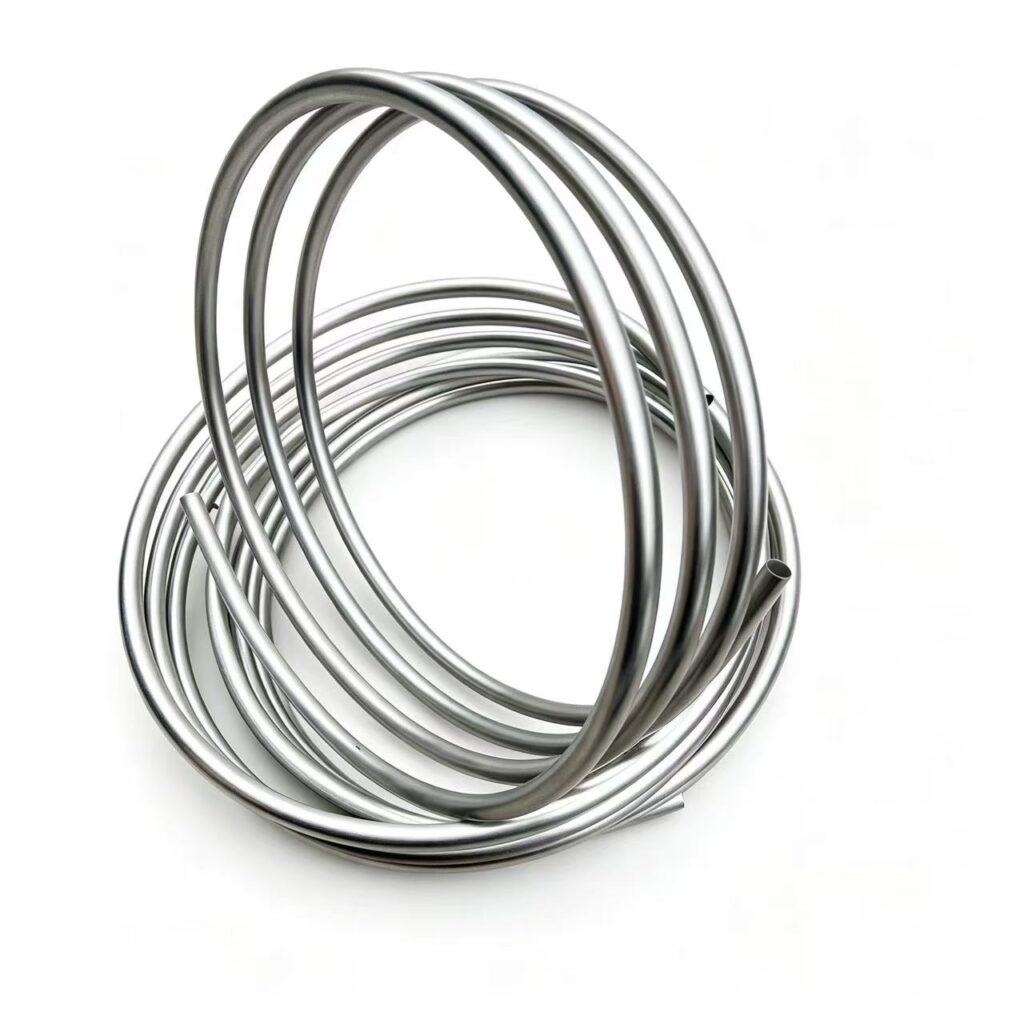
Bending Equipment:
Modern pipe bending relies on specialized machinery calibrated for specific diameters, wall thicknesses, and materials. Flow Wing Metal operates a diverse fleet of bending equipment:
| Equipment Type | Typical Pipe OD Range | Best For |
| CNC Mandrel Benders | 1/2″ – 8″ | Tight radii, thin walls, high-precision repeatability (e.g., automotive, handrails) |
| Rotary Draw Benders | 1″ – 12″ | Heavy-wall pipe, structural frames, hydraulic lines |
| Induction Benders | 4″ – 24″+ | Large-diameter, thick-wall pipe for oil & gas, skids, and industrial loops |
| Roll Benders (Section Benders) | 2″ – 12″ | Large, gentle radii (sweeps) for architectural arches and spiral staircases |
| Hydraulic Ram Benders | 1/2″ – 4″ | Simple 90° bends, U-bends, and site/fabrication shop use |
Bending Methods & Techniques:
Selecting the correct method prevents material failure and ensures production efficiency. Proper techniques are essential for both stainless steel and other metal pipes.
1. Rotary Draw Bending (RDB) for Pipe Bending
The most common and precise method. The pipe is clamped to a rotating die (former) and drawn around a fixed radius. A pressure die and wiper die support the material to prevent buckling during pipe bending.
- Flow Wing Standard: Used for 90% of our stainless steel handrail and process pipe bending projects.
- With or without mandrel: A mandrel (flexible internal rod) is inserted inside the pipe to support the inner wall, critical for thin-wall materials or tight radii (pipe bending radii < 3× OD).
2. Mandrel Bending (CNC) for Pipe Bending
An advanced subset of rotary draw pipe bending. A series of articulated steel balls on a cable (the mandrel) occupies the inside of the pipe during bending. This completely prevents kinking, flattening, and rippling during pipe bending operations.
- Flow Wing Advantage: Achieves radii as tight as 1.5× pipe OD on Schedule 10 316L stainless, which is not possible without a mandrel in pipe bending.
3. Induction Pipe Bending
A heat-assisted pipe bending process where a localized induction coil heats a narrow band of the pipe to 850–1,100°C (1560–2010°F). The pipe is then mechanically pushed or rotated through the coil while a clamping arm creates the curve during pipe bending.
- Why use it? No internal mandrel is needed; it produces consistent wall thickness and virtually no ovality. Ideal for heavy-wall, large-diameter, or coated pipes in pipe bending applications.
4. Roll Bending (Pyramid Rolling) for Pipe Bending
Three adjustable rollers (two lower, one upper) progressively form the pipe into a large-radius curve or full circle. The pipe passes back and forth through the rollers until the desired curvature is achieved in pipe bending.
- Application: Architectural hoops, tank coils, tunnel support ribs, and other pipe bending projects.
Selecting the correct bending method prevents material failure and ensures production efficiency.
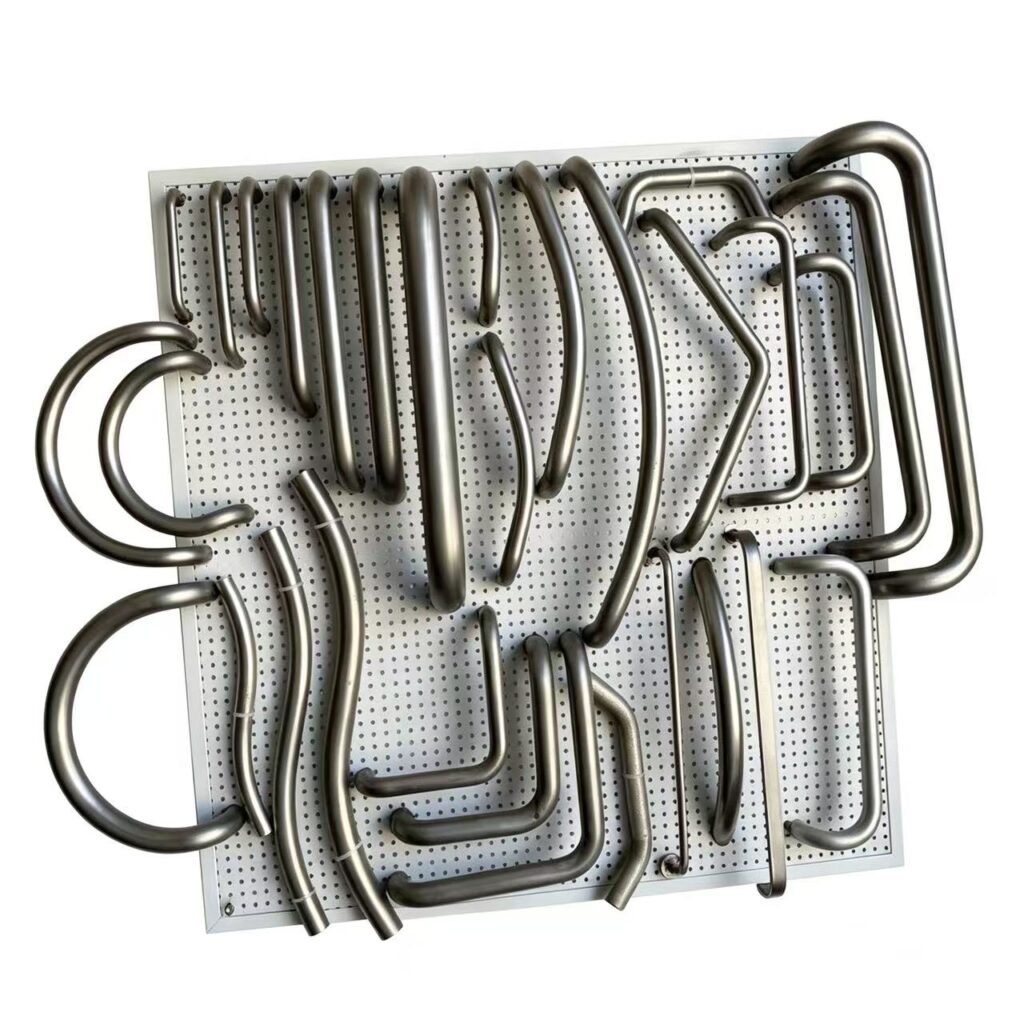
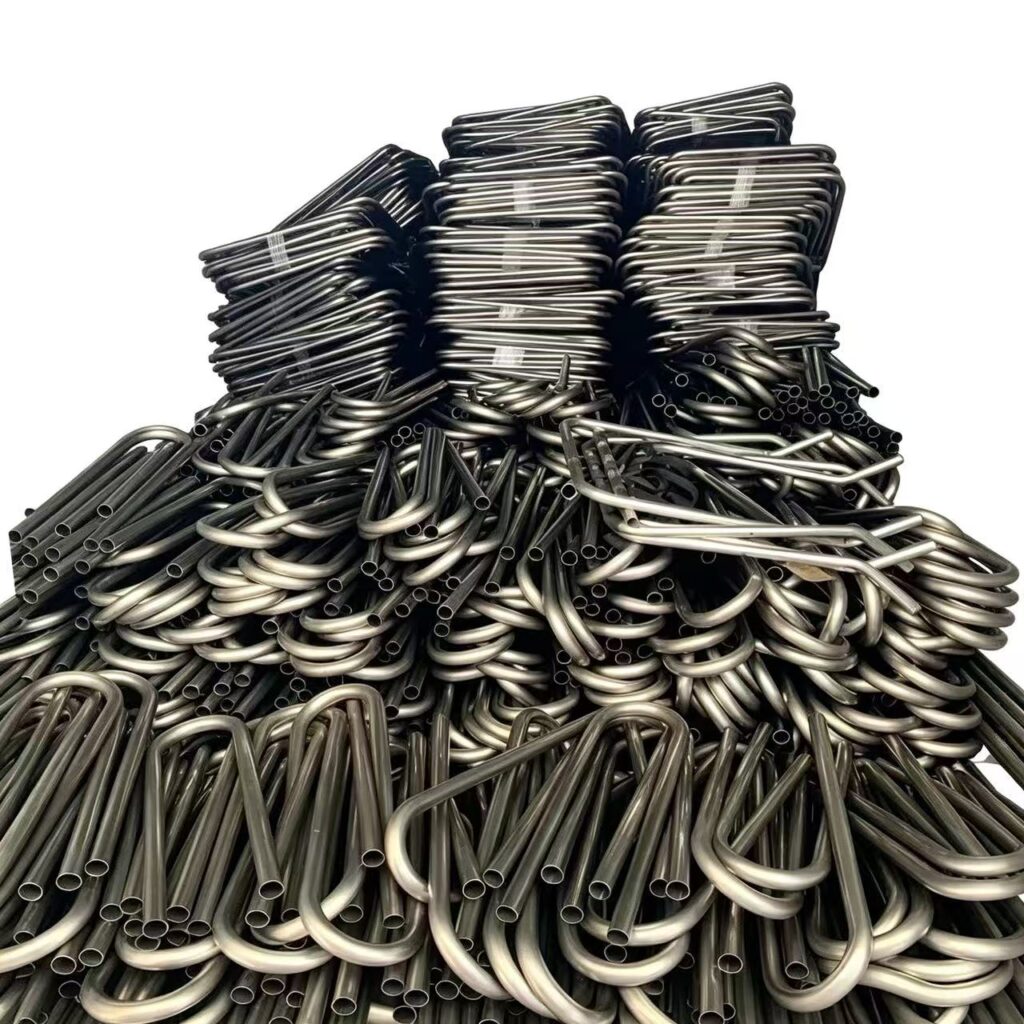
Material Mastery:
Different materials react differently to bending forces. Flow Wing Metal selects lubricants, mandrel configurations, and bend speeds based on material grade.
| Material | Characteristics | Bending Considerations |
| Stainless Steel (304, 304L, 316, 316L) | High strength, work-hardens rapidly, low thermal conductivity | Requires powerful mandrel benders; high-friction lubrication to prevent galling; springback compensation is critical |
| Carbon Steel (A53, A106, API 5L) | Ductile, predictable springback | Standard rotary draw or induction bending; easier to achieve tight radii |
| Aluminum (6061, 6063) | Lightweight, soft, prone to scoring | Requires smooth mandrels and specialized lubricants; lower clamping pressure |
| Copper / Brass | Very soft, excellent ductility | Ram or roll bending with polished dies; often bent without mandrels |
| Duplex / Super Duplex | Very high strength, low ductility | Induction bending recommended; extremely tight process control to avoid cracking |
Surface Finishing Post-Bending:
Bending introduces stresses, lubrication residues, and potential micro-scratches. Flow Wing Metal restores and enhances the pipe surface after every bend.
| Finish | Process | Application |
| Mill Finish (As-Bent) | Removal of lubricants; light surface cleaning only | Internal structural pipes, hidden utility lines |
| Mechanical Polishing | Graduated abrasive belts (80 to 320 grit) blended into the bend radius | Visible architectural railings, food processing equipment |
| Satin (Brushed) Finish | Linear grain applied with non-woven abrasive belts or flap wheels | Elevator interiors, medical gas piping, brewery tanks |
| Mirror (Bright Annealed / #8) | Electrolytic polishing or mechanical buffing to a reflective finish | Decorative columns, pharmaceutical high-purity surfaces |
| Pickling & Passivation | Chemical removal of heat tint (if welded near bends) and restoration of chromium oxide layer | Marine, chemical, and offshore applications where corrosion resistance is critical |
| Powder Coating | Electrostatic application of polymer coating, oven-cured | Outdoor structural pipe, playground equipment, automotive cages |