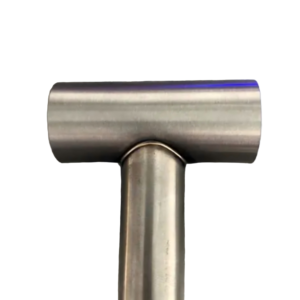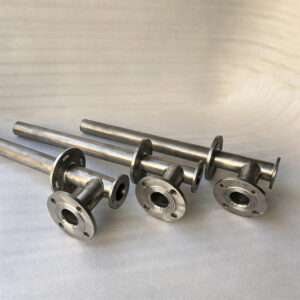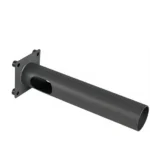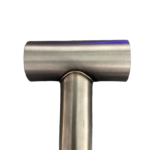
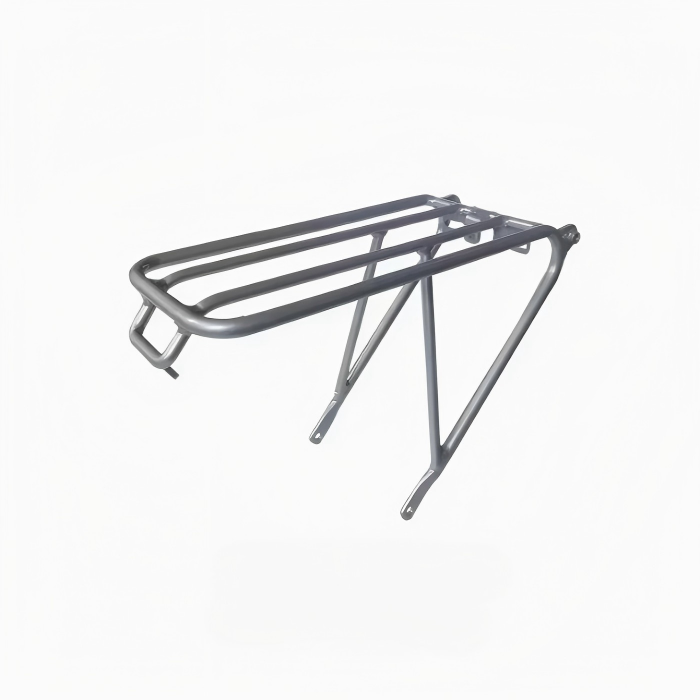

Hochwertiger Titan-Fahrradträger hinten WIG-geschweißte Titan-Konstruktion
Dieser Titan-Fahrradträger hinten wird mit präziser TIG-Schweißtechnologie für Hochleistungsfahrräder und Outdoor-Radsport individuell gefertigt.
Request a Quote
Enter the quantity you need and add to your quote list for pricing inquiries.
Product Details
Warum herkömmliche hintere Gepäckträger nicht ausreichen?
Titanium Bike Rack Rear bietet eine überlegene Lösung im Vergleich zu herkömmlichen Aluminium- und Stahlgepäckträgern. Die meisten konventionellen Fahrradgepäckträger sind durch Materialschwächen eingeschränkt. Aluminiumgepäckträger sind leicht, können aber unter Ermüdungsrissen leiden, insbesondere an Schweißnähten, nach Jahren des Tragens schwerer Lasten auf unebenen Straßen. Stahlgepäckträger bieten hervorragende Festigkeit, fügen jedoch erhebliches Gewicht hinzu, was die Fahrradlast oft um drei bis fünf Pfund erhöht und die Steigungseffizienz sowie das Handling beeinträchtigt.
Im Gegensatz zu Aluminium- und Stahlalternativen vereint der Titanium Bike Rack hohe Festigkeit, Leichtbauweise und außergewöhnliche Haltbarkeit. Titan bietet ein ähnliches Festigkeits-Gewichts-Verhältnis wie Stahl, bleibt aber viel leichter, und es bietet außergewöhnliche Korrosionsbeständigkeit ohne die Notwendigkeit von Farbe oder Schutzbeschichtungen. Selbst in rauen Umgebungen wie Küstenregionen oder bei Langstrecken-Tourenbedingungen behält ein Titan-Heckgepäckträger seine strukturelle Integrität und sein Aussehen über Jahre hinweg.
Der Titan-Vorteil für hintere Gepäckträger:
Titan bietet vier entscheidende Vorteile für den Einsatz als hinterer Gepäckträger.
Erstens, Gewicht. Ein hinterer Titan-Gepäckträger wiegt typischerweise 40 bis 60 Prozent weniger als ein gleich starker Stahlträger. Für einen Touring- oder Pendlerradfahrer verbessert das Einsparen von zwei bis drei Pfund am Heck des Fahrrads die Beschleunigung und das Handling.
Zweitens, Festigkeit. Titan hat ein außergewöhnliches Verhältnis von Festigkeit zu Gewicht. Ein richtig konstruierter Titan-Gepäckträger kann Lasten von über 50 Pfund ohne bleibende Verformung tragen. Das Material hat zudem eine hervorragende Ermüdungsbeständigkeit, sodass es auch nach Tausenden von Kilometern Vibration nicht reißt.
Drittens, Korrosionsbeständigkeit. Titan bildet eine stabile Oxidschicht, die vor allen Formen von Korrosion schützt. Ein Titan-Gepäckträger rostet nie, selbst nach jahrelanger Einwirkung von Regen, Streusalz oder Küstenluft. Keine Lack-, Pulverbeschichtung oder Eloxierung ist erforderlich.
Viertens, Haltbarkeit. Ein Titan-Gepäckträger, richtig geschweißt, wird das Fahrrad überdauern. Viele Radfahrer betrachten Titan-Gepäckträger als lebenslange Anschaffung.
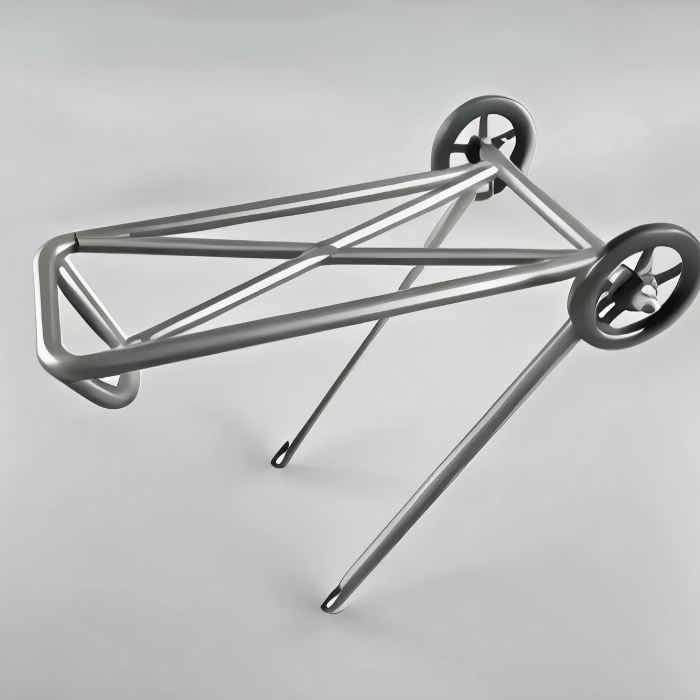
Designmerkmale eines hochwertigen hinteren Titan-Fahrradgepäckträgers:
Ein gut gestalteter Titan-Gepäckträger hinten umfasst mehrere wichtige Merkmale. Die Plattform sollte breit genug sein, um Standard-Packtaschen und Gepäckrollen aufzunehmen. Die typische Breite liegt zwischen 120 mm und 160 mm. Die Länge sollte verschiedene Gepäckrollengrößen aufnehmen können, während sie das Hinterrad freihält.
Befestigungspunkte sind entscheidend. Ein Titan-Gepäckträger hinten muss sicher am Fahrradrahmen befestigt werden. Übliche Montageorte sind Sitzstreben-Lötösen, Sattelstützenklemmen und Ausfallenden-Ösen. Der Gepäckträger sollte mehrere Montagemöglichkeiten bieten, um verschiedene Rahmengcometrien zu passen.
Die Streben oder Stützarme übertragen die Last von der Plattform auf den Rahmen. Bei einem Titan-Gepäckträger hinten sollten diese Streben aus derselben Titanlegierung wie die Hauptstruktur bestehen. Der Strebendurchmesser liegt typischerweise zwischen 8 mm und 12 mm, abhängig von der Lastbewertung.
Schweißverbindungen sind die anfälligsten Punkte an jedem Gepäckträger. Bei einem Titan-Gepäckträger hinten muss jede Schweißnaht vollständig durchgeschweißt und ordnungsgemäß abgeschirmt sein, um Oxidation zu verhindern. Schlechte Schweißnähte versagen unter Last.
Herausforderungen beim Schweißen eines Titan-Gepäckträgers hinten:
Titan stellt ernsthafte Fertigungsherausforderungen dar. Titan ist bei erhöhten Temperaturen hochreaktiv gegenüber Sauerstoff, Stickstoff und Wasserstoff. Beim Schweißen eines Titan-Gepäckträgers hinten muss die Schweißzone vollständig vor atmosphärischer Kontamination geschützt werden. Wenn die Abschirmung versagt, absorbiert das Titan diese Elemente, was zu Versprödung und Rissbildung führt.
Hintere Gepäckträger bestehen aus dünnwandigen Rohren, typischerweise 0,8 mm bis 1,5 mm dick. Dünnes Titan erfordert präzise Hitzekontrolle, um Durchbrennen zu vermeiden. Zudem hat ein Titan-Gepäckträger hinten mehrere Verbindungen: Plattform zu Streben, Streben zu Befestigungslaschen und Befestigungslaschen zur Hauptstruktur. Jede Schweißnaht muss solide sein, um Vibrationen und Lastwechseln standzuhalten.
Aus diesen Gründen sollte ein Titan-Gepäckträger hinten nur von Schweißern gefertigt werden, die Erfahrung mit reaktiven Metallen haben. Allgemeine Schweißwerkstätten haben selten die Ausrüstung oder Ausbildung für Titan.
Critical Steps for Welding a Titanium Bike Rack Rear:
Successful fabrication of a titanium bike rack rear begins long before the arc is struck:
Material selection: Grade 2 commercially pure titanium or Grade 9 (3Al-2.5V) titanium is commonly used for a titanium bike rack rear. Grade 2 offers excellent formability and weldability. Grade 9 provides higher strength while maintaining good ductility.
.
Tube preparation: Titanium tubes must be cut square, deburred, and cleaned inside and out. Use acetone or isopropyl alcohol followed by a dedicated stainless steel brush used only on titanium. Never use tools that have touched steel.
.
Fit-up: For a titanium bike rack rear, joint gaps should not exceed 0.5mm. Use fixtures to maintain alignment. Poor fit-up leads to burn-through or incomplete fusion.
.
Back-purging: For critical joints, the inside of tubes should be purged with pure argon at 99.999 percent purity. Without back-purging, the root side of the weld oxidizes, creating a brittle layer that cracks under load.
.
Torch setup: Gas tungsten arc welding (GTAW/TIG) is the only process recommended for a titanium bike rack rear. Use a 2 percent ceriated or lanthanated tungsten electrode. A gas lens improves coverage. Set post-flow to at least 15 seconds.
.
Common Defects in Titanium Bike Rack Rear Welding:
Even experienced welders may encounter defects when fabricating a titanium bike rack rear:
Oxidation and discoloration: Silver or light straw welds indicate proper shielding. Blue, purple, or grey means contamination requiring weld rejection. A titanium bike rack rear with oxidized welds will fail under load.
.
Burn-through: Excessive heat creates holes in thin tubing. Reduce amperage or increase travel speed. Burn-through typically means scrapping the part.
.
Incomplete penetration: The weld does not fully bond through the tube wall. This results in weak joints. Adjust parameters and refit the joint.
Cracking: Hydrogen embrittlement or rapid cooling causes cracks. Ensure thorough cleaning and adequate post-flow.
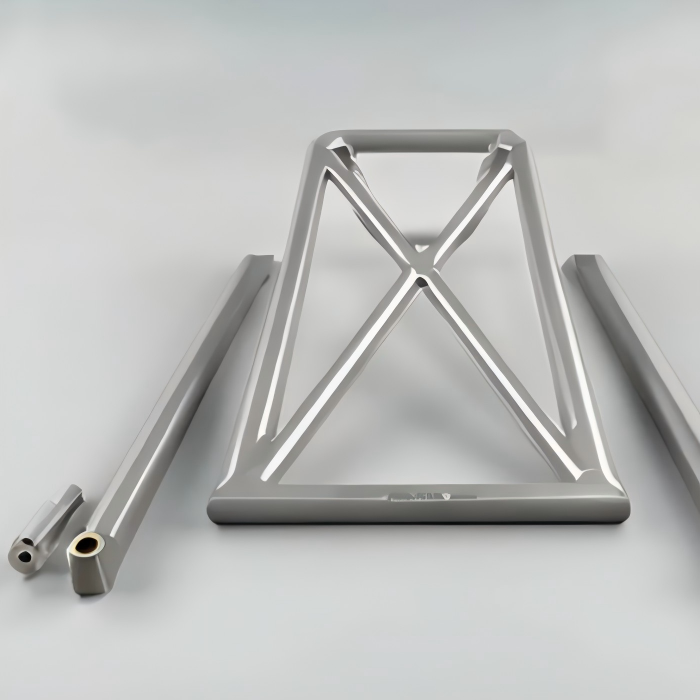
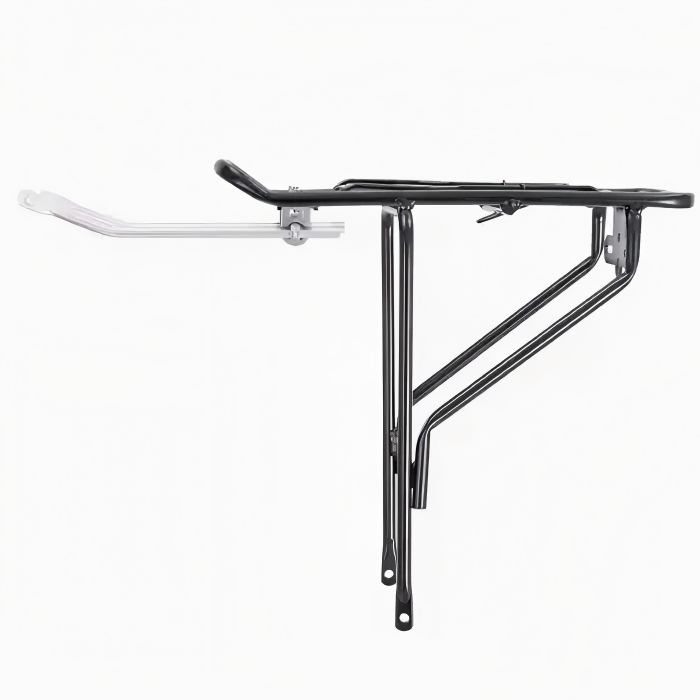
Applications and Market Demand:
Die Nachfrage nach einem hochwertigen Titan-Gepäckträger hinten erstreckt sich über mehrere Märkte. Tourenradfahrer benötigen Gepäckträger, die schwere Lasten über Tausende von Kilometern ohne Ausfall tragen. Pendler wünschen sich leichte Gepäckträger, die durch tägliche Witterungseinflüsse nicht rosten. Bikepacker und Abenteuerradfahrer benötigen Gepäckträger, die rauem Gelände standhalten.
Auch Besitzer von Elektrofahrrädern profitieren von einem Titan-Gepäckträger hinten. E-Bikes sind von Haus aus schwer, daher hilft Gewichtseinsparung am Gepäckträger. Die Korrosionsbeständigkeit ist auch für E-Bikes wertvoll, die bei Nässe genutzt werden.
Fazit:
Ein Titan-Gepäckträger hinten stellt den ultimativen Ausdruck von Fahrradnutzen dar. Wenn er von erfahrenen Fachleuten korrekt geschweißt wird, bietet er unübertroffene Gewichtseinsparung, dauerhafte Korrosionsbeständigkeit und jahrzehntelangen zuverlässigen Dienst. Für Radfahrer, die das Beste verlangen, ist Titan die klare Wahl.
Häufig gestellte Fragen zum Titan-Gepäckträger hinten:
F1: Ist ein Titan-Gepäckträger hinten den Mehrpreis im Vergleich zu Aluminium oder Stahl wert?
A: Ja für ernsthafte Radfahrer. Ein Titan-Gepäckträger hinten hält ein Leben lang, rostet nie und wiegt 40 bis 60 Prozent weniger als Stahl, während er stärker als Aluminium ist.
F2: Wie viel Gewicht kann ein Titan-Gepäckträger hinten sicher tragen?
A: Ein ordnungsgemäß geschweißter Titan-Gepäckträger hinten kann je nach Design und Montagekonfiguration sicher 50 bis 70 Pfund tragen.
F3: Passt ein Titan-Gepäckträger hinten an jedes Fahrrad?
A: Die meisten Titan-Gepäckträger hinten sind für Standardbefestigungspunkte ausgelegt. Kundenspezifische Anfertigung ist für Rahmen mit nicht standardmäßiger Geometrie verfügbar.
F4: Erfordert ein Titan-Gepäckträger hinten besondere Wartung?
A: Es ist keine Wartung erforderlich. Titan rostet oder korrodiert nie, daher ist nie eine Lackierung oder Beschichtung nötig.
F5: Kann ein beschädigter Titan-Gepäckträger hinten repariert werden?
A: Ja, aber nur von einem Schweißer mit Erfahrung in dünnwandigen Titanrohren. Allgemeine Schweißwerkstätten können keine Titanreparaturen durchführen.