Servicios de soldadura de aluminio 6061 T6 GTAW, soldaduras aeroespaciales anti-deformación
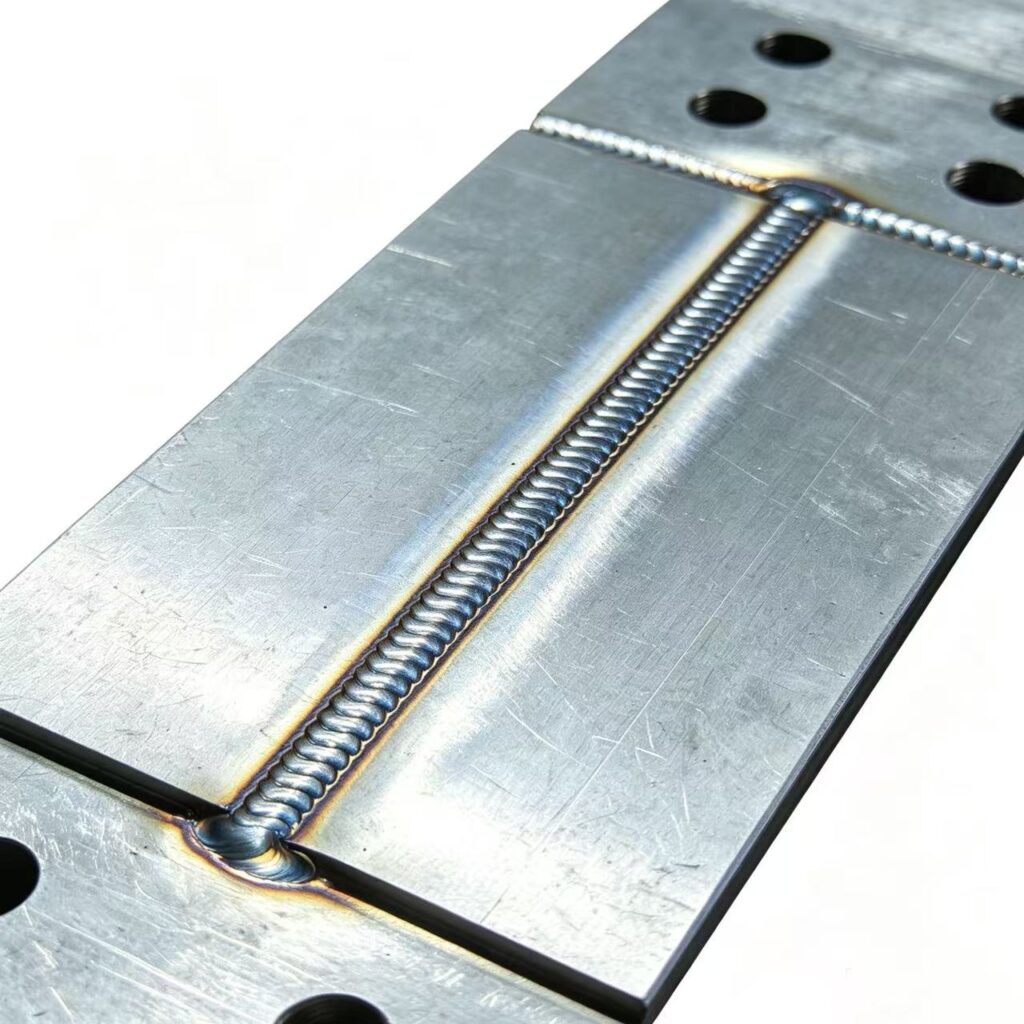
El servicio de soldadura GTAW de aluminio proporciona soldadura TIG de precisión para componentes de 6061-T6 con soldaduras limpias y resistentes para uso aeroespacial e industrial.
Request a Quote
Enter the quantity you need and add to your quote list for pricing inquiries.
Product Details
¿Qué es la soldadura GTAW de aluminio?
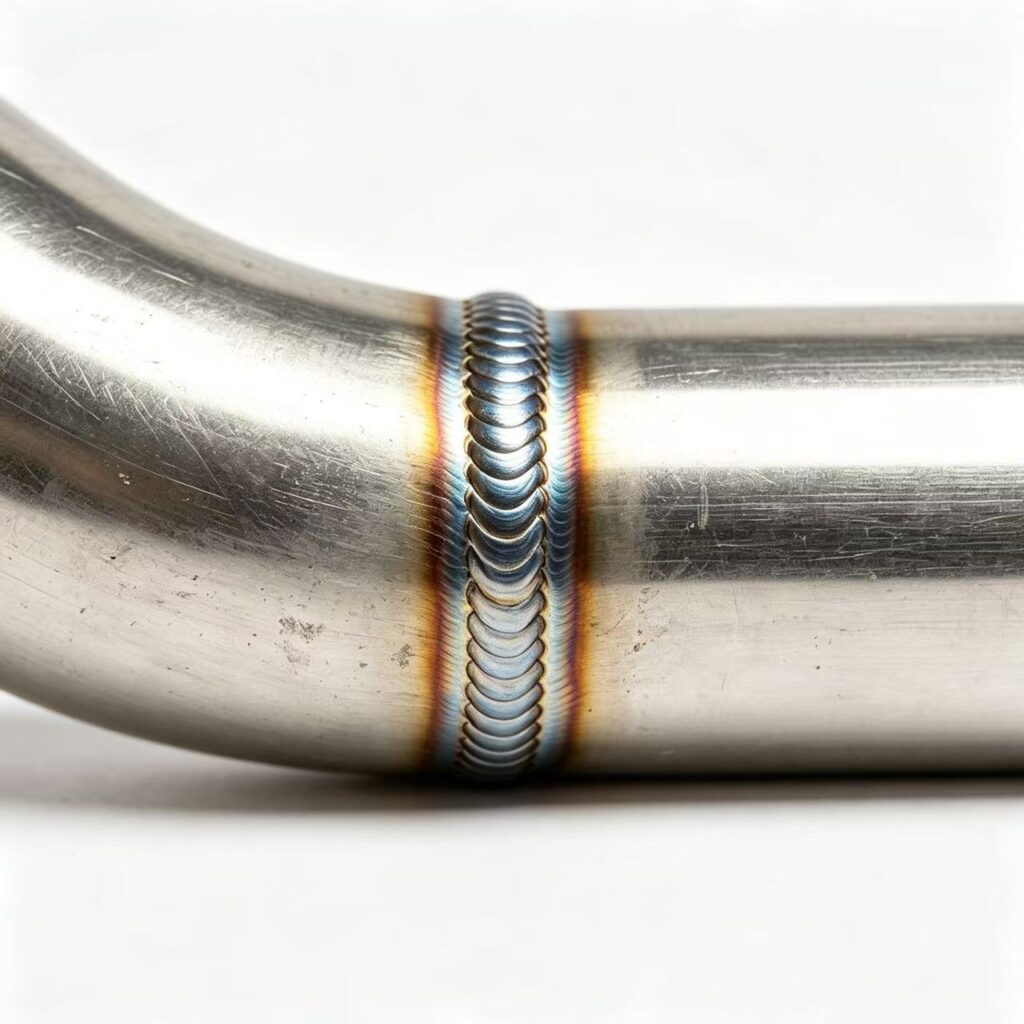
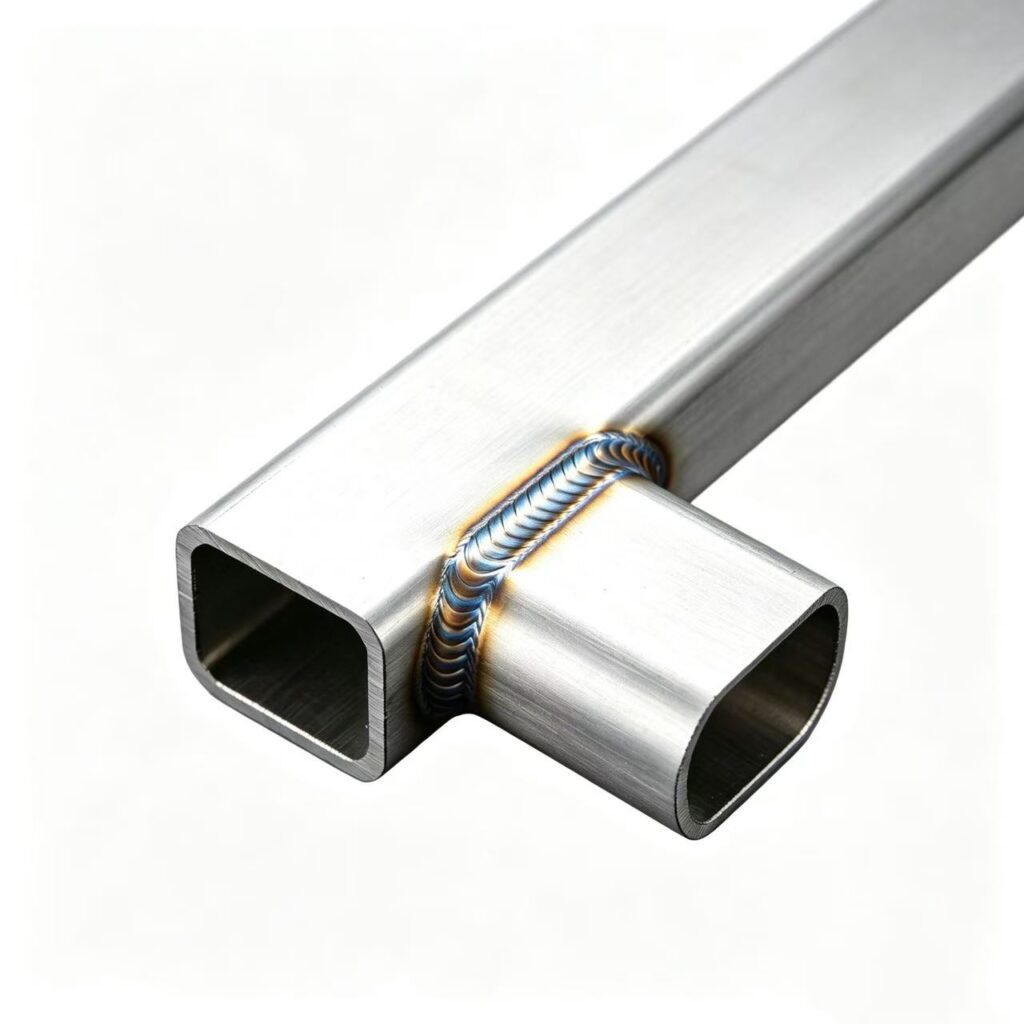
La soldadura por arco de tungsteno con gas (GTAW), también conocida como tungsteno con gas inerte (TIG), es un proceso de soldadura por arco de precisión utilizado para unir aluminio y sus aleaciones. Utiliza un electrodo de tungsteno no consumible para crear el arco y un gas de protección inerte (típicamente 100% de argón o mezclas de argón/helio) para proteger el baño de soldadura fundido de la contaminación atmosférica. Para el aluminio, se utiliza principalmente corriente alterna (CA). El ciclo de CA proporciona una acción de limpieza (durante la mitad del electrodo positivo) que descompone la tenaz capa de óxido del aluminio, mientras que la mitad del electrodo negativo permite una penetración profunda y un arco estable. Este proceso es reconocido por producir soldaduras de alta calidad, limpias y resistentes con un excelente atractivo estético y mínimas salpicaduras.
Consideraciones del material (Aleaciones de aluminio para soldadura GTAW de aluminio):
Las aleaciones de aluminio se clasifican por series, cada una con una soldabilidad distinta que impacta directamente en el éxito de la soldadura GTAW de aluminio:
- Serie 1xxx (ej., 1060): >99% de aluminio puro. Excelente soldabilidad para soldadura GTAW de aluminio, alta conductividad térmica, pero baja resistencia.
- Serie 2xxx (ej., 2024, 2219): Aleaciones de cobre-aluminio. Alta resistencia pero generalmente considerada de pobre soldabilidad para soldadura GTAW de aluminio debido a la susceptibilidad al agrietamiento en caliente. Requiere metales de aporte específicos y procedimientos especializados (ej., relleno 2319 o 4043) para una soldadura GTAW de aluminio exitosa.
- Serie 3xxx (ej., 3003): Aleaciones de manganeso-aluminio. Buena soldabilidad para soldadura GTAW de aluminio, resistencia moderada, utilizado para fabricación general donde se requiere soldadura TIG de aluminio.
- Serie 5xxx (ej., 5052, 5083, 5086, 6061): Aleaciones de magnesio-aluminio. Excelente soldabilidad y las aleaciones estructurales más comúnmente soldadas para soldadura GTAW de aluminio. Ofrecen buena resistencia y resistencia a la corrosión, especialmente en entornos marinos donde la soldadura TIG de aluminio se aplica ampliamente.
- Serie 6xxx (ej., 6061, 6082): Aleaciones de magnesio-silicio (ej., 6061-T6). Muy comunes para aplicaciones estructurales que requieren soldadura GTAW de aluminio. Buena soldabilidad para soldadura TIG de aluminio pero propensas al agrietamiento en caliente y pérdida de temple (resistencia) en la Zona Afectada por el Calor (ZAC). Puede ser necesario un tratamiento térmico posterior a la soldadura para aplicaciones críticas de soldadura TIG de aluminio. Los metales de aporte 4043 o 5356 son estándar para soldadura TIG de aluminio en esta serie.
- Serie 7xxx (ej., 7075): Aleaciones de zinc-aluminio. Muy alta resistencia pero soldabilidad extremadamente pobre para soldadura por fusión, incluyendo soldadura TIG de aluminio; utilizado principalmente en estructuras aeroespaciales remachadas en lugar de soldadura TIG de aluminio.
Preparación y manejo del material:
- Limpieza: Fundamental para el éxito. Todos los aceites, grasas y la capa de óxido deben eliminarse.
- Desengrasado: Use acetona o un limpiador de aluminio dedicado.
- Eliminación de óxido: Retire mecánicamente con un cepillo de alambre de acero inoxidable dedicado o trate químicamente. La capa de óxido se funde a ~2050°C, mientras que el metal base se funde a ~660°C, por lo que su eliminación es esencial.
- Diseño de la junta: Son comunes las juntas a tope cuadradas, en V, en T y traslapadas. Un ajuste adecuado con un espacio mínimo es crucial.
- Precalentamiento: Para secciones gruesas (>6 mm o 1/4 de pulgada), el precalentamiento a 150-250°C (300-500°F) ayuda a reducir el gradiente térmico, minimiza el riesgo de agrietamiento y asegura una fusión adecuada. Nota: Para la serie 6xxx, mantenga el precalentamiento por debajo de 250°C para evitar efectos metalúrgicos perjudiciales.
- Selección del metal de aporte: Debe ser compatible con la aleación base.
- 4043: Uso general, buena fluidez, menos agrietamiento con la serie 6xxx, se anodiza a un color gris.
- 5356: Mayor resistencia (como se suelda), mejor coincidencia de color para anodizado, excelente para la serie 5xxx. No se recomienda para servicio sostenido a alta temperatura (>65°C).
Campos de aplicación principales:
- Aeroespacial: Fuselajes de aeronaves, tanques de combustible, componentes (ej., usando 2024, 2219, 6061, 7075). Exige los más altos estándares de calidad.
- Marina y construcción naval: Cascos, superestructuras, cubiertas, mástiles (principalmente aleaciones de las series 5xxx y 6xxx como 5086, 6082).
- Automotriz y carreras: Chasis de alto rendimiento, jaulas antivuelco, colectores de admisión, intercoolers, componentes de suspensión (a menudo 6061-T6).
- Tuberías de proceso y recipientes a presión: Para las industrias química, criogénica y de alimentos/bebidas (aleaciones como 6061, 5083).
- Arquitectónico y estructural: Pasamanos, muros cortina, estructuras espaciales, elementos decorativos.
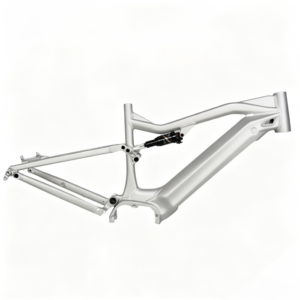
- Fabricación de bicicletas: Cuadros de bicicletas de alta gama (6061-T6, 7005).
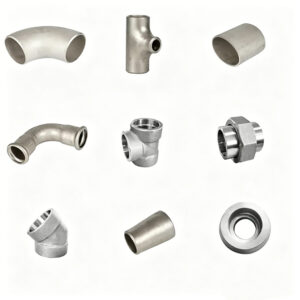
- Semiconductores y alta pureza: Tuberías y cámaras ultra limpias para la fabricación de chips.
Caso de éxito: Componentes aeronáuticos Flow Wing
Cliente: Una empresa de sistemas UAV de alto rendimiento
Desafío: Durante la fabricación del fuselaje ligero para su nuevo dron “X8” (lanzado en 2023), Summit enfrentó desafíos significativos. El uso de procesos de soldadura TIG tradicionales en juntas críticas de aleación de aluminio 6061-T6 resultó en una tasa de desecho de hasta el 22% para componentes debido a distorsión y tensión residual inaceptables, impactando severamente la alineación estructural y el rendimiento aerodinámico.
Intervención de Flow Wing: En el cuarto trimestre de 2022, Summit contrató a Flow Wing como su consultor de ingeniería de soldadura. El equipo de Flow Wing implementó una estrategia de nivel experto denominada “Control de simetría termodinámica”, que incluía:
Diseño de dispositivo de contradistorsión preestablecido: Los dispositivos personalizados aplicaron una predeformación precisa a los componentes antes de soldar.
TIG pulsado con secuencia de soldadura segmentada progresiva: Redujo la entrada total de calor en un 35% y controló estrictamente la distribución del calor a través de una secuencia rigurosa.
Monitoreo infrarrojo en tiempo real y retroalimentación de bucle cerrado: Ajustó dinámicamente los parámetros durante la soldadura para garantizar un campo térmico uniforme.
Resultados: Para el segundo trimestre de 2023, estas estrategias se implementaron completamente en la línea de producción. La distorsión posterior a la soldadura de los componentes se redujo en más del 90%, y la tasa de desecho se desplomó del 22% a menos del 2%. Esto logró tolerancias de peso de grado aeroespacial para el fuselaje del dron “X8” y mejoró significativamente la velocidad y confiabilidad de la producción en masa.
Testimonio del cliente:
“Estábamos atrapados en un callejón sin salida entre la calidad y la producción”, dijo Alan Zhang, Ingeniero Jefe de Fabricación. “Flow Wing no solo trajo tecnología, sino una revolución en la filosofía de fabricación. Su estrategia ‘De la Deformación a la Perfección’ convirtió nuestro problema más difícil en una ventaja competitiva central. Desde que implementamos su sistema en 2023, nuestra tasa de aprobación de estructuras soldadas se ha estabilizado por encima del 98.5%, algo que antes era inimaginable. No solo resolvieron el problema de la distorsión; allanaron el camino para el diseño de nuestros productos futuros.”