TIG Welding Aluminum Engine Block with Reinforced Durability for Racing & Performance Engines
Solicitar un presupuesto
Ingrese la cantidad que necesita y añádala a su lista de cotizaciones para solicitar precios.
Detalles del producto
What is TIG Welding Aluminum Engine Block?
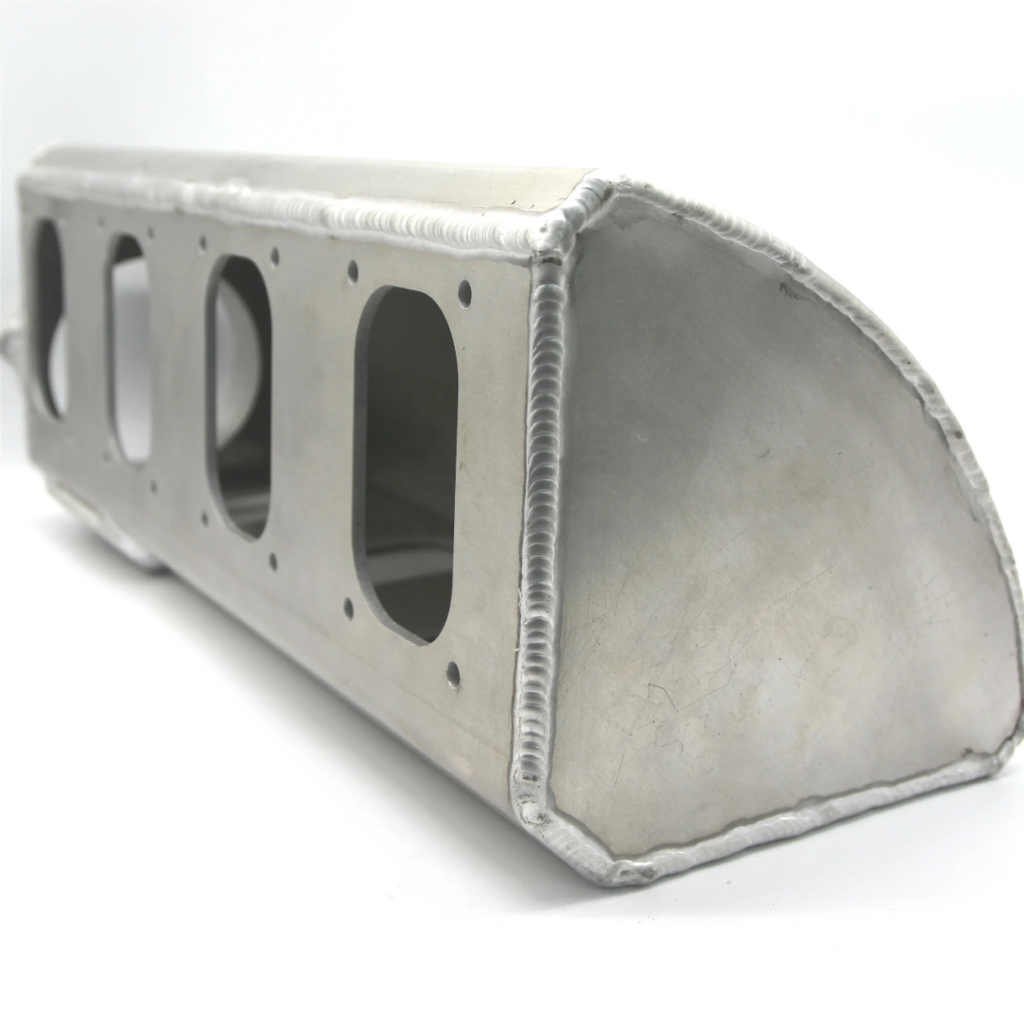
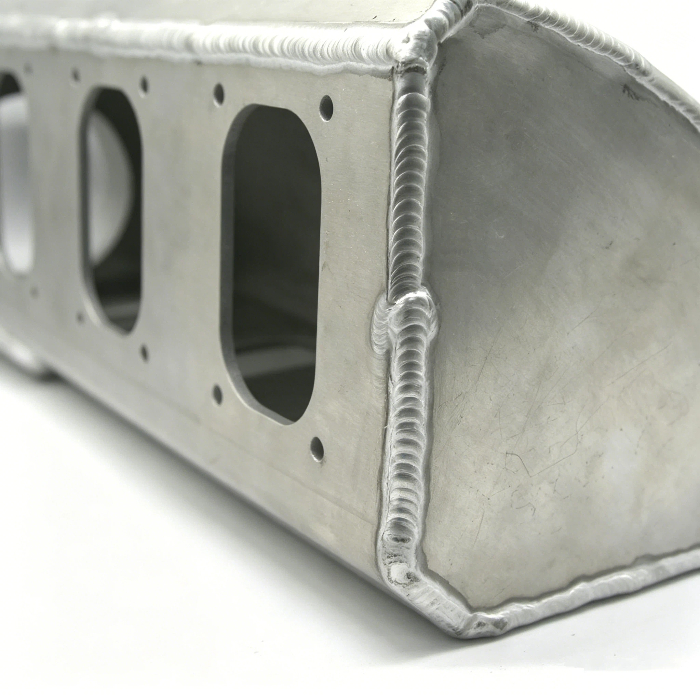
TIG welding aluminum engine block is a specialized precision welding process used to repair, modify, or reinforce aluminum engine blocks using Tungsten Inert Gas (TIG) welding technology. TIG welding Aluminum engine blocks are widely used in automotive, motorsport, marine, and aerospace applications due to their lightweight properties and excellent heat dissipation performance. However, aluminum is highly sensitive to heat distortion, porosity, and cracking during welding.
TIG (Tungsten Inert Gas) welding provides a controlled, clean, and high-precision arc that allows manufacturers and engineers to restore damaged engine blocks, modify cooling channels, repair cracks, or integrate performance upgrades without compromising structural integrity.
This process is widely used in:
- High-performance racing engines
- Custom automotive engine builds
- Motorcycle and marine engines
- Prototype engine development
- OEM repair and refurbishment projects
Technical Advantages of TIG Welding for Aluminum Engine Blocks:
TIG welding is the preferred method for aluminum engine block processing due to its superior control and precision.
1. High-Precision Heat Control:
Aluminum engine blocks require strict thermal management. TIG welding allows operators to precisely control heat input, minimizing warping and maintaining dimensional accuracy.
2. Strong Metallurgical Bonding:
When properly executed, TIG welding creates a strong fusion between base material and filler alloy, restoring original mechanical strength.
3. Minimal Contamination Risk:
Using inert gas shielding (argon), TIG welding prevents oxidation and ensures clean weld seams, which is critical for engine performance.
4. Compatibility with High-Grade Aluminum Alloys:
Works effectively with common engine block materials such as 6061, 6082, and high-silicon aluminum alloys used in automotive casting.
5. Repair & Modification Flexibility:
Supports crack repair, thread rebuilding, water jacket correction, and performance port modifications.
Manufacturing Process Overview:
A professional TIG welding aluminum engine block process typically includes:
Step 1: Inspection & Crack Detection
Visual inspection combined with dye penetrant or ultrasonic testing identifies defects.
Step 2: Cleaning & Surface Preparation
Oil, carbon deposits, and oxide layers are removed using chemical cleaning and mechanical grinding.
Step 3: Preheating (if required)
Controlled preheating reduces thermal shock and prevents cracking during welding.
Step 4: TIG Welding Operation
High-precision welding is performed using compatible aluminum filler rods under argon shielding.
Step 5: Post-Weld Cooling
Slow cooling ensures structural stability and reduces residual stress.
Step 6: CNC Machining & Finishing
Critical surfaces are re-machined to restore OEM tolerances.
Step 7: Quality Inspection
Dimensional inspection and leak testing ensure full functionality.
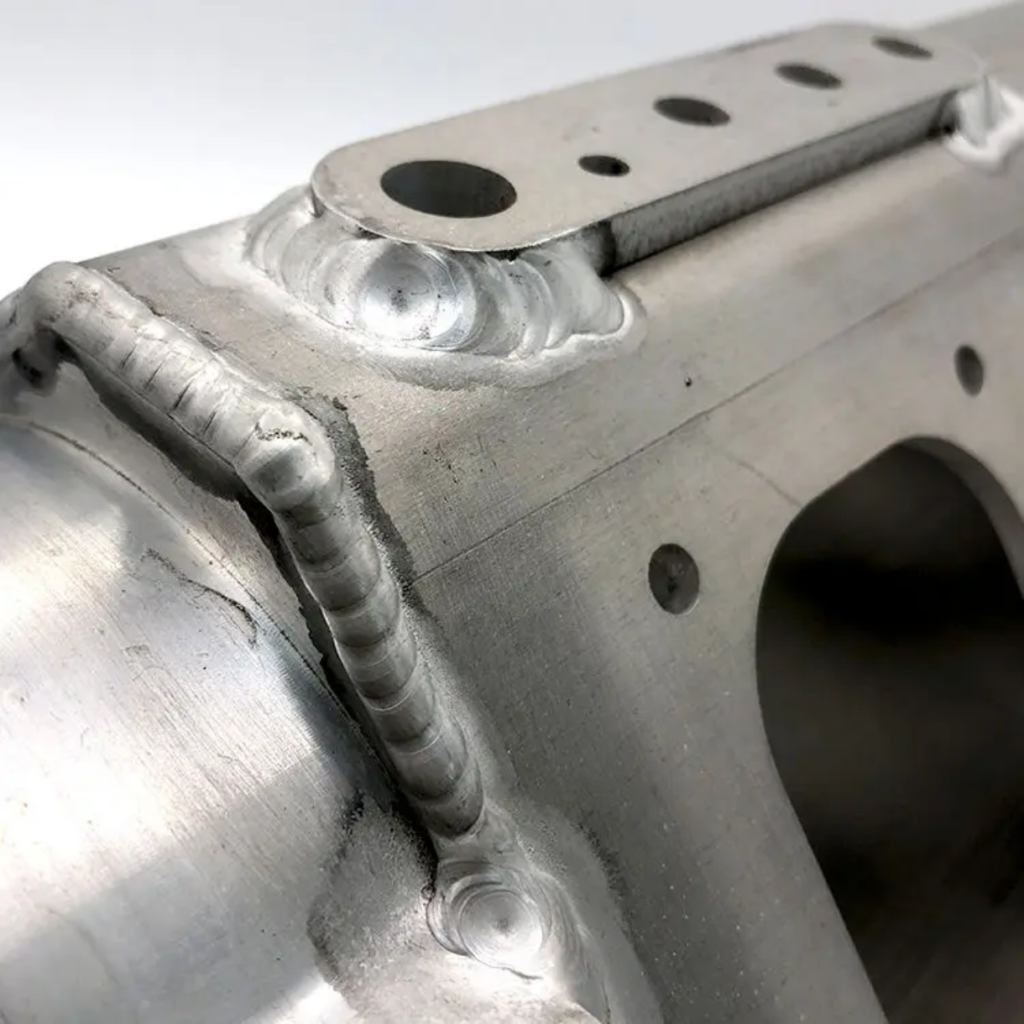
Engineering Challenges in Engine Block TIG Welding:
Working with TIG welding aluminum engine blocks requires advanced expertise due to:
- High thermal conductivity causing heat spread
- Risk of porosity and trapped gas
- Thin wall casting variations
- Distortion in sealing surfaces
- Stress concentration in repaired areas
Only experienced welding engineers with CNC machining integration can ensure long-term durability and performance stability.
Application Scenarios:
TIG welding aluminum engine block solutions are widely used in:
- Motorsport engine rebuilding
- Performance tuning workshops
- Classic car restoration
- Marine engine crack repair
- Aerospace prototype engine casing development
- Industrial machinery power units
Flow Wing Metal Case Study – Engine Block Restoration Project
Project Background:
Flow Wing Metal specializes in TIG welding and CNC machining for high-performance aluminum engine components. This project involved repairing damaged aluminum engine blocks used in high-load performance applications.
Technical Issues:
- Cylinder wall cracking
- Water jacket leakage
- Sealing surface deformation
- Reduced compression stability
Engineering Solution:
- Crack detection and surface preparation
- Precision TIG welding with aluminum filler materials
- Controlled thermal management during welding
- CNC re-machining of critical sealing surfaces
- Final pressure and dimensional inspection
Results:
- Restored structural integrity close to OEM level
- Around 60% cost reduction vs. full replacement
- Improved thermal stability under high RPM operation
- Extended engine service life
Engineering Value:
This case demonstrates Flow Wing Metal’s integrated capability in TIG welding + CNC precision machining + aluminum structural restoration for performance-grade engine components.
Why Choose Professional TIG Welding Services?
Choosing a professional aluminum welding manufacturer ensures:
- Dimensional accuracy after repair
- Long-term structural stability
- Reduced failure risk under high load
- OEM-level surface restoration
- Integration with CNC machining and quality inspection systems
Conclusion:
TIG welding aluminum engine block technology is a critical process in modern automotive engineering, enabling cost-effective repair, performance enhancement, and sustainable reuse of high-value engine components. With precise heat control, advanced welding expertise, and CNC finishing integration, damaged engine blocks can be restored to high-performance operational standards.