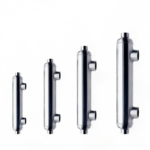
Servicio Superior de Soldadura de Intercambiador de Calor de Titanio para Piscinas, 3X Mayor Vida Útil
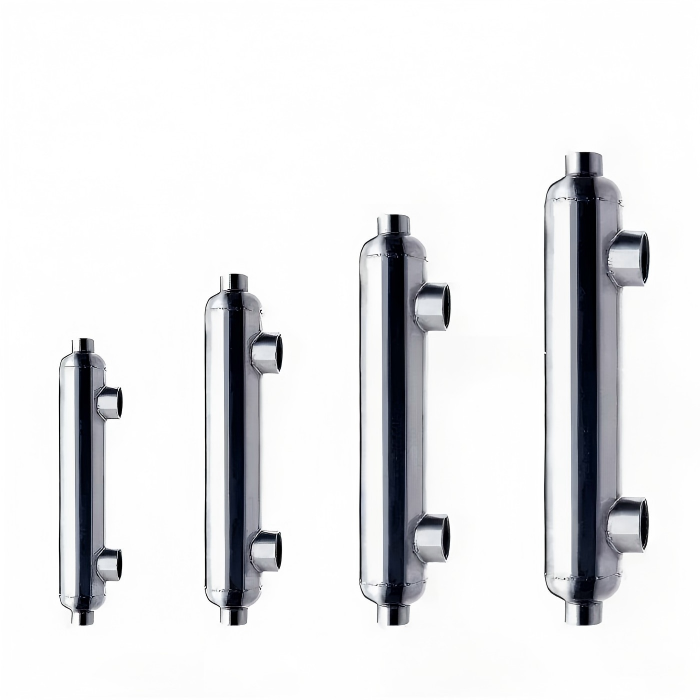
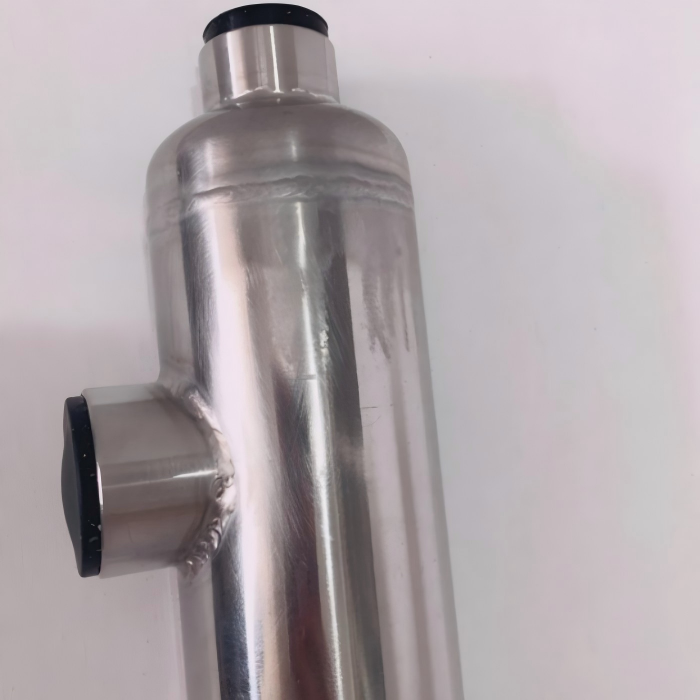
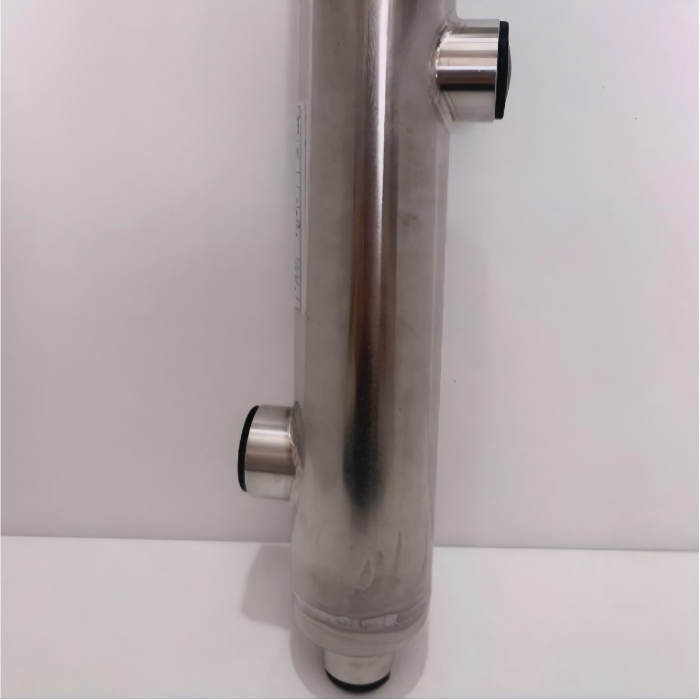
Esta Piscina de Intercambiador de Calor de Titanio está fabricada a medida con tecnología de soldadura TIG orbital de precisión para aplicaciones de calefacción de piscinas. Con una construcción de titanio, ofrece una excelente resistencia a la corrosión, una transferencia de calor eficiente y una durabilidad duradera.
Request a Quote
Enter the quantity you need and add to your quote list for pricing inquiries.
Product Details
¿Por Qué Fracasan los Intercambiadores de Calor de Piscina Tradicionales?
La mayoría de los intercambiadores de calor de piscina están hechos de cobre o cuproníquel. Estos materiales funcionan razonablemente bien en química del agua equilibrada, pero tienen vulnerabilidades significativas. El agua de la piscina contiene cloro, bromo, sales y otros productos químicos desinfectantes. Con el tiempo, estos productos químicos atacan las aleaciones de cobre, causando fugas por picaduras y eventual falla. Un intercambiador de calor averiado en un calentador de piscina a menudo significa reemplazar toda la unidad.
El acero inoxidable ofrece mejor resistencia a la corrosión que el cobre, pero aún falla en piscinas con alto cloro o agua salada. La corrosión bajo tensión inducida por cloruros destruye los intercambiadores de calor de acero inoxidable en pocas temporadas, especialmente en agua calentada. Aquí es donde una solución de intercambiador de calor de piscina de titanio demuestra ser superior. El titanio es virtualmente inmune al cloro, bromo, sal y la mayoría de otros productos químicos presentes en el agua de la piscina.
La Ventaja del Titanio para Intercambiadores de Calor de Piscina:
El titanio ofrece cuatro ventajas distintas para aplicaciones de calefacción de piscinas. Primero, resistencia a la corrosión. El titanio forma naturalmente una capa de óxido protectora estable que se reforma instantáneamente si se raya. Esta capa resiste el ataque de cloruros, ácidos y productos químicos desinfectantes. Un componente de intercambiador de calor de piscina de titanio no se oxidará, picará ni agrietará debido a la química de la piscina.
Segundo, eficiencia de transferencia de calor. El titanio tiene una excelente conductividad térmica, aunque ligeramente inferior al cobre. Sin embargo, debido a que el titanio puede fabricarse en paredes muy delgadas, la transferencia de calor general de una unidad de intercambiador de calor de piscina de titanio puede igualar o superar los diseños de cobre. Las paredes delgadas reducen el peso del material y mejoran el tiempo de respuesta.
Tercero, durabilidad. Un componente de intercambiador de calor de piscina de titanio no tiene ánodos de sacrificio, ni recubrimientos que se desgasten, ni límite de corrosión. Una vez instalado, no requiere mantenimiento relacionado con la degradación del material. Los propietarios de piscinas pueden esperar 20 años o más de servicio confiable.
Cuarto, peso. La densidad del titanio es aproximadamente el 60 por ciento del cobre. Una unidad de intercambiador de calor de piscina de titanio es significativamente más ligera que los equivalentes de cobre, lo que facilita la instalación y el servicio.
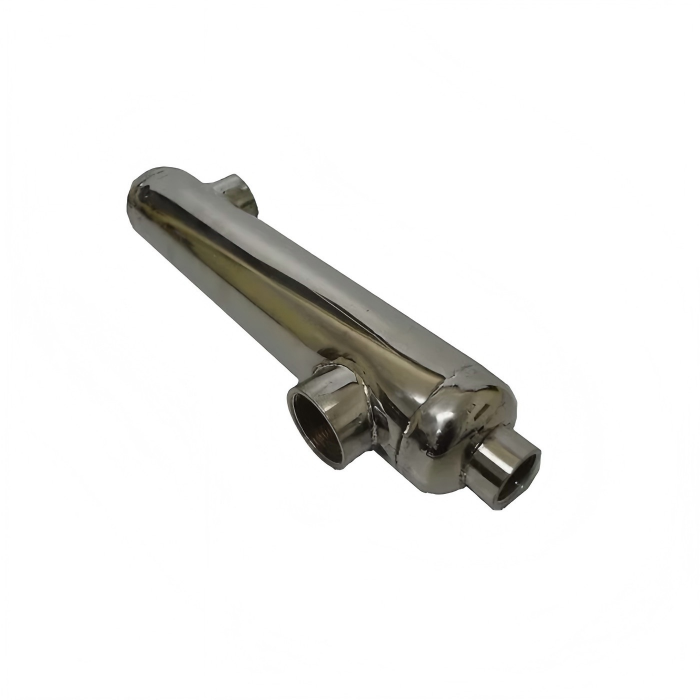
Cómo Funciona un Sistema de Intercambiador de Calor de Piscina de Titanio:
Un intercambiador de calor de piscina transfiere calor desde una fuente de energía al agua de la piscina sin mezclar los dos fluidos. La configuración más común es un diseño de tubo en carcasa. El agua caliente o refrigerante fluye a través de los tubos mientras que el agua de la piscina fluye alrededor de ellos. Una unidad de intercambiador de calor de piscina de titanio utiliza tubos de titanio y, a veces, placas tubulares de titanio.
En una aplicación de piscina, la fuente de calor puede ser una caldera, bomba de calor, sistema solar térmico o bucle geotérmico. El agua de la piscina circula a través del lado de la carcasa del dispositivo intercambiador de calor de piscina de titanio, absorbiendo calor de los tubos. Debido a que el titanio resiste tanto la química de la piscina como la química del fluido de transferencia de calor, el sistema permanece sin fugas durante décadas.
Desafíos de Soldar un Componente de Intercambiador de Calor de Piscina de Titanio:
A pesar de sus ventajas, el titanio presenta serios desafíos de fabricación, especialmente para aplicaciones de intercambiadores de calor. El titanio es altamente reactivo cuando se expone al oxígeno, nitrógeno e hidrógeno a temperaturas elevadas. Durante la soldadura de una unidad de intercambiador de calor de piscina de titanio, la zona de soldadura debe estar completamente protegida de la contaminación atmosférica. Si la protección falla, el titanio absorbe estos elementos, resultando en fragilización y agrietamiento.
Los intercambiadores de calor implican soldaduras de tubo a placa tubular, que son las uniones más exigentes en la fabricación. Para un componente de intercambiador de calor de piscina de titanio, cada tubo debe soldarse a la placa tubular con penetración completa y protección total tanto de la cara de la soldadura como del lado de la raíz. Esto requiere un ajuste preciso, purga posterior con argón puro y técnica de soldador calificada.
La soldadura de tubo a placa tubular para un intercambiador de calor de piscina de titanio típicamente utiliza GTAW orbital automatizado (soldadura por arco de tungsteno con gas) para garantizar consistencia. La soldadura orbital mantiene una longitud de arco, velocidad de avance y cobertura de gas exactas en docenas o cientos de uniones de tubos.
Pasos Críticos para Soldar un Intercambiador de Calor de Piscina de Titanio:
La fabricación exitosa de una unidad de intercambiador de calor de piscina de titanio comienza mucho antes de que se encienda el arco:
Selección de material: El titanio comercialmente puro Grado 1 o Grado 2 es estándar para intercambiadores de calor de piscina. Estos grados ofrecen excelente resistencia a la corrosión y soldabilidad. El Grado 2 proporciona una resistencia ligeramente mayor mientras mantiene la formabilidad.
Preparación del tubo: Los tubos de titanio deben cortarse en escuadra, desbarbarse y limpiarse por dentro y por fuera. Use acetona o alcohol isopropílico seguido de un cepillo de acero inoxidable dedicado usado solo en titanio. Cualquier contaminación conduce a defectos de soldadura.
Preparación de la placa tubular: Los agujeros de la placa tubular deben perforarse y limpiarse con precisión. Para un componente de intercambiador de calor de piscina de titanio, los diámetros de los agujeros típicamente permiten una holgura de 0.1 mm a 0.2 mm para el tubo. Demasiado ajustado y el montaje es imposible. Demasiado suelto y la calidad de la soldadura se resiente.
Ajuste: Los tubos deben sobresalir de 1 mm a 2 mm más allá de la cara de la placa tubular. Esta extensión se funde durante la soldadura para crear un filete de refuerzo. Todos los tubos en un intercambiador de calor de piscina de titanio deben sobresalir uniformemente.
Purga posterior: El interior de cada tubo y la parte posterior de la placa tubular deben llenarse con argón puro al 99.999 por ciento de pureza. Sin purga posterior, el lado de la raíz se oxida, creando una capa frágil que tiene fugas con el tiempo.
Parámetros de soldadura: Use GTAW orbital con un electrodo de tungsteno ceriado al 2 por ciento. Caudales de gas de 15 a 25 pies cúbicos por hora en el soplete y 10 a 15 pies cúbicos por hora para la purga posterior. El flujo posterior debe continuar durante al menos 15 segundos después de la extinción del arco.
Defectos Comunes en la Soldadura de Intercambiadores de Calor de Piscina de Titanio:
Incluso soldadores experimentados pueden encontrar defectos al fabricar una unidad de intercambiador de calor de piscina de titanio:
Oxidación y decoloración: Las soldaduras plateadas o de color paja claro indican una protección adecuada. El color azul, púrpura o gris significa contaminación que requiere el rechazo de la soldadura. Para un intercambiador de calor de titanio para piscina, las soldaduras oxidadas tendrán fugas en servicio.
Penetración incompleta: La soldadura no se une completamente a través de la pared del tubo hasta la placa tubular. Esto resulta en uniones débiles que fallan bajo presión. Ajuste los parámetros y recalifique el procedimiento de soldadura.
Porosidad: Las bolsas de gas en la soldadura permiten fugas. Causado por material base contaminado o cobertura de gas inadecuada. Rechace y vuelva a soldar cualquier unión porosa.
Socavación: Una ranura fundida en la placa tubular adyacente a la soldadura. Crea una concentración de tensiones y posibles rutas de fuga. Reduzca el amperaje o ajuste la técnica.
Aplicaciones y demanda del mercado:
La demanda de una solución de intercambiador de calor de titanio para piscina abarca varios mercados. Los propietarios de piscinas residenciales que buscan confiabilidad a largo plazo eligen titanio para evitar reemplazos repetidos del intercambiador de calor. Las piscinas comerciales, incluidos hoteles, centros de fitness e instalaciones municipales, especifican titanio para reducir los costos de mantenimiento.
Las piscinas de agua salada son particularmente exigentes. Un componente de intercambiador de calor de titanio para piscina es esencialmente requerido para sistemas de generadores de cloro salino, ya que el cobre y el cuproníquel fallan rápidamente. Los fabricantes de spas y jacuzzis también utilizan intercambiadores de calor de titanio por su tamaño compacto y resistencia a la corrosión.
Conclusión:
Una unidad de intercambiador de calor de titanio para piscina representa la solución definitiva para la calefacción de piscinas. Cuando se suelda correctamente por profesionales experimentados, ofrece una resistencia a la corrosión inigualable, una transferencia de calor eficiente y una vida útil medida en décadas. Para propietarios de piscinas y operadores comerciales que exigen confiabilidad, el titanio es la opción clara.
Preguntas Frecuentes Sobre el Intercambiador de Calor de Titanio para Piscina:
P1: ¿Por qué el titanio es mejor que el cobre para un intercambiador de calor de piscina?
R: El titanio nunca se corroe por el cloro, el bromo o el agua salada. Los intercambiadores de calor de cobre típicamente fallan dentro de 3 a 5 años, mientras que una unidad de intercambiador de calor de titanio para piscina dura 20 años o más.
P2: ¿Se puede usar una unidad de intercambiador de calor de titanio para piscina en piscinas de agua salada?
R: Sí, el titanio es la opción ideal para piscinas de agua salada. Es 100 por ciento inmune a la corrosión por cloruros, a diferencia del cobre o el acero inoxidable que fallan rápidamente.
P3: ¿Cuánto dura un componente de intercambiador de calor de titanio para piscina?
R: Una unidad de intercambiador de calor de titanio para piscina correctamente soldada dura de 20 a 30 años, a menudo superando la vida útil de la propia piscina. No se requiere mantenimiento para la protección contra la corrosión.
P4: ¿Es un intercambiador de calor de titanio para piscina más caro que uno de cobre?
R: Sí, el costo inicial es más alto, pero el valor a largo plazo es mejor. Reemplazará un intercambiador de calor de cobre varias veces durante la vida de una unidad de titanio.
P5: ¿Se puede reparar una unidad de intercambiador de calor de titanio para piscina dañada?
R: Sí, pero solo por un soldador con experiencia en soldadura de tubo a placa tubular de titanio. Los talleres de soldadura general no pueden realizar reparaciones de intercambiadores de calor de titanio.