Introducción:
¿Por qué es difícil soldar aluminio en comparación con otros metales como el acero? Aunque el aluminio se utiliza ampliamente en automoción, aeroespacial, marina, electrónica y equipos industriales debido a sus propiedades de ligereza, resistencia a la corrosión y excelente relación resistencia-peso, producir soldaduras de aluminio fiables requiere conocimientos especializados y un control preciso del proceso.
Muchas personas asumen que la soldadura de aluminio es más fácil porque el aluminio es blando, ligero y fácil de mecanizar. Sin embargo, el aluminio se comporta de manera muy diferente durante la soldadura debido a su capa de óxido, alta conductividad térmica, expansión térmica y sensibilidad al aporte de calor. Estas características hacen que la soldadura de aluminio sea más desafiante que muchas aplicaciones de soldadura tradicionales.
Desde conocimientos básicos de soldadura de aluminio hasta procesos avanzados como la soldadura TIG para aluminio y la soldadura GTAW de aluminio, comprender las propiedades del material, las técnicas de soldadura y los desafíos comunes es esencial para lograr soldaduras fuertes, consistentes y de alta calidad.
Comprensión de las características del aluminio antes de soldar
Antes de discutir por qué es difícil soldar aluminio, es importante comprender las propiedades únicas que influyen en el proceso de soldadura.
En comparación con el acero, el aluminio tiene varias características que afectan directamente la calidad de la soldadura:
- Estructura ligera
- Alta conductividad térmica
- Baja temperatura de fusión
- Alta tasa de expansión térmica
- Formación natural de capa de óxido
- Diferentes niveles de soldabilidad entre las aleaciones de aluminio
Estas propiedades hacen del aluminio un material excelente para aplicaciones sensibles al peso, pero también requieren un control cuidadoso durante la fabricación.
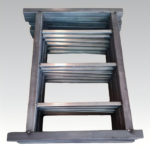
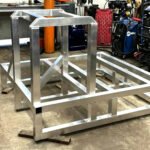
Por ejemplo, las estructuras de bastidores de máquinas de aluminio se benefician de la ligereza y la resistencia a la corrosión del aluminio, pero mantener la precisión dimensional durante la soldadura requiere un diseño de fijación adecuado, gestión del calor y planificación de la secuencia de soldadura.
¿Por qué es difícil soldar aluminio? Explicación de los desafíos clave
La capa de óxido de aluminio crea problemas de fusión
Una de las razones principales por las que es difícil soldar aluminio es la capa de óxido de aluminio que se forma naturalmente en la superficie.
Cuando el aluminio entra en contacto con el oxígeno, desarrolla rápidamente una fina película de óxido protectora. Esta capa ayuda a prevenir la corrosión, pero crea desafíos durante la soldadura porque el óxido de aluminio se funde a una temperatura mucho más alta que el material base de aluminio.
Si la capa de óxido no se elimina adecuadamente antes de soldar, puede causar:
- Mala fusión entre materiales
- Contaminación de la soldadura
- Apariencia desigual de la soldadura
- Resistencia mecánica reducida
Una limpieza adecuada, preparación de la superficie y técnicas de soldadura apropiadas son esenciales para superar este desafío.
Esto es especialmente importante para aplicaciones de precisión donde la consistencia y la apariencia de la soldadura son críticas, como gabinetes de aluminio personalizados, carcasas electrónicas y componentes estructurales ligeros.
La alta conductividad térmica hace que el control del calor sea más difícil
Otra razón importante por la que la soldadura de aluminio requiere experiencia es su alta conductividad térmica.
El aluminio transfiere el calor mucho más rápido que el acero. Durante la soldadura, el calor se dispersa rápidamente del área de soldadura, lo que dificulta mantener la temperatura correcta.
Si se aplica calor insuficiente:
- La soldadura puede carecer de penetración
- La calidad de la fusión puede disminuir
- La unión puede debilitarse
Si se aplica calor excesivo:
- El aluminio puede deformarse
- Las secciones delgadas pueden quemarse
- Las dimensiones finales pueden cambiar
Debido a esto, los soldadores deben controlar cuidadosamente:
- Corriente de soldadura
- Velocidad de desplazamiento
- Longitud del arco
- La distribución del calor
Los procesos avanzados como la soldadura GTAW de aluminio permiten un mejor control del aporte de calor, lo que los hace adecuados para aplicaciones que requieren alta precisión.
La expansión térmica causa distorsión
El aluminio se expande y contrae de manera más significativa que muchos otros metales durante el calentamiento y enfriamiento.
Durante la soldadura, los cambios de temperatura desiguales pueden resultar en:
- Alabeo
- Cambios dimensionales
- Desalineación
- Tensión residual
Por ejemplo, al fabricar un bastidor de máquina de aluminio, el calor excesivo de soldadura puede afectar la precisión del ensamblaje y crear problemas durante la instalación final.
Para minimizar la distorsión, los fabricantes a menudo consideran:
- Optimización de la secuencia de soldadura
- Métodos de sujeción adecuados
- Diseño de la unión
- Aporte de calor controlado
Comprender el comportamiento térmico del aluminio es uno de los factores más importantes para producir componentes soldados fiables.
Conceptos erróneos comunes sobre la soldadura de aluminio
Mito 1: El aluminio es fácil de soldar porque es blando
Un malentendido común es que el aluminio debería ser más fácil de soldar porque es un material blando y ligero.
En realidad, el aluminio requiere más atención porque sus propiedades físicas crean desafíos adicionales de soldadura.
La dificultad no proviene de la dureza del material, sino de:
- Formación de óxido en la superficie
- Características de transferencia de calor
- Riesgos de distorsión
- Diferencias de aleación
Mito 2: Cualquier proceso de soldadura se puede usar para aluminio
Otro concepto erróneo es que el aluminio se puede soldar usando los mismos métodos y ajustes utilizados para el acero.
Sin embargo, el aluminio requiere procedimientos de soldadura específicos.
Los métodos comunes incluyen:
- Soldadura TIG para aluminio
- Soldadura MIG para aluminio
- Soldadura MIG por pulsos
- Soldadura GTAW de aluminio
Cada proceso tiene diferentes ventajas según el grosor del material, los requisitos de la aplicación y el volumen de producción.
Mito 3: Las soldaduras más fuertes siempre requieren más calor
Aplicar más calor no necesariamente crea soldaduras de aluminio más fuertes.
El calor excesivo puede reducir la calidad de la soldadura al causar:
- Distorsión
- Agrietamiento
- Debilitamiento del material
- Mala precisión dimensional
Soldar aluminio con éxito depende de controlar el calor en lugar de simplemente aumentarlo.
Técnicas de soldadura de aluminio: procesos TIG, MIG y GTAW
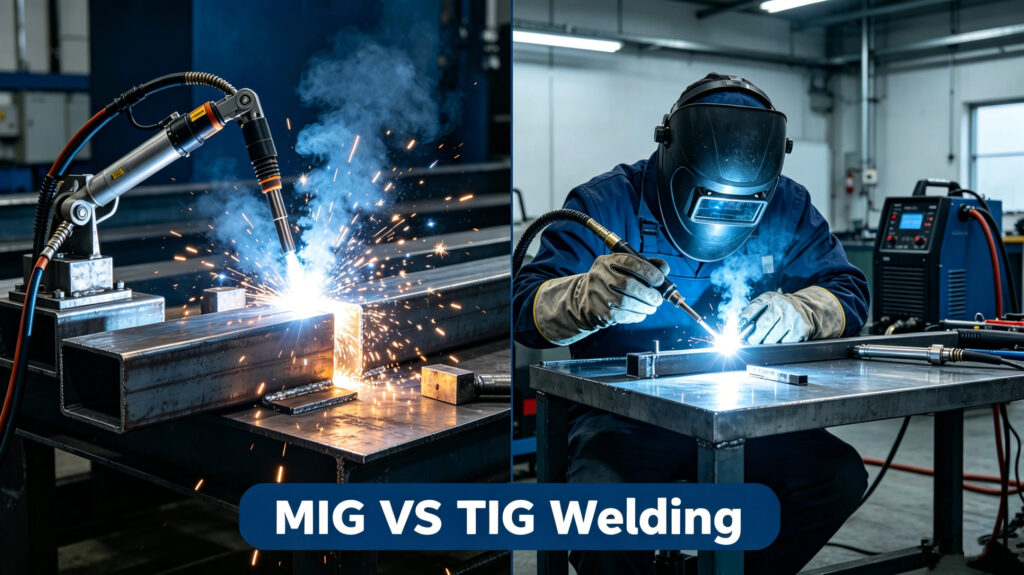
La soldadura TIG para aluminio
Soldadura TIG para aluminio se utiliza ampliamente cuando la precisión, la apariencia y la calidad de la soldadura son importantes.
La soldadura TIG proporciona:
- Excelente control del calor
- Apariencia de soldadura limpia
- Control preciso del arco
- Capacidad para soldar geometrías complejas
Se utiliza comúnmente para:
- Componentes de aluminio de precisión
- Materiales de aluminio delgados
- Prototipos
- Ensamblajes de alta calidad
Debido a que la soldadura TIG permite un mejor control del proceso de soldadura, a menudo se selecciona para aplicaciones donde la apariencia y la precisión son críticas.
La soldadura GTAW de aluminio
Soldadura GTAW de aluminio es otro término comúnmente utilizado para la soldadura con gas inerte de tungsteno.
El proceso utiliza un electrodo de tungsteno no consumible y gas de protección para proteger el área de soldadura de la contaminación.
Las ventajas incluyen:
- Soldaduras de alta calidad
- Buen control del aporte de calor
- Riesgo reducido de contaminación
- Adecuado para aplicaciones exigentes
La soldadura GTAW de aluminio requiere operadores capacitados porque mantener una estabilidad adecuada del arco y controlar la adición de material de aporte son esenciales para obtener resultados consistentes.
Soldadura MIG de aluminio
La soldadura MIG se utiliza comúnmente para aplicaciones de mayor productividad.
En comparación con la soldadura TIG, la soldadura MIG ofrece:
- Mayor velocidad de soldadura
- Mayor eficiencia de producción
- Mejor idoneidad para estructuras más grandes
Se utiliza a menudo para:
- Marcos de aluminio
- Equipos industriales
- Ensamblajes soldados grandes
Para entornos de producción, la soldadura MIG puede proporcionar un equilibrio efectivo entre calidad y eficiencia de fabricación.
Soldadura de precisión de aluminio: consejos para aplicaciones pequeñas y complejas
La soldadura de precisión de aluminio requiere aún más atención porque los pequeños errores pueden afectar significativamente el rendimiento final.
Las consideraciones importantes incluyen:
Controlar el aporte de calor
Para componentes pequeños de aluminio, el calor excesivo puede causar deformación rápidamente.
Los soldadores deben gestionar cuidadosamente:
- Parámetros de soldadura
- Secuencia de soldadura
- Tiempo de enfriamiento
Esto es especialmente importante para componentes de pared delgada y estructuras detalladas.
Seleccionar el material de aporte correcto
Diferentes aleaciones de aluminio requieren materiales de aporte adecuados para lograr un rendimiento de soldadura confiable.
Una selección incorrecta del material de aporte puede resultar en:
- Agrietamiento
- Resistencia reducida
- Mala resistencia a la corrosión
La compatibilidad del material siempre debe considerarse antes de soldar.
Mantener condiciones de soldadura limpias
Debido a que el aluminio es sensible a la contaminación, una preparación adecuada es esencial.
Los pasos comunes de preparación incluyen:
- Eliminar contaminantes de la superficie
- Limpiar las capas de óxido
- Usar herramientas apropiadas
- Proteger el área de soldadura
Un entorno de soldadura limpio ayuda a mejorar la consistencia y reducir los defectos.
Herramientas y consideraciones de seguridad para la soldadura de aluminio
La soldadura exitosa de aluminio depende no solo de las técnicas de soldadura, sino también de las herramientas adecuadas y prácticas operativas seguras.
El equipo común incluye:
- Máquinas de soldadura TIG
- Máquinas de soldadura MIG
- Electrodos de tungsteno apropiados
- Varillas de aporte de aluminio
- Herramientas de limpieza
- Fijaciones de soldadura
Las consideraciones de seguridad incluyen:
- Ventilación adecuada
- Equipo de protección
- Manejo correcto de los gases de protección
- Protección contra la radiación de soldadura
Seguir los procedimientos adecuados ayuda a mantener tanto la seguridad del operador como la calidad de la soldadura.
Aplicaciones industriales de la soldadura de aluminio
Debido a que el aluminio combina rendimiento ligero con resistencia a la corrosión, se utiliza ampliamente en muchas industrias.
Marcos de máquinas de aluminio
El marco de máquina de aluminio se utiliza comúnmente en equipos de automatización, líneas de producción y sistemas industriales.
Los beneficios incluyen:
- Construcción ligera
- Fácil ensamblaje
- Resistencia a la corrosión
- Buen rendimiento estructural
Sin embargo, soldar estas estructuras requiere un control cuidadoso de la distorsión para mantener dimensiones precisas.
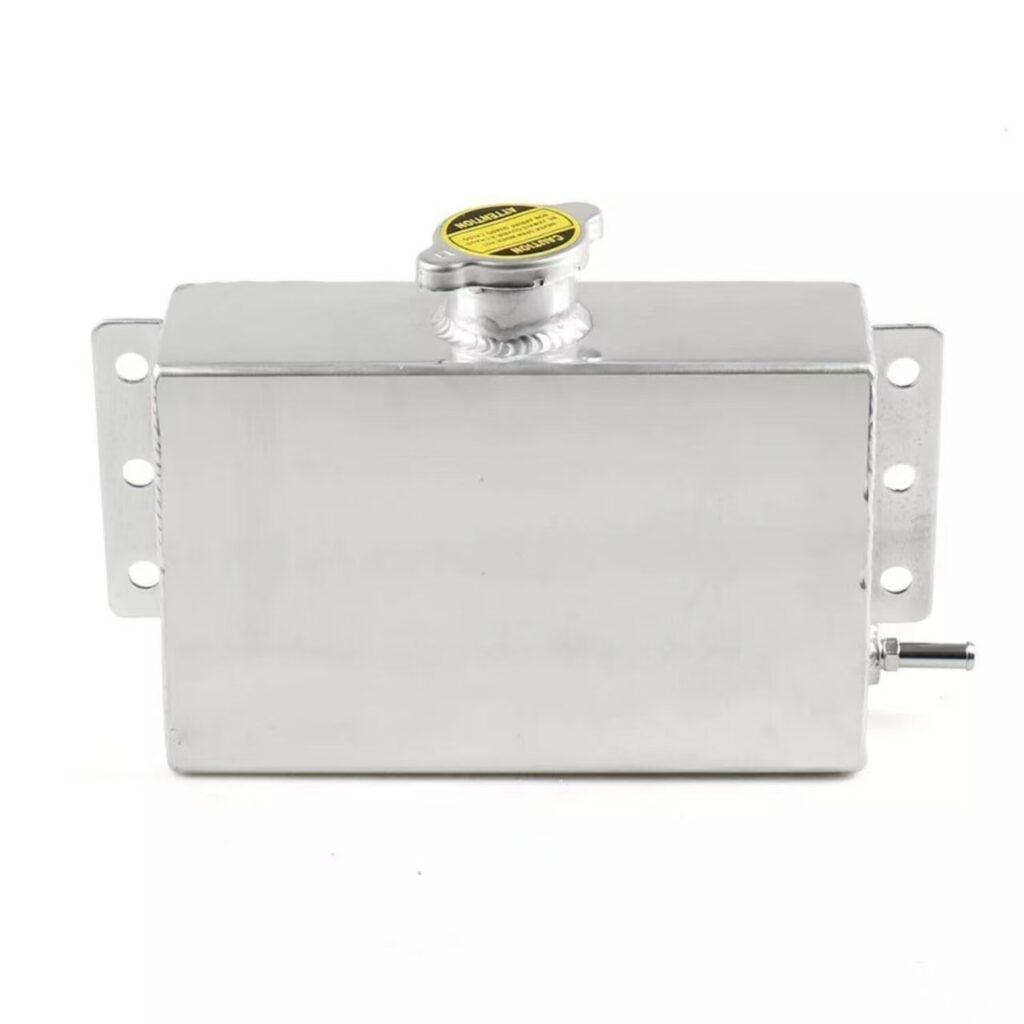
Gabinetes de aluminio personalizados
Gabinetes de aluminio personalizados se utilizan ampliamente para proteger sistemas eléctricos, equipos industriales y componentes electrónicos.
Los requisitos importantes incluyen:
- Dimensiones precisas
- Cordones de soldadura confiables
- Buen aspecto superficial
- Durabilidad a largo plazo
La soldadura de aluminio juega un papel importante en la producción de soluciones de recintos ligeros y protectores.
Componentes automotrices y de transporte
La soldadura de aluminio se aplica ampliamente en las industrias de transporte porque reducir el peso puede mejorar la eficiencia.
Las aplicaciones incluyen:
- Estructuras de vehículos
- Componentes relacionados con baterías
- Soportes ligeros
- Marcos de soporte
Estructuras marinas
La resistencia a la corrosión del aluminio lo hace adecuado para aplicaciones marinas.
Los ejemplos comunes incluyen:
- Estructuras de barcos
- Equipos marinos
- Componentes marinos
La calidad de soldadura confiable es esencial porque estas aplicaciones a menudo operan en entornos exigentes.
Cómo la soldadura profesional de aluminio mejora la confiabilidad del producto
Aunque la soldadura de aluminio es desafiante, el conocimiento y las técnicas adecuadas pueden mejorar significativamente los resultados.
La soldadura de aluminio de alta calidad depende de:
- Comprender las características del material
- Seleccionar métodos de soldadura adecuados
- Controlar el aporte de calor
- Prevenir la contaminación
- Diseñar estructuras amigables para la soldadura
Para los fabricantes que ofrecen servicios de soldadura de aluminio, mantener procedimientos de soldadura consistentes y control de calidad es esencial para producir componentes confiables.
Conclusión: Dominando los desafíos de la soldadura de aluminio
Entonces, ¿por qué es difícil soldar aluminio?
La respuesta proviene de una combinación de propiedades únicas del material y requisitos estrictos del proceso. La capa de óxido, la alta conductividad térmica, la expansión térmica y la sensibilidad al calor hacen que la soldadura de aluminio sea más desafiante que muchos otros metales.
Sin embargo, con técnicas adecuadas, equipo adecuado y un fuerte entendimiento del comportamiento del aluminio, se pueden lograr soldaduras de alta calidad de manera consistente.
Ya sea para componentes de precisión, marcos de máquinas de aluminio, recintos de aluminio personalizados o estructuras industriales, la soldadura de aluminio sigue siendo un proceso de fabricación importante que requiere tanto conocimiento técnico como experiencia práctica.
Comprender estos desafíos permite a los ingenieros, diseñadores y fabricantes tomar mejores decisiones al desarrollar productos de aluminio confiables.