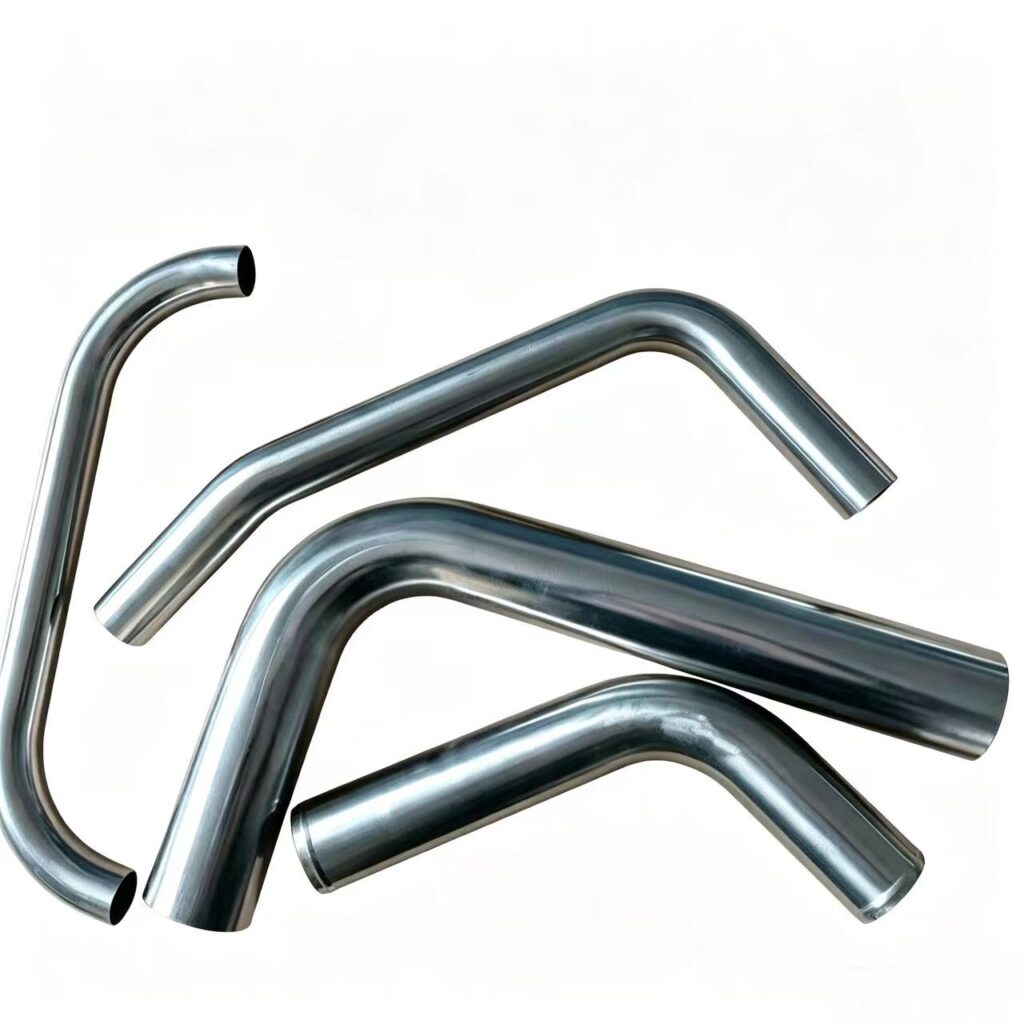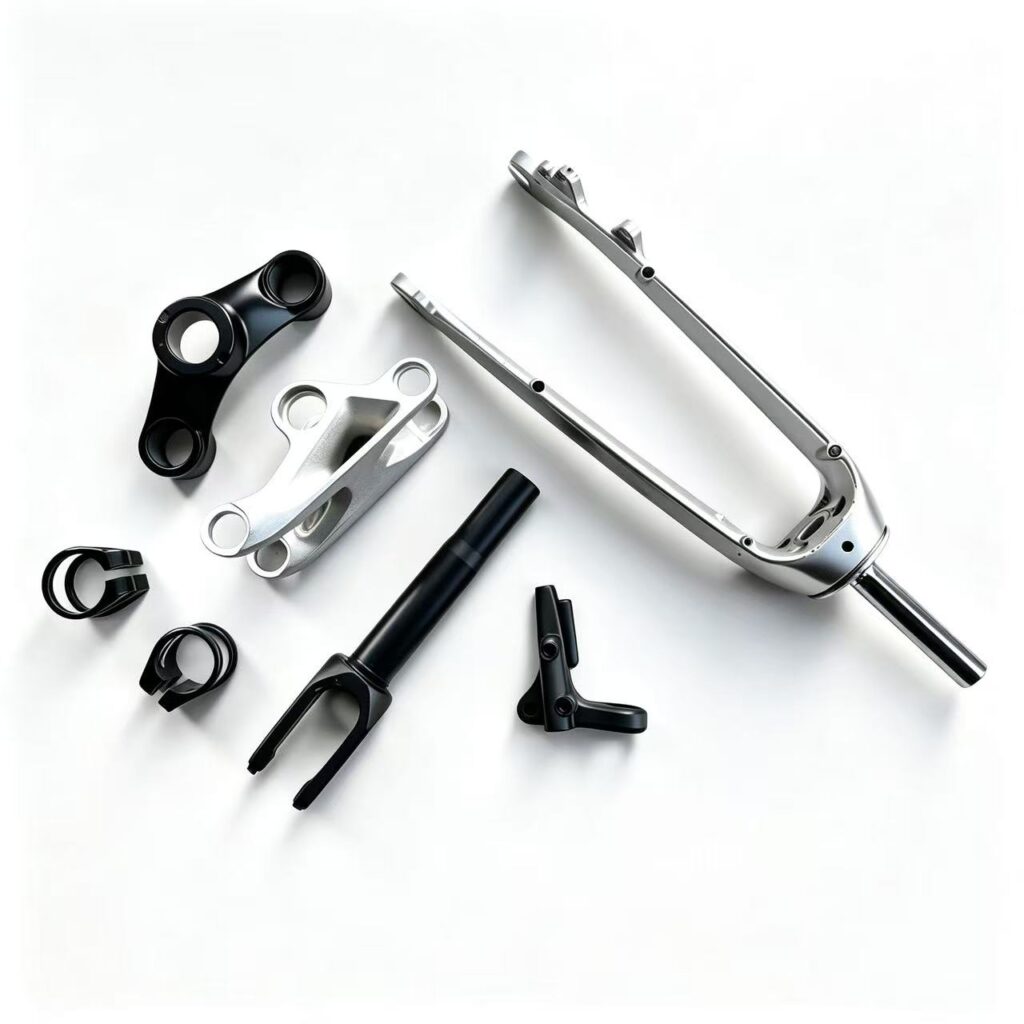
Reliable 316L Precision Stamping Brackets Medical Grade Stamped Metal Brackets
Solicitar un presupuesto
Ingrese la cantidad que necesita y añádala a su lista de cotizaciones para solicitar precios.
Detalles del producto
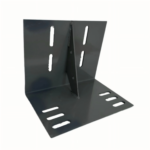
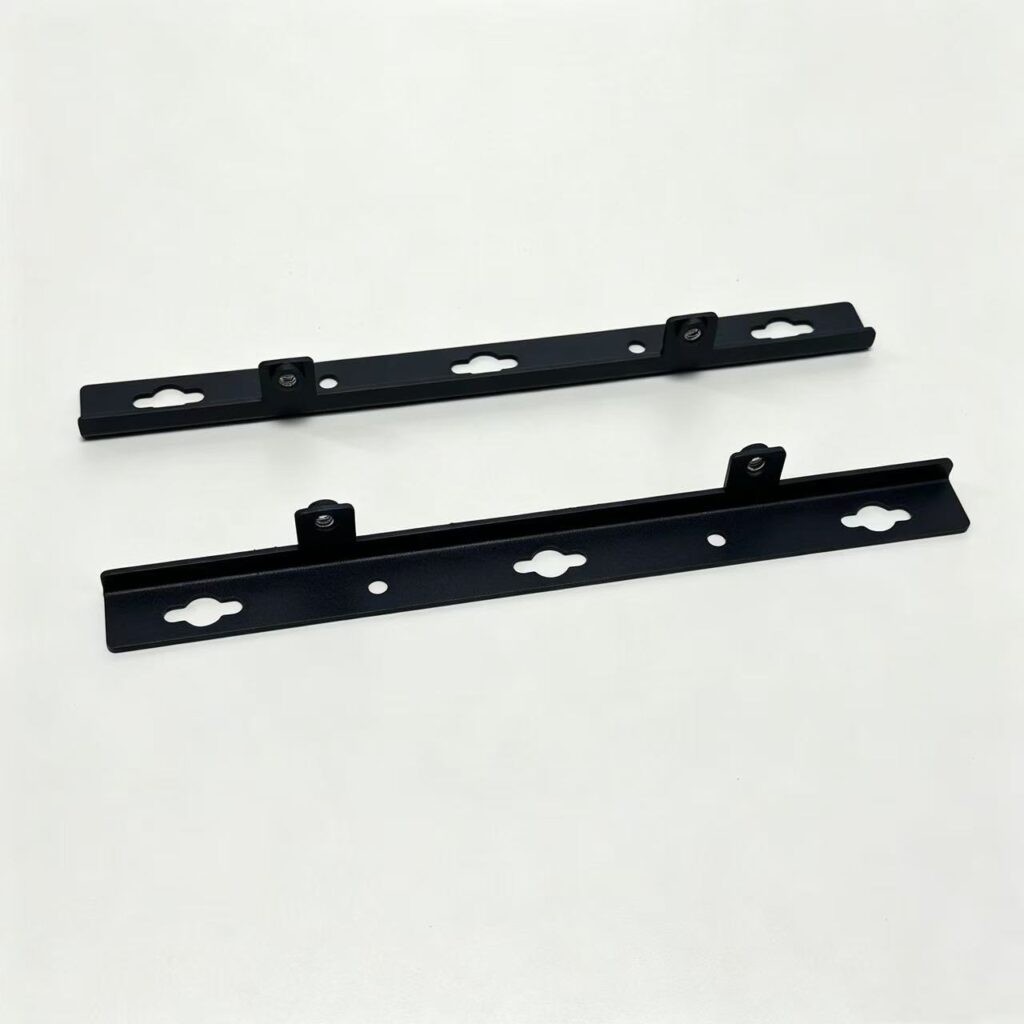
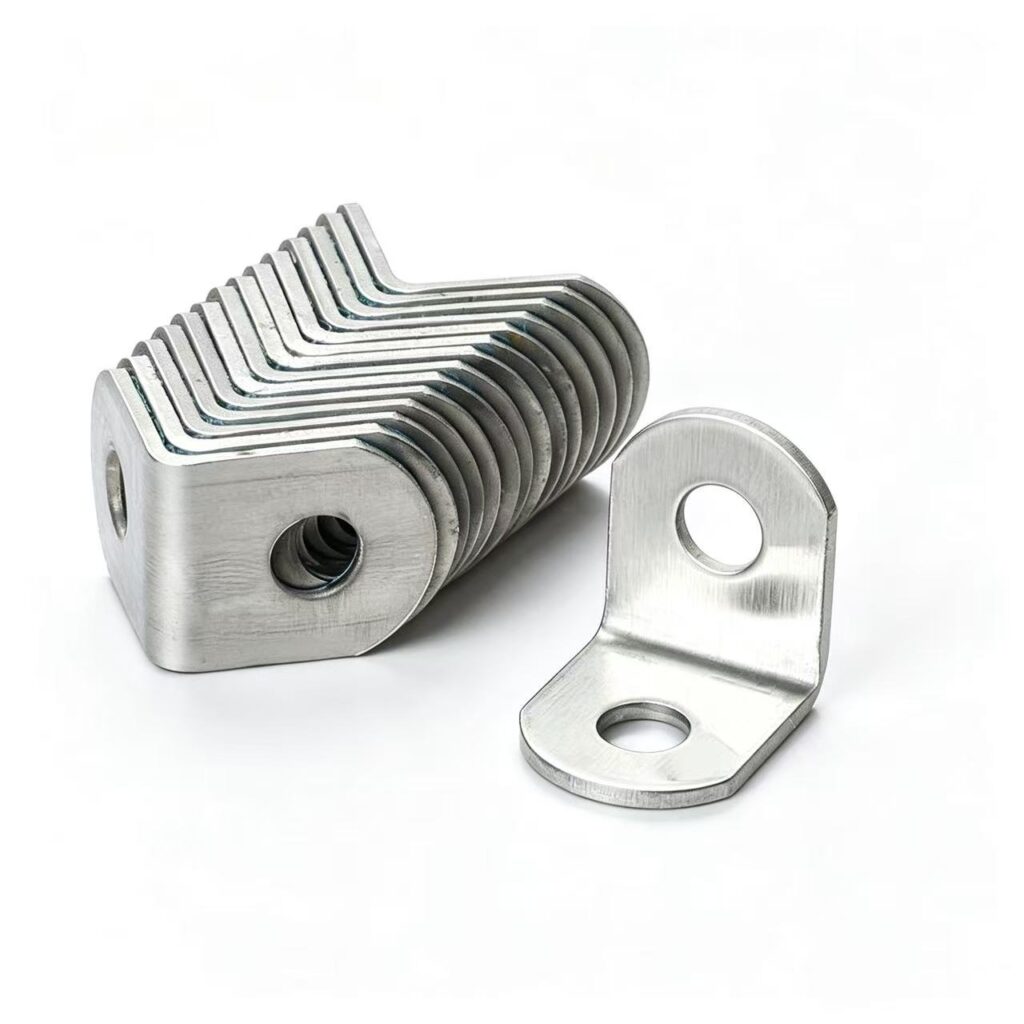
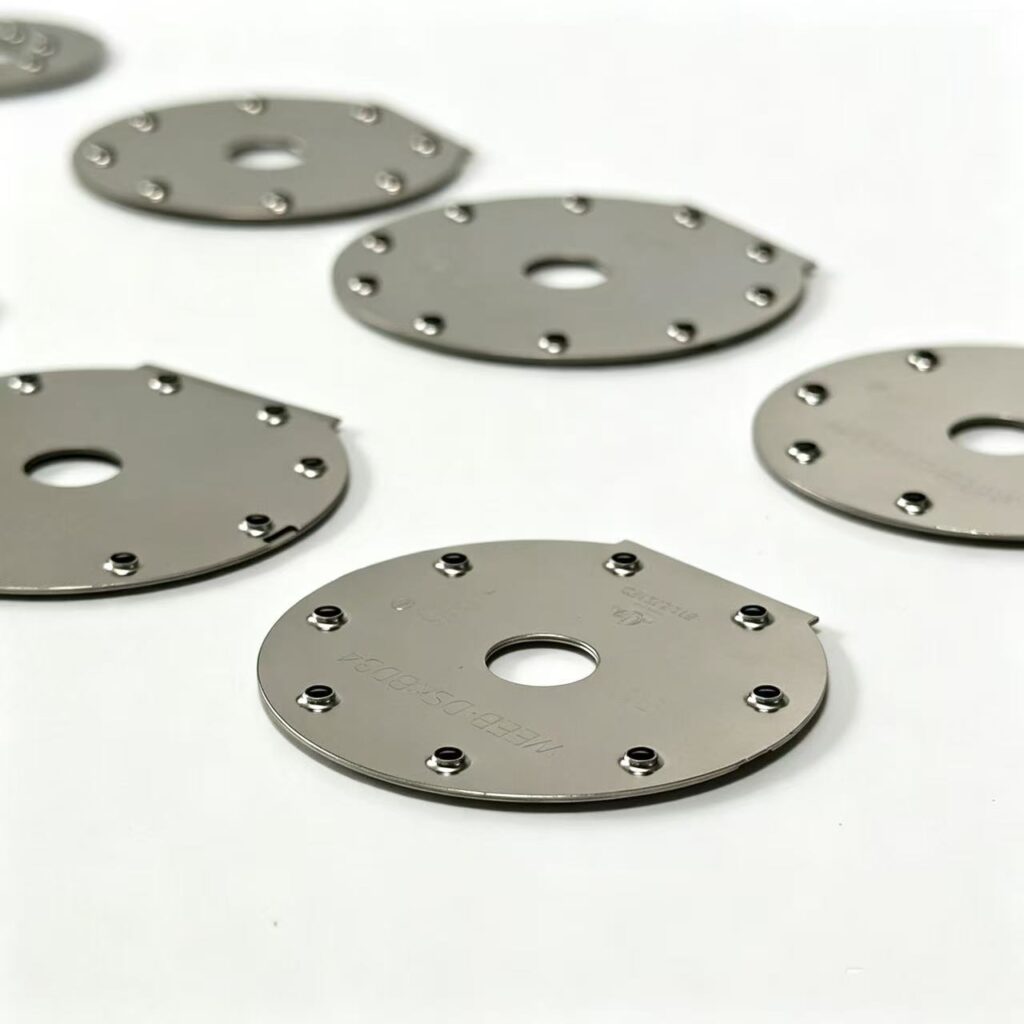
Progressive Die Stamped 316L Medical Instrument Brackets:
Client: MT,Instruments (ISO 13485 certified; USA)
Industry: Medical Device Manufacturing
Challenge:
The client needed 250;000 units per year of small (65mm × 38mm × 12mm) stamping brackets for a reusable surgical instrument sterilizer rack.
The bracket held critical alignment pins and was exposed to:
Daily autoclave sterilization (steam at 134°C / 273°F; high humidity).
Hospital grade disinfectants (bleach and quaternary ammonium compounds).
Physical impact from repeatedly loading heavy surgical trays.
The original part was machined from solid 316L bar stock.
While functional; machining had three major problems:
1. Cost: $4.20 per unit (too expensive for a semiconsumable bracket).
2. Lead time: 8 weeks for 5;000 units (machining was too slow).
3. Material waste: 65% of the 316L bar was turned into chips and scrap.
MT requested: stamping brackets alternative at ≤$1.80 per unit; with zero porosity; corrosion resistance equal to machined 316L; and a smooth; cleanable surface (no crevices for bacterial growth).
The Flow Wing Metal Execution:
Step 1: Design for Stamping (DFS) Engineering
Flow Wing Metal’s engineering team reviewed the 3D model and redesigned the stamping brackets:
Material change removed: Replaced machined bar with 1.2mm thick 316L stainless steel coil (fullhard temper for springback control; then annealed poststamp).
Geometry optimization: Added 0.5mm fillets to all internal corners (previously sharp 90°) to prevent stress cracking during forming.
Hole tolerances: Specified punched holes at +0.05mm / 0.00mm for precision pin alignment (achievable with fineblanking techniques).
Step 2: Tooling Fabrication
Die type: Progressive die with 8 stations.
Die material: Powdered metallurgy tool steel (CPM 10V) with titanium aluminumnitride (TiAlN) coating for wear resistance against workhardening 316L.
Press: 200ton Bruderer highspeed stamping press.
Stations included:
1. Pilot hole piercing
2. Main hole piercing (×4)
3. Lancing: partial cut for clearance feature
4. First 45° bend
5. Second 90° bend
6. Coining: flattening of mounting surface.
7. Blanking: part cut from carrier strip
8. Scrap cutoff
Step 3: Process Development & Testing
Trial run: 500 parts produced using mild steel (for die validation).
Stainless trial: 1;000 parts in 316L with specialized chlorinated extremepressure stamping lubricant to prevent galling.
Adjustments: Increased press speed from 40 to 55 SPM (strokes per minute); added air blast to clear small slugs from piercing stations.
Step 4: Post Stamping Brackets Operations
Degreasing: Automated threestage spray washer (alkaline wash → rinse → rust inhibitor rinse).
Deburring: Light vibratory tumbling with ceramic triangles (15 minutes) to remove punchentry burrs (<0.05mm remaining).
Passivation: Citric acid bath (20% concentration; 25 minutes at 55°C) to restore chromium oxide layer – critical for autoclave resistance.
Inspection: 100% go/nogo gauge for pin holes; laser micrometer for bend angle tolerance (±0.5°).
Step 5: Quality Validation
| Requirement | Specified | Flow Wing Result | Pass/Fail |
| Material | 316L | 316L (certified mill test report) | Pass |
| Flatness | ≤0.15mm over 65mm | 0.08mm | Pass |
| Hole position tolerance | ±0.05mm | ±0.03mm Cpk 1.67 | Pass |
| Internal corner radius | No cracks (dye penetrant test) | Zero indications | Pass |
| Salt spray resistance (ASTM B117) | ≥1;000 hours | 1;200 hours (no red rust) | Pass |
| Autoclave cycle durability | 500 cycles | 800 cycles (no discoloration or pitting) | Pass |
| Unit cost target | ≤$1.80 | $1.52 | Pass |
The Result:
Cost savings: 64% reduction per unit ($4.20 → $1.52) = $670;000 annual savings for the client.
Production speed: From 8 weeks for 5;000 units (machined) to 2 weeks for 25;000 units (stamped).
Material utilization: Increased from 35% (machined) to 82% (stamped from coil).
Quality: Zero field failures reported after 18 months of hospital use. The stamping brackets survive autoclave cycles without pitting; and the passive layer remains intact.
Client outcome: MT converted 14 additional machined stamping brackets to Flow Wing Metal stamped designs over the following 12 months.
Client testimonial:
> “Flow Wing Metal didn’t just stamping brackets – they re-engineered our entire cost structure. The progressive die tooling paid for itself in the first production run. And the part quality? Better than our original machined version.”,
> – Senior Purchasing Manager; MT Surgical Instruments
Why Choose Flow Wing Metal for Stamping Brackets?
| Capability | Flow Wing Standard |
| Press capacity | Up to 400 tons (progressive, transfer and fine blanking) |
| Maximum part size | 600mm × 900mm (larger upon request) |
| Material thickness range | 0.1mm (foil) to 8.0mm (plate) |
| Tolerances (standard) | ±0.10mm (blanking), ±0.05mm (pierced holes), ±0.5° (bends) |
| Tolerances (precision) | ±0.025mm with fine blanking or secondary coining |
| Annual volume capability | 100 to 10, 000, 000+ parts |
| Materials | Carbon steel, stainless steel (304/316/410/430), aluminum (5052/6061), copper, brass, galvanized, HSLA, preplated metals |
| Finishing inhouse | Degreasing, tumbling/vibratory, passivation, electropolishing, powder coating |
| Certifications | ISO 9001:2015, ISO 13485 (medical devices under process) |
| Lead time (tooling) | 4-8 weeks (progressive die), 2-3 weeks (single station dies) |
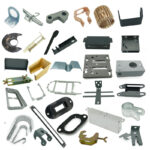
Flow Wing Metal transforms sheet metal into precision components – faster; stronger; and more economical than machining.