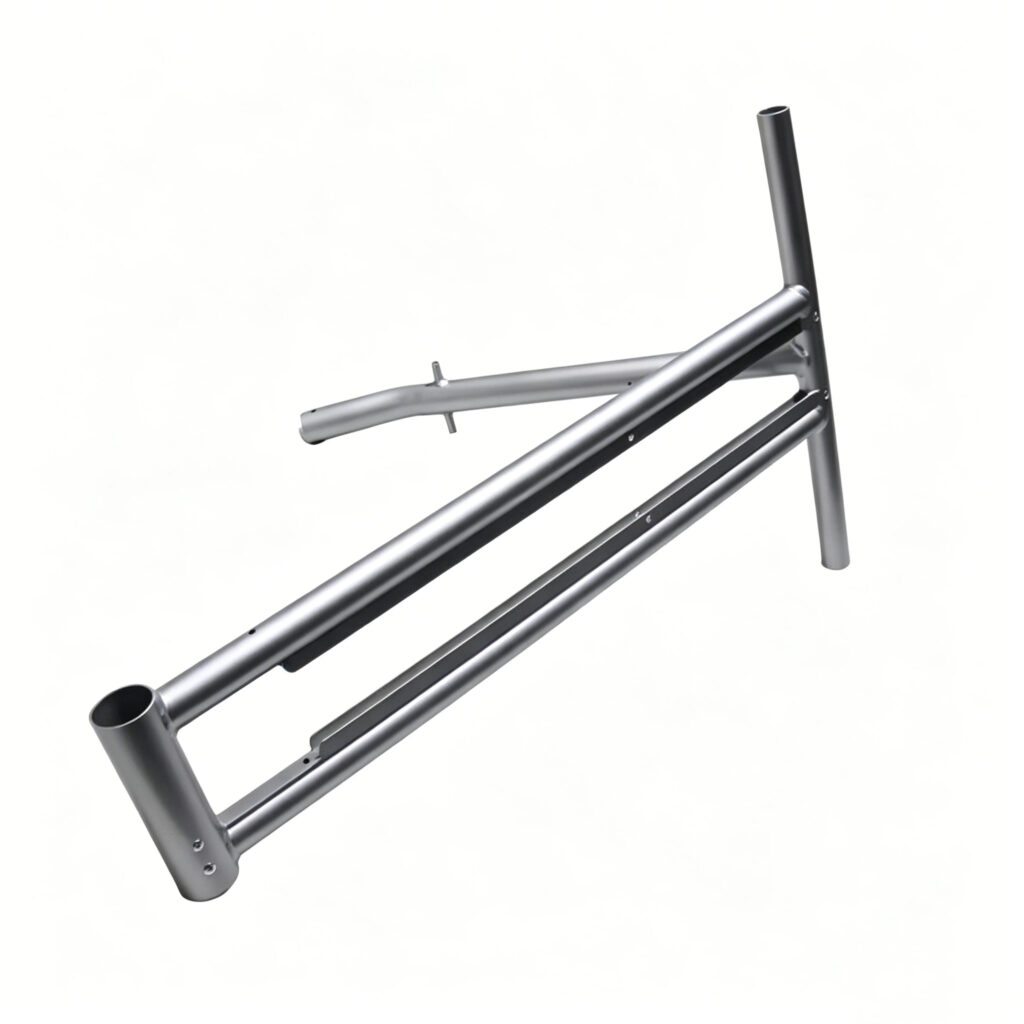
Lightweight Rigid Aluminum Wheelchair Frames with Precision TIG Welding and Reinforced Load-Bearing Design
Solicitar un presupuesto
Ingrese la cantidad que necesita y añádala a su lista de cotizaciones para solicitar precios.
Detalles del producto
What are Wheelchair Frames?
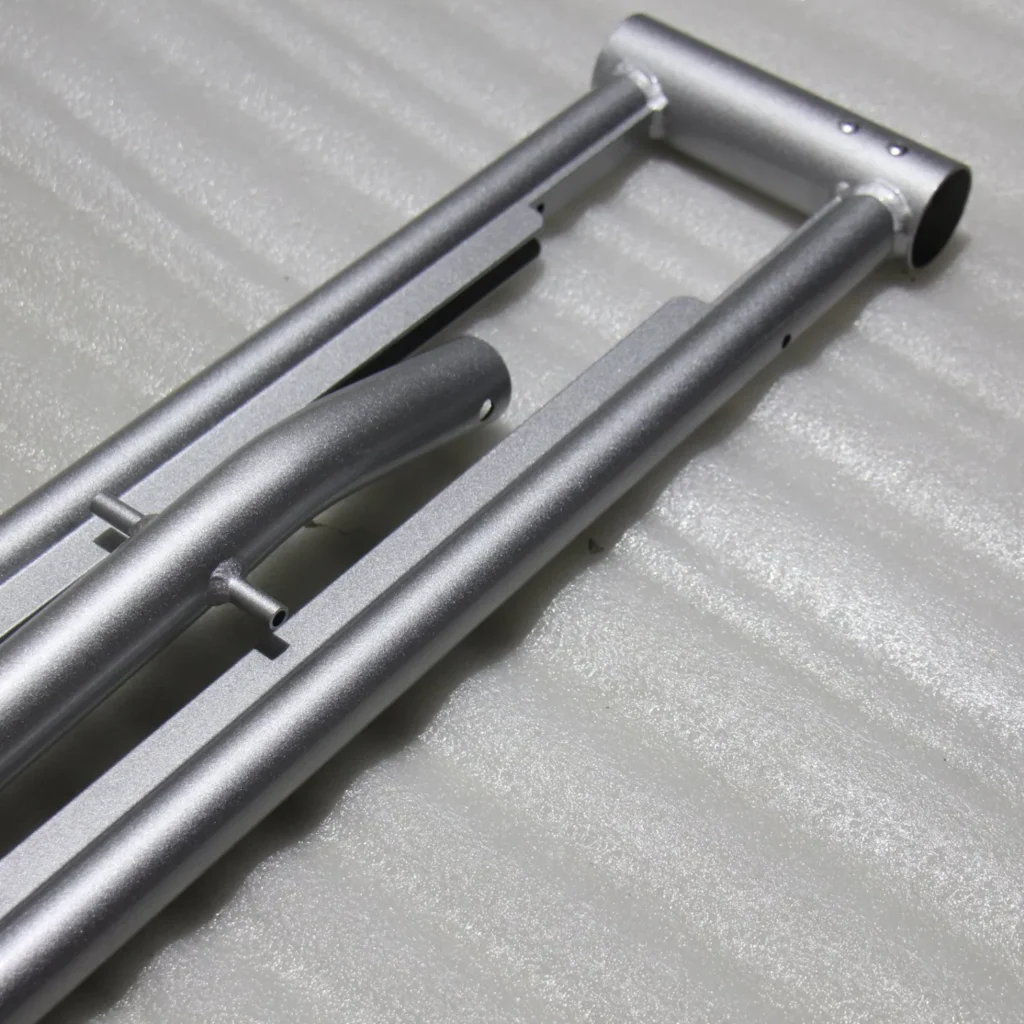
Wheelchair frames are the primary structural foundation of a wheelchair system, responsible for supporting the user’s body weight, connecting all mobility components, and ensuring stability, safety, and control during movement. In modern mobility engineering, wheelchair frames are no longer simple support structures—they are precision-engineered mechanical systems that directly influence propulsion efficiency, durability, comfort, and long-term performance.
Aluminum has become the dominant material choice for advanced wheelchair frames due to its excellent strength-to-weight ratio, corrosion resistance, and fatigue durability. Compared with traditional steel structures, aluminum frames significantly reduce overall system weight while improving maneuverability and energy efficiency. This makes them ideal for medical rehabilitation, active mobility users, and high-performance wheelchair applications.
As global demand for lightweight mobility solutions continues to grow, high-performance wheelchair frames have become a key focus in both medical device manufacturing and OEM customization industries.
Product Overview:
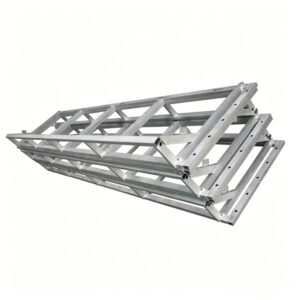
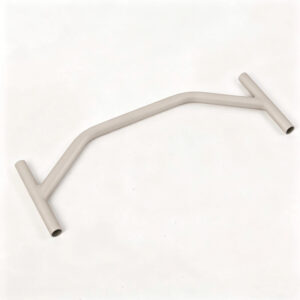
Our Lightweight Rigid Aluminum Wheelchair Frames with Precision TIG Welding and Reinforced Load-Bearing Design are engineered for premium mobility applications, offering a balance of structural rigidity, lightweight performance, and long-term reliability.
These frames are widely used by medical device manufacturers, rehabilitation equipment brands, and OEM mobility solution providers who require stable, durable, and customizable structural platforms.
The design philosophy focuses on three core principles:
- Maximum structural efficiency with minimum weight
- High-strength load-bearing capability for long-term use
- Precision manufacturing consistency for global OEM standards
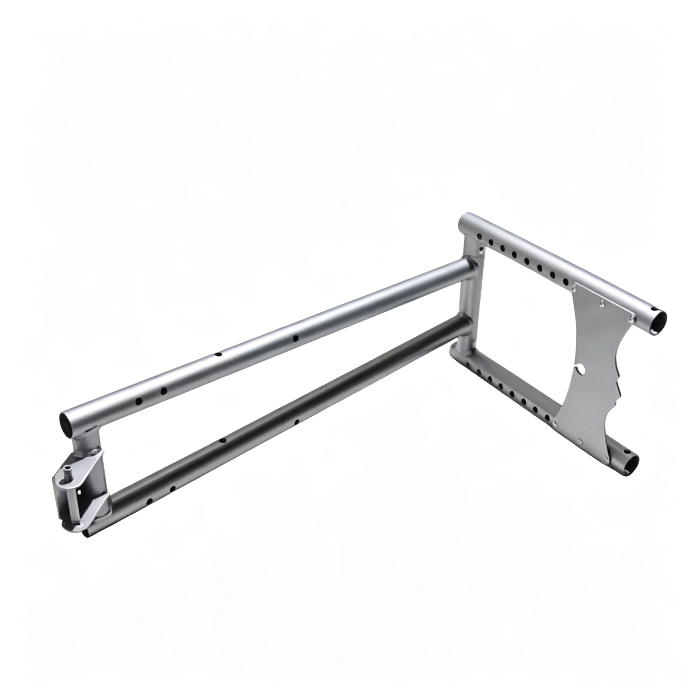
Engineering & Structural Advantages:
1. Aerospace-Grade Aluminum Material System:
The wheelchair frames are manufactured using high-performance aluminum alloys such as 6061 and 7075. These materials are widely recognized in aerospace and industrial applications for their combination of lightweight properties and high mechanical strength.
Key material benefits include:
- Excellent tensile strength and rigidity
- Superior resistance to corrosion in humid and outdoor environments
- Stable fatigue performance under repeated stress cycles
- Reduced overall wheelchair system weight for improved mobility efficiency
This material selection ensures that the wheelchair frames maintain durability even under intensive daily use.
2. Precision TIG Welding for Structural Integrity:
All critical joints of the wheelchair frames are assembled using precision TIG (Tungsten Inert Gas) welding technology. This advanced welding method ensures strong metallurgical bonding while maintaining clean and controlled weld geometry.
Technical advantages include:
- High weld strength and deep penetration
- Minimal thermal distortion and structural deformation
- Smooth and consistent weld appearance
- Improved fatigue resistance at load-bearing joints
Precision welding is essential for ensuring long-term safety performance in mobility-critical applications.
3. Reinforced Load-Bearing Structural Design:
The wheelchair frames are engineered with optimized load distribution pathways to handle dynamic stress conditions. Reinforcement is strategically applied to high-stress areas such as joint intersections, wheel mounting zones, and central load transfer points.
Engineering enhancements include:
- Finite element analysis (FEA)-based structural optimization
- Reinforced geometry at stress concentration zones
- Improved impact resistance under uneven terrain conditions
- Enhanced long-term fatigue durability
This ensures stable performance even under continuous and demanding usage environments.
4. Rigid Frame Architecture for Performance Mobility:
The rigid structural design eliminates energy loss commonly found in folding systems, resulting in more efficient propulsion and improved directional control.
Performance advantages:
- Direct energy transfer from user to wheel movement
- Higher propulsion efficiency with reduced effort
- Improved stability during high-speed or long-distance movement
- Reduced mechanical complexity and maintenance requirements
Rigid architecture is widely preferred in sports wheelchairs and high-performance rehabilitation systems.
5. Surface Treatment for Durability and Protection:
To ensure long-term reliability and environmental resistance, all wheelchair frames undergo advanced surface finishing processes such as anodizing or powder coating.
These treatments provide:
- Enhanced corrosion resistance for long-term outdoor use
- Improved scratch and wear resistance
- Stable surface quality under repeated cleaning and handling
- Extended service life in medical environments
The surface finishing also improves product aesthetics and professional appearance.
6. OEM & Custom Engineering Capability:
We provide full customization support for wheelchair frames to meet different market and application requirements. OEM services include:
- Frame geometry customization based on user needs
- Load capacity optimization for different weight classes
- Wheelbase and axle positioning adjustment
- Integration compatibility with seating and support systems
- Branding and surface finishing customization
This flexibility allows manufacturers to develop differentiated mobility products for global markets.
Manufacturing Process Overview:
Each wheelchair frame is produced under a controlled and standardized manufacturing system:
- CNC precision cutting of aluminum profiles
- Jig-based alignment and positioning assembly
- Precision TIG welding with controlled heat input
- Stress relief and structural stabilization
- Surface treatment (anodizing or powder coating)
- Full inspection including dimensional and load testing
Every production step is designed to ensure repeatability, safety, and OEM-level quality consistency.
Application Scenarios:
Our aluminum wheelchair frames are widely applied in:
- Medical rehabilitation wheelchairs
- Sports and racing mobility systems
- Elderly assistance mobility devices
- Hospital-grade mobility equipment
- Custom OEM wheelchair manufacturing projects
They are suitable for both standard production and high-performance customized solutions.
Performance Benefits Summary:
- Reduced total wheelchair system weight
- Improved propulsion efficiency and mobility control
- Enhanced structural strength and load stability
- Long service life with fatigue resistance
- High customization flexibility for OEM markets
- Consistent manufacturing quality for global distribution
Flow Wing Metal Case Study: Custom Wheelchair Frames Project
Flow Wing Metal collaborated with a European mobility equipment manufacturer to develop a customized aluminum wheelchair frame system designed for rehabilitation and active users.
Project Requirements:
The client required a lightweight yet highly rigid structure capable of supporting long-term daily use while maintaining ergonomic comfort and manufacturing consistency for mass production.
Engineering Solution:
We applied aerospace-grade aluminum materials combined with precision TIG welding technology. Structural reinforcement was implemented in high-stress zones, while finite element analysis was used to optimize load distribution and improve mechanical stability.
Results:
- Overall frame weight reduced by approximately 18%
- Structural rigidity improved by over 30%
- Zero weld failure observed during fatigue testing cycles
- Significant improvement in propulsion efficiency and user comfort
This project demonstrates Flow Wing Metal’s capability in delivering advanced OEM wheelchair frame solutions for global mobility markets.