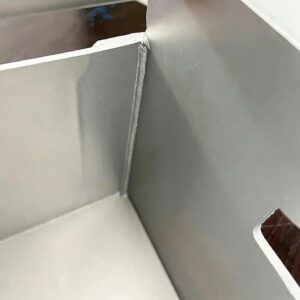
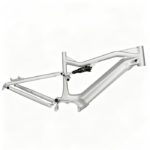
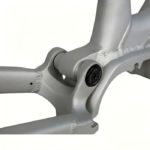
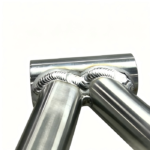
Soudure de cadre de vélo en aluminium de haute qualité avec impulsion TIG
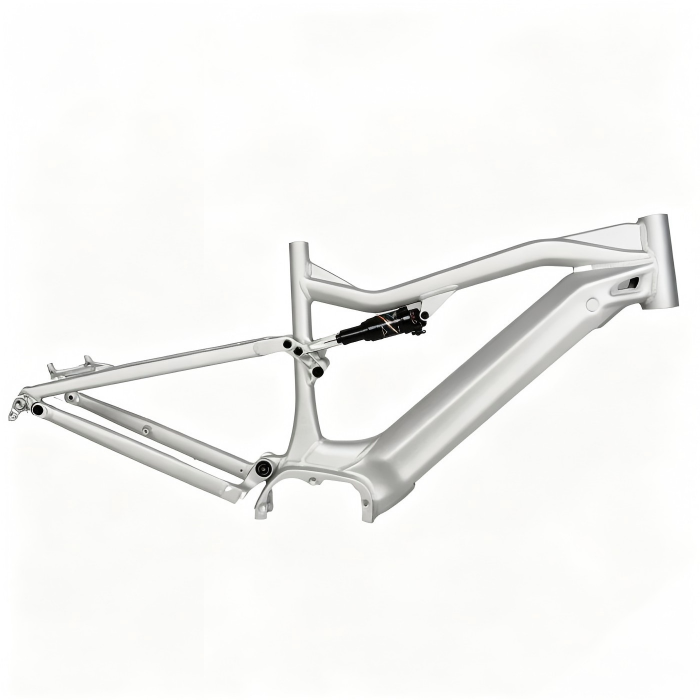
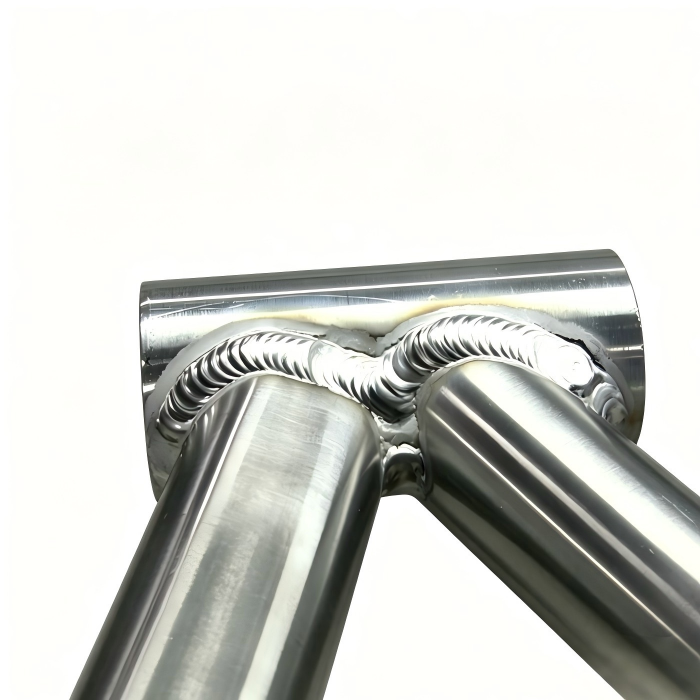
Le soudage de cadres de vélo en aluminium sur mesure utilise le soudage TIG pulsé pour assembler des tubes de 1,6 mm avec précision, résistance et soudures propres pour des cadres légers.
Request a Quote
Enter the quantity you need and add to your quote list for pricing inquiries.
Product Details
Soudure experte de cadres de vélo en aluminium pour vélos de route, VTT, vélos électriques et cadres à géométrie personnalisée. Soudés TIG, traités thermiquement et inspectés à 100%. OEM et petites séries bienvenues.
Pourquoi la qualité de la soudure définit un cadre de vélo?
Un cadre de vélo n'est pas qu'une structure. C'est l'interface entre le cycliste et la route. Pour les cadres en aluminium, la qualité de la soudure détermine tout : la rigidité, la durée de vie en fatigue, le confort de conduite et la sécurité.
Contrairement à l'acier ou au titane, l'aluminium nécessite une approche de soudure complètement différente. Les mauvaises soudures entraînent des fissures au niveau de la douille de direction, du boîtier de pédalier ou des pattes. Les bonnes soudures deviennent presque invisibles et durent plus longtemps que le cadre lui-même.
En tant qu'atelier de soudure spécialisé dans l'aluminium, nous ne soudons pas tous les métaux. Nous nous concentrons uniquement sur l'aluminium, en particulier les alliages des séries 6000 et 7000 utilisés dans les cadres de vélo haute performance.
Chaque soudure de cadre de vélo en aluminium que nous produisons équilibre la pénétration, l'apport de chaleur et l'aspect du cordon. Le résultat est un cadre léger, rigide et fiable pour des années de conduite intensive.
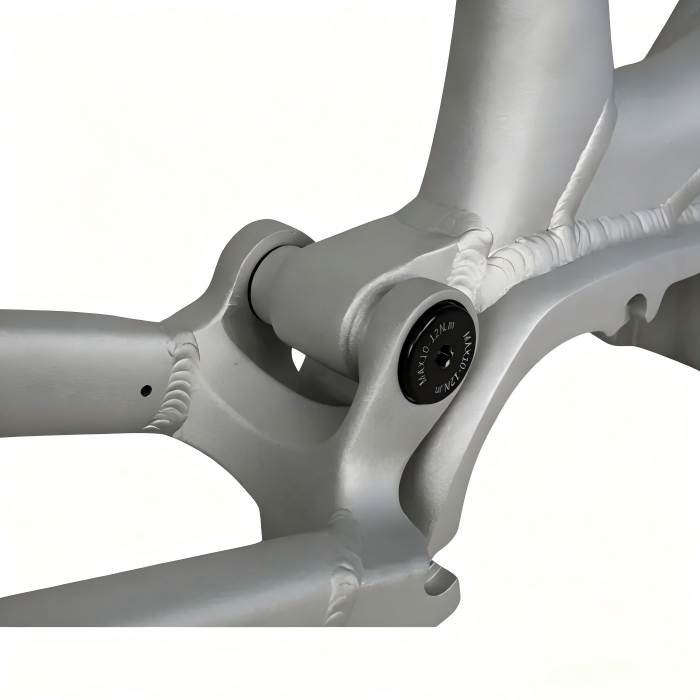
Notre processus de soudure de l'aluminium pour cadres de vélo :
La soudure de cadres de vélo est différente de la soudure industrielle. Les tubes sont fins, l'épaisseur de paroi peut être de 0,8 mm à 1,6 mm. Les assemblages comprennent des onglets, des joints bout à bout et parfois des joints à emboîtement. La chaleur doit être contrôlée avec précision pour éviter les brûlures ou les déformations.
Nous utilisons exclusivement la soudure TIG (GTAW) pour les cadres de vélo. Ce procédé nous donne le meilleur contrôle sur l'arc et le métal d'apport. C'est pourquoi les clients nous font confiance pour la soudure de cadres de vélo en aluminium sur des projets haut de gamme.
Technique TIG pour parois minces:
Pour les tubes supérieurs, les tubes diagonaux et les tubes de selle, nous utilisons le TIG à faible ampérage avec des baguettes d'apport de petit diamètre, généralement 1,6 mm ou 2,4 mm ER4047 ou ER5356. L'arc est concentré et bref. Chaque passe de soudure ne fait que quelques millimètres de long. Cela empêche une chaleur excessive de remonter le long du tube et d'adoucir la zone affectée thermiquement.
Pulsation pour la gestion de la chaleur:
Nous utilisons la pulsation par pédale ou bouton de torche sur tous les travaux de soudure de cadres de vélo. La pulsation permet au bain de soudure de refroidir légèrement entre les pics de courant. Cela réduit l'apport thermique global tout en maintenant la fusion. Le résultat est un cordon fin en forme de pièces empilées, sans contre-dépouille ni suintement.
Purge arrière pour les joints critiques :
Pour les coquilles de boîtier de pédalier et les jonctions de douille de direction où la résistance est critique, nous effectuons une purge arrière à l'argon. La purge arrière empêche l'oxydation à l'intérieur de la soudure, assurant une pleine pénétration sans rugosité interne qui pourrait devenir plus tard un point d'amorçage de fissure. Cette attention aux détails définit notre service de soudure de cadres de vélo en aluminium.
Alliages d'aluminium que nous soudons pour les cadres de vélo :
Toutes les soudures d'aluminium ne fonctionnent pas de la même manière. Nous sélectionnons le métal d'apport et les réglages en fonction de l'alliage de base. Une bonne sélection d'alliage est un élément clé d'une soudure réussie de cadre de vélo en aluminium.
Aluminium 6061-T6 :
L'alliage le plus courant pour les cadres de milieu de gamme et sur mesure. Il se soude proprement avec le métal d'apport ER4047. Un vieillissement post-soudure restaure une grande partie de sa résistance d'origine. Nous soudons le 6061 quotidiennement et avons optimisé les paramètres pour chaque épaisseur de tube, de 0,9 mm à 3 mm au niveau du boîtier de pédalier.
Aluminium 7005 :
Un choix populaire pour les cadres de VTT. Le 7005 ne nécessite pas de traitement thermique post-soudure aussi strictement que le 6061. Cependant, il est plus sensible aux fissures. Nous utilisons le métal d'apport ER5356 pour le 7005 et maintenons la température entre les passes en dessous de 200°F pour éviter la fissuration à chaud. Chaque soudure de cadre de vélo en aluminium sur du 7005 reçoit une inspection supplémentaire.
Aluminium 6066 et 6013:
Utilisés dans les cadres haut de gamme où le rapport rigidité/poids est critique. Ces alliages nécessitent une sélection précise du métal d'apport et bénéficient souvent d'un traitement thermique de mise en solution post-soudure. Nous avons de l'expérience avec les deux.
Si vous nous envoyez la conception de votre cadre, nous recommanderons le meilleur alliage et la meilleure procédure de soudure pour votre usage prévu : route, trail, descente ou vélo électrique. Notre expertise en soudure de cadres de vélo en aluminium couvre tous les alliages principaux.
Types de cadres que nous soudons:
Notre service de soudure de cadres de vélo en aluminium couvre tous les types de cadres de vélo standard et certains non standard.
Cadres de vélo de route :
Tubes fins, dégagements serrés et soudures visibles. Les cyclistes sur route se soucient du poids et de l'esthétique. Nos soudures de cadres de route sont lisses, uniformes et nécessitent une finition minimale. Nous pouvons souder des cadres diamant standard, des formes aérodynamiques et des géométries personnalisées.
Cadres de VTT :
Les cadres VTT subissent des charges de choc, de la boue et des impacts de rochers. Le renforcement des soudures dans les zones à fortes contraintes comme le joint tube diagonal-douille de direction est essentiel. Nous laissons un petit congé contrôlé aux jonctions critiques pour la résistance à la fatigue. Les cadres semi-rigides, tout suspendus et de dirt jump relèvent tous de notre capacité de soudure de cadres de vélo.
Cadres de vélos électriques:
Les cadres de vélos électriques supportent des moteurs et des batteries. Les tubes sont souvent de plus grand diamètre et d'épaisseur de paroi plus importante pour supporter le couple. La soudure nécessite une pénétration plus profonde et des points de soudure plus longs. Nous ajustons les paramètres en conséquence. L'intégration du boîtier de batterie et la soudure du support moteur sont des demandes standard en soudure de cadres de vélo en aluminium pour l'e-mobilité.
Cadres de fat bikes et de vélos cargo:
Tubes surdimensionnés et sections non rondes. Le bridage est plus complexe. Nous construisons des gabarits de soudure personnalisés pour les formes de cadre inhabituelles afin de maintenir l'alignement pendant toute la soudure.
Cadres sur mesure et uniques:
Vous travaillez avec des constructeurs de cadres individuels ou des petites marques ? Nous acceptons les petites séries à partir d'un seul cadre. Nous n'exigeons pas de commandes minimales importantes. Envoyez-nous vos tubes ongletés ou vos pièces brutes découpées, et nous soudons selon vos plans. Chaque soudure de cadre de vélo en aluminium est réalisée selon vos spécifications exactes.
Traitement thermique post-soudure et redressage:
De nombreux cadres en aluminium nécessitent un traitement thermique post-soudure pour restaurer la résistance perdue lors de la soudure de l'aluminium. Nous proposons deux niveaux de service.
PWHT standard (Vieillissement artificiel):
Pour les cadres en 6061, nous proposons un vieillissement artificiel à 325°F à 350°F pendant 8 à 12 heures. Cela restaure la trempe T6 dans la zone affectée thermiquement. Les cadres sont plus rigides et résistent mieux aux bosses après le traitement. Cette étape complète notre processus de soudure de cadres de vélo en aluminium pour la plupart des clients.
Traitement thermique de mise en solution et trempe :
Pour les cadres haute performance, nous proposons un traitement de mise en solution : chauffage à 980°F, maintien, puis trempe à l'eau, suivi d'un vieillissement. Cela maximise la résistance mais comporte un risque de déformation. Nous recommandons cela uniquement pour les cadres de course ou lorsque la durée de vie en fatigue maximale est requise.
Redressage du cadre:
La chaleur de la soudure provoque toujours un certain mouvement. Après soudage et traitement thermique, nous redressons les cadres sur une plaque de surface en utilisant une force contrôlée. Nous pouvons maintenir l'alignement à moins de 1 mm sur l'ensemble du cadre.
Contrôle qualité des cadres de vélo soudés:
Une soudure fissurée sur un cadre de vélo en aluminium est un danger pour la sécurité. Nous ne prenons pas de risques.
Inspection visuelle de chaque joint:
Chaque cordon de soudure est inspecté sous une lumière vive et avec un grossissement. Nous recherchons les fissures, la porosité, les caniveaux, le manque de fusion, et la concavité ou convexité excessive.
Contrôle par ressuage:
Pour les projets clients où la sécurité est critique, comme les cadres de VTT de descente ou de vélos électriques, nous effectuons un contrôle par ressuage sur toutes les soudures fortement sollicitées. Cela révèle les microfissures invisibles à l'œil nu. Ce test donne confiance aux clients dans notre soudage de cadres de vélo en aluminium.
Vérification de l'alignement:
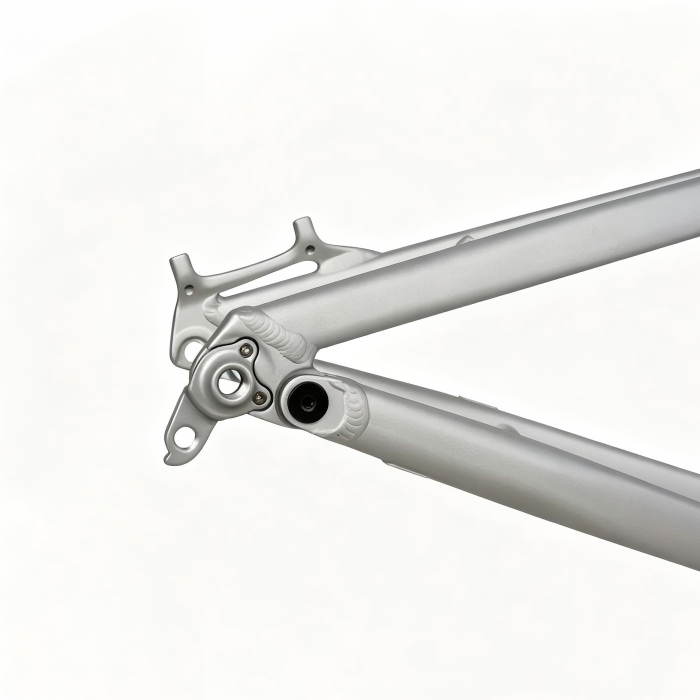
Chaque cadre est vérifié sur une table d'alignement de précision. L'angle du tube de direction, l'angle du tube de selle, le drop du boîtier de pédalier et l'alignement des pattes arrière sont mesurés. Nous rejetons tout cadre hors tolérance.
Essais destructifs sur échantillons:
Pour les nouveaux modèles de cadres ou la production en série, nous soudons des coupons d'essai qui sont coupés, polis et examinés au microscope. Nous effectuons également des essais de pliage pour confirmer la ductilité. Ces données valident chaque lot de soudage de cadres de vélo en aluminium que nous effectuons.
Pourquoi nous choisir pour le soudage de cadres de vélo en aluminium?
Nous ne sommes pas un atelier de fabrication générale. Nous nous concentrons sur le soudage de cadres de vélo en aluminium et rien d'autre. Cette spécialisation vous offre trois avantages.
Premièrement, la régularité. Nous soudons des cadres tous les jours. Nos soudeurs comprennent instinctivement l'apport de chaleur, le temps de purge et le choix du métal d'apport. Vous n'obtenez pas de soudures expérimentales. Vous obtenez une répétabilité prête pour la production. Chaque soudure de cadre de vélo en aluminium a le même aspect et les mêmes performances.
Deuxièmement, l'évolutivité. Nous pouvons souder un prototype ou cinquante cadres. Notre configuration d'établi utilise un outillage modulaire qui s'adapte rapidement à différentes géométries. Le délai de livraison pour les petites séries est généralement de 10 à 15 jours ouvrés.
Troisièmement, le support technique. Vous n'êtes pas sûr que vos coupes de tubes soient correctes ? Inquiet de la déformation thermique sur un tube diagonal à paroi mince ? Notre équipe examine votre CAO ou votre dessin avant le début du soudage du cadre de vélo en aluminium et suggère des améliorations.
Nous servons actuellement des marques de vélos en Amérique du Nord, en Europe et en Australie. Beaucoup de nos clients ont commencé avec deux ou trois cadres prototypes et commandent maintenant des lots de production chaque trimestre. Ils restent avec nous parce que notre soudage de cadres de vélo en aluminium offre des cadres fiables, cadre après cadre.