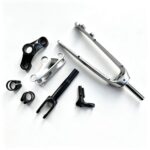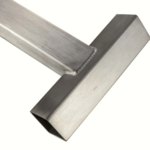
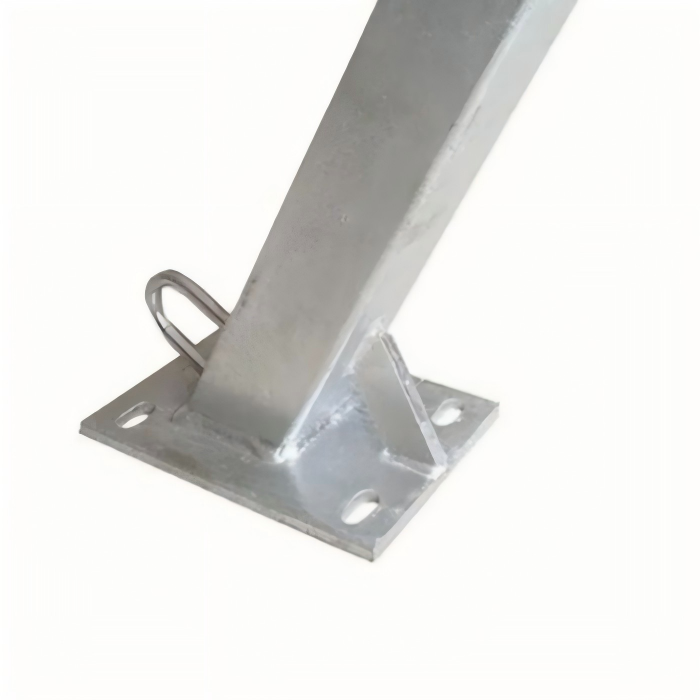
Engine Motor Mount Bracket Custom Builder Special 2 Axis Adjustable TIG Welding Service Any Engine Any Chassis
Demande de devis
Saisissez la quantité dont vous avez besoin et ajoutez-la à votre liste de devis pour obtenir des informations sur les prix.
Détails du produit
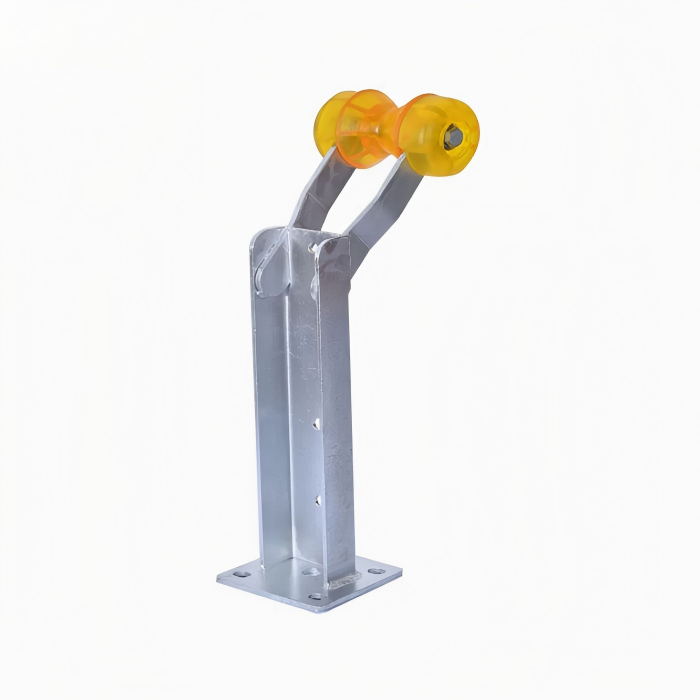
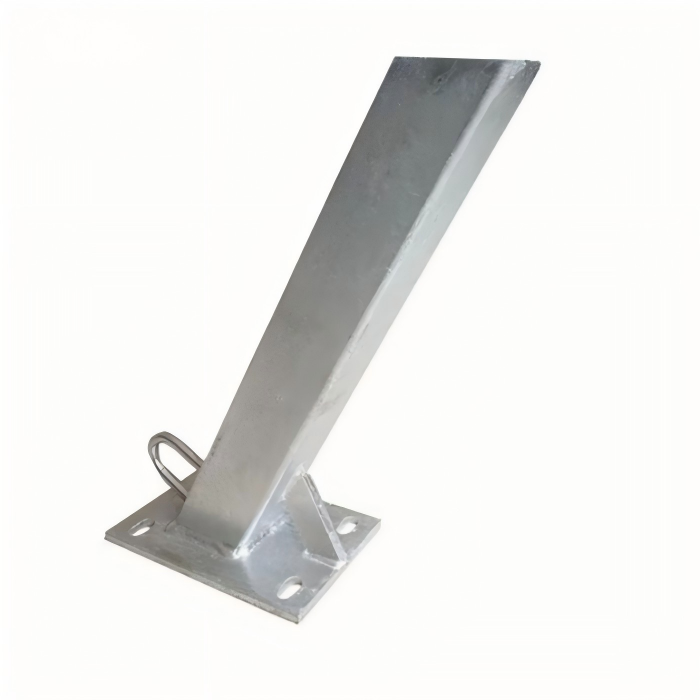
Heavy-duty engine motor mount bracket fabricated with precision TIG welding. 6061 aluminum, vibration-dampening design, custom-fit for any vehicle or industrial application.
Why Aluminum for Engine Motor Mount Brackets?
Most original equipment manufacturers use cast iron or welded steel for engine motor mount bracket applications. These materials are inexpensive and familiar but carry significant penalties in weight and corrosion resistance.
An aluminum engine motor mount bracket offers three distinct advantages:
Weight Reduction:
Steel mounting brackets typically weigh between 8 and 12 pounds per side, while comparable aluminum designs often weigh only 3 to 5 pounds. This reduction in vehicle weight can contribute to improved acceleration, handling, braking performance, and overall fuel efficiency.
Corrosion Resistance:
Engine compartments are exposed to moisture, road salt, oil residue, and other contaminants that can accelerate corrosion. Unlike steel, aluminum naturally forms a protective oxide layer that helps resist environmental degradation without requiring additional corrosion protection.
Thermal Management:
Aluminum offers significantly higher thermal conductivity than steel, allowing heat to dissipate more efficiently throughout the component. Improved heat transfer can help reduce temperatures around rubber isolators, wiring harnesses, and nearby engine bay components.
Precision Fabrication Requirements:
While aluminum offers substantial performance benefits, it also demands greater precision during manufacturing. Proper material preparation, heat control, and welding techniques are essential to maintain dimensional accuracy and structural integrity in high-load applications.
However, aluminum requires expert welding. This is where our tig welding process becomes essential.
The TIG Welding Advantage for Motor Mount Brackets:
Not all welding processes produce a reliable engine motor mount bracket. The component undergoes constant vibration, temperature swings from -30°C to +150°C, and repeated shock loads from engine torque.
Why TIG Welding Outperforms Other Methods:
MIG Welding deposits filler metal quickly but leaves microscopic porosity within the weld pool. For an engine motor mount bracket, that porosity creates crack initiation sites. Over thousands of vibration cycles, these cracks grow until the bracket fails.
Stick Welding introduces flux residues that trap moisture against aluminum, accelerating galvanic corrosion. It also produces excessive heat input, warping the bracket and throwing off mounting hole alignment.
Laser Welding requires perfect joint fit-up and expensive equipment. It also creates a very narrow, brittle heat-affected zone that can fracture under the dynamic loads an engine motor mount bracket experiences daily.
TIG Welding solves all these problems. Our AC tig welding process with pulse control allows us to:
- Achieve full fusion without porosity or inclusions
- Control heat input precisely to prevent warping of the engine motor mount bracket
- Produce smooth, stack-of-dimes weld beads that distribute stress evenly
- Use 5356 aluminum filler rod for maximum ductility and fatigue resistance
Every engine motor mount bracket we produce features TIG welds that are both visually consistent and structurally sound. We inspect each weld under magnification to verify complete penetration and absence of defects.
Design and Construction of Our Engine Motor Mount Bracket:
A properly engineered engine motor mount bracket balances multiple requirements: strength, stiffness, vibration isolation, and precise dimensional accuracy. Our fabrication process addresses each systematically.
Material Selection:
We fabricate every engine motor mount bracket from 6061-T6 aluminum. This alloy offers:
- Yield strength: 40,000 psi
- Ultimate tensile strength: 45,000 psi
- Excellent weldability with 5356 filler rod
- Superior fatigue resistance for dynamic applications
For extreme-duty applications such as diesel engines or competition race cars, we offer 7075-T6 aluminum. This aerospace-grade alloy delivers 70,000 psi yield strength but requires specialized TIG welding techniques that our shop has mastered.
Plate Thickness:
Depending on engine weight and torque output, we select appropriate material thickness for your engine motor mount bracket:
| Engine Type | Typical Weight | Bracket Thickness |
|---|---|---|
| 4-cylinder | 200-350 lbs | 3/16″ (4.8mm) |
| V6 / small V8 | 350-500 lbs | 1/4″ (6.4mm) |
| Large V8 / diesel | 500-800 lbs | 5/16″ (7.9mm) |
| Industrial / marine | 800+ lbs | 3/8″ (9.5mm) |
Geometry and Fitment:
Each engine motor mount bracket is custom-designed to your specific vehicle, engine, and chassis configuration. We maintain CAD templates for common swaps including:
- LS engines into classic cars
- Honda K-series into vintage chassis
- Cummins diesel into Ford or GM trucks
- Electric motor conversions (mounting motor to original engine mounts)
For unique applications, we work from your measurements, existing brackets, or 3D scans.
Custom Fabrication Process:
When you order an engine motor mount bracket from our shop, you receive a component built specifically for your project, not a generic part adapted to fit.
Step 1: Design Consultation
Our team gathers key project details, including engine type, chassis specifications, and any special requirements such as turbocharger clearance, accessory drive locations, exhaust routing, or suspension constraints.
Step 2: Material Cutting
Aluminum plate is precision-cut using CNC machining, waterjet cutting, or routing equipment. This process produces accurate dimensions and clean edges that are ready for fabrication.
Step 3: TIG Welding Assembly
Certified welders assemble the structure using AC TIG welding with controlled heat input. Components are carefully positioned and tack welded before full-penetration welds are applied in a sequence designed to minimize distortion.
Step 4: Heat Treatment (Optional)
For applications requiring maximum mechanical properties, post-weld heat treatment can be performed to restore strength that may be affected during the welding process.
Step 5: Final Machining
Critical mounting surfaces are machined to ensure flatness and dimensional accuracy. Remaining holes and locating features are completed during this stage to ensure precise fitment.
Step 6: Surface Finishing
Available finishing options include mill finish, clear anodizing, black anodizing, and powder coating in a wide range of colors to match both functional and aesthetic requirements.
Applications Beyond Automotive:
While most customers seek an engine motor mount bracket for cars and trucks, our TIG welding capabilities serve many industries:
Marine Applications:
Inboard marine engines require highly corrosion-resistant mounting solutions due to constant exposure to moisture and saltwater environments. Aluminum-based designs are widely used in these conditions where steel components would rapidly degrade.
Industrial Generator Systems:
Stationary generator sets depend on precise engine and alternator alignment for stable long-term operation. Custom-fabricated mounting structures help maintain alignment under continuous vibration and load conditions.
Electric Vehicle Conversions:
EV conversion projects often require adapter-style mounting systems to integrate electric motors into legacy chassis platforms. Custom brackets are designed to interface with existing engine mounting points while supporting new drivetrain configurations.
Aircraft and Lightweight Aviation:
Experimental and light sport aircraft applications benefit from reduced weight and high-strength aluminum structures. Properly fabricated and welded mounting components are used where weight savings and reliability are critical design factors.
FAQ:
Q: Can you weld an engine motor mount bracket for a diesel engine?
A: Yes. Diesel engines produce higher vibration and torque than gasoline engines. We use thicker material (5/16″ or 3/8″) and add gussets to the engine motor mount bracket design specifically for diesel applications.
Q: Do you provide the rubber isolators or just the metal bracket?
A: We fabricate the metal engine motor mount bracket only. We can recommend isolators based on your engine weight and application, or we can design the bracket to accept OEM or aftermarket mounts you provide.
Q: Is TIG welding really necessary for a motor mount bracket?
A: For safety-critical components like an engine motor mount bracket, yes. TIG welding produces the most reliable, inspectable welds. A broken mount bracket can drop the engine onto the steering rack or axle, causing loss of control.
Q: Can you weld cracked or broken original brackets?
A: We prefer to fabricate new rather than repair. Cast aluminum engine motor mount brackets absorb oil and contaminants that make reliable TIG welding difficult. A new fabricated bracket from clean 6061 plate is stronger than any repair.