Choosing the right metal brackets is not simply a matter of selecting a suitable shape or thickness. In machinery, automotive systems, furniture, and industrial equipment, metal brackets can carry loads, connect components, reinforce structures, and maintain assembly accuracy.
A well-designed bracket needs to match its working environment, load conditions, material requirements, and manufacturing process. The wrong metal brackets can lead to deformation, vibration, installation problems, or premature failure.
This guide explains the main factors engineers and purchasing teams should consider when selecting metal brackets for different applications.
What Are Metal Brackets?
Metal brackets are structural or supporting components manufactured from materials such as steel, stainless steel, or aluminum.
Depending on the application, metal brackets may be:
- Bent from sheet metal
- Cut from steel or aluminum plate
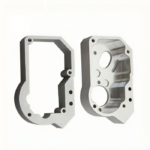
- CNC machined
- Gestanzt
- Welded from several components
- Reinforced with gussets or ribs
The final design depends on the required load, mounting method, available space, and working environment.
For equipment manufacturers, custom metal brackets are often more practical than standard products because the mounting holes, dimensions, angles, and reinforcement can be designed around the actual machine.
Load Requirements for Metal Brackets:
Load should be considered before selecting metal brackets.
A bracket may experience static weight, tension, compression, bending, vibration, or impact. Some applications also involve repeated loading, which can create fatigue over time.
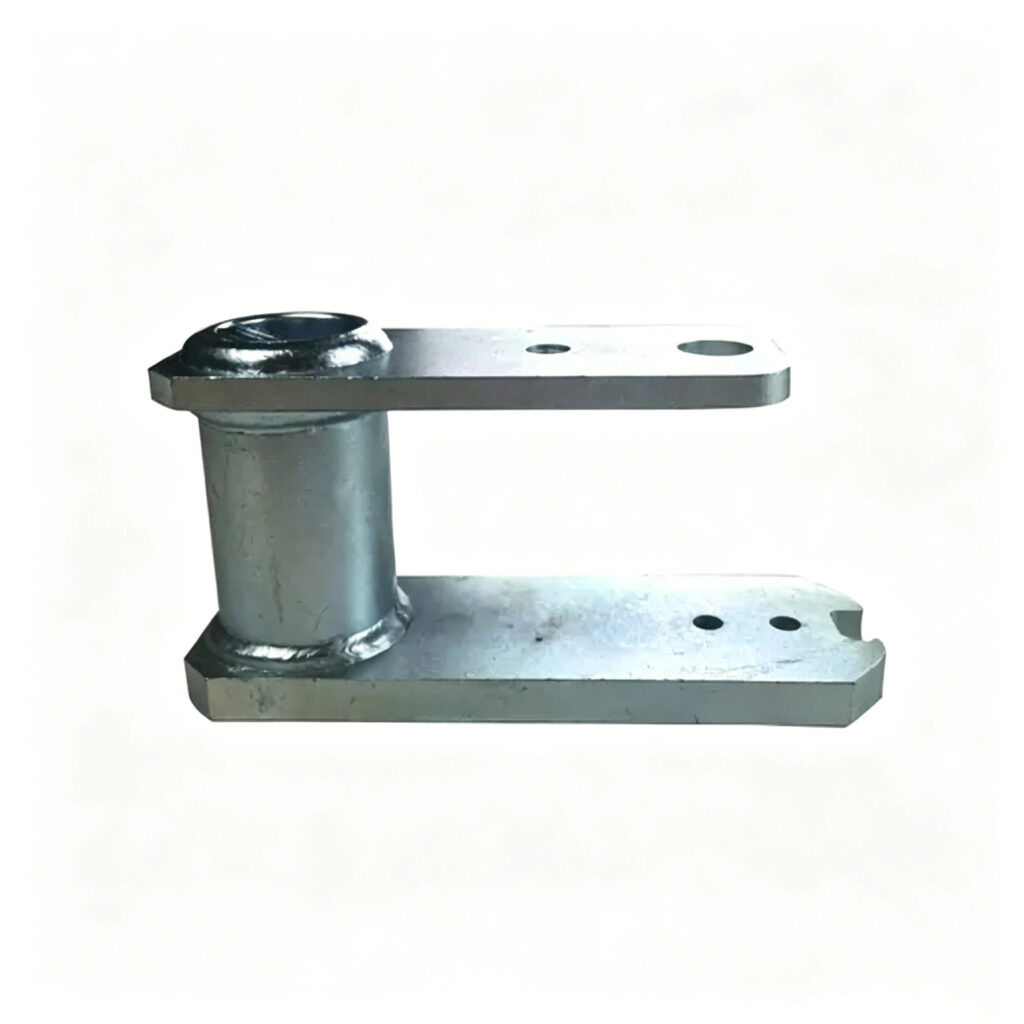
For example, an engine motor mount bracket supports an engine or motor while also dealing with vibration and dynamic forces.
When selecting metal brackets, engineers should define:
- Maximum working load
- Lastrichtung
- Static or dynamic conditions
- Vibration level
- Impact conditions
- Montagemethode
- Required safety margin
A bracket suitable for a light shelf may not be appropriate for industrial machinery.
This is why the application should always be considered before choosing metal brackets based only on dimensions or price.
Material Selection for Metal Brackets:
Material affects the strength, weight, corrosion resistance, weldability, and cost of metal brackets.
| Material | Main Characteristics | Typical Metal Bracket Applications |
|---|---|---|
| Kohlenstoffstahl | Strong and economical | Machinery and structural brackets |
| Rostfreier Stahl | Korrosionsbeständig | Outdoor and industrial brackets |
| Aluminium | Lightweight and corrosion resistant | Automotive and lightweight structures |
| Baustahl | Easy to cut, bend, and weld | General-purpose metal brackets |
Aluminum is useful when weight reduction is important. Steel is often selected where stiffness and structural strength are priorities.
An Aluminum Tailgate Extender, for example, can benefit from aluminum’s low density and corrosion resistance. However, the supporting metal brackets still need to withstand vibration, repeated loading, and movement.
Material selection should therefore be based on the actual working environment rather than material cost alone.
Geometry and Strength of Metal Brackets:
The geometry of metal brackets has a direct effect on their stiffness and load capacity.
A flat plate may deform under load. Bends, flanges, ribs, and gussets can increase rigidity without simply increasing material thickness.
Common design features include:
- Bent edges
- Reinforcement ribs
- Gussets
- Folded sections
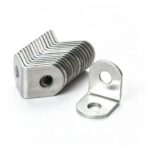
- Corner plates
- Welded reinforcement
A reinforced steel corner bracket is a good example. Its additional reinforcement changes the load path and helps reduce local movement around the joint.
For custom metal brackets, engineers should consider the load path before deciding where to add reinforcement.
Good geometry can sometimes achieve better structural performance with less material.
Mounting Accuracy and Tolerances:
Strong metal brackets are still unsuitable if they cannot be installed correctly.
Mounting accuracy is particularly important for machinery and equipment manufacturers.
Critical dimensions may include:
- Hole diameter
- Lochabstand
- Center distance
- Biegewinkel
- Overall height
- Mounting surface position
- Thread location
A small error in hole position can create assembly problems when several metal brackets must connect with other machined or welded components.
For precision applications, CNC machining, laser cutting, drilling, and controlled bending can be combined to achieve the required dimensions.
Drawings should clearly identify critical tolerances so the manufacturer knows which dimensions require tighter control.
Welding Considerations for Metal Brackets:
Many industrial metal brackets are produced by combining cutting, bending, and welding.
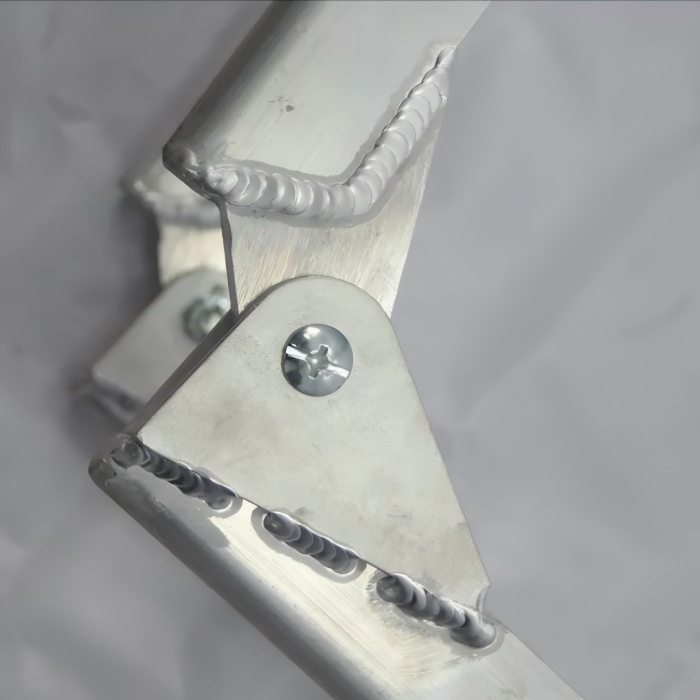
Welding provides a strong permanent connection, but the heat generated during welding can also cause distortion.
Typical problems include:
- Warped mounting surfaces
- Hole misalignment
- Changes in bend angle
- Local deformation
- Ungleichmäßiges Schweißnahtbild
For welded metal brackets, the welding sequence and heat input should therefore be controlled.
TIG welding can provide good control for certain applications, while MIG welding is widely used for efficient fabrication of steel and aluminum structures.
An engine motor mount bracket, for example, may experience continuous vibration after installation. Weld location, joint design, and dimensional inspection should therefore be considered together.
Critical dimensions should be checked again after welding.
Surface Treatment and Appearance:
Surface treatment protects metal brackets and can also affect their appearance.
A metal bracket black finish may be required for furniture, machinery, shelving, automotive components, or interior structures.
Common finishing options include:
- Pulverbeschichtung
- Lackieren
- Eloxieren
- Beschichtung
- Passivierung
- Machined or natural finishes
A buyer should specify the actual finishing requirement instead of simply requesting a “black bracket.”
For example, the drawing may specify black powder coating, required surface preparation, coating thickness, and appearance requirements.
For outdoor metal brackets, corrosion resistance may be more important than appearance. For furniture applications, color consistency and surface quality may receive greater attention.
Metal Brackets for Different Applications:
The design requirements for metal brackets vary considerably between industries.
Floating Shelf Brackets:
Floating shelf brackets are designed to support shelves while keeping much of the support structure hidden.
The key considerations include:
- Shelf load
- Wall fixing method
- Winkellänge
- Shelf thickness
- Load distribution
- Montagegenauigkeit
For furniture manufacturers, custom metal brackets can be designed to fit inside a specific shelf structure.
Aluminum Tailgate Extender:
Ein Aluminum Tailgate Extender increases the usable loading area of a vehicle tailgate.
The supporting metal brackets may experience vibration, repeated opening and closing, impact, and outdoor exposure.
Wichtige Überlegungen umfassen:
- Hinge location
- Montagelöcher
- Aluminum thickness
- Lastrichtung
- Folding movement
- Operating clearance
The objective is to achieve a suitable balance between low weight and structural stability.
Metal Bracket Black:
A metal bracket black finish is widely used in furniture, storage systems, machinery, shelving, and interior structures.
In addition to appearance, buyers should consider:
- Material
- Dicke
- Bend accuracy
- Hole position
- Oberflächenvorbereitung
- Coating type
- Color consistency
For production orders, consistent finishing is important because differences between batches can affect the appearance of the final assembly.
Engine Motor Mount Bracket:
An engine motor mount bracket is one of the more demanding types of metal brackets.
It connects an engine or motor to a supporting structure and may experience vibration, dynamic loading, heat, and repeated stress.
The design should consider:
- Engine weight
- Dynamic forces
- Vibration
- Mounting stiffness
- Bolt-hole accuracy
- Weld locations
- Fatigue conditions
Simply increasing material thickness is not always the best solution. Geometry, reinforcement, welding, and mounting conditions should be evaluated together.
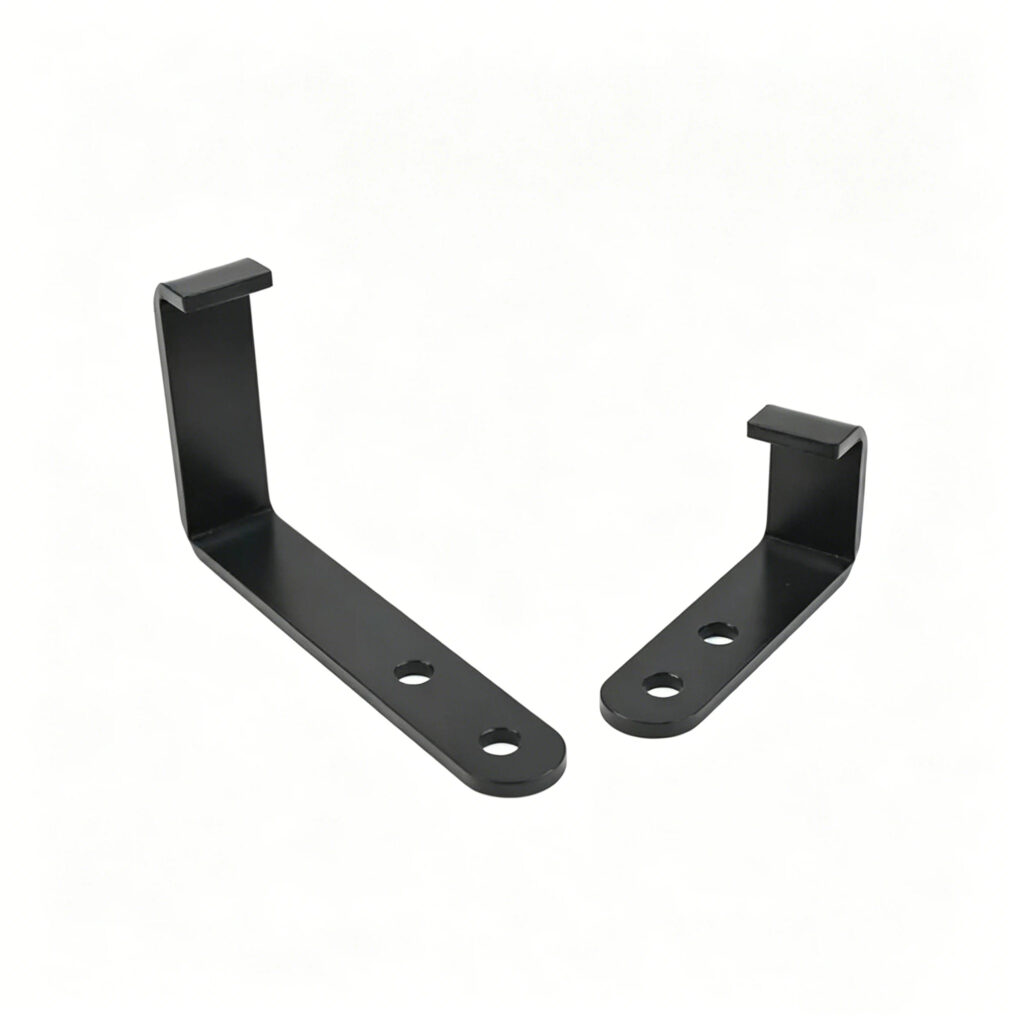
Reinforced Steel Corner Bracket:
A reinforced steel corner bracket is used to strengthen joints in equipment frames, machine structures, cabinets, and heavy-duty assemblies.
Compared with a basic angle bracket, reinforced metal brackets can provide greater resistance to bending and movement.
Typische Anwendungen umfassen:
- Maschinengestelle
- Equipment structures
- Industrial cabinets
- Heavy-duty shelving
- Stützanordnungen
The reinforcement should be positioned according to the actual load path.
What Should Buyers Specify?
When purchasing custom metal brackets, a clear technical drawing can significantly reduce production problems.
| Anforderung | Information to Provide |
|---|---|
| Material | Grade and specification |
| Dicke | Sheet or plate thickness |
| Abmessungen | Overall and critical dimensions |
| Holes | Diameter, position, and tolerance |
| Bends | Angle and bend radius |
| Schweißen | Weld location and requirements |
| Oberfläche | Coating or surface treatment |
| Quantity | Prototype, small batch, or production |
Buyers should also provide photographs, 3D models, assembly drawings, or application information when available.
The more clearly the application is defined, the easier it is for a manufacturer to recommend suitable metal brackets and production methods.
How to Evaluate a Metal Bracket Supplier
Price is only one factor when comparing suppliers of custom metal brackets.
Engineering Communication:
The supplier should understand drawings, materials, tolerances, welding requirements, and assembly conditions.
Fertigungskapazität:
Check whether the supplier can coordinate cutting, bending, CNC machining, welding, finishing, and inspection.
Prototype and Small-Batch Production:
Prototype production allows buyers to verify fit and function before larger orders.
Maßprüfung:
Critical holes, bends, mounting surfaces, and welded dimensions should be inspected according to the drawing.
Production Consistency:
For repeat orders, the supplier should be able to maintain consistent dimensions, welding quality, and surface treatment.
These factors can have a direct effect on assembly efficiency and total purchasing cost.
Why Choose Flow Wing for Metal Brackets?
Choosing a metal brackets supplier is not only about finding a suitable unit price. For custom parts, engineering communication, manufacturing flexibility, and consistent quality can also affect the final cost and assembly process.
Flow Wing supports customers looking for custom metal brackets for machinery, equipment, automotive, furniture, and other industrial applications.
Custom Manufacturing Based on Your Drawing:
Different applications require different bracket dimensions, materials, hole positions, bends, and reinforcement structures.
We can manufacture metal brackets according to customer drawings, samples, or technical requirements.
The production process can include:
- Material preparation
- Laserschneiden
- CNC-Bearbeitung
- Sheet metal bending
- TIG/MIG welding
- Oberflächenbehandlung
- Maßprüfung
Flexible for Prototypes and Small Batches:
Not every project starts with a large production order.
Prototype development, replacement parts, equipment upgrades, and small-batch production may require only a limited quantity.
Flow Wing supports flexible production for these requirements, allowing customers to test and verify custom metal brackets before moving to larger production quantities.
Engineering Review Before Production:
Bracket problems can sometimes be identified before manufacturing begins.
During drawing review, important points may include:
- Materialauswahl
- Hole position
- Bend radius
- Welding access
- Reinforcement position
- Assembly clearance
- Oberflächenbehandlung
Early communication can help reduce unnecessary rework and improve production efficiency.
One Supplier for Multiple Processes:
A custom bracket may require several processes.
Instead of coordinating different suppliers for cutting, machining, bending, welding, and finishing, customers can manage these requirements through one manufacturing source.
This can simplify communication and make it easier to maintain consistency between different operations.
Built for Machinery and OEM Applications:
Our focus is not limited to one standard bracket design.
We support customized metal brackets used in equipment structures, machinery assemblies, automotive components, frames, enclosures, and other applications where dimensions and performance requirements vary.
If you have a drawing, sample, or project requirement for custom metal brackets, Flow Wing can review the requirements and discuss the suitable manufacturing approach before production.