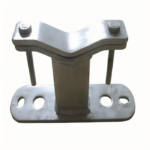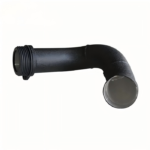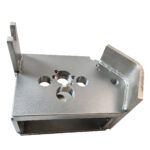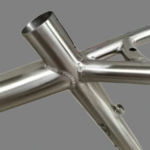
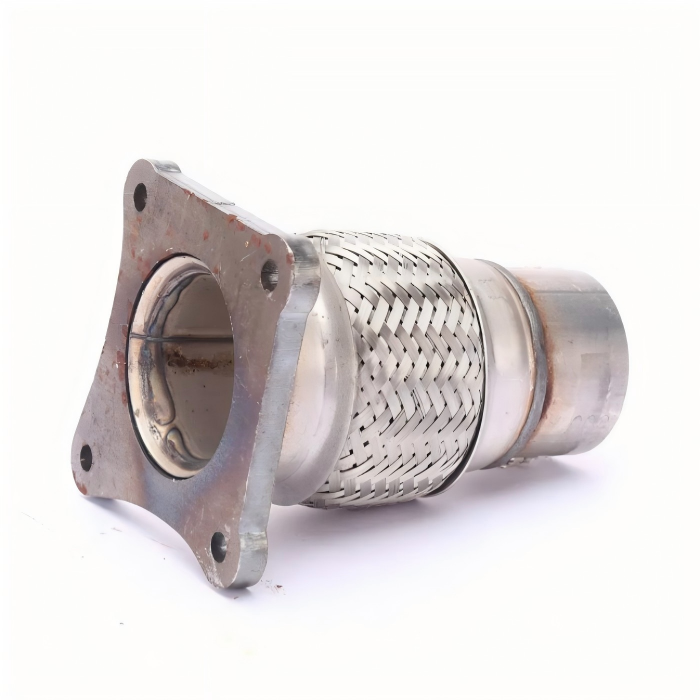

Servizio di saldatura per tubo con flangia in acciaio inossidabile 304 per sistemi automobilistici
Tubo con servizio di saldatura flangiata in acciaio inossidabile 304 da 3 pollici fornisce assemblaggi saldati di precisione per scarichi automobilistici e trasferimento di fluidi.
Request a Quote
Enter the quantity you need and add to your quote list for pricing inquiries.
Product Details
Perché la saldatura professionale di tubi con flangia definisce le prestazioni dello scarico auto?
Molte perdite del sistema di scarico non si verificano al silenziatore o al catalizzatore, ma alla connessione della flangia dove il tubo incontra un altro componente. Un tubo con flangia mal realizzato crea superfici di tenuta irregolari, fori per bulloni disallineati o penetrazione di saldatura insufficiente. Questi difetti sono spesso invisibili fino a quando il motore funziona e i gas di scarico fuoriescono. Con il tempo, il ciclo termico causa il cedimento della guarnizione e un rumore fastidioso.
Un tubo con flangia saldato correttamente produce una tenuta a prova di perdita che mantiene la forza di serraggio attraverso migliaia di cicli di riscaldamento e raffreddamento. Il materiale di base in acciaio inossidabile resiste alla corrosione da condensa e sali stradali. Il nostro processo di saldatura garantisce che la faccia della flangia rimanga piatta e vera, prevenendo la deformazione che affligge i componenti di qualità inferiore. Inoltre, questo tipo di componente è il metodo più facile da manutenere per collegare sezioni di scarico. A differenza dei morsetti a fascia che schiacciano le estremità dei tubi o dei giunti scorrevoli che alla fine si bloccano, una connessione flangiata consente lo smontaggio ripetuto per la manutenzione.
La nostra officina ha investito in macchine CNC per flangiatura e stazioni di saldatura GTAW per produrre ogni tubo con flangia con qualità costante. La saldatura automatizzata riduce la variabilità e garantisce la perpendicolarità tra l'asse del tubo e la faccia della flangia. Per lotti di produzione di 50 pezzi o più, raccomandiamo la saldatura robotica per i migliori risultati.
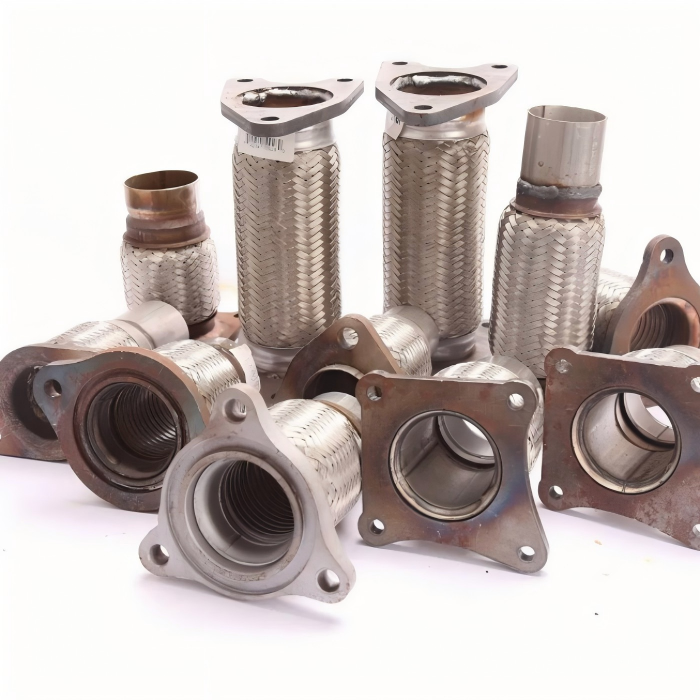
Cos'è la saldatura di tubi in acciaio inossidabile con flangia?
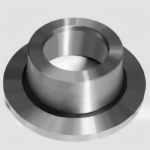
Questo componente consiste in un tubo in acciaio inossidabile con una flangia saldata a una o entrambe le estremità, consentendo connessioni bullonate ad altri componenti di scarico. L'acciaio inossidabile contiene almeno il 10,5 percento di cromo, che forma uno strato di ossido passivo sulla superficie.
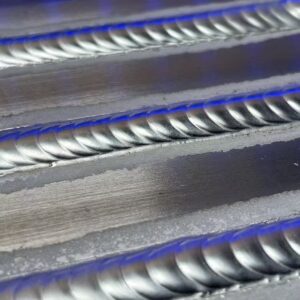
La nostra tecnica di saldatura utilizza gas di protezione—tipicamente argon o una miscela di elio e argon—per proteggere il bagno di saldatura fuso dall'ossigeno. Ciò consente al cromo di riformare il suo strato protettivo mentre la saldatura si raffredda. Un tubo in acciaio inossidabile con flangia saldato correttamente resisterà alla ruggine sulla linea di saldatura con la stessa efficacia del metallo base. Controlliamo anche attentamente l'apporto di calore perché troppo calore causa la precipitazione di carburo di cromo, una condizione nota come decadimento della saldatura. Utilizzando un basso apporto di calore e una tecnica adeguata, preveniamo questo problema. Il risultato è un giunto senza soluzione di continuità, resistente e a prova di corrosione che supera la durata del materiale circostante.
Metodi di preparazione della faccia della flangia che utilizziamo:
Faccia della flangia segata – Per applicazioni non critiche:
Le flange segate sono tagliate da piastra e poi sbavate. Questa superficie funziona per sistemi a bassa pressione con guarnizioni morbide in grafite. Tuttavia, questa specifica non è raccomandata per motori turbocompressi.
Faccia della flangia fresata a CNC – Per la maggior parte delle applicazioni automobilistiche:
La fresatura produce una superficie liscia con finitura RA di 32 micropollici. Una guarnizione sigilla in modo affidabile contro questa faccia. Questa preparazione rappresenta l'80 percento della nostra produzione di tubi con flangia per sistemi di scarico auto.
Faccia della flangia rettificata in superficie – Per applicazioni ad alta sovralimentazione:
Dopo la fresatura, rettifichiamo la superficie della flangia per ottenere una finitura RA di 16 micropollici o migliore. Questo componente sigilla senza guarnizione su alcune parti di accoppiamento di precisione. Tipicamente utilizzato su sistemi di scarico turbocompressi e da corsa.
Per tutti i progetti di tubi con flangia, ispezioniamo la planarità della flangia con una riga da macchinista. Qualsiasi flangia con una deformazione superiore a 0,002 pollici viene scartata prima dell'inizio della saldatura.
Configurazioni del giunto tubo-flangia:
Saldatura di testa a piena penetrazione – Per massima resistenza:
Il tubo si appoggia direttamente contro un controforo nella flangia. Saldiamo dall'esterno con fusione della radice al 100 percento. Questa configurazione per tubo con flangia non ha sporgenze interne per intrappolare depositi di scarico. Raccomandato per tubi di scarico turbo e scarichi ad alte prestazioni.
Saldatura d'angolo esterna – Per parti di ricambio standard:
Il tubo si inserisce in una rientranza nella flangia. Una singola saldatura d'angolo all'esterno li unisce. Questo design è comune sulle parti di ricambio OEM. Abbastanza resistente per motori aspirati e veicoli di uso quotidiano.
Saldatura interna ed esterna – Per uso gravoso:
Il tubo passa attraverso un foro completamente lavorato. Saldiamo sia all'interno che all'esterno. Questa costruzione è quasi impossibile da separare. Utilizzato su veicoli da competizione fuoristrada e sistemi di scarico da gara.
Per ogni ordine di tubo con flangia, documentiamo la configurazione del giunto in modo che tu possa riordinare parti identiche.
Processi di saldatura per diversi spessori di parete del tubo:
GTAW per tubi con parete da 1,5 mm a 3 mm:
Il TIG manuale offre un controllo preciso del bagno di saldatura. Per un tubo con flangia a parete sottile, utilizziamo una barra di supporto in rame all'interno del tubo per prevenire la caduta. L'amperaggio varia da 70 a 130 ampere con filo d'apporto 308L da 1/16 di pollice. La velocità di avanzamento è di circa 3 a 4 pollici al minuto.
MIG pulsato per tubi con parete spessa da 2 mm a 5 mm:
Il trasferimento a spruzzo pulsato riduce gli spruzzi e consente la saldatura in posizione. La nostra produzione MIG pulsata funziona a 180-230 ampere con filo 309L da 0,045 pollici. Più conveniente per ordini superiori a 50 pezzi.
MIG robotico per produzione ad alto volume:
Per i clienti che necessitano di 200 o più unità identiche, la saldatura robotica garantisce che ogni tubo con flangia corrisponda all'ultimo. Programmiamo i percorsi di saldatura direttamente dai file CAD. Il tempo ciclo è tipicamente di 60-120 secondi per flangia.
Controllo della deformazione durante la saldatura della flangia:
Le flange si deformano a causa del calore di saldatura perché la saldatura si contrae mentre si raffredda. L'acciaio inossidabile si espande di circa 9,9 micropollici per pollice per grado Fahrenheit. Una flangia da 4 pollici riscaldata localmente a 500°F si tira fuori dalla planarità.
Saldatura bilanciata – Saldare i lati opposti della flangia in sequenza
Bloccaggio con controventatura – Bullonare la flangia a una spessa piastra d'acciaio durante la saldatura
Anelli di raffreddamento in rame – Posizionati all'interno del tubo vicino alla zona di saldatura
Tecnica a basso apporto di calore – Utilizzare il filo d'apporto più piccolo possibile
Rilavorazione della superficie della flangia dopo saldatura – Leggera fresatura dopo saldatura se necessario
Utilizzando questi metodi, manteniamo la planarità della flangia entro 0,002 pollici per la maggior parte delle applicazioni di tubi con flangia. Per superfici di tenuta critiche su scarichi turbo, aggiungiamo un trattamento termico di distensione in forno a 400°F per un'ora.
**Stili di flangia e modelli di bulloni che produciamo:**
**Flangia triangolare a 3 bulloni:**
Trovato su molti veicoli giapponesi tra cui Honda, Toyota e Subaru. Ogni tubo con flangia per questo modello utilizza bulloni da 8mm o 10mm. Il foro centrale della guarnizione corrisponde al diametro interno del tubo da 2 a 3 pollici.
**Flangia ovale a 2 bulloni:**
Comune sulle auto europee di BMW, Mercedes e Volkswagen. Questo design consente la rotazione durante l'assemblaggio. Tipicamente utilizza prigionieri M8 o M10 per connessioni di scarico.
**Flangia quadrata a 4 bulloni:**
Standard on American V8 engines from Ford, Chevrolet, and Dodge. Our pipe with flange for this pattern includes 3.5 inch or 4 inch bolt spacing. Pipe sizes from 2 to 4 inches.
.
**Forme di flangia personalizzate:**
Any bolt pattern or outer contour for unique auto car applications. We CNC machine the flange then weld the pipe. Each custom component is made to your drawing.
.
We maintain digital records of every custom flange pattern. Reordering a pipe with flange years later requires only the original part number.
.
Common Auto Car Applications:
**Collettori di scarico per turbocompressore:**
Extreme heat and pressure demand perfect welds. Our component handles 1600°F exhaust gas without warping the flange face. Each downpipe uses 3 inch or 3.5 inch tube with a 4 bolt flange.
.
**Tubi di ricambio per convertitore catalitico:**
When replacing a converter, the connecting flanges must match. We duplicate any factory pipe with flange configuration exactly. Both inlet and outlet flanges aligned on the same axis.
.
**Tubo dal collettore di scarico alla testata:**
The connection at the cylinder head must seal perfectly. Our pipe with flange for manifold applications uses a surface ground flange face and 304 stainless for heat resistance.
.
**Tubi di prova e decat per competizione:**
For off road use only. This component replaces the catalytic converter completely. Welded construction ensures no leaks under full throttle racing conditions.
.
Cat Back Exhaust Systems:
From catalytic converter to tailpipe. Our pipe with flange for cat back systems uses 2.5 to 3 inch tubing with factory style flanges for bolt on installation.
.
Axle Back Exhaust:
Rear section from axle to muffler. Our pipe with flange for axle back applications is typically 2.5 inch with single flange connection.
.
For each application, we adjust material grade and weld size accordingly. A turbo diesel pipe with flange uses 316 stainless for corrosion resistance against sulfuric acid in diesel exhaust.
.