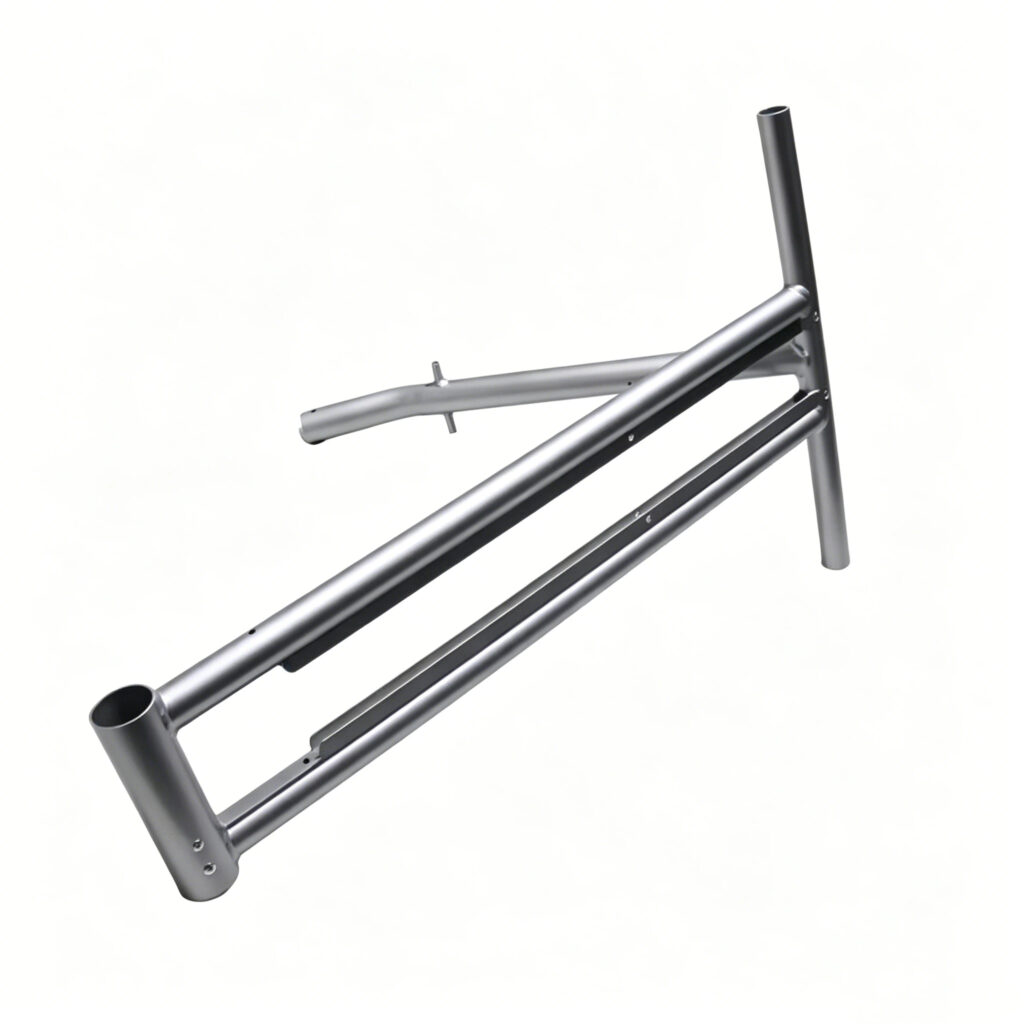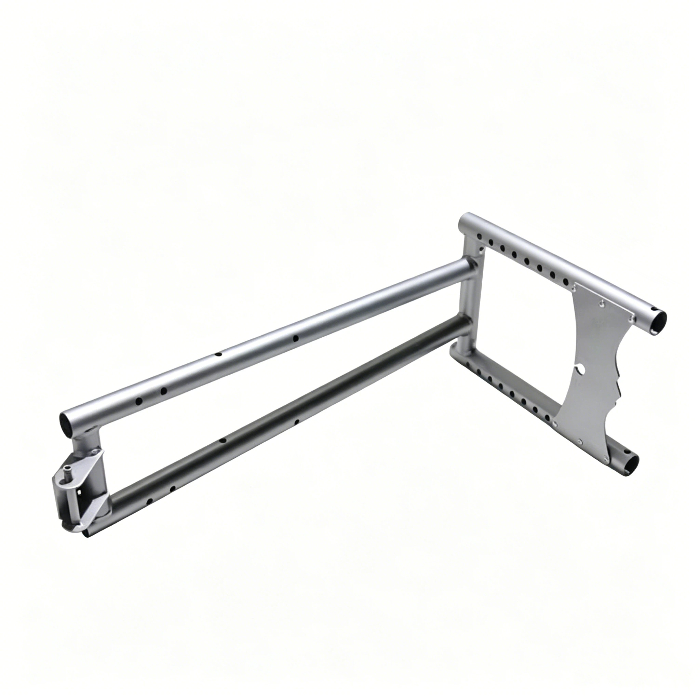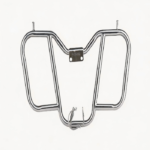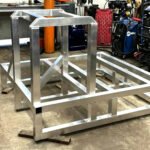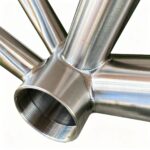
A wheelchair rigid frame is designed to provide better stiffness, lighter weight, and improved mobility performance compared with traditional folding wheelchair frames.
For wheelchair manufacturers and mobility equipment companies, choosing the right materials, welding process, and manufacturing partner is essential to producing reliable and high-performance products.
This guide covers the key aspects of wheelchair rigid frame manufacturing, including aluminum selection, TIG welding, production processes, and OEM supplier evaluation.
What Is a Wheelchair Rigid Frame?
A wheelchair rigid frame is a fixed wheelchair structure where the main components are permanently welded together instead of using folding mechanisms.
The purpose of a rigid design is to create a stronger connection between the user, frame, and wheels. Because there are fewer moving parts, rigid frames can provide better stability and improved energy transfer during movement.
Compared with folding wheelchairs, rigid frame wheelchairs are commonly preferred by users who prioritize:
- Lightweight performance
- Better driving efficiency
- Enhanced maneuverability
- Long-term durability
Rigid Frame vs Folding Frame:
| 特徴 | Wheelchair Rigid Frame | Folding Frame |
| Structure | Fixed welded construction | Folding mechanism |
| 重量 | Usually lighter | Usually heavier |
| Stiffness | Higher structural rigidity | More flexible |
| Performance | Better energy transfer | Easier storage |
| Typical Users | Active users, sports users | General mobility users |
A rigid frame design is especially important for users who actively propel their wheelchair because less energy is lost through frame movement.
Why Aluminum Is Preferred for Wheelchair Rigid Frames?
Material selection directly affects the performance of a wheelchair rigid frame.
While traditional wheelchair frames were often made from steel, modern manufacturers increasingly choose aluminum because it offers a better balance between strength, weight, and manufacturability.
1. Lightweight Performance:
Weight reduction is one of the biggest advantages of aluminum wheelchair rigid frames.
A lighter frame can provide:
- より容易な輸送
- Reduced pushing effort
- Improved handling
- Better user comfort
For active wheelchair users, reducing unnecessary frame weight can significantly improve daily mobility.
2. Corrosion Resistance:
Aluminum naturally forms a protective oxide layer, helping the frame resist corrosion during long-term use.
This makes aluminum suitable for:
- Outdoor mobility products
- リハビリテーション機器
- Daily-use wheelchairs
Compared with untreated steel structures, aluminum requires less maintenance and provides better appearance retention.
3. Manufacturing Flexibility:
Aluminum is also highly suitable for custom manufacturing.
It can be:
- Cut
- Bent
- 機械加工
- TIG welded
- Surface treated
This flexibility allows OEM manufacturers to create customized wheelchair rigid frame designs based on different product requirements.
Aluminum Alloy Selection for Wheelchair Rigid Frames:
Choosing the correct aluminum alloy is a key engineering decision.
Different alloys provide different levels of:
- 強さ
- 溶接性
- Fatigue resistance
- Weight efficiency
For most welded wheelchair structures, the balance between strength and weldability is more important than simply selecting the strongest material.
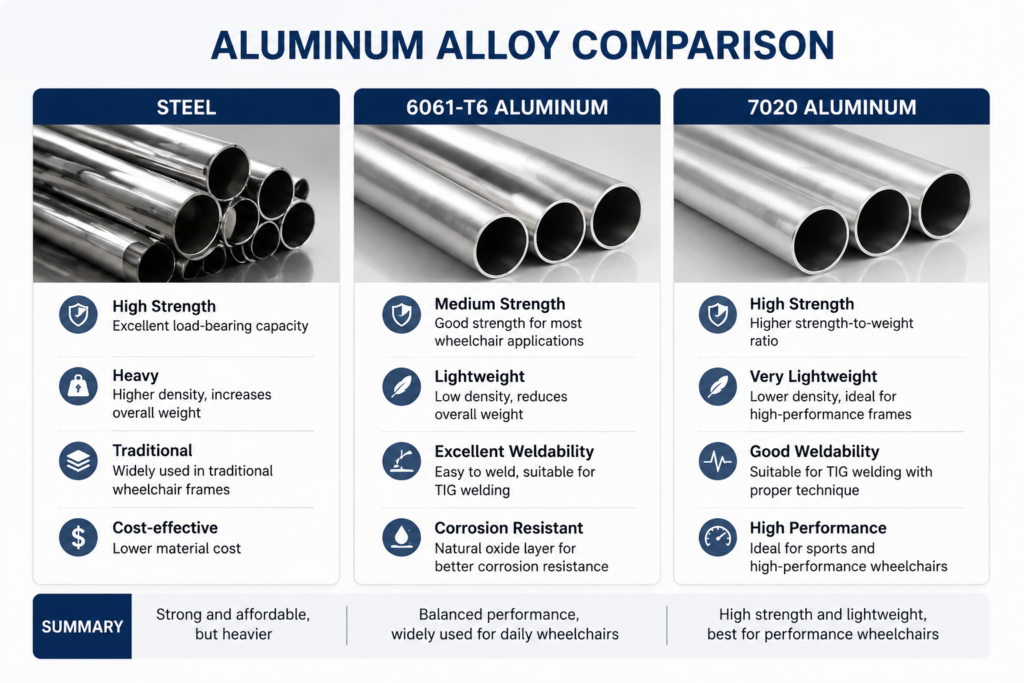
6061-T6アルミニウム:
6061-T6 aluminum is one of the most commonly used alloys for welded aluminum structures.
利点:
- 優れた溶接性
- 良好な耐食性
- Stable mechanical performance
- Easy fabrication
Suitable Applications:
- Daily-use rigid frame wheelchairs
- リハビリテーション機器
- Custom mobility structures
Because of its excellent welding characteristics, 6061-T6 is widely selected for custom aluminum wheelchair frame manufacturing.
7020 Aluminum:
7020 aluminum is often chosen for higher-performance applications where additional strength is required.
利点:
- Higher strength-to-weight ratio
より高い強度対重量比 - Good fatigue performance
- Suitable for lightweight structural designs
Suitable Applications:
- Sports wheelchairs
- Premium mobility equipment
- Performance-oriented wheelchair rigid frames
Aluminum Material Comparison:

TIG Welding for Wheelchair Rigid Frames:
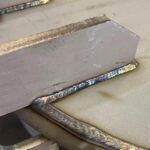
TIG welding plays an important role in manufacturing high-quality wheelchair rigid frames.
Because aluminum requires precise heat control, TIG welding is widely used for producing lightweight and durable wheelchair structures.
主な利点は以下を含みます:
- きれいな溶接外観
- Strong structural joints
- Better dimensional control
- Reliable long-term performance
For custom aluminum wheelchair frames, professional manufacturers use proper welding fixtures and controlled processes to reduce distortion and maintain frame accuracy.
Manufacturing Process of Custom Wheelchair Rigid Frames:
A reliable wheelchair rigid frame manufacturer should have a complete production process:
1. Engineering Review:
Review:
- CAD drawings
- Material requirements
- Manufacturing feasibility
2. Tube Preparation & Assembly:
Aluminum tubes are cut, positioned, and assembled using precision fixtures to ensure accurate geometry.
3. TIG Welding:
Skilled welders complete the frame structure with controlled welding parameters.
4. Inspection & Finishing:
Final processes include:
- Dimensional inspection
- Weld quality checking
- Surface treatment
This process ensures consistent quality from prototype development to mass production.
Quality Requirements for Wheelchair Rigid Frames:
For mobility equipment manufacturers, consistency is essential.
A professional supplier should focus on:
Dimensional Accuracy:
Accurate frame geometry helps ensure:
- Smooth movement
- Correct wheel alignment
- Easy assembly
Weld Quality:
High-quality welds improve:
- 構造強度
- Fatigue resistance
- Product lifespan
材料トレーサビリティ:
Reliable suppliers should provide:
- 材料証明書
- Inspection records
- Production documentation
How to Choose a Wheelchair Rigid Frame Manufacturer?
Choosing the right OEM partner directly affects product quality and delivery performance.
Before selecting a supplier, consider:
1. Manufacturing Capability:
Check whether the supplier has experience with:
- Aluminum TIG welding
- Custom frame fabrication
- CNC加工
- Inspection processes
You can learn more about our aluminum wheelchair frame manufacturing capabilities here.
2. Engineering Support:
A capable supplier should help with:
- 設計の最適化
- 材料選択
- プロトタイプ開発
3. Production Capability:
The ideal partner should support:
Prototype → Testing → Small Batch → Mass Production
よくある質問
Production time depends on design complexity, material availability, and order quantity. Prototype projects usually require additional engineering time, while mass production follows a standardized manufacturing process.
Manufacturers typically need:
- 2D drawings and 3D drawings
- Material requirements
- 寸法
- Surface finish requirements
- Expected production quantity
Tolerance requirements depend on the design and application. Professional manufacturers control critical dimensions through precision machining, welding fixtures, and inspection procedures.
Yes. Many OEM manufacturers support prototype development, small-batch production, and volume manufacturing depending on project requirements.
Common finishes include:
- アルマイト処理
- 粉体塗装
- Custom surface treatments
Yes. Experienced manufacturers can review customer designs and provide suggestions related to material selection, welding structure, manufacturability, and production efficiency.
結論:
A high-performance wheelchair rigid frame requires the right combination of:
- Aluminum material selection
- 精密TIG溶接
- Accurate manufacturing
- Reliable quality control
For wheelchair brands and mobility equipment companies, working with an experienced OEM manufacturer helps create durable and competitive products.
連絡先 our engineering team for your custom project!