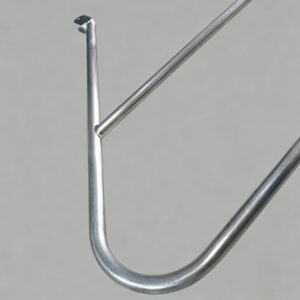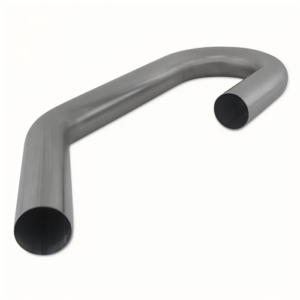
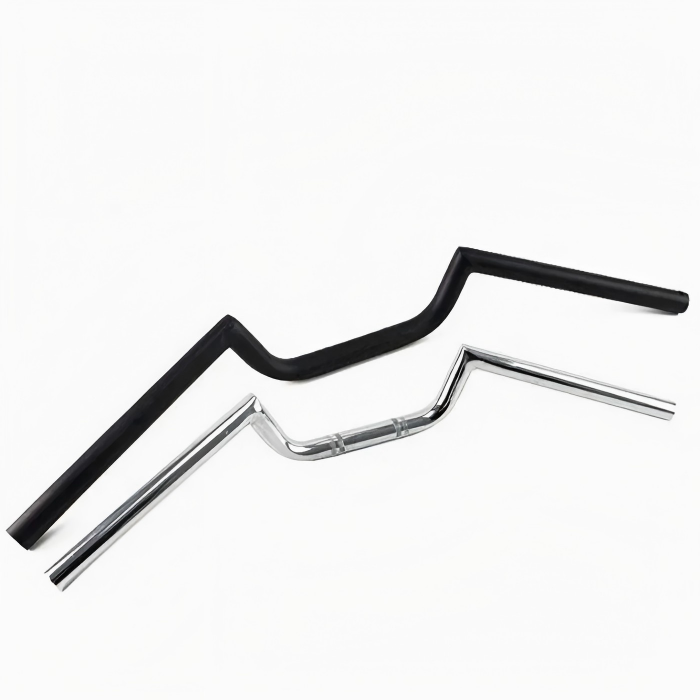
カスタムハンドルバー モーターサイクル用 チューブ曲げ ステンレススチールパーツ
このモーターサイクル用ハンドルバーは、精密なチューブベンディング技術とステンレス鋼構造でカスタム製造されています。.
Request a Quote
Enter the quantity you need and add to your quote list for pricing inquiries.
Product Details
なぜチューブベンディングの品質がモーターサイクル用ハンドルバーを定義するのか?
モーターサイクル用ハンドルバーはシンプルに見えますが、驚くほど厳しい公差が要求されます。左右は完全な鏡像でなければなりません。曲げ角度は意図したライディングポジションに合致する必要があります。表面はグリップやコントロール類がスムーズに滑り込むよう十分に滑らかでなければなりません。設計から少しでも逸脱すると、ライダーが即座に気づく問題が生じます。.
不適切なベンディングは、いくつかの一般的な問題を引き起こします。第一に、左右のプルバック角度が不一致だと、直進時にハンドルバーが曲がっているように感じられます。第二に、内側の曲げ半径に生じたしわは応力集中点となり、特にオフロードモーターサイクルでは時間の経過とともに亀裂が入る可能性があります。第三に、不均一な肉厚減少により弱点が生じ、酷使時にさらに曲がってしまいます。第四に、表面仕上げが悪いとグリップを傷つけたり、スロットルチューブのスムーズな回転を妨げたりします。.
精密チューブベンディングは、これらの問題をすべて解消します。プロフェッショナルに曲げられたモーターサイクル用ハンドルバーは、対象のモーターサイクルモデルに完璧に適合し、ライダーの手にバランスよく感じられ、亀裂や変形を起こすことなく長年にわたって使用できます。.
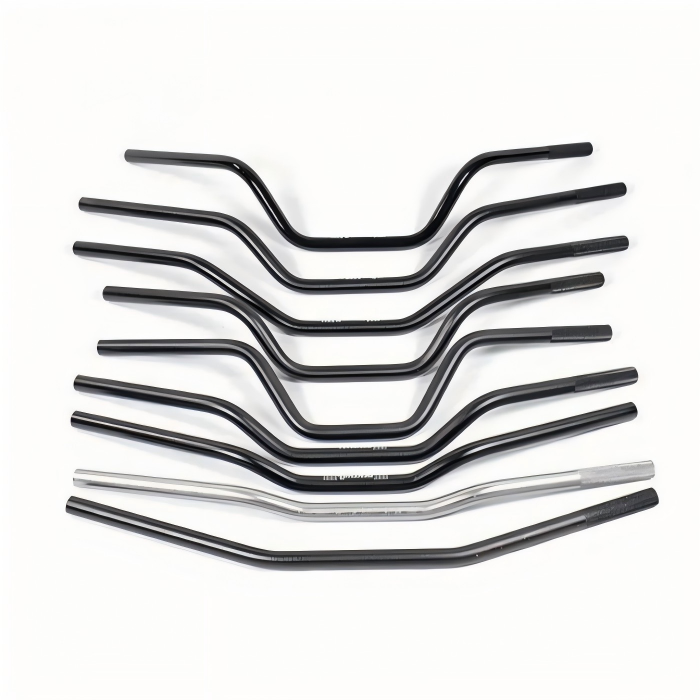
モーターサイクル用ハンドルバーの一般的な曲げタイプ:
ライディングスタイルが異なれば、必要なハンドルバーの形状も異なります。これらの曲げタイプを理解することで、顧客とのコミュニケーションが円滑になり、ベンダーを正しくセットアップできるようになります。.
ライズとは、ハンドルバークランプの中心からグリップの中心までの垂直距離です。フラットトラック用モーターサイクルハンドルバーのライズはわずか1インチかもしれません。ツーリングバイク用ハンドルバーのライズは6~10インチになることがあります。スイープまたはプルバックとは、グリップをライダー側に引き寄せる水平方向の角度です。スイープは通常、片側8~14度の範囲です。幅とは、グリップ端からグリップ端までの全長です。幅は、スポーツバイク用の28インチからクルーザー用の34インチまであります。.
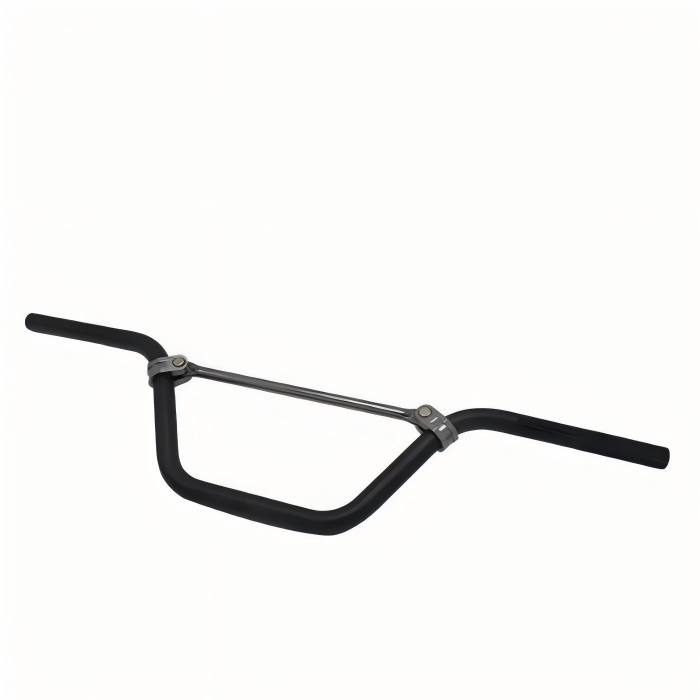
一部のハンドルバーには、オフロードやアドベンチャーモーターサイクル用に強度を高めるためのセンタークロスバーも含まれます。このクロスバーには、追加のベンディングとノッチング加工が必要です。.
モーターサイクル用ハンドルバーに最適なチューブベンディング方法:
すべてのベンディング方法がモーターサイクルハンドルバーに適しているわけではありません。部品が目に見えることと、対称的な曲げが必要であることから、特定のアプローチが求められます。.
マンドレルベンディングは、クロムメッキや粉体塗装で仕上げられる、目に見えるモーターサイクル用ハンドルバーの標準的な方法です。チューブ内部のフレキシブルマンドレルが、楕円化やしわの発生を防ぎます。これは、カフェレーサーハンドルバーのクランプ付近のような急な曲げ半径を持つハンドルバーに不可欠です。.
マンドレルを使用しない回転式引き曲げ加工は、より大きな曲げ半径や肉厚のチューブには有効です。しかし、一般的な7/8インチまたは1インチODのハンドルバーチューブの場合、マンドレルベンディングの方が明らかに優れた結果が得られます。マンドレル工具の追加コストは、不良品の削減と顧客満足度の向上によって十分に回収できます。.
CNCベンディングは、モーターサイクル用ハンドルバーの左右の鏡像を製造する上で必須です。手動ベンディングでは、複数の曲げ工程を経るうちに小さな誤差が蓄積されることがほとんどです。CNCベンダーは毎回まったく同じ曲げシーケンスを繰り返し、左右をプラスマイナス0.5度以内の誤差で同一に製造します。.
モーターサイクル用ハンドルバーのチューブベンディングにおける重要な設計仕様:
優れたモーターサイクル用ハンドルバーを提供するには、チームがいくつかのパラメータを精密に管理する必要があります。.
チューブ径は、ほとんどのモーターサイクルで7/8インチまたは1インチODが一般的です。一部の大型ツーリングバイクやカスタムバイクでは、1.25インチODのチューブが使用されます。肉厚は、軽量ハンドルバー用の0.065インチから、過酷なオフロード用途向けの0.095インチまであります。肉厚が厚いと曲げや亀裂に強くなりますが、重量が増加します。肉厚が薄いと重量は軽減されますが、アグレッシブなライディング時に過度にたわむ可能性があります。.
曲げ半径は、モーターサイクル用ハンドルバーがどれだけきつく曲がるかを決定します。ほとんどのハンドルバー用途における最小中心線曲げ半径は2.5~3インチです。マンドレルベンディングを使用すれば、チューブ径の1.8倍までのきつい半径が実現可能です。7/8インチODのチューブの場合、これは約1.6インチの半径に相当します。.
肉厚減少の許容値は、安全性と耐久性にとって重要です。曲げ加工中、外壁は伸ばされて薄くなります。オフロードや過酷な使用が想定されるモーターサイクル用ハンドルバーの場合、肉厚減少は元の厚さの15パーセントを超えてはなりません。この限界を超えると弱点が生じ、ハードな着地や衝突時に亀裂が入る可能性があります。.
スプリングバック補正により、最終的な角度が意図したライズとスイープに一致することを保証します。鋼管は曲げ加工後、わずかにスプリングバックします。精密ベンディングサービスでは、スプリングバックを事前に計算し、チューブを1~2度余分に曲げます。この補正がないと、最終的なモーターサイクル用ハンドルバーの角度が不正確になり、ライディングポジションが変わってしまいます。.
モーターサイクル用ハンドルバーの材料選定:
材料の選択は、曲げ加工の難易度、最終重量、耐久性、コストに直接影響します。各材料には市場における役割があります。.
軟鋼は、モーターサイクル用ハンドルバーに最も一般的な材料です。曲げ加工が容易で、溶接性が良く、クロムメッキや粉体塗装に対応します。AISI 1020または1026 DOMチューブが好まれます。これは、曲げ加工中に割れる可能性のある内部溶接シームがないためです。DOMはDrawn Over Mandrelの略で、チューブの内面がすでに滑らかであることを意味します。.
ステンレス鋼は優れた耐食性と、決して錆びたりピットが発生したりしない高級感のある外観を提供します。しかし、ステンレス鋼は曲げ加工中に加工硬化するため、より高いトン数と頻繁な工具交換が必要です。304ステンレスで作られたモーターサイクル用ハンドルバーは美しい外観ですが、製造コストが高く、曲げ加工に時間がかかります。.
アルミニウムは、軽量なレーシング用やトリッキーなカスタムハンドルバーに使用されます。6061アルミニウムはマンドレルサポートがあれば比較的うまく曲がりますが、鋼よりも疲労強度が低くなります。アルミニウム製ハンドルバーは、材料の弱点を補うために、しばしば大径になります。また、長年の使用による振動でひび割れが発生しやすくなります。.
クロームメッキ軟鋼は、コスト、耐久性、外観のバランスが取れているため、量産ハンドルバーとして最も人気のある選択肢であり続けています。.
ハンドルバー用チューブ曲げの品質管理:
ハンドルバー用チューブの各バッチは、お客様に出荷する前に、これらの品質チェックに合格する必要があります。.
真円度測定により、曲げられたチューブの断面が少なくとも92%の円形を維持していることを確認します。スチール製ハンドルバーの許容真円度は8%未満です。真円度が高いとチューブが弱くなり、スロットルチューブの回転を妨げる可能性があります。.
角度公差の検証により、各曲げ角度が仕様のプラスマイナス0.5度以内であることを確認します。左右の角度は0.5度以内で一致している必要があります。1度の小さな不一致でも、ハンドルバーをバイクに取り付けた際に、グリップがわずかに異なる方向を向くため、明らかになります。.
表面状態の検査では、いずれかの曲げ半径にしわ、キンク、傷、ダイマークがないかを調べます。表面の欠陥は、クロームメッキや粉体塗装後に目に見えるようになります。小さな傷でも水分を閉じ込め、時間の経過とともに錆びの原因となる可能性があります。.
寸法検査では、全幅、立ち上がり高さ、スイープ距離が顧客の図面と一致していることを確認します。このチェックは通常、三次元測定機またはカスタムゲージ治具を使用して行われます。.
ハンドルバー用チューブ曲げに関するよくある質問:
ハンドルバーにはどのような肉厚をお勧めしますか?
軽量なストリート用ハンドルバーには0.065インチ、DOM鋼を使用したヘビーデューティなオフロード用やアドベンチャーバイク用ハンドルバーには0.095インチをお勧めします。.
私のハンドルバー注文で、1インチ外径のチューブを曲げることはできますか?
はい、当社のCNCマンドレルベンダーは、7/8インチ、1インチ、1.25インチ外径のチューブを、8%未満の真円度で、しわなく曲げることができます。.
ハンドルバーの最小曲げ半径はどれくらいですか?
当社の最小中心線半径は、チューブ径の1.8倍です。7/8インチ外径のチューブの場合、約1.6インチの半径に相当します。.
量産前にハンドルバーの試作は行っていますか?
はい、本格的な生産に移行する前に、フィット感や感触をテストするために、1台から5台までの少量試作を提供しています。.
ハンドルバーで急な半径を曲げる際、チューブの潰れを防ぐにはどうすればよいですか?
We recommend 0.095 inches for lightweight adventure bikes and 0.120 inches for heavy cruisers or touring motorcycles using DOM steel.