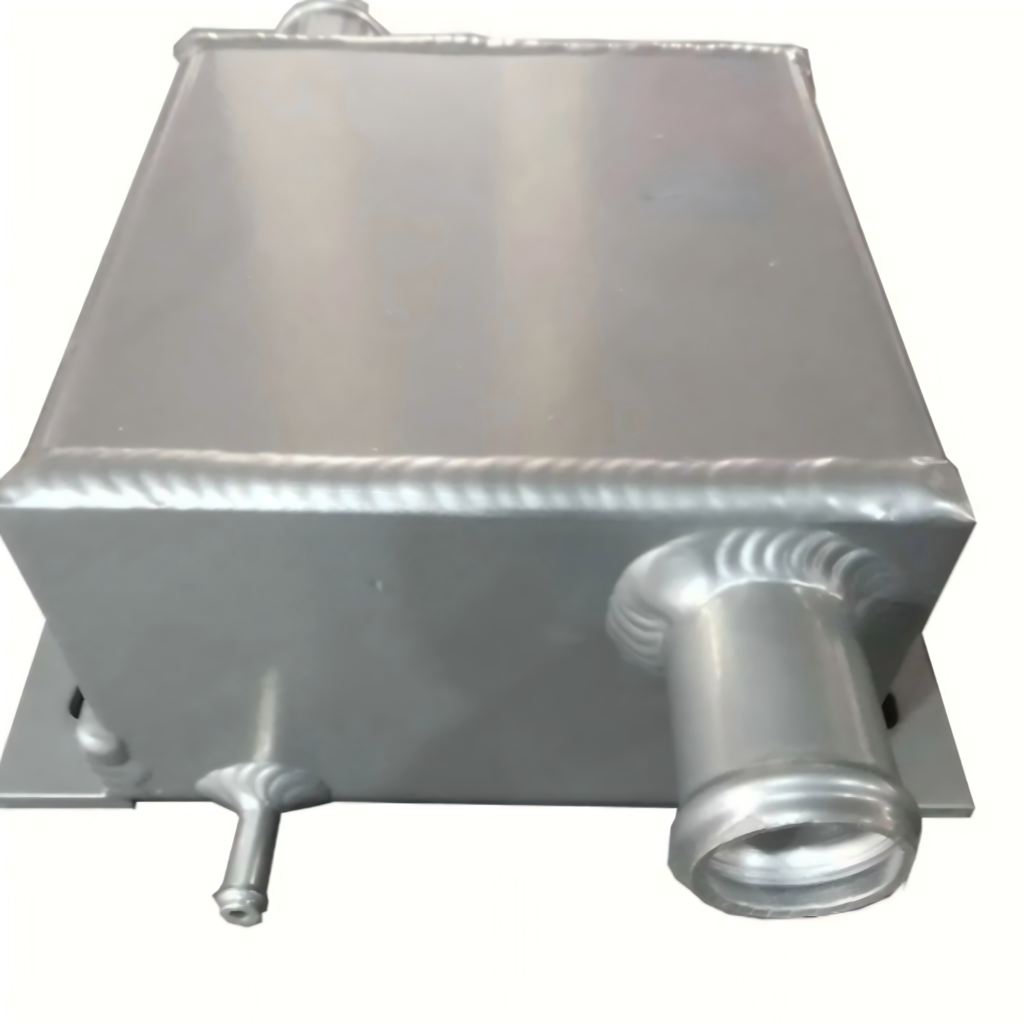
Радиатор водяного бака мгновенный 5 бар испытание давлением сварочный сервис для герметичности уплотнений
Запрос Цитировать
Введите необходимое количество и добавьте в свой список для запроса цен.
Подробнее о продукте
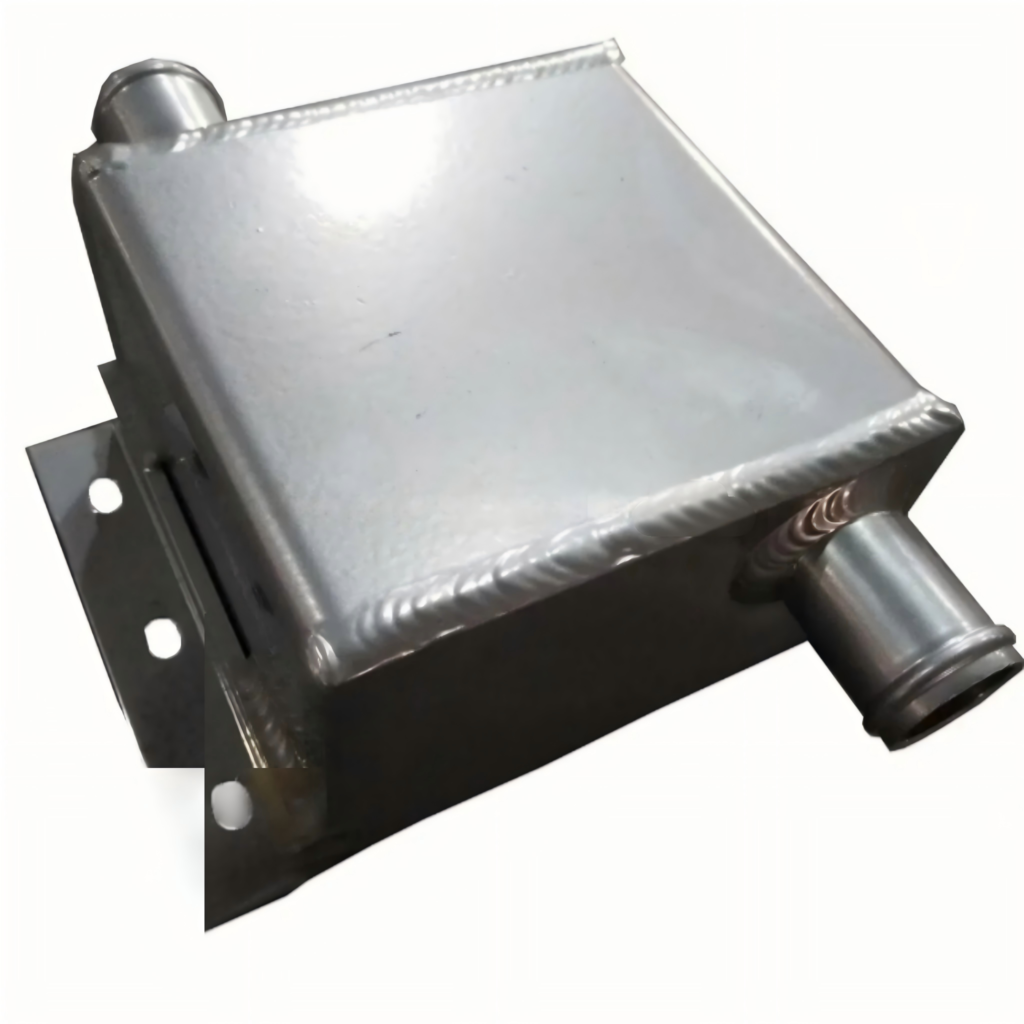
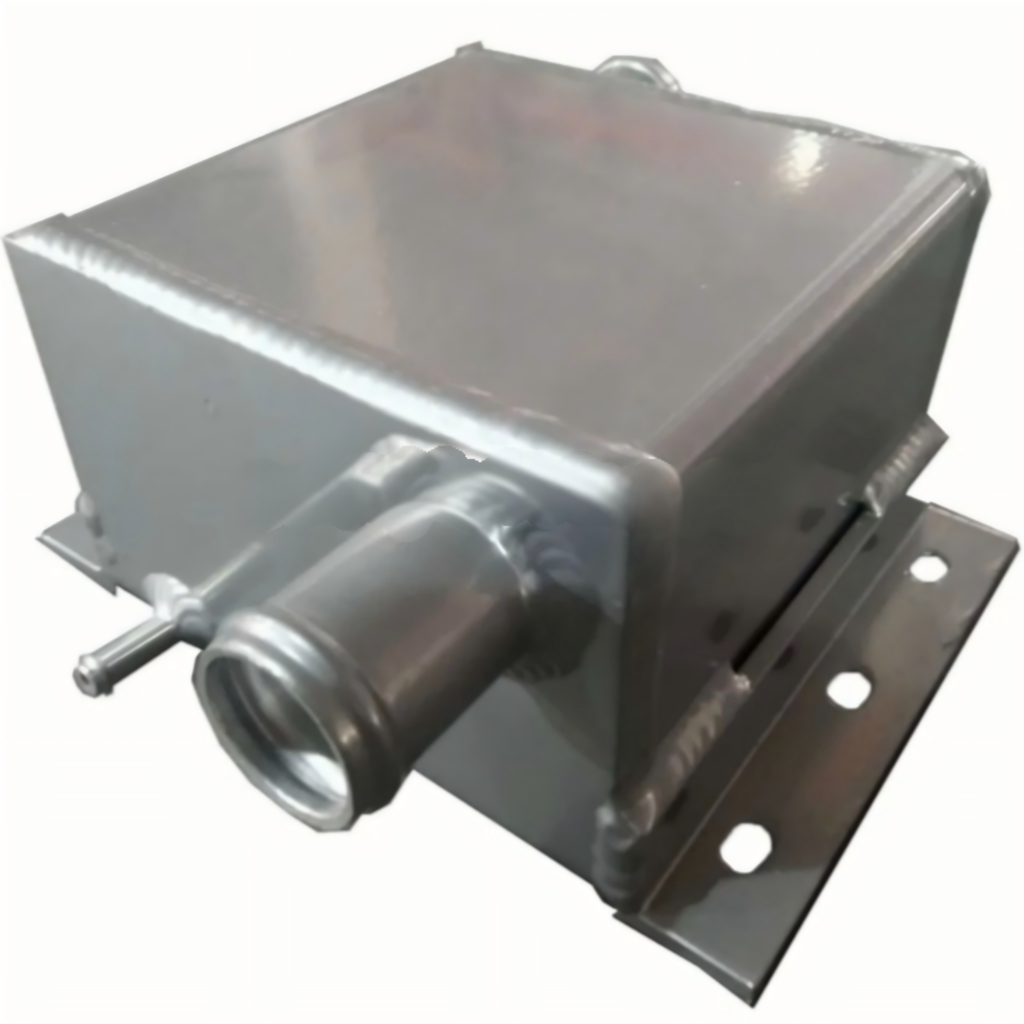
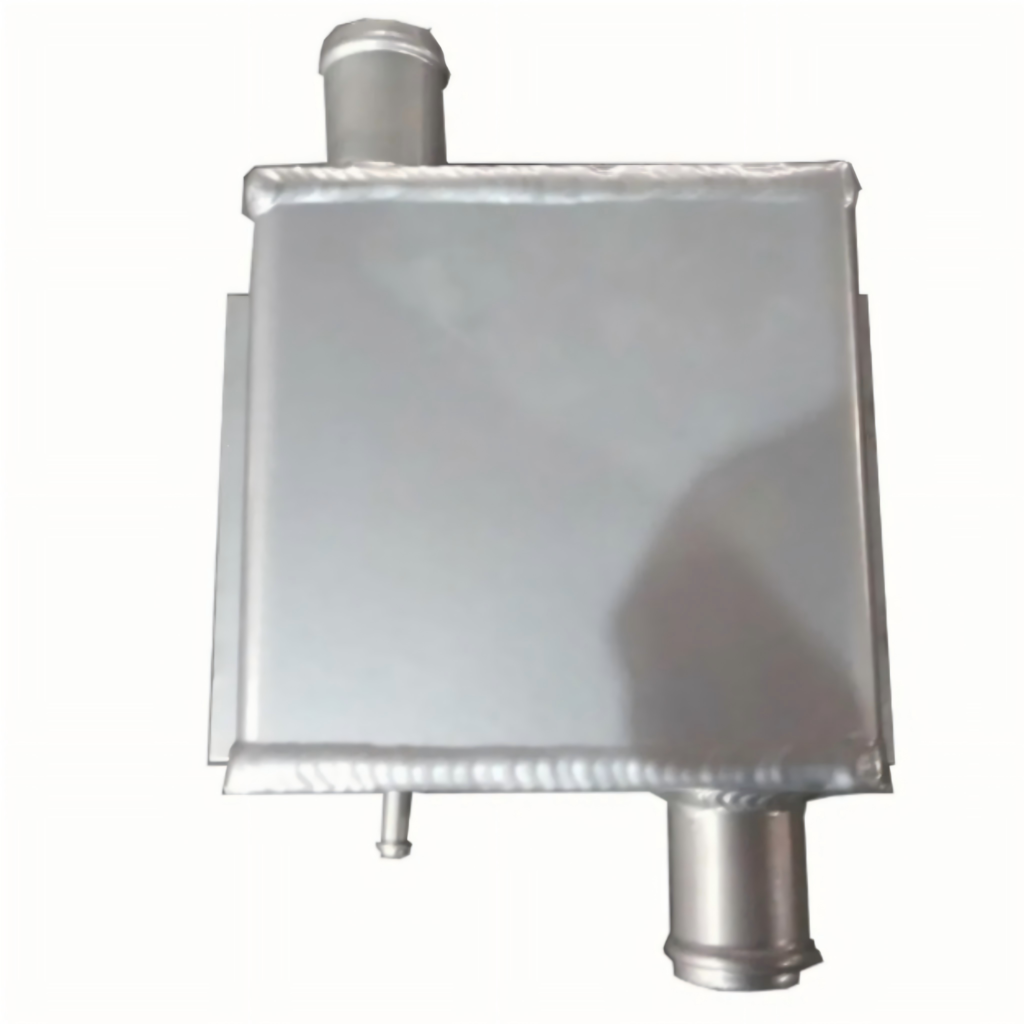
Professional water tank radiator welding for industrial engines, marine cooling, and heavy equipment. Crack repair, core replacement, and custom tanks. Pressure tested.
Why Industrial Radiators Fail?
Understanding failure modes helps us apply the right repair strategy for your water tank radiator. Industrial water tank radiator units typically fail in several ways.
Vibration Cracks – Constant engine or pump vibration causes fatigue cracks at water tank radiator tank corners and mounting bracket attachments. These cracks start small but grow over time, eventually causing coolant loss in the water tank radiator.
Corrosion Pitting – Coolant that is not changed regularly becomes acidic. It eats through thin aluminum from the inside of your water tank radiator. Pinhole leaks develop in water tank radiator tank walls or core tubes.
Physical Damage – Debris strikes, improper handling during maintenance, or accidental tool drops can puncture cores or dent tanks on a water tank radiator.
Seam Separation – The factory rolled or crimped seam between water tank radiator tank and core can loosen over time, especially under pressure cycling.
Overheating Damage – Excessive engine temperatures create internal pressure beyond design limits. Water tank radiator tanks bulge or seams separate.
For each failure type, our water tank radiator repair technique varies. A vibration crack on a water tank radiator requires stop drilling and full groove weld. A corroded area on a water tank radiator may need patch fabrication. Physical damage to a water tank radiator might involve cutting out a section of core and welding in new material.
Our Repair Process:
Industrial radiator work demands a methodical approach. The units are expensive and downtime is costly. We prioritize thorough repairs that last.
Our water tank radiator process follows these steps.
Step 1 – Assessment
We inspect the entire radiator, noting all damaged areas. We also check for internal contamination, bent fins, and structural integrity of mounting points.
Step 2 – Draining and Cleaning
We drain all coolant and flush the radiator with a mild alkaline solution. Residual glycol and contaminants cause weld porosity.
Step 3 – Disassembly if Needed
For core damage or internal tank cracks, we may cut the tank away from the core, repair the core, then weld the tank back on.
Step 4 – Crack Preparation
We drill a 1/8 inch hole at each end of a crack to stop propagation. The crack is then ground into a V groove. For thin tank walls, no bevel is needed.
Step 5 – Welding
We use AC TIG at 40 to 140 amps depending on material thickness. Filler rod is 4043 for 3003 tanks or 5356 for 5083 marine components. We weld in short segments with cooling between.
Step 6 – Pressure Testing
Every radiator is pressure tested to 15 to 30 PSI depending on application. We cap all openings and submerge in water while applying air pressure.
A general repair shop might rush this process. Our water tank radiator service includes thorough documentation of all repairs performed.
Common Repairs We Perform:
Our experience covers a wide range of industrial radiator issues.
Tank Crack Repair – The most common repair. Cracks at corners, weld seams, or mounting bracket attachments are ground out and re-welded.
Core Repair – For punctured core tubes, we cut out the damaged section and weld in a patch. Extensive core damage may require a full recore with new tube and fin assembly.
Inlet Outlet Replacement – Broken or corroded fittings are cut off and replaced with new aluminum tubing. We match original diameter, wall thickness, and angle.
Mounting Bracket Welding – Broken tabs, feet, and brackets are reattached or completely replaced.
Tank Fabrication – For radiators with severely corroded or crushed tanks, we cut new tanks from 3003 aluminum sheet and weld them to the existing core.
Pressure Cap Neck Repair – Damaged filler necks are replaced. We also convert non-capped systems to accept standard pressure caps when requested.
For vintage or obsolete radiators where no replacement exists, our water tank radiator service includes full reverse engineering and custom fabrication.
Custom Radiator Fabrication:
When replacement parts are unavailable or too expensive, we build complete custom radiators.
We start with your dimensions or an existing damaged unit. You specify core size, tank shape, inlet outlet locations, mounting configuration, and pressure rating. We then cut 3003 aluminum sheet for the tanks, machine any custom fittings, and assemble everything using AC TIG welding.
The core itself is sourced from aftermarket suppliers. We select core density (fins per inch) and tube size based on your cooling requirements. For high vibration applications, we recommend heavier tube walls and reinforced tank attachments.
Lead time for custom water tank radiator fabrication is 2 to 4 weeks depending on complexity. We offer design assistance if you are unsure about dimensions or cooling requirements.
Aluminum Alloys for Radiator Work:
Different radiator components use different alloys.
3003 Aluminum – The most common tank material. Excellent formability and good corrosion resistance. Welds easily with 4043 filler.
5052 Aluminum – Higher strength than 3003. Used for marine radiators and high vibration applications. Use 5356 filler for best corrosion resistance.
6061 Aluminum – Used for mounting brackets, frames, and structural attachments. Stronger than tank materials. Use 4043 filler.
5083 Aluminum – Marine grade alloy with superior saltwater corrosion resistance. Used for boat cooling systems. Requires 5356 filler.
Our water tank radiator technicians select filler metal based on base alloy, service environment, and repair type.
Quality Testing Procedures:
Every radiator that leaves our shop undergoes rigorous testing.
Visual Inspection – All welds are examined for cracks, porosity, undercut, and incomplete fusion. Tank surfaces are checked for flatness.
Pressure Test – We apply air pressure at 1.5 times the system operating pressure. The radiator is submerged in water. No bubbles are permitted for 5 minutes.
Flow Test – For custom radiators and major repairs, we perform a flow test to ensure coolant circulates properly. Restrictions or blockages are unacceptable.
Dimensional Check – We verify that inlet outlet positions, mounting bracket locations, and overall dimensions match original specifications.
Dye Penetrant Testing – For structural components and high-vibration applications, we perform dye penetrant inspection on all welds.
For customers who need documentation, we provide a certified test report with each water tank radiator repair.
Industries We Serve:
Our service supports multiple industrial sectors.
Power Generation – Generator set radiators for standby and prime power applications. Units range from small 20 kW sets to large 2 MW installations.
Marine – Engine cooling systems for workboats, fishing vessels, yachts, and commercial ships. Saltwater environments demand 5083 alloy and 5356 filler.
Mining – Heavy equipment radiators for haul trucks, loaders, excavators, and drills. Extreme vibration and debris require robust repairs.
Agriculture – Tractor, combine, and irrigation engine radiators. Seasonal downtime makes fast turnaround critical.
Industrial Engines – Stationary engines for pumps, compressors, and material handling equipment.
Locomotive – Rail equipment cooling systems. Large units with complex tank geometries.
For each industry, we adjust our water tank radiator approach based on operating conditions and customer downtime constraints.