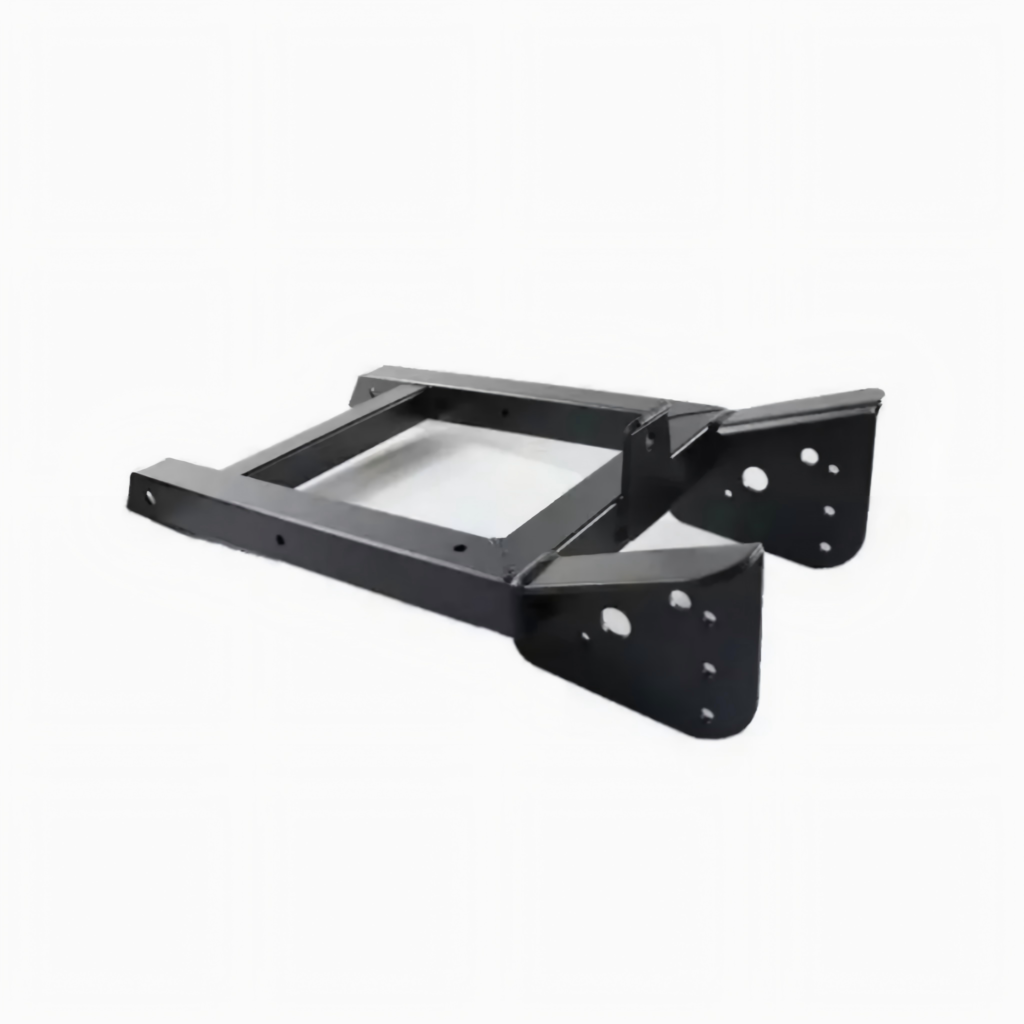
Metal Triangle Support Bracket Welding Service 6 Inch 304 Stainless with Custom Sizes and Ultimate Strength
申请报价
输入您需要的数量,并将其添加到您的报价清单,以便查询价格。.
产品详情
Professional welding of metal triangle support bracket for industrial strength. AWS certified, custom sizes, MIG/TIG welding, load tested. Fast turnaround for bulk orders.
Metal Triangle Support Bracket: Precision Welding for Industrial Strength
In the world of structural fabrication, the metal triangle support bracket is often overlooked, yet it serves as a silent workhorse across countless applications. From heavy machinery frames to shelving systems, from architectural facades to agricultural equipment, these triangular components provide essential stability and load distribution. For businesses specializing in welding, producing a high-quality metal triangle support bracket requires not just technical skill but a deep understanding of material behavior, joint design, and finishing processes.
This article explores everything you need to know about the metal triangle support bracket from a welding perspective—covering material selection, welding techniques, quality control, and customization options. Whether you are sourcing brackets for industrial racks or building custom supports for unique structures, understanding the welding nuances will help you achieve safer, longer-lasting results.
Why Triangular Support Matters in Metal Fabrication?
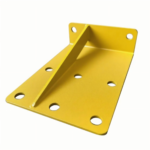
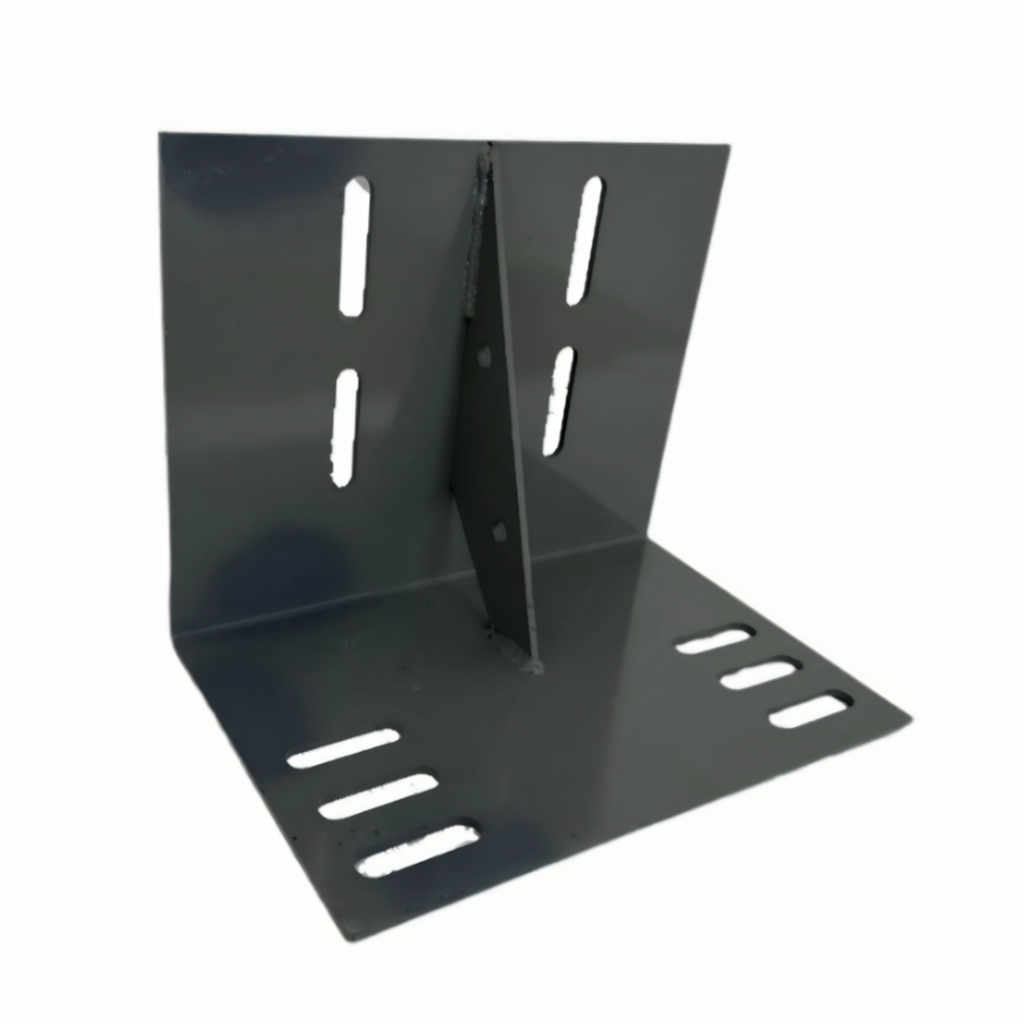
The triangle is geometrically the most stable shape. When applied to metal brackets, this principle translates into exceptional resistance to bending and twisting. A metal triangle support bracket typically consists of two legs joined at a right angle, with a diagonal brace forming the hypotenuse. This design effectively converts applied forces into compressive and tensile stresses along the straight members, rather than relying solely on the weld joints to resist shear.
For welding shops, this means that the quality of the bracket is determined largely by the accuracy of the miter cuts and the penetration of the welds at critical junctions. Poorly executed welds can turn a theoretically strong design into a liability. Therefore, when a client requests a metal triangle support bracket, your role as a welder is not just to fuse metal—it is to engineer a connection that will perform under real-world loads.
Key Materials for Welded Triangle Brackets:
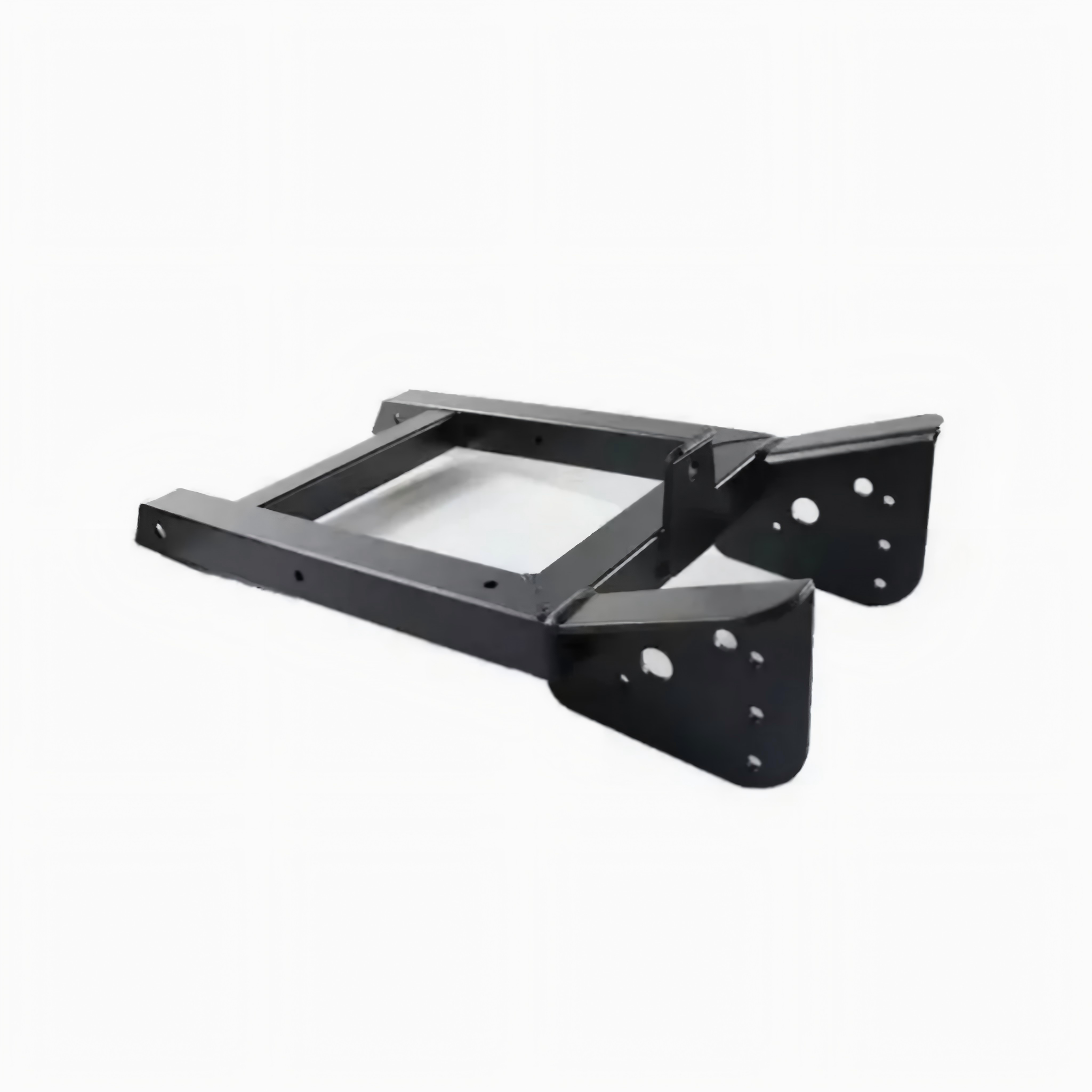
Different applications demand different base materials. The most common choices for a metal triangle support bracket include:
- Mild steel (A36): Economical, easy to weld, and suitable for general indoor applications. Ideal for shelving, workbenches, and non-corrosive environments.
- Stainless steel (304 or 316): Offers excellent corrosion resistance. Grade 304 works for food processing and indoor moist areas, while 316 is preferred for marine or chemical exposure. Welding stainless requires lower heat input and often back-purge for full penetration.
- Aluminum (6061 or 5052): Lightweight and rust-proof, but requires specialized welding techniques (AC TIG) and proper cleaning to remove oxide layers. An aluminum metal triangle support bracket is common in automotive, marine, and portable equipment.
- Galvanized steel: Pre-coated for corrosion resistance, but welding releases toxic zinc fumes. Adequate ventilation and grinding of the coating at weld zones are necessary.
Each material changes the welding parameters, filler metal choice, and post-weld treatment. As a welding-focused supplier, you should guide customers toward the right material for their load and environmental conditions.
Optimal Welding Processes for Triangle Brackets:
Not all welding processes yield the same results on a metal triangle support bracket. The following methods are most effective depending on thickness and production volume:
- MIG (GMAW): Best for production runs of mild steel brackets. It offers high deposition rates and easy automation. For a 3/16-inch thick metal triangle support bracket, ER70S-6 wire with C25 shielding gas provides clean, strong welds.
- TIG (GTAW): Preferred for stainless steel and aluminum brackets where appearance and precision matter. TIG allows better control over heat input, reducing warpage—a common issue on long, unsupported legs.
- Stick (SMAW): Useful for field repairs or heavy sections over 1/2 inch. While slower, stick welding can produce deep penetration on a thick metal triangle support bracket without expensive equipment.
- Flux-cored (FCAW): Ideal for outdoor or windy conditions. Self-shielded flux-cored wire can weld through minor rust or mill scale, making it practical for structural brackets in construction environments.
For most custom jobs, MIG or TIG provides the best balance of speed and quality. However, a reliable welding shop should be able to switch between processes based on the project specs.
Surface Finishing and Corrosion Protection:
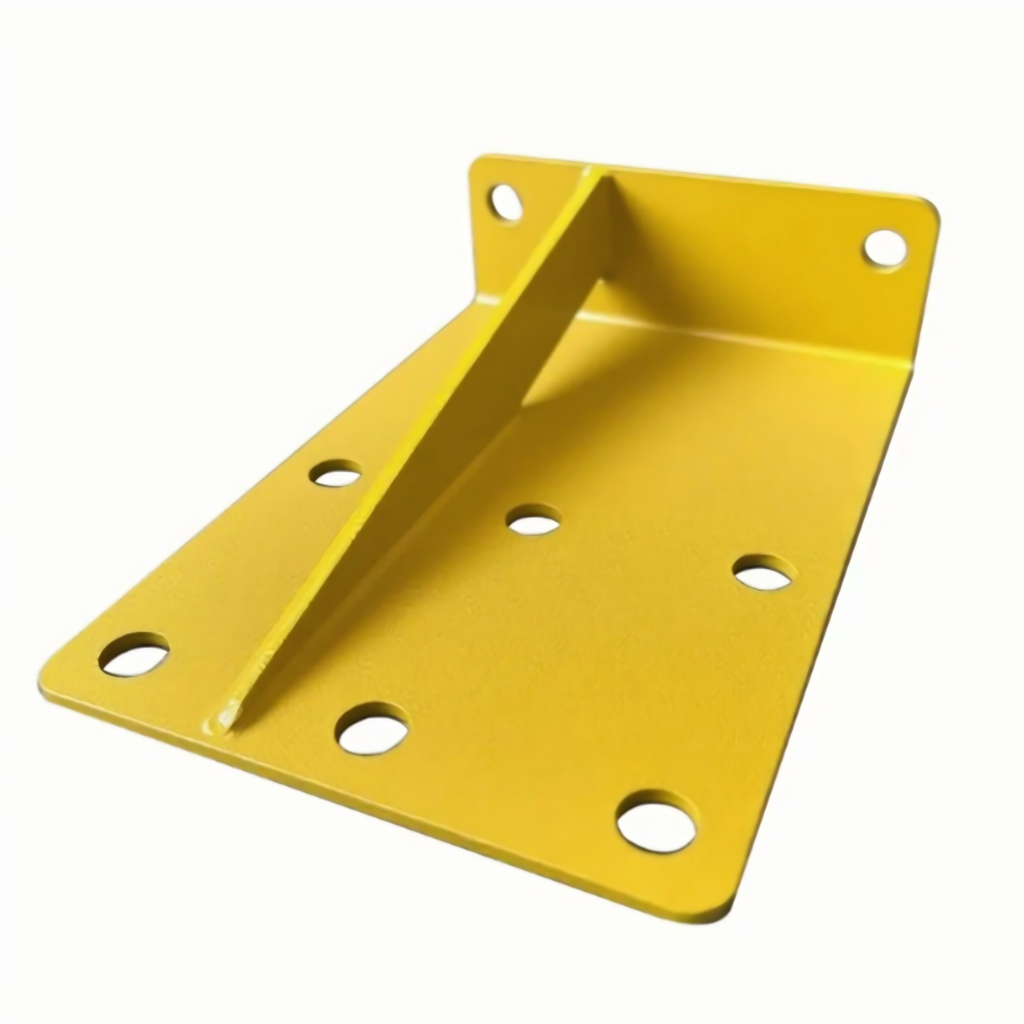
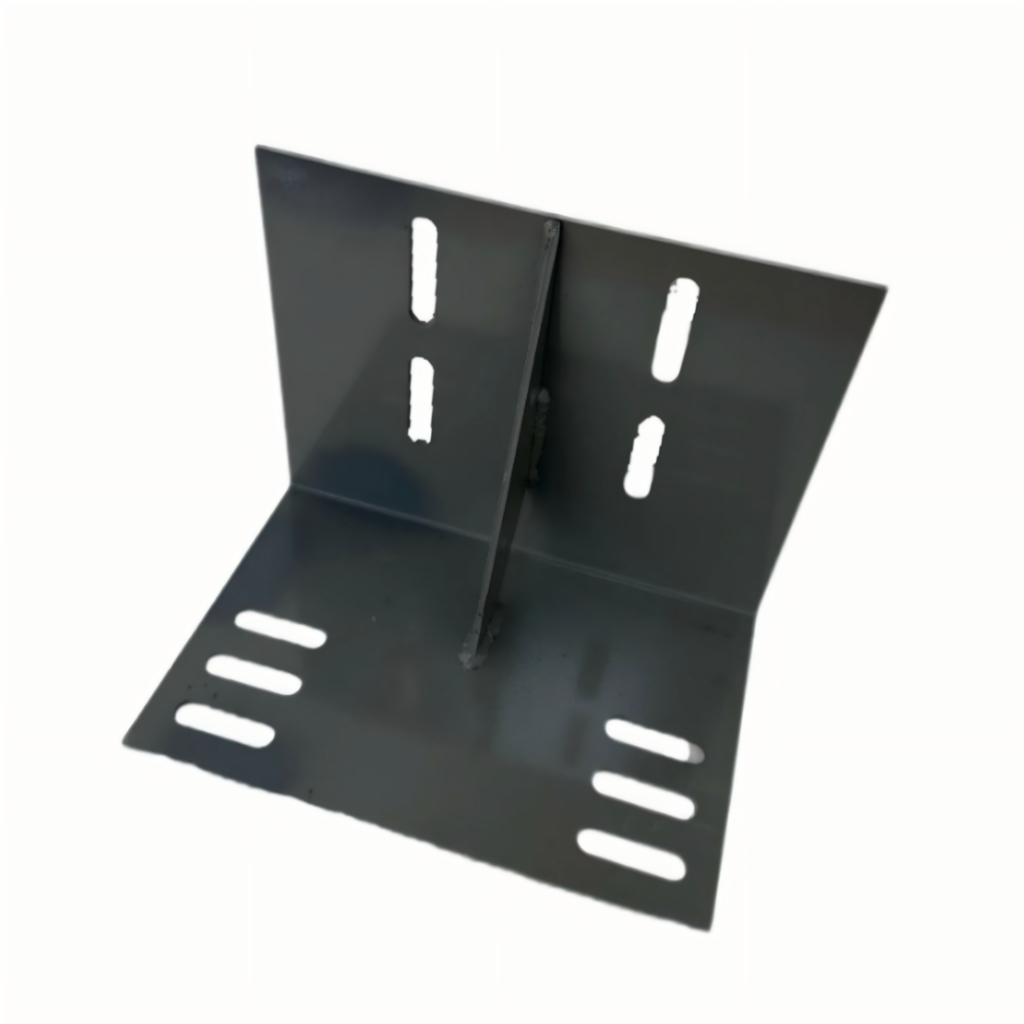
Welding a metal triangle support bracket is only half the story. The exposed weld zones are often more vulnerable to corrosion than the base metal. Post-weld treatments include:
- Grinding and blending: For cosmetic brackets (e.g., architectural railings), grind welds flush and blend into the surrounding metal. Be careful not to reduce the throat thickness.
- Passivation (stainless steel): Removes free iron from weld surfaces, restoring corrosion resistance. Required for food-grade or marine stainless brackets.
- Powder coating: Provides a durable, attractive finish. However, any porosity in the weld will outgas during curing, creating pinholes. Always seal welds with a high-temp filler before coating.
- Hot-dip galvanizing: Best for outdoor structural brackets. Inform the galvanizer that the brackets are welded; they may need to vent sealed sections to prevent explosion during dipping.
- Painting: A cost-effective option for indoor brackets. Use a rust-inhibitive primer over clean, slightly roughened weld areas.
Without proper finishing, even the strongest metal triangle support bracket will fail from rust or galvanic corrosion within a few years.
Customization Options for Customers:
One reason buyers prefer a specialized welding shop over a mass-produced bracket is customization. Offer these variables to differentiate your service:
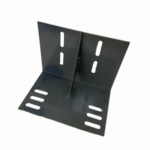
- Hole patterns: Pre-drill mounting holes based on customer’s bolt spacing. This saves them field drilling time.
- Stiffeners: Add a gusset plate at the corner of a large metal triangle support bracket for extra rigidity.
- Offset legs: Not all supports mount flush. Create brackets with one leg shorter or with a stepped profile to fit irregular surfaces.
- Inserts or bushings: Weld in threaded bungs or nylon bushings for vibration-damping applications.
- Serial numbering: Laser-etch or stamp each bracket for inventory tracking.
- Jigging for consistency: For orders of 100+ identical brackets, build a welding jig that positions all parts exactly. This ensures every metal triangle support bracket is identical.
Customization reduces your customer’s downstream labor, which justifies a higher selling price per unit.
Common Applications in Welding Projects:
To help your sales team and customers understand where a metal triangle support bracket adds value, here are typical use cases:
- Industrial shelving and racking: Prevents sagging under heavy pallet loads.
- Machinery frames: Stabilizes vertical posts against lateral forces.
- Signage structures: Holds large signs steady against wind loads.
- Agricultural equipment: Reinforces hitches, plows, and grain bin platforms.
- Mezzanine floors: Supports stringers and beams for elevated work areas.
- Solar panel mounts: Fixed-angle triangular brackets for ground or roof installations.
- Trailer and truck bodies: Corner reinforcements for toolboxes and side rails.
Each application may require a different weld size, material, or finish. When quoting a project, ask about the operating environment, dynamic loads, and safety factors.
Why Choose Our Welding Shop for Triangle Brackets?
Many fabricators can cut and weld a basic metal triangle support bracket. However, achieving consistent, code-quality welds at a competitive price requires experience and proper equipment. Our shop stands out because:
- Certified welders: AWS D1.1 structural certification for steel; AWS D1.2 for aluminum.
- In-house jig shop: Rapid custom jigs for repeat orders, reducing per-unit cost.
- NDT capability: On-site dye penetrant and magnetic particle inspection.
- Traceability: Each bracket receives a unique ID and retained weld log.
- Fast turnaround: Typical custom brackets ship within 5-7 business days.
We also provide free design consultation. If you only have a rough sketch or a load requirement, we can engineer the optimal metal triangle support bracket for your exact needs.
Conclusion:
The metal triangle support bracket may appear simple, but its performance hinges on expert welding. From material selection and joint preparation to finishing and quality assurance, every step affects strength and longevity. For industrial buyers, contracting with a welding shop that understands these details is not an expense—it is an investment in safety and reliability.
If your project requires custom metal triangle support brackets—whether ten pieces or ten thousand—contact us with your specifications. We’ll provide a detailed quote, weld procedure specification (WPS), and sample bracket for approval. No mass-produced import can match the consistency and strength of a bracket made by certified welders who take pride in every bead.