
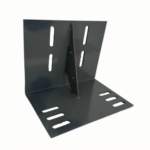
Suporte Triangular de Metal em Aço Inoxidável 304 com Resistência Máxima
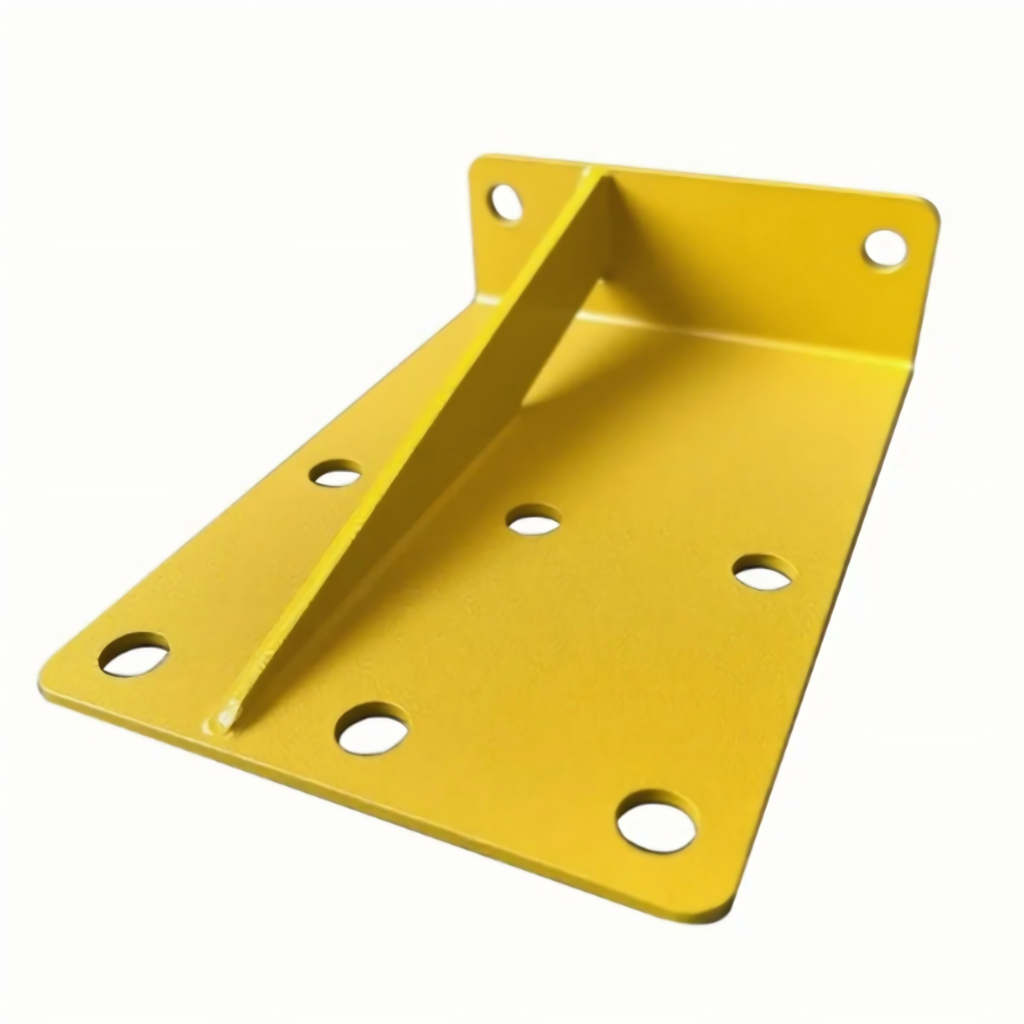
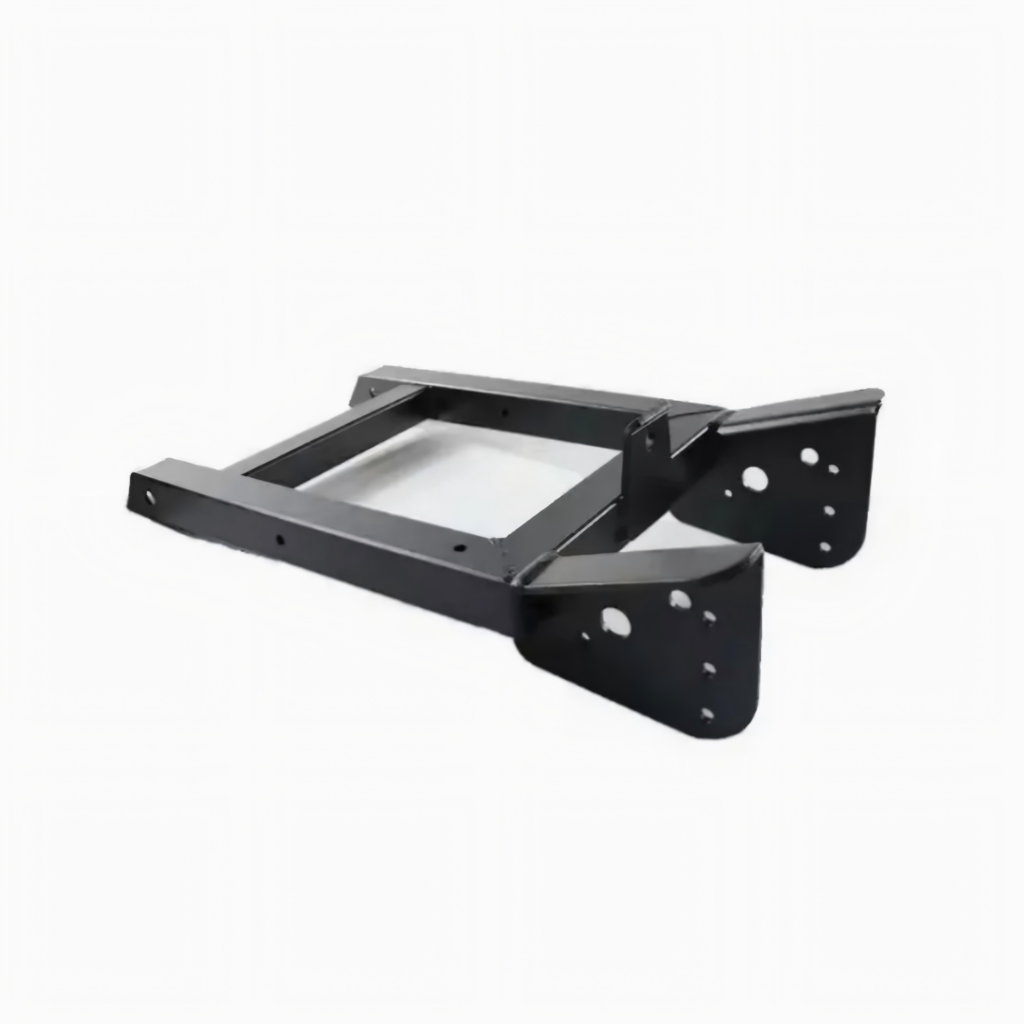
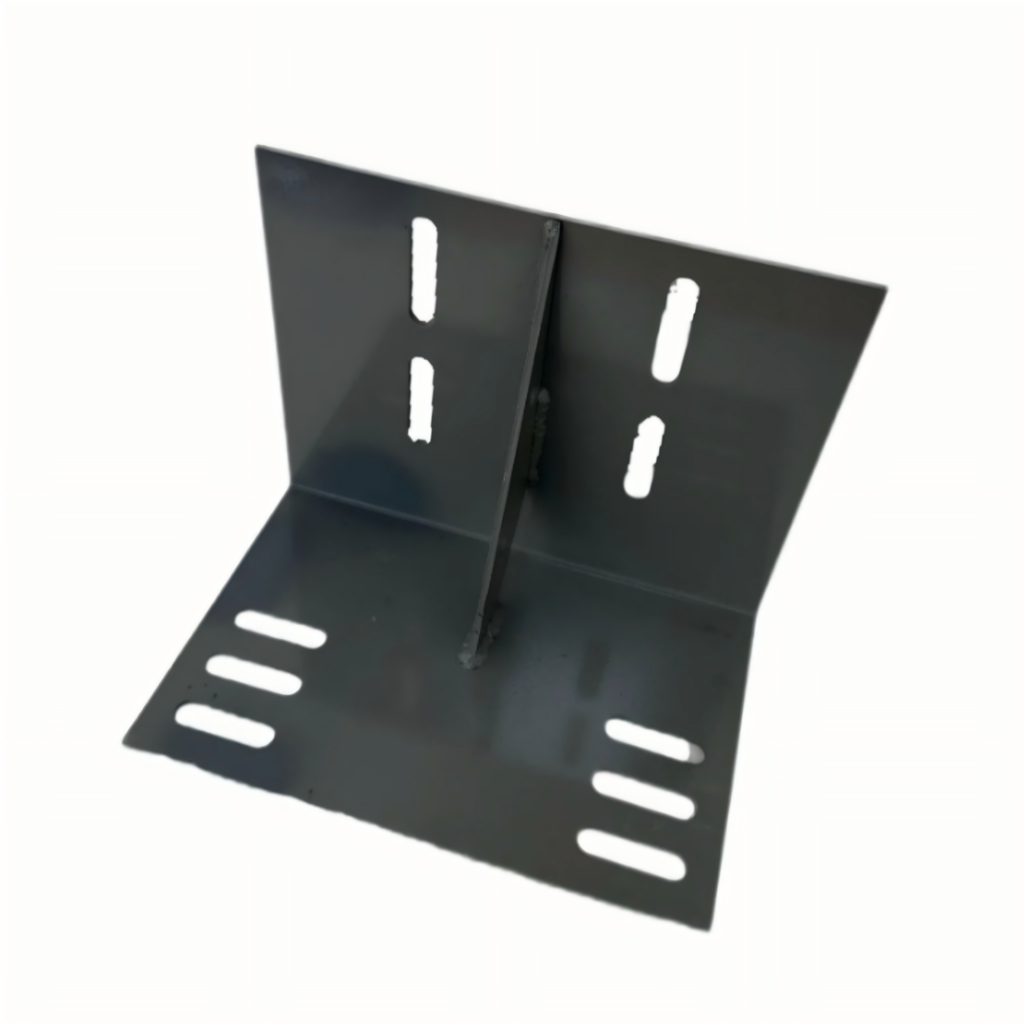
Serviço de soldagem de suporte triangular de metal em aço inoxidável 304 fornece fabricação de alta resistência para aplicações estruturais pesadas de 6 polegadas.
Request a Quote
Enter the quantity you need and add to your quote list for pricing inquiries.
Product Details
Suporte Triangular de Metal: Soldagem de Precisão para Resistência Industrial:
In the world of structural fabrication, the metal triangle support bracket is often overlooked, yet it serves as a silent workhorse across countless applications. From heavy machinery frames to shelving systems, from architectural facades to agricultural equipment, these triangular components provide essential stability and load distribution. For businesses specializing in welding, producing a high-quality metal triangle support bracket requires not just technical skill but a deep understanding of material behavior, joint design, and finishing processes.
.
This article explores everything you need to know about the metal triangle support bracket from a welding perspective—covering material selection, welding techniques, quality control, and customization options. Whether you are sourcing brackets for industrial racks or building custom supports for unique structures, understanding the welding nuances will help you achieve safer, longer-lasting results.
.
Why Triangular Support Matters in Metal Fabrication?
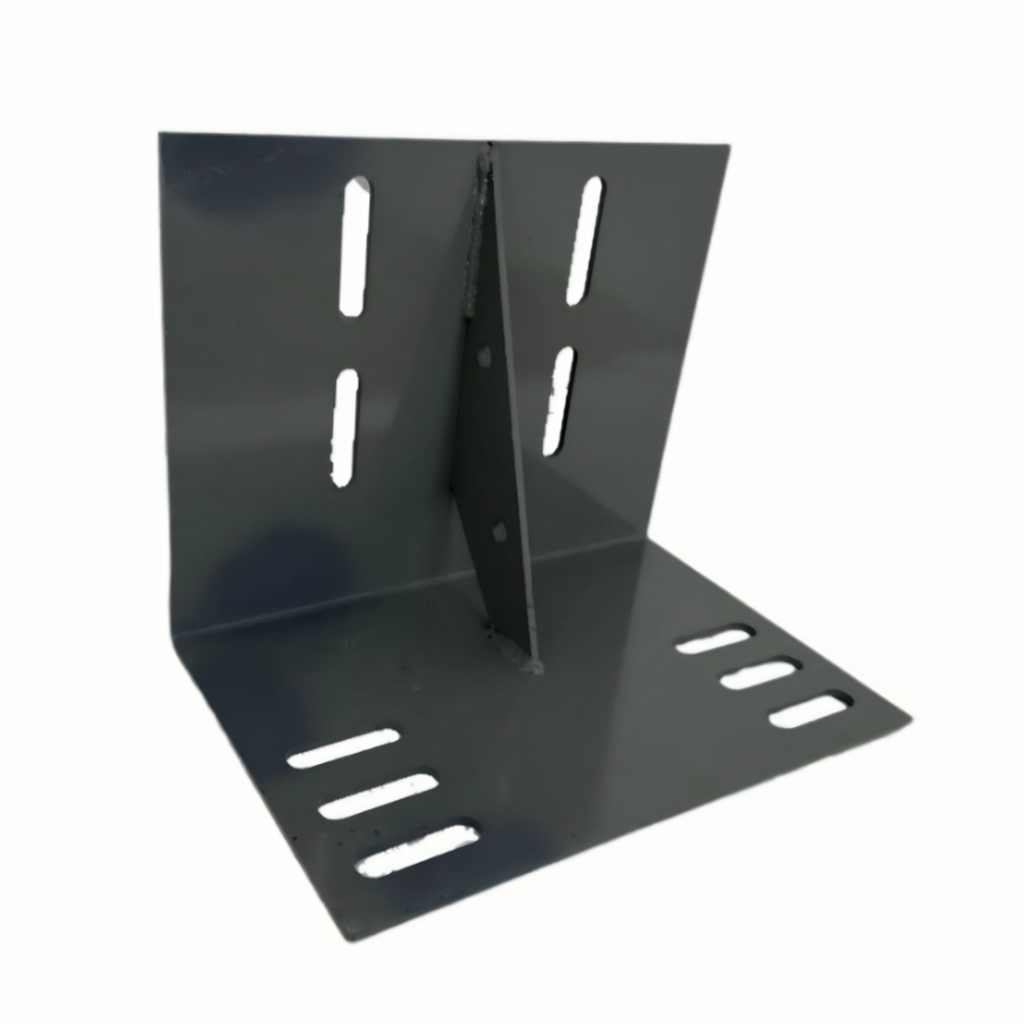
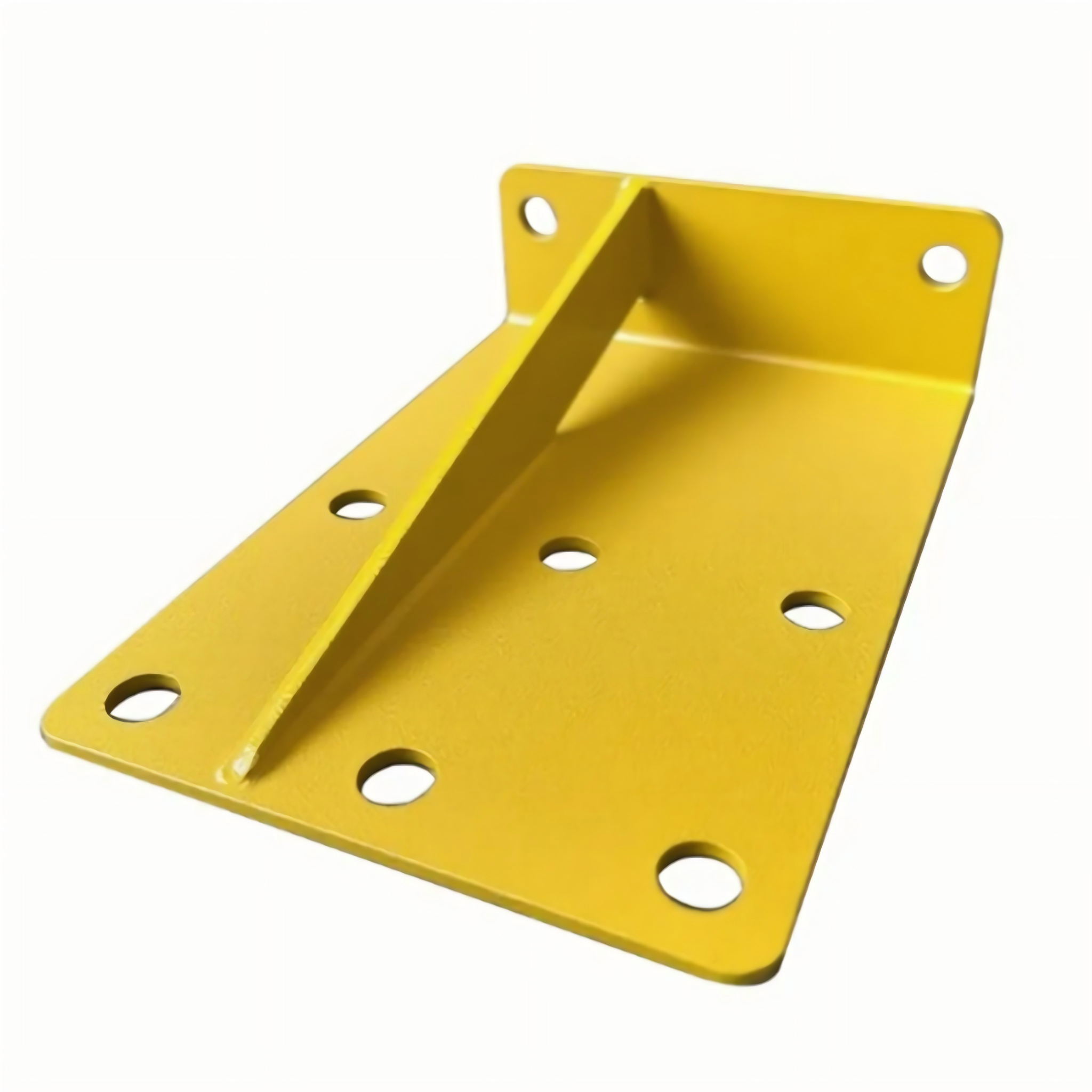
The triangle is geometrically the most stable shape. When applied to metal brackets, this principle translates into exceptional resistance to bending and twisting. A metal triangle support bracket typically consists of two legs joined at a right angle, with a diagonal brace forming the hypotenuse. This design effectively converts applied forces into compressive and tensile stresses along the straight members, rather than relying solely on the weld joints to resist shear.
.
For welding shops, this means that the quality of the bracket is determined largely by the accuracy of the miter cuts and the penetration of the welds at critical junctions. Poorly executed welds can turn a theoretically strong design into a liability. Therefore, when a client requests a metal triangle support bracket, your role as a welder is not just to fuse metal—it is to engineer a connection that will perform under real-world loads.
.
Key Materials for Welded Triangle Brackets:
Different applications demand different base materials. The most common choices for a metal triangle support bracket include:
- Mild steel (A36)
: Economical, easy to weld, and suitable for general indoor applications. Ideal for shelving, workbenches, and non-corrosive environments.
. - Stainless steel (304 or 316)
: Offers excellent corrosion resistance. Grade 304 works for food processing and indoor moist areas, while 316 is preferred for marine or chemical exposure. Welding stainless requires lower heat input and often back-purge for full penetration.
. - Aluminum (6061 or 5052)
: Lightweight and rust-proof, but requires specialized welding techniques (AC TIG) and proper cleaning to remove oxide layers. An aluminum metal triangle support bracket is common in automotive, marine, and portable equipment.
. - Aço galvanizado: Pre-coated for corrosion resistance, but welding releases toxic zinc fumes. Adequate ventilation and grinding of the coating at weld zones are necessary.
.
Each material changes the welding parameters, filler metal choice, and post-weld treatment. As a welding-focused supplier, you should guide customers toward the right material for their load and environmental conditions.
.
Optimal Welding Processes for Triangle Brackets:
Not all welding processes yield the same results on a metal triangle support bracket. The following methods are most effective depending on thickness and production volume:
- MIG (GMAW)
: Best for production runs of mild steel brackets. It offers high deposition rates and easy automation. For a 3/16-inch thick metal triangle support bracket, ER70S-6 wire with C25 shielding gas provides clean, strong welds.
. - TIG (GTAW)
: Preferred for stainless steel and aluminum brackets where appearance and precision matter. TIG allows better control over heat input, reducing warpage—a common issue on long, unsupported legs.
. - Stick (SMAW)
: Useful for field repairs or heavy sections over 1/2 inch. While slower, stick welding can produce deep penetration on a thick metal triangle support bracket without expensive equipment.
. - Flux-cored (FCAW)
: Ideal for outdoor or windy conditions. Self-shielded flux-cored wire can weld through minor rust or mill scale, making it practical for structural brackets in construction environments.
.
For most custom jobs, MIG or TIG provides the best balance of speed and quality. However, a reliable welding shop should be able to switch between processes based on the project specs.
.
Acabamento superficial e proteção contra corrosão:
Welding a metal triangle support bracket is only half the story. The exposed weld zones are often more vulnerable to corrosion than the base metal. Post-weld treatments include:
- Grinding and blending
: For cosmetic brackets (e.g., architectural railings), grind welds flush and blend into the surrounding metal. Be careful not to reduce the throat thickness.
. - Passivação (aço inoxidável): Removes free iron from weld surfaces, restoring corrosion resistance. Required for food-grade or marine stainless brackets.
. - Pintura a pó: Provides a durable, attractive finish. However, any porosity in the weld will outgas during curing, creating pinholes. Always seal welds with a high-temp filler before coating.
. - Galvanização por imersão a quente: Best for outdoor structural brackets. Inform the galvanizer that the brackets are welded; they may need to vent sealed sections to prevent explosion during dipping.
. - Painting
: A cost-effective option for indoor brackets. Use a rust-inhibitive primer over clean, slightly roughened weld areas.
.
Without proper finishing, even the strongest metal triangle support bracket will fail from rust or galvanic corrosion within a few years.
.
Customization Options for Customers:
One reason buyers prefer a specialized welding shop over a mass-produced bracket is customization. Offer these variables to differentiate your service:
- Padrões de furos: Pré-fure os furos de montagem com base no espaçamento dos parafusos do cliente. Isso economiza tempo de perfuração em campo.
- Reforços: Adicione uma chapa de reforço no canto de um suporte triangular de metal grande para rigidez extra.
- Pernas deslocadas: Nem todos os suportes montam rentes. Crie suportes com uma perna mais curta ou com um perfil escalonado para se ajustar a superfícies irregulares.
- Insertos ou buchas: Solde buchas roscadas ou buchas de nylon para aplicações de amortecimento de vibração.
- Numeração serial: Grave a laser ou carimbe cada suporte para rastreamento de inventário.
- Gabarito para consistência: Para pedidos de 100+ suportes idênticos, construa um gabarito de soldagem que posicione todas as peças exatamente. Isso garante que cada suporte triangular de metal seja idêntico.
A personalização reduz o trabalho downstream do seu cliente, o que justifica um preço de venda mais alto por unidade.
Aplicações Comuns em Projetos de Soldagem:
Para ajudar sua equipe de vendas e clientes a entender onde um suporte triangular de metal agrega valor, aqui estão casos de uso típicos:
- Prateleiras e estantes industriais: Previne a flacidez sob cargas pesadas de paletes.
- Estruturas de máquinas: Estabiliza postes verticais contra forças laterais.
- Estruturas de sinalização: Mantém grandes letreiros estáveis contra cargas de vento.
- Equipamentos agrícolas: Reforça engates, arados e plataformas de silos de grãos.
- Pisos de mezanino: Suporta longarinas e vigas para áreas de trabalho elevadas.
- Suportes de painéis solares: Suportes triangulares de ângulo fixo para instalações no solo ou telhado.
- Carrocerias de reboques e caminhões: Reforços de canto para caixas de ferramentas e laterais.
Cada aplicação pode exigir um tamanho de solda, material ou acabamento diferente. Ao cotar um projeto, pergunte sobre o ambiente operacional, cargas dinâmicas e fatores de segurança.
Por que Escolher Nossa Oficina de Soldagem para Suportes Triangulares?
Muitos fabricantes podem cortar e soldar um suporte triangular de metal básico. No entanto, alcançar soldas consistentes e de qualidade de código a um preço competitivo requer experiência e equipamento adequado. Nossa oficina se destaca porque:
- Soldadores certificados: Certificação estrutural AWS D1.1 para aço; AWS D1.2 para alumínio.
- Oficina de gabaritos interna: Gabaritos personalizados rápidos para pedidos repetidos, reduzindo o custo por unidade.
- Capacidade de END: Inspeção no local por líquido penetrante e partículas magnéticas.
- Rastreabilidade: Cada suporte recebe um ID único e um registro de solda retido.
- Prazo de entrega rápido: Suportes personalizados típicos são enviados em 5-7 dias úteis.
Também fornecemos consultoria de design gratuita. Se você tem apenas um esboço ou um requisito de carga, podemos projetar o suporte triangular de metal ideal para suas necessidades exatas.
Conclusão:
O suporte triangular de metal pode parecer simples, mas seu desempenho depende de soldagem especializada. Desde a seleção do material e preparação da junta até o acabamento e garantia de qualidade, cada etapa afeta a resistência e longevidade. Para compradores industriais, contratar uma oficina de soldagem que entende esses detalhes não é uma despesa—é um investimento em segurança e confiabilidade.
Se seu projeto requer suportes triangulares de metal personalizados—sejam dez peças ou dez mil—entre em contato conosco com suas especificações. Forneceremos um orçamento detalhado, especificação de procedimento de soldagem (EPS) e um suporte de amostra para aprovação. Nenhum importado produzido em massa pode igualar a consistência e resistência de um suporte feito por soldadores certificados que se orgulham de cada cordão.