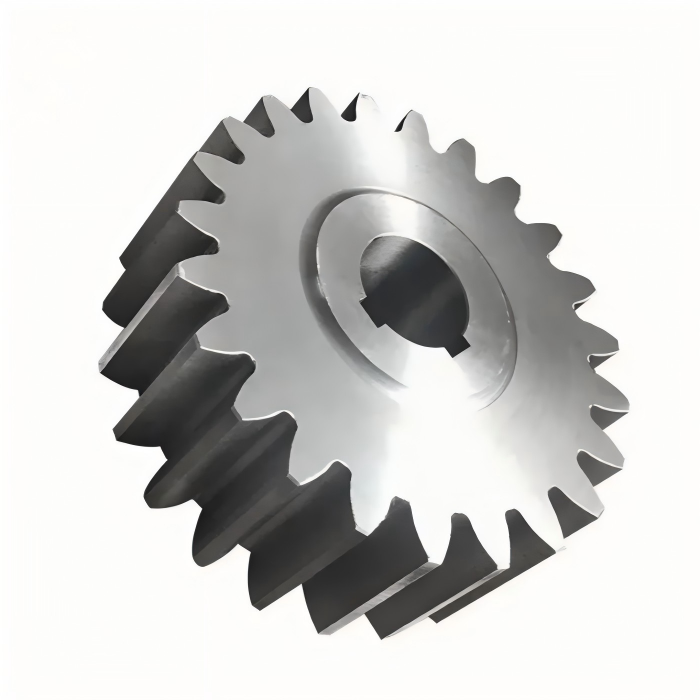

Hypoid Bevel Gear 1″ Bore 90° Spiral – High Torque Durable
Custom Hypoid Bevel Gear with precision machining, high torque capacity, and excellent durability for automotive, machinery, and industrial drive systems.
Request a Quote
Enter the quantity you need and add to your quote list for pricing inquiries.
Product Details
What Is a Hypoid Bevel Gear?
A hypoid bevel gear is a spiral bevel gear with offset axes, meaning the pinion axis does not intersect the gear axis. This offset design distinguishes the hypoid bevel gear from standard bevel gears, allowing the pinion to be larger and stronger than a comparable spiral bevel pinion. The result is higher torque capacity, smoother operation, and quieter running.
The hypoid bevel gear is characterized by its spiral tooth profile, offset axes, and high contact ratio. Typical features include curved teeth that engage gradually for smooth operation, an offset between pinion and gear axes, a larger pinion diameter than spiral bevel designs, high sliding action for improved lubrication, and case-hardened surfaces for wear resistance. The hypoid bevel gear is commonly found in automotive rear axles where the pinion is offset below the gear center.
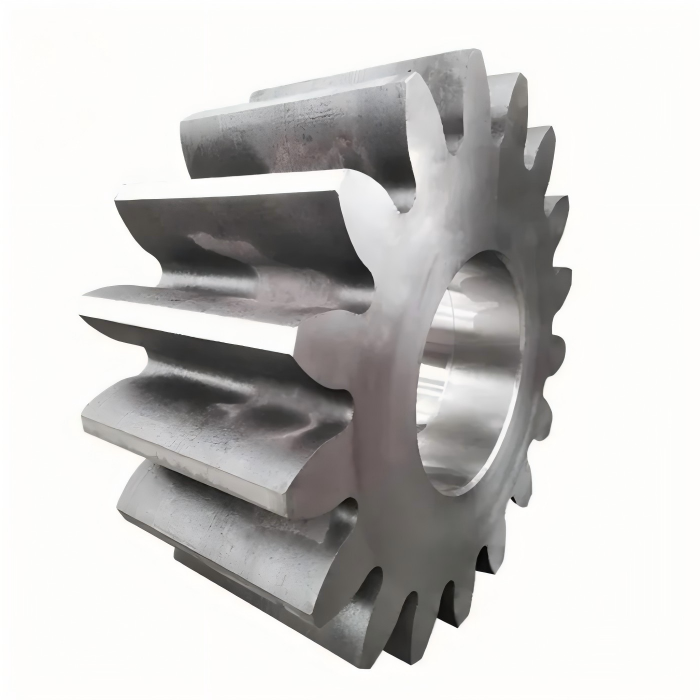
How Hypoid Bevel Gear Works:
The hypoid bevel gear operates on the principle of crossed axes with offset. As the pinion rotates, its spiral teeth engage the gear teeth gradually, creating a rolling and sliding action. The offset design allows the pinion to be larger in diameter than a comparable spiral bevel pinion, increasing tooth strength and torque capacity. The sliding action promotes oil film formation between teeth, reducing wear and noise.
Key advantages of hypoid bevel gear operation include higher torque capacity than spiral bevel gears, smoother and quieter operation due to higher contact ratio, the ability to lower the driveshaft in automotive applications, improved lubrication from sliding action, and long service life with proper maintenance.
Common Materials for Hypoid Bevel Gear:
Case Hardened Alloy Steel is the most common material for hypoid bevel gear production. Grades 8620, 4320, and 9310 offer excellent hardenability, high core strength, and good wear resistance. Suitable for automotive differentials and industrial gearboxes.
Carburized Steel provides a hard, wear-resistant case with a tough core. Offers excellent fatigue resistance for high-cycle applications. Suitable for heavy-duty truck axles and industrial drives.
Nitrided Steel offers a hard surface without distortion. Suitable for precision applications requiring minimal post-heat-treatment machining.
Stainless Steel provides corrosion resistance for food processing, marine, and chemical applications. Grades 17-4 PH and 15-5 PH offer good hardness and strength.
Types of Hypoid Bevel Gear:
Automotive Hypoid Gear:
Used in car and truck differentials. Features offset pinion for low driveshaft position. Suitable for rear axles and front axles.
Industrial Hypoid Gear:
Used in right-angle gearboxes and speed reducers. Available in various ratios and frame sizes. Suitable for conveyors, mixers, and agitators.
High Torque Hypoid Gear:
Designed for heavy-duty applications requiring maximum torque capacity. Features larger tooth sections and wider faces. Suitable for mining, off-highway, and marine drives.
High Speed Hypoid Gear:
Precision ground for high-speed operation. Features tighter tolerances and improved surface finish. Suitable for machine tool spindles and high-speed reducers.
Custom Hypoid Gear:
Engineered to exact specifications including unique ratios, shaft dimensions, and offset distances.
Applications Across Industries:
Automotive Differentials:
Hypoid bevel gear is the standard for rear-wheel drive and four-wheel drive vehicle axles. The offset design allows the driveshaft to sit lower, reducing transmission tunnel height and improving passenger space.
Industrial Gearboxes:
Hypoid bevel gear provides right-angle power transmission in conveyors, mixers, and material handling equipment. High efficiency and quiet operation suit factory environments.
Power Tools:
Hypoid bevel gear drives right-angle attachments on drills and impact wrenches. Compact design delivers high torque in tight spaces.
Heavy Machinery:
Hypoid bevel gear transmits power in mining equipment, construction machinery, and agricultural implements. Rugged construction withstands shock loads.
Marine Drives:
Hypoid bevel gear connects engines to propeller shafts in inboard marine applications. Corrosion-resistant materials available.
Excellent Case: Automotive Rear Axle
Background: A truck manufacturer needed a rear axle design that could handle higher torque from a new engine while reducing driveline noise. Standard spiral bevel gears lacked torque capacity and produced objectionable whine.
Solution: A hypoid bevel gear was specified with 4.10 ratio and 30mm offset. The pinion was case carburized to 60 HRC, and gears were lapped for perfect tooth contact.
Results:
- Torque Capacity: Increased by 30 percent over spiral bevel
- Noise: Reduced by 6 decibels at highway speed
- Durability: Passed 500,000-mile durability test
- Packaging: Lower driveshaft improved passenger space
- Lubrication: Hypoid gear oil maintained film strength
This case demonstrates how the hypoid bevel gear improves torque capacity and reduces noise in automotive drivelines.
How to Select the Right Hypoid Bevel Gear:
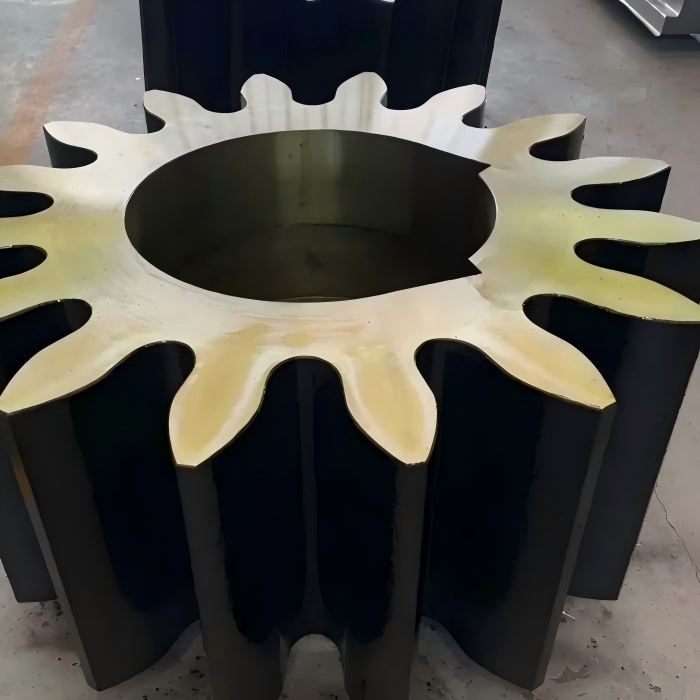
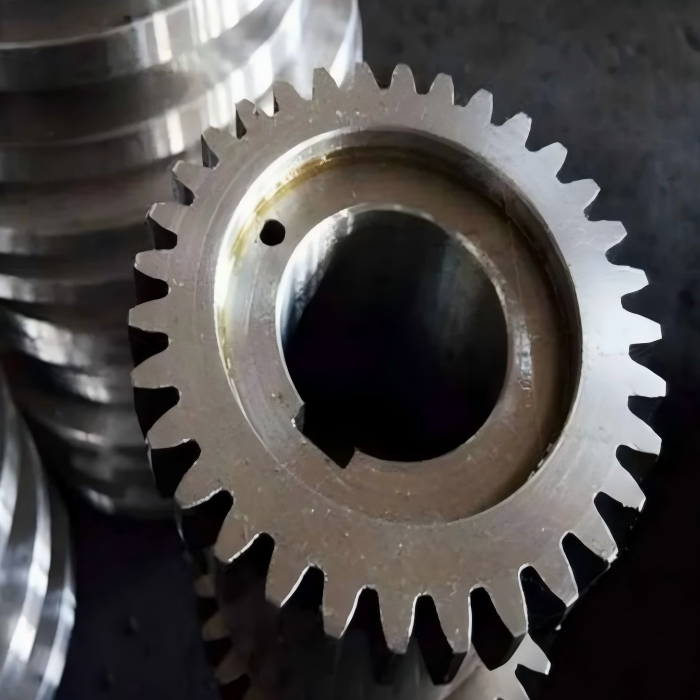
Choosing the appropriate hypoid bevel gear requires consideration of torque requirement to determine gear size and material. Ratio specifies the speed reduction between input and output. Offset distance affects pinion size and torque capacity. Speed determines whether standard or precision ground gears are needed. Environmental conditions influence material selection, with stainless steel for corrosive environments.
Maintenance and Care:
Regular maintenance extends hypoid bevel gear life. Check oil level and condition periodically. Inspect for metal particles on drain plug magnet. Listen for unusual noise indicating wear or misalignment. Retorque mounting bolts after initial run-in.
Common Failure Modes:
Understanding potential failures helps with preventive maintenance. Tooth wear from inadequate lubrication or wrong oil type, prevented by using correct hypoid oil. Pitting from overload or insufficient surface hardness, prevented by proper material selection. Scoring from high temperature or lack of EP additives, prevented by quality hypoid oil. Tooth breakage from shock loading, prevented by conservative torque rating selection.
Conclusion:
The hypoid bevel gear represents a superior solution for right-angle power transmission requiring high torque, quiet operation, and compact packaging. By enabling offset axes, it provides advantages over st