Aluminium-Grundplatte präzises 2-seitiges Kehlnahtschweißen für strukturelle Anwendungen
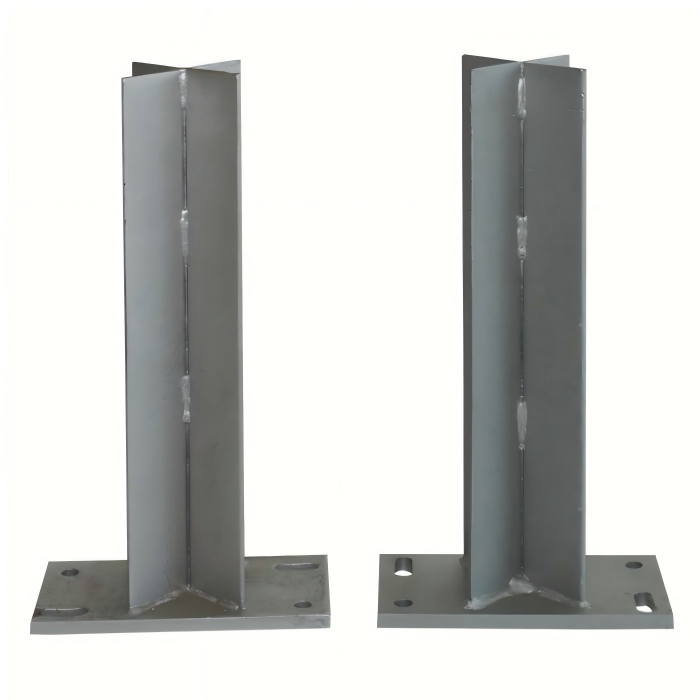
Hochfeste Aluminium-Grundplatten verwenden CNC-Bearbeitung und Schweißen für strukturelle Unterstützung, Maßgenauigkeit, Langlebigkeit und zuverlässige Lastaufnahme.
Request a Quote
Enter the quantity you need and add to your quote list for pricing inquiries.
Product Details
Warum Grundplatten professionelles Schweißen benötigen?
Eine Aluminium-Grundplatte mag einfach aussehen. Es ist nur ein flaches Metallstück mit Löchern. Das Schweißen, das eine Aluminium-Grundplatte an einer Stütze oder einem Rahmen befestigt, erfordert jedoch echtes Können.
Die Schweißnaht zwischen einer vertikalen Stütze und einer horizontalen Aluminium-Grundplatte ist eine hochbelastete Verbindung. Bei einem Erdbeben oder unter schwerer Last erfährt diese Verbindung gleichzeitig Biege-, Scher- und Zugkräfte. Eine schlechte Schweißnaht an einer Aluminium-Grundplatte wird versagen. Eine gute Schweißnaht an einer Aluminium-Grundplatte wird den Rest der Struktur überdauern.
Unser Ansatz für diese Aluminium-Grundplatte umfasst eine ordnungsgemäße Nahtvorbereitung. Das Stützenende muss rechtwinklig geschnitten sein. Die Aluminium-Grundplatte muss sauber sein. Die Schweißnaht muss vollständige Durchschweißung erreichen, ohne übermäßige Hitze, die die Aluminium-Grundplatte verzieht. Wir verwenden AC-WIG- und gepulste MIG-Verfahren, um die Wärmezufuhr beim Schweißen einer Aluminium-Grundplatte zu kontrollieren.
Zusätzlich muss die Aluminium-Grundplatte nach dem Schweißen flach bleiben. Eine verzogene Aluminium-Grundplatte wird nicht bündig auf dem Boden aufliegen. Schrauben werden nicht richtig gegen die Aluminium-Grundplatte anziehen. Die gesamte Struktur wird wackeln. Unsere Schweißverfahren verhindern Verzug der Aluminium-Grundplatte.
Jede von uns geschweißte Aluminium-Grundplatte wird nach dem Schweißen auf einem Oberflächenmessplatz auf Ebenheit geprüft.
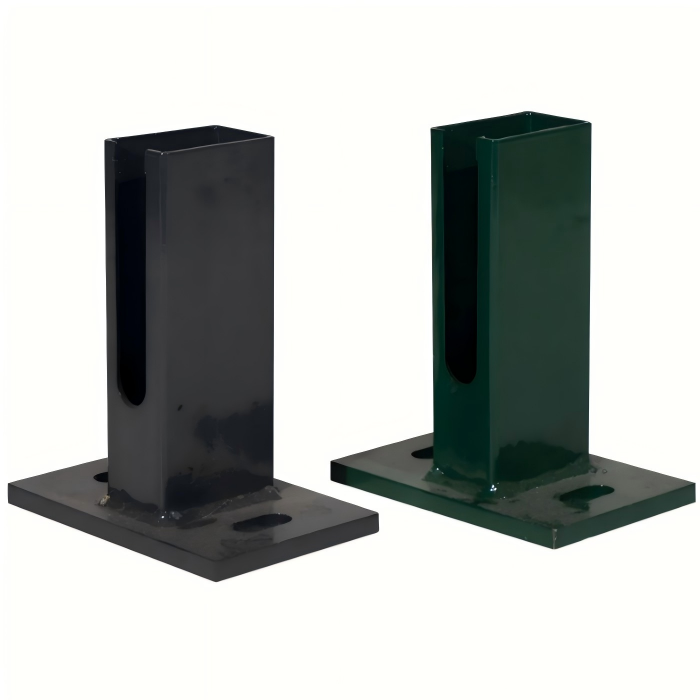
Anwendungen für geschweißte Grundplatten:
Grundplatten werden in unzähligen Anwendungen eingesetzt.
Stützen – Vertikale Stützen für Gebäude, Vordächer und Zwischengeschosse. Die Grundplatte überträgt die Stützenlasten auf das Fundament.
Maschinenhalterungen – Schwere Geräte müssen aus Sicherheitsgründen am Boden verschraubt werden. Eine an den Maschinenrahmen geschweißte Grundplatte bietet Befestigungspunkte.
Geräteständer – Kundenspezifische Ständer für Industrieanlagen enthalten oft Grundplatten, die an Beinrohre geschweißt sind.
Geländerpfosten – Handlauf- und Schutzgeländerpfosten benötigen Grundplatten für die Bodenmontage.
Regalstützen – Stützpfeiler für Schwerlastregale haben oft geschweißte Grundplatten.
Förderbandstützen – Förderbandständer benötigen Grundplatten, um die Ausrichtung zu erhalten.
Temporäre Strukturen – Modulare Gebäude, Veranstaltungsstrukturen und tragbare Geräte.
Für jede Anwendung entwerfen wir die Aluminium-Grundplatte, um spezifische Lastanforderungen und Befestigungsmuster zu erfüllen.
Aluminiumlegierungen für Grundplatten:
Unterschiedliche Anwendungen erfordern unterschiedliche Legierungen.
6061-T6 Die häufigste Wahl für strukturelle Grundplatten. Ausgezeichnete Festigkeit, gute Schweißbarkeit und weit verbreitet. Geeignet für die meisten industriellen Anwendungen.
5052 – Bessere Korrosionsbeständigkeit als 6061. Wird für Grundplatten in Meeresumgebungen, Chemieanlagen und Lebensmittelverarbeitungsbetrieben verwendet. Etwas geringere Festigkeit.
5083 – Hochfeste Meereslegierung. Wird für schwere Grundplatten auf Schiffen, Docks und Küstenstrukturen verwendet. Ausgezeichnete Salzwasserbeständigkeit.
3003 – Geringere Festigkeit, besser verformbar. Wird für leichte Grundplatten verwendet, bei denen das Gewicht kritisch ist, die Lasten jedoch gering sind.
Für die meisten strukturellen Anwendungen empfiehlt unser Team Aluminiumplatte 6061-T6. Es bietet das beste Gleichgewicht zwischen Festigkeit, Schweißbarkeit und Kosten.
Plattengeschweißte Dicken:
Wir arbeiten mit einer breiten Palette von Dicken.
1/4 Zoll (6,35 mm) – Leichte Grundplatten für Geländerpfosten, leichte Geräteständer und Regale. Geeignet für Lasten bis 500 lbs.
3/8 Zoll (9,5 mm) – Mittelschwer. Wird für Maschinenhalterungen, Förderbandstützen und Stützen in niedrigen Anwendungen verwendet. Lasten bis 2000 lbs.
1/2 Zoll (12,7 mm) – Schwerlast. Üblich für Industrieanlagen, Gebäudestützen und Erdbebenanwendungen. Lasten bis 5000 lbs.
3/4 Zoll (19 mm) – Extraschwer. Wird für große Maschinen, Brückenkomponenten und hochbelastete Strukturen verwendet. Lasten bis 10.000 lbs.
1 Zoll (25,4 mm) bis 2 Zoll (50,8 mm) – Extrembelastung. Sonderanfertigungen für spezialisierte Anwendungen. Jede Aluminium-Grundplatte dieser Dicke wird individuell konstruiert.
Wir führen Lagerbestand an 6061-Platten in gängigen Dicken. Kundenspezifische Dicken können mit verlängerter Lieferzeit bestellt werden.
Schweißverfahren für Grundplatten:
Wir verwenden zwei primäre Schweißverfahren.
Gepulstes MIG – Unser bevorzugtes Verfahren für die meisten Grundplattenschweißungen. Gepulstes MIG reduziert die Wärmezufuhr im Vergleich zu herkömmlichem MIG und minimiert Verzug. Die Abschmelzleistung ist hoch, was es für Produktionsläufe wirtschaftlich macht. Wird für Plattengeschweißte Dicken ab 3/8 Zoll verwendet.
AC-WIG – Wird für dünnere Platten, kosmetische Anwendungen und wenn maximale Kontrolle erforderlich ist, verwendet. WIG erzeugt die saubersten Schweißnähte ohne Spritzer. Langsamer als MIG, bietet aber überlegene Qualität an kritischen Verbindungen.
Kehlnaht – Der häufigste Schweißnahttyp zum Befestigen einer Stütze an einer Grundplatte. Wir legen die Schweißnahtgröße basierend auf den Lastanforderungen fest. Typische Kehlnähte haben eine Schenkellänge von 1/4 Zoll bis 1/2 Zoll.
Nutnaht – Wird verwendet, wenn eine vollständige Durchschweißung durch die Platte erforderlich ist. Das Stützenende wird abgeschrägt, und die Schweißnaht füllt die Nut vollständig aus.
Für jede Aluminium-Grundplatte dokumentieren wir Schweißnahtgröße, Verfahren und Inspektionsergebnisse.
Verzugskontrolle für Grundplatten:
Ebenheit ist das kritischste Qualitätsmerkmal für eine Grundplatte. Eine Platte, die nicht flach ist, wackelt beim Verschrauben.
Unsere Methoden umfassen Folgendes.
Vorwärmen – Bei dicken Platten über 3/4 Zoll erwärmen wir vor dem Schweißen auf 200°F vor. Dies reduziert den Temperaturunterschied zwischen der Schweißzone und dem Rest der Platte.
Rückschrittschweißen – Bei langen Schweißnähten schweißen wir 2-Zoll-Segmente in umgekehrter Reihenfolge. Dies verteilt die Wärme gleichmäßig.
Ausgeglichenes Schweißen – Für eine an einer Platte befestigte Stütze schweißen wir zuerst gegenüberliegende Seiten der Stütze. Zwei gleichzeitig arbeitende Schweißer gleichen die Wärmezufuhr aus.
Einspannen – Die Platte wird während des Schweißens auf einen schweren Stahltisch gespannt. Der Tisch wirkt als Wärmesenke und verhindert Verzug.
Abkühlen nach dem Schweißen – Nach dem Schweißen wird die Platte langsam unter Spannvorrichtungen abgekühlt. Schnelles Abkühlen erhöht den Verzug.
Richten – Bei Platten mit geringem Verzug verwenden wir nach dem Schweißen eine hydraulische Presse, um sie zu glätten.
Mit diesen Techniken halten wir die Ebenheit bei den meisten Aluminium-Grundplattenarbeiten auf 1/32 Zoll pro Fuß ein.
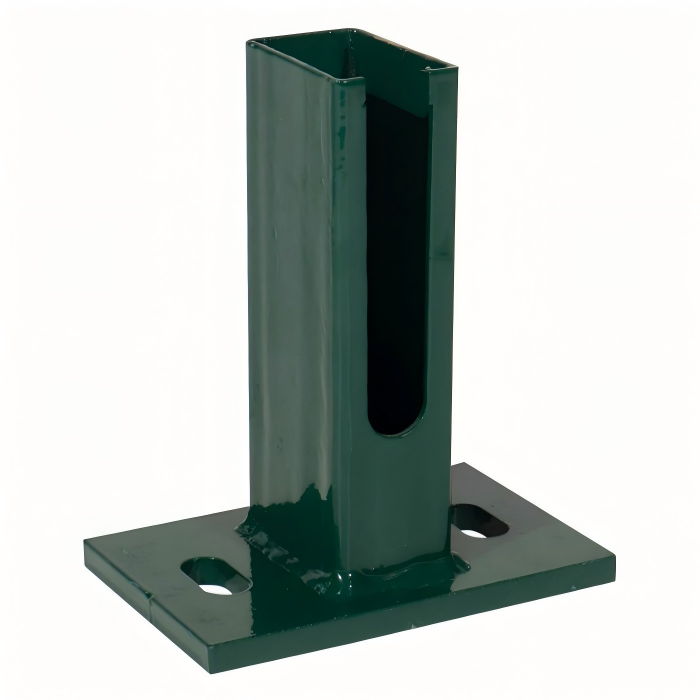
Montagebohrungsmuster:
Grundplatten benötigen Löcher für Ankerbolzen. Wir bieten mehrere Optionen an.
Standardmuster – Vier Löcher nahe den Ecken einer rechteckigen Platte. Am gebräuchlichsten für Stahlstützen.
Langlöcher – Ermöglicht geringfügige Anpassungen während der Montage. Wird verwendet, wenn die Platzierung der Ankerbolzen nicht präzise ist.
Kreismuster – Löcher, die in einem Kreis angeordnet sind. Wird für runde Grundplatten oder Rohrstützen verwendet.
Kundenspezifisches Muster – Jede benötigte Lochkonfiguration. Wir bohren Löcher basierend auf Ihrer Zeichnung oder Schablone.
Gewindebohrungen – Für Anwendungen, bei denen Muttern unzugänglich sind. Wir können Löcher auf Standardgewindegrößen schneiden.
Die Lochgrößen reichen von 1/4 Zoll bis 1 Zoll Durchmesser. Wir können Löcher auch für Senkkopfschrauben ansenken.
Jede Aluminium-Grundplatte wird auf einer CNC-Fräsmaschine gebohrt, um eine genaue Lochpositionierung zu gewährleisten.
Oberflächenvorbereitung und Reinigung:
Sauberkeit ist für starke Schweißnähte unerlässlich.
Unser Prozess umfasst Folgendes.
Entfetten – Die Platte und die Stütze werden mit Aceton abgewischt, um Öle und Kühlschmierstoffe zu entfernen.
Mechanisches Abtragen – Eine Edelstahlbürste oder ein Schleifvlies entfernt die Aluminiumoxidschicht von den Schweißzonen.
Kantenvorbereitung – Für Kehlnähte wird das Stützenende mit einem Hartmetallfräser oder Bandschleifer angefast.
Endreinigung – Ein sauberes, fusselfreies Tuch mit Aceton entfernt verbleibende Partikel.
Wir schweißen innerhalb von 4 Stunden nach der Reinigung. Für kritische Anwendungen führen wir auch eine chemische Reinigung mit einer milden alkalischen Lösung durch.
Häufige Branchen, die wir bedienen:
Unser Schweißservice für Grundplatten unterstützt viele Sektoren.
Bauwesen – Grundplatten für Gebäudestützen, Zwischengeschosse und temporäre Konstruktionen.
Fertigung – Maschinenmontageplatten für Pressen, Förderbänder und Montageausrüstung.
Lagerhaltung – Grundplatten für Palettenregalständer und Regalstützen.
Schifffahrt – Korrosionsbeständige Grundplatten für Docks, Schiffe und Küstenstrukturen.
Lebensmittelverarbeitung – Waschbeständige Grundplatten für Lebensmittelherstellungsanlagen.
Automobilindustrie – Grundplatten für Montagelinienvorrichtungen und Ausrüstungsständer.
Luft- und Raumfahrt – Präzisionsgeschliffene Grundplatten für Prüfvorrichtungen und Bodenunterstützungsausrüstung.
Für jede Branche passen wir die Legierungsauswahl, Ebenheitsanforderungen und Prüfniveaus an.