Stainless steel MIG welding plays an important role in manufacturing durable industrial equipment, welded structures, and custom metal components, helping manufacturers achieve reliable performance, efficient production, and long service life. Choosing the right welding method directly affects product strength, corrosion resistance, and overall product quality.
From agricultural equipment and storage systems to electrical enclosures and industrial machinery, stainless steel welded components often operate in demanding environments where durability and consistency are essential.
However, achieving reliable welded parts requires more than simply joining stainless steel materials together. Welding parameters, material preparation, heat control, inspection methods, and manufacturing experience all influence the final performance of industrial components.
For OEM manufacturers, engineers, and purchasing teams, understanding why stainless steel MIG welding is important helps them make better decisions when selecting fabrication solutions and evaluating potential suppliers.
What Makes Stainless Steel MIG Welding Suitable for Industrial Components?
Combining Strength, Efficiency, and Corrosion Resistance
Stainless steel is commonly selected for industrial applications because of its excellent corrosion resistance, durability, and ability to maintain performance in challenging environments.
Compared with some traditional materials, stainless steel provides advantages such as:
- Resistance to moisture and chemical exposure
- Lange Lebensdauer
- Gute mechanische Festigkeit
- Clean and professional appearance
However, welding stainless steel requires careful process control. Excessive heat input, improper filler materials, or poor welding procedures may affect the material properties and reduce the reliability of the finished component.
MIG welding provides manufacturers with an efficient method for producing stainless steel structures while maintaining consistent production quality.
Why Welding Quality Directly Affects Component Performance
For industrial components, weld quality is not only a visual requirement. Welded areas often become critical points that influence the overall strength and reliability of a product.
Poor welding quality may lead to:
- Risse
- Deformation
- Reduced corrosion resistance
- Weak connections
- Assembly difficulties
For example, a welded frame used in industrial equipment must maintain accurate dimensions after fabrication. A storage tank must maintain sealing performance. A valve component must withstand operating conditions.
Therefore, reliable stainless steel MIG welding focuses on both manufacturing efficiency and long-term product performance.
How Does Stainless Steel MIG Welding Work?
The Basic Process of Stainless Steel MIG Welding
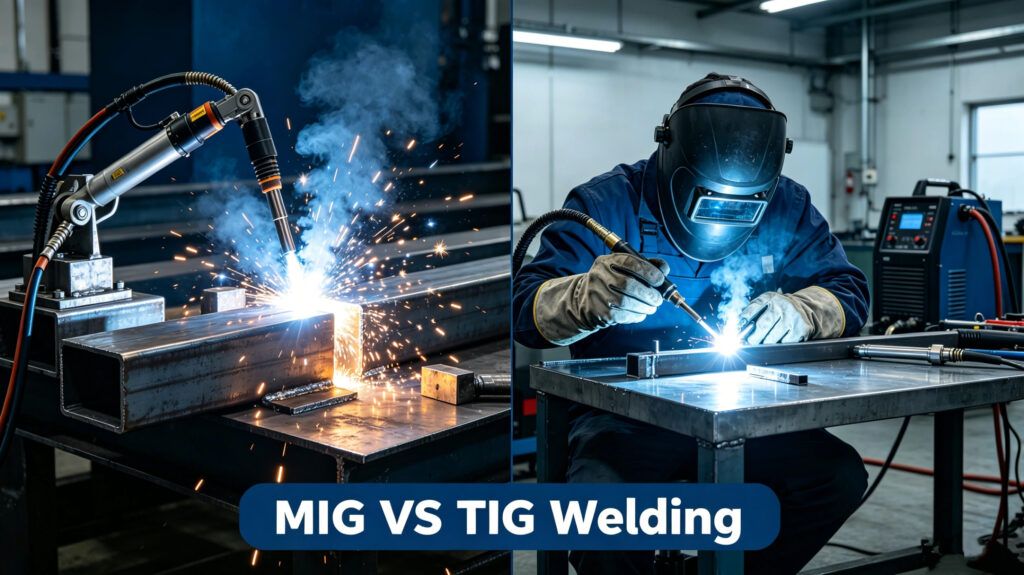
MIG welding, also known as Gas Metal Arc Welding (GMAW), uses a continuously fed welding wire and shielding gas to create a stable arc between the electrode and the stainless steel workpiece.
The welding process depends on several important factors:
- Schweißstrom
- Voltage settings
- Verfahrgeschwindigkeit
- Shielding gas selection
- Filler wire compatibility
Proper control of these factors helps create stable welds with consistent strength and appearance.
For manufacturers producing custom components, process stability is especially important because customers often require repeated production with the same dimensional and mechanical performance.
Managing Heat Input and Distortion
One of the major challenges of stainless steel welding is controlling heat.
Because stainless steel can be sensitive to thermal effects, excessive heat may cause:
- Component distortion
- Changes in material properties
- Additional correction work
Experienced welding teams use proper techniques such as:
- Optimized welding sequences
- Suitable fixture designs
- Gesteuerte Wärmezufuhr
These methods help maintain dimensional accuracy and reduce unnecessary post-welding adjustments.
What Are the Common Applications of Stainless Steel MIG Welding?
Stainless steel MIG welding is widely applied in industries where components require durability, corrosion resistance, and reliable structural performance.
Agricultural Equipment Components
Agricultural machinery operates in outdoor environments where components are exposed to moisture, vibration, and changing working conditions.
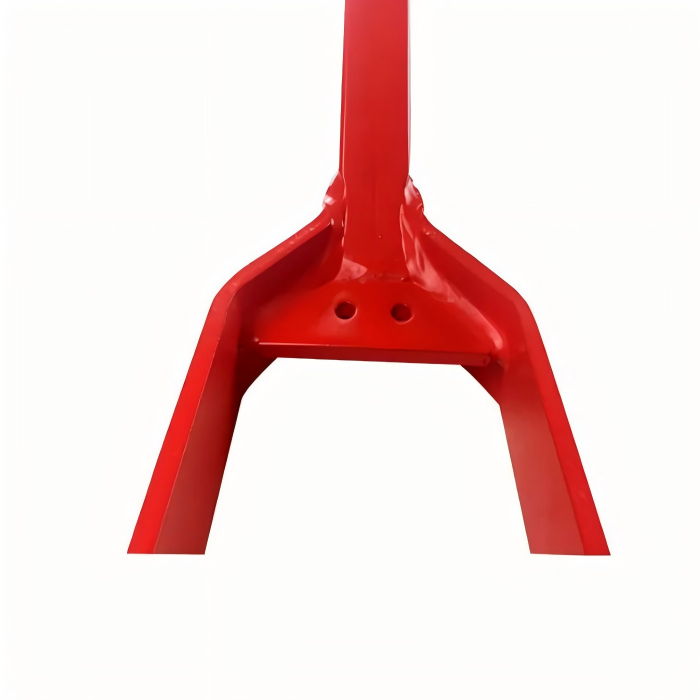
Products such as Accessories for Tractor require welded structures that can withstand repeated mechanical stress.
Important manufacturing considerations include:
- Strukturelle Festigkeit
- Korrosionsbeständigkeit
- Reliable welded joints
- Langfristige Haltbarkeit
Stainless steel MIG welding provides an effective solution for producing agricultural components that need consistent performance under demanding conditions.
For equipment manufacturers, selecting a welding partner with experience in agricultural applications can help reduce production risks and improve component reliability.
Industrial Storage and Processing Equipment
Welded storage tanks are commonly used in industries requiring strong and corrosion-resistant containers.
The welding quality of these tanks directly affects:
- Leakage prevention
- Structural stability
- Service life
- Safety performance
During fabrication, manufacturers need to control:
- Weld consistency
- Material preparation
- Joint quality
- Maßgenauigkeit
For buyers, the ability to maintain stable welding quality across multiple production batches is an important factor when evaluating suppliers.
Electrical and Protective Enclosures
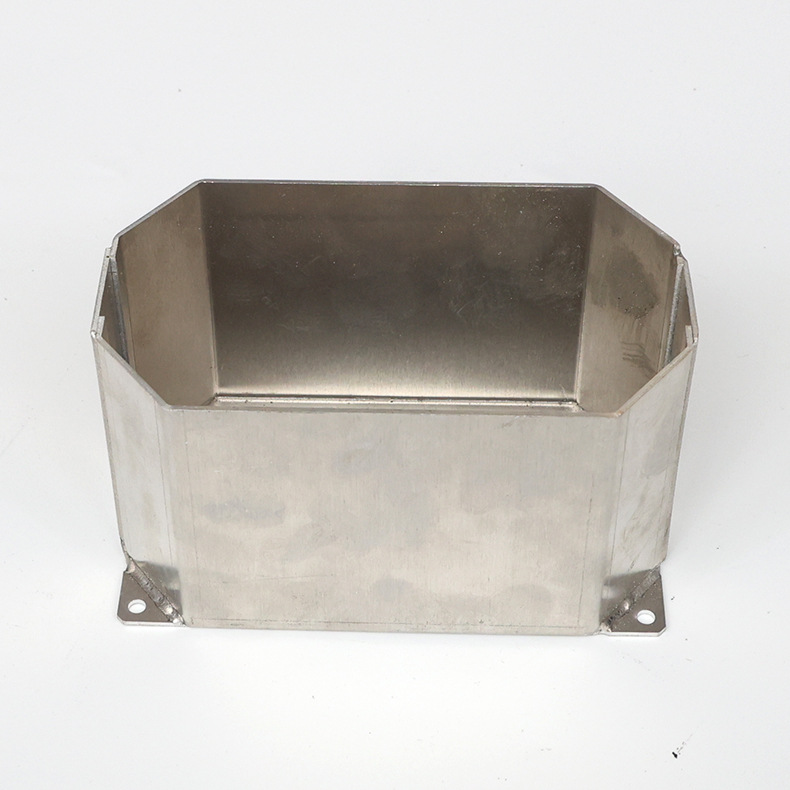
A stainless steel junction box is an example of a component where protection, precision, and durability are equally important.
These enclosures are often used in industrial environments where they need to protect electrical connections from:
- Feuchtigkeit
- Staub
- Mechanical impact
- External conditions
During fabrication, welding quality affects:
- Sealing performance
- Strukturelle Festigkeit
- Final assembly accuracy
For engineers, the focus is not only producing a metal enclosure but ensuring the finished component performs reliably in its working environment.
Custom Industrial Structures and Assemblies
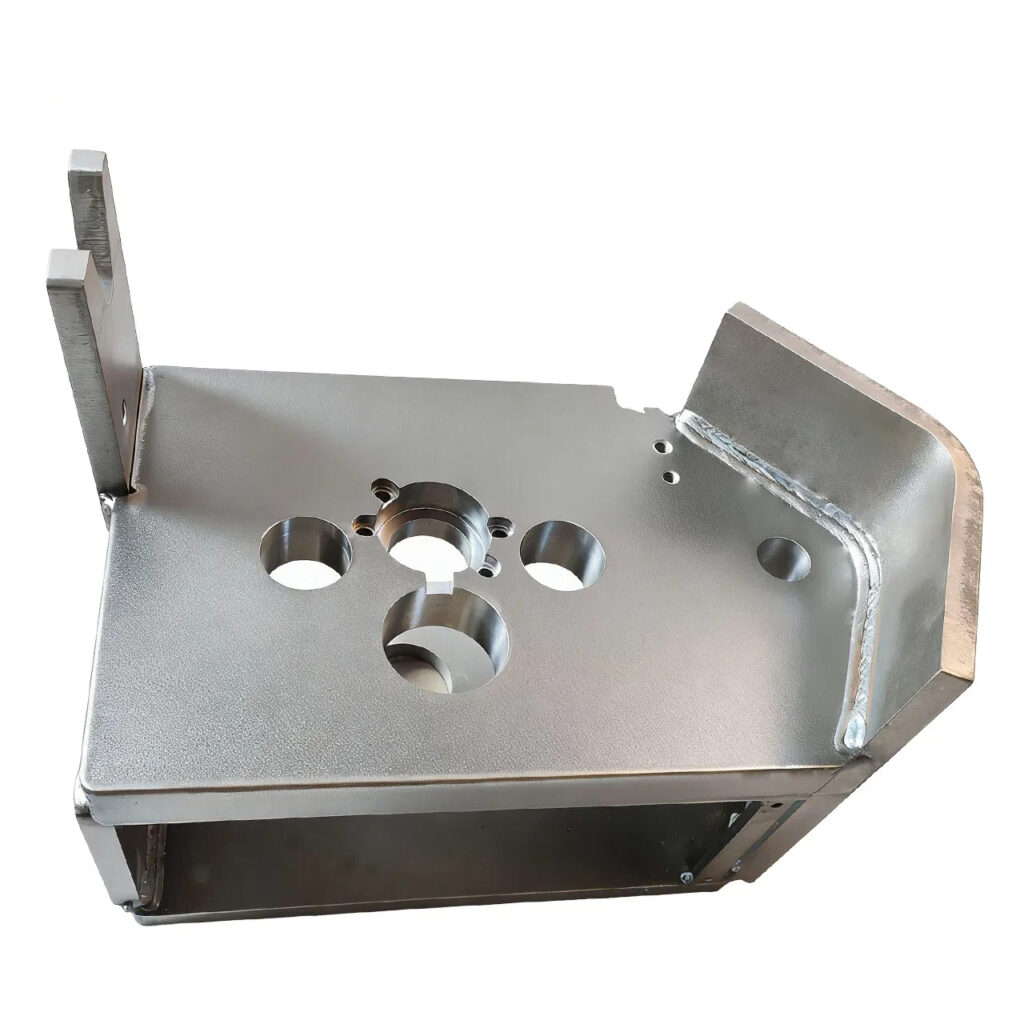
Many industrial machines require multiple welded components combined into complete structures.
Geschweißte Baugruppen may include:
- Frames
- Supports
- Covers
- Strukturelle Halterungen
- Maschinenkomponenten
The challenge is maintaining both welding strength and dimensional accuracy.
A reliable welding process helps manufacturers achieve:
- Better assembly consistency
- Reduced adjustment time
- Improved production efficiency
For OEM equipment manufacturers, suppliers who understand assembly requirements can provide more value than suppliers who only provide basic welding operations.
Fluid Control Components
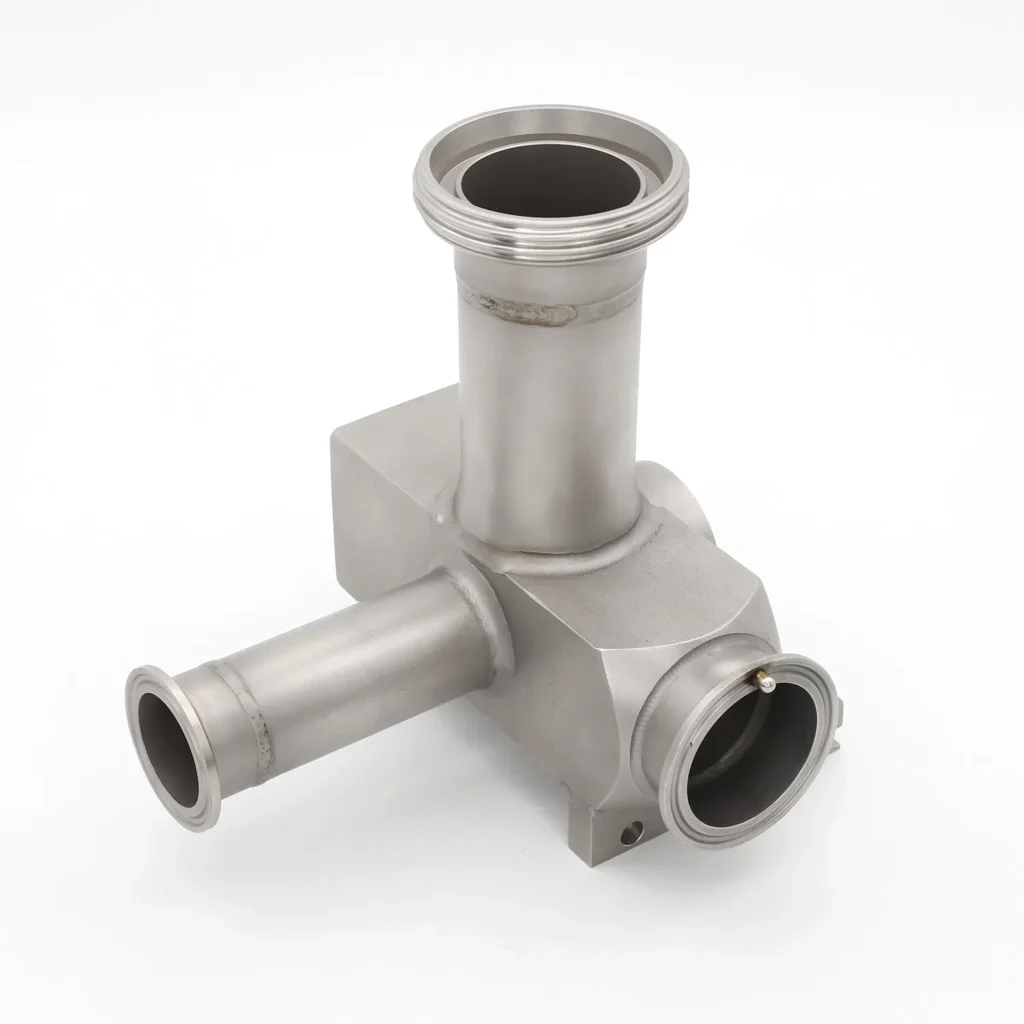
A Ventilgehäuse is another industrial application where welding quality plays an important role.
These components may operate under demanding conditions involving:
- Pressure
- Fluid exposure
- Continuous operation
Manufacturers need to ensure:
- Proper joint strength
- Genaue Abmessungen
- Suitable material performance
For purchasing teams, supplier experience with functional industrial components is important because welding quality directly influences final equipment reliability.
What Should Buyers Consider When Selecting Stainless Steel MIG Welding Solutions?
Evaluate Material and Welding Experience
When selecting a welding supplier, buyers should consider whether the supplier understands stainless steel fabrication requirements.
Wichtige Faktoren umfassen:
- Experience with different stainless steel materials
- Understanding of welding processes
- Ability to handle custom designs
- Knowledge of industrial applications
A supplier with strong technical understanding can provide better manufacturing suggestions and reduce potential production issues.
Check Quality Control and Inspection Methods
Consistent quality is essential for industrial welded components.
Buyers should evaluate whether suppliers have effective inspection procedures, including:
- Prüfung des Schweißnahtaussehens
- Maßliche Überprüfung
- Assembly checking
- Production consistency monitoring
Proper quality control helps ensure that welded components meet design requirements before entering final assembly.
Consider Production Flexibility and Engineering Support
Industrial projects often involve:
- Prototypenentwicklung
- Design changes
- Kleinserienproduktion
- Continuous manufacturing
A flexible welding partner can support these different stages more effectively.
Engineering communication is also important because early cooperation can help identify opportunities to improve manufacturability and control costs.
Building Reliable Stainless Steel MIG Welding Solutions for Industrial Manufacturing
Stainless steel MIG welding plays an important role in producing durable industrial components because it combines manufacturing efficiency with reliable mechanical performance.
For OEM manufacturers and engineering teams, successful welding solutions depend on more than the welding process itself. Material selection, process control, quality inspection, and manufacturing experience all contribute to final product reliability.
Choosing the right welding approach helps companies produce stronger components, reduce production risks, and improve long-term product performance.
If you have any stainless steel welding requirements, please feel free to contact us.