
Battery Tray for Car 3X Stronger Mounts for Secure EV Installation
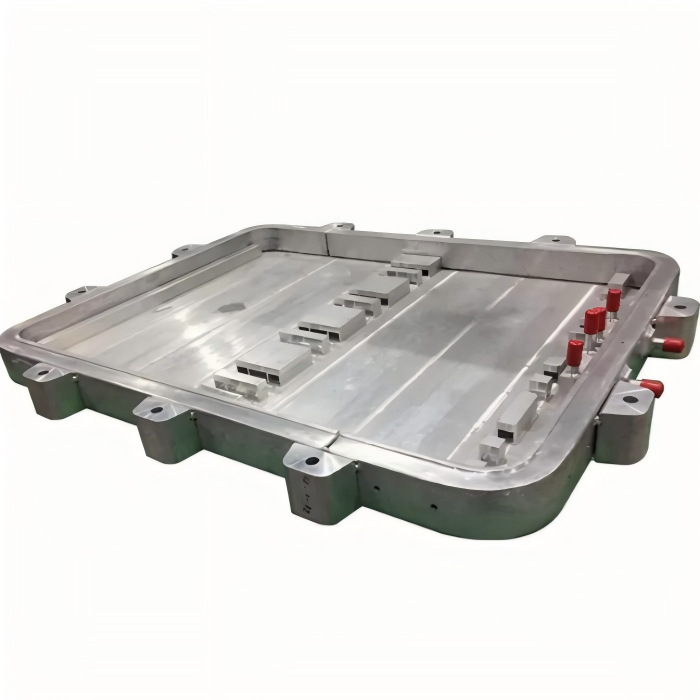
자동차 배터리 트레이 용접 서비스는 로봇 용접된 3배 더 강한 마운트를 제공하여 안전하고 진동에 강한 설치와 자동차 신뢰성을 보장합니다.
Request a Quote
Enter the quantity you need and add to your quote list for pricing inquiries.
Product Details
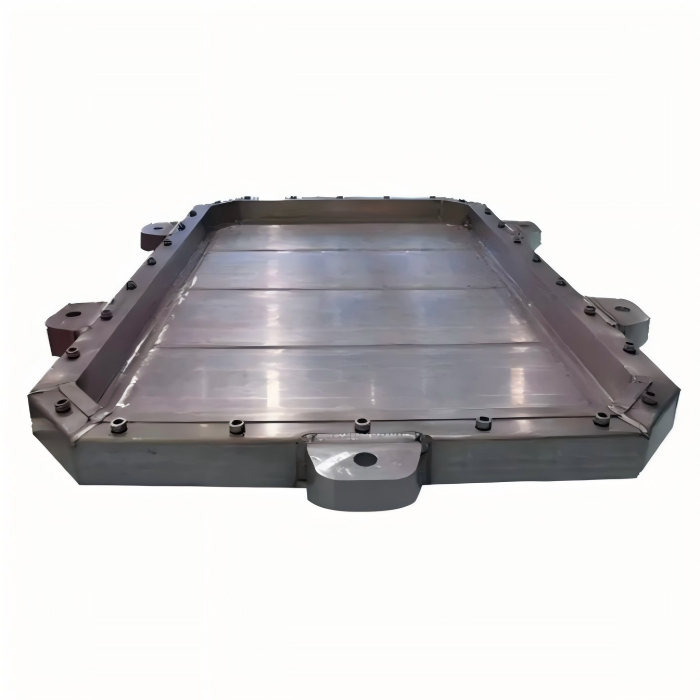
Battery Tray for Car: Why Titanium Welding Delivers Unmatched Performance
자동차용 배터리 트ray는 차량을 제작하거나 복원할 때 가장 중요하면서도 과소평가된 부품 중 하나입니다. 이 필수 부품은 차량의 전기 시스템을 지지하면서 지속적인 진동, 극한의 온도, 부식성 배터리 산, 습기 노출을 견딥니다. 자동차용 배터리 트ray의 고장은 운전자를 길에 발이 묶이게 하거나, 더 심각하게는 위험한 전기 단락을 일으킬 수 있습니다. 많은 제조업체가 스탬프 강철이나 플라스틱 트ray를 사용하지만, 점점 더 많은 자동차 애호가, 복원가, EV 제작자들이 티타늄으로 전환하고 있습니다. 정밀 용접과 결합될 때, 티타늄 자동차용 배터리 트ray는 기존 재료가 따라올 수 없는 강도, 무게 절감, 내식성을 제공합니다.
The Titanium Advantage for a Battery Tray for Car:
Titanium solves nearly every weakness of conventional battery trays. First, titanium is completely immune to battery acid corrosion. Unlike steel, which requires paint or powder coating for protection, titanium does not react with sulfuric acid. A titanium battery tray for car use will outlast the vehicle itself.
Second, titanium offers an exceptional strength-to-weight ratio. A titanium battery tray for car installation weighs approximately 40 percent less than a steel tray of equal strength. For performance vehicles and electric cars, every kilogram saved improves acceleration, handling, and range.
Third, titanium handles vibration exceptionally well. Its fatigue resistance exceeds that of steel and aluminum. A titanium battery tray for car applications will not crack from road vibration or engine shake, even after decades of use.
Challenges of Welding a Titanium Battery Tray for Car:
Despite its advantages, titanium presents challenges for fabrication. Titanium is highly reactive when heated. During welding of a battery tray for car, the metal must be shielded from oxygen, nitrogen, and hydrogen. Contamination leads to embrittlement and weld failure.
Additionally, a battery tray for car typically involves thin sheet metal, often 1mm to 2mm thick. Thin titanium requires precise heat control to avoid burn-through or distortion. The tray also includes complex features: mounting flanges, drainage holes, and hold-down brackets. Each joint must be welded correctly to maintain structural integrity.
For these reasons, a titanium battery tray for car should only be fabricated by welders experienced with reactive metals. General welding shops may lack the shielding gas setups, clean work areas, and specialized training required for titanium.
Critical Steps for Welding a Titanium Battery Tray for Car:
Successful fabrication of a titanium battery tray for car begins long before the arc is struck. Every step matters:
Material selection: Use commercially pure titanium (Grade 1 or Grade 2) for a battery tray for car. These grades offer excellent formability and corrosion resistance. For racing applications where maximum strength is needed, Grade 5 (6Al-4V) may be used, but it is more difficult to form.
Cleaning: The titanium sheet must be free of oils, grease, and oxides. Use acetone or isopropyl alcohol followed by a dedicated stainless steel brush used only on titanium. Never use brushes that have touched steel.
Fit-up: It requires tight joints with minimal gaps. Any gap over 0.5mm can cause burn-through. Use clamps or fixtures to hold pieces in position.
Back-purging: For a titanium battery tray for car, both sides of the weld need inert gas coverage. The back side of each joint must be purged with pure argon (99.999 percent purity). Without back-purging, the underside oxidizes and becomes brittle.
Torch setup: Use gas tungsten arc welding (GTAW/TIG) with a 2 percent ceriated tungsten electrode. A gas lens improves coverage. Set post-flow to at least 15 seconds to protect the cooling weld.
2. Design Considerations for a Titanium Battery Tray for Car:
3. A well-designed battery tray for car includes several features that affect weld quality and performance. Drainage holes prevent acid pooling. These holes can be drilled before welding, but edges must be deburred and cleaned. Alternatively, holes can be left as unwelded cutouts, which avoids creating thin sections.
4. Mounting flanges should be wide enough to distribute clamping force without bending the titanium sheet. For it, flanges of 15mm to 20mm width work well. Hold-down brackets should be welded to the tray with full penetration welds.
5. Ventilation is also important. A battery tray for car should allow airflow around the battery to dissipate heat. Slots or gaps in the tray design serve this purpose while reducing weight.
6. Common Defects in Titanium Battery Tray Welding:
7. Even experienced welders may encounter defects when fabricating a battery tray for car from titanium. The most frequent issues include:
8. Oxidation and discoloration: Silver or light straw welds indicate proper shielding. Blue, purple, or grey means contamination. To prevent this, check gas flow rates and ensure back-purging covers the entire weld path.
9. Burn-through: Excessive heat creates holes in thin titanium. Reduce amperage or increase travel speed. A battery tray for car with burn-through is usually scrapped, as repair welding often causes further damage.
10. Undercut: A groove along the weld edge weakens the joint. This results from high amperage or incorrect torch angle. Adjust technique before continuing.
11. Warpage: Titanium expands and contracts significantly during heating. A battery tray for car can twist out of flatness if welds are made in the wrong sequence. Use tack welds and alternating weld passes to control distortion.
Design Considerations for a Titanium Battery Tray for Car:
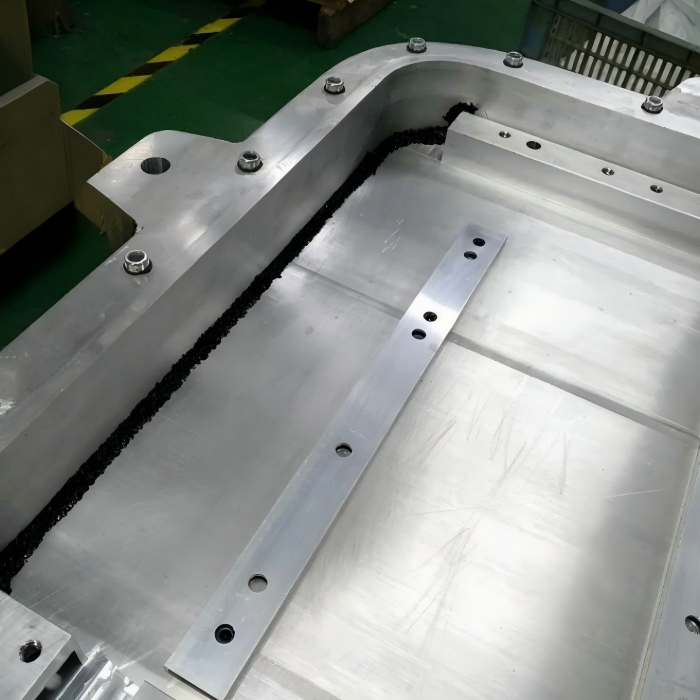
A well-designed battery tray for car includes several features that affect weld quality and performance. Drainage holes prevent acid pooling. These holes can be drilled before welding, but edges must be deburred and cleaned. Alternatively, holes can be left as unwelded cutouts, which avoids creating thin sections.
Mounting flanges should be wide enough to distribute clamping force without bending the titanium sheet. For it, flanges of 15mm to 20mm width work well. Hold-down brackets should be welded to the tray with full penetration welds.
Ventilation is also important. A battery tray for car should allow airflow around the battery to dissipate heat. Slots or gaps in the tray design serve this purpose while reducing weight.
Common Defects in Titanium Battery Tray Welding:
Even experienced welders may encounter defects when fabricating a battery tray for car from titanium. The most frequent issues include:
Oxidation and discoloration: Silver or light straw welds indicate proper shielding. Blue, purple, or grey means contamination. To prevent this, check gas flow rates and ensure back-purging covers the entire weld path.
Burn-through: Excessive heat creates holes in thin titanium. Reduce amperage or increase travel speed. A battery tray for car with burn-through is usually scrapped, as repair welding often causes further damage.
Undercut: A groove along the weld edge weakens the joint. This results from high amperage or incorrect torch angle. Adjust technique before continuing.
Warpage: Titanium expands and contracts significantly during heating. A battery tray for car can twist out of flatness if welds are made in the wrong sequence. Use tack welds and alternating weld passes to control distortion.
배터리 트레이에 티타늄 용접 전문가를 선택해야 하는 이유는 무엇인가요?
자동차용 티타늄 배터리 트레이를 제작하는 것은 일반 용접 업소에서 맡을 일이 아닙니다. 전문가는 강철 및 알루미늄과 분리된 청결한 작업 공간을 사용합니다. 가스 순도 기록을 유지하고 확장된 가스 커버리지를 위해 트레일링 실드를 사용합니다. 티타늄의 고유한 열팽창을 이해하고 변형을 최소화하기 위해 용접 순서를 배열합니다.
또한 전문가는 설계 지원을 제공할 수 있습니다. 강철 트레이 설계를 티타늄으로 변환하려면 두께, 플랜지 폭 및 용접 디테일을 조정해야 합니다. 경험 많은 파트너는 일반적인 실수를 피하도록 도와줄 것입니다.
결론:
자동차용 배터리 트레이는 큰 임무를 수행하는 작은 부품입니다. 강철은 녹슬고 플라스틱은 갈라지지만, 티타늄은 영구적인 솔루션을 제공합니다. 경험 많은 전문가가 올바르게 용접할 때, 자동차용 티타늄 배터리 트레이는 비교할 수 없는 내식성, 감소된 무게, 그리고 수십 년의 신뢰할 수 있는 서비스를 제공합니다. 최고를 요구하는 차량 소유자에게 티타늄이 정답입니다.