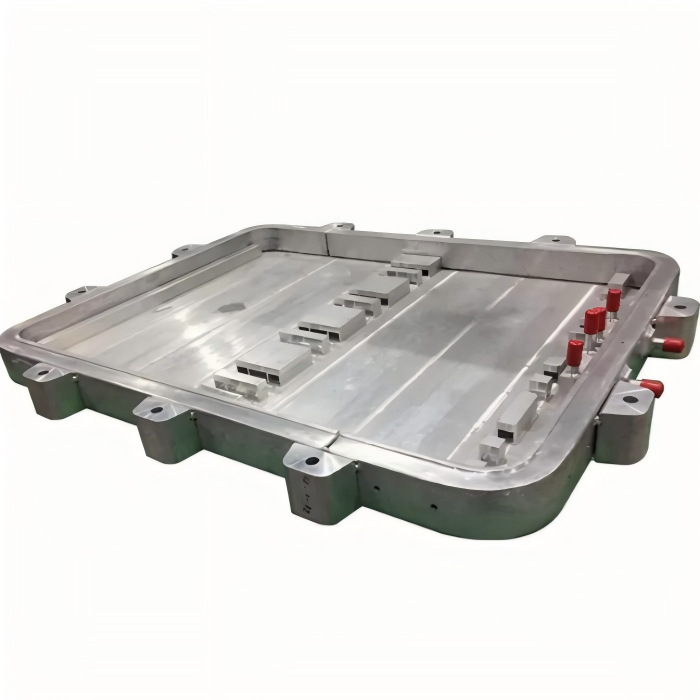

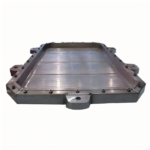
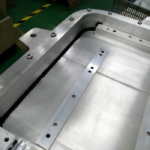
Лоток для аккумулятора для автомобиля, крепления в 3 раза прочнее для надежной установки в электромобиль
Услуга сварки лотка для аккумулятора автомобиля обеспечивает роботизированную сварку с креплениями в 3 раза прочнее для надежной, виброустойчивой установки и автомобильной надежности.
Request a Quote
Enter the quantity you need and add to your quote list for pricing inquiries.
Product Details
Battery Tray for Car: Why Titanium Welding Delivers Unmatched Performance
Лоток для аккумулятора для автомобиля: почему титановая сварка обеспечивает непревзойденную производительность.
Лоток для аккумулятора для автомобильных применений — один из самых критически важных, но недооценённых компонентов при сборке или реставрации транспортного средства. Эта essential деталь поддерживает электрическую систему автомобиля, выдерживая постоянную вибрацию, экстремальные температуры, коррозионную кислоту аккумулятора и воздействие влаги. Вышедший из строя лоток для аккумулятора для автомобиля может оставить водителя в затруднительном положении или, что хуже, вызвать опасные короткие замыкания. Хотя многие производители используют штампованную сталь или пластиковые лотки, растущее число автомобильных энтузиастов, реставраторов и строителей электромобилей обращаются к титану. В сочетании с прецизионной сваркой титановый лоток для аккумулятора для автомобильных установок обеспечивает прочность, лёгкость и коррозионную стойкость, которые недостижимы для обычных материалов.
The Titanium Advantage for a Battery Tray for Car:
Преимущество титана для лотка аккумулятора для автомобиля:
Titanium solves nearly every weakness of conventional battery trays. First, titanium is completely immune to battery acid corrosion. Unlike steel, which requires paint or powder coating for protection, titanium does not react with sulfuric acid. A titanium battery tray for car use will outlast the vehicle itself.
Титан устраняет почти все недостатки обычных лотков для аккумуляторов. Во-первых, титан полностью устойчив к коррозии от электролита. В отличие от стали, которая требует покраски или порошкового покрытия для защиты, титан не вступает в реакцию с серной кислотой. Титановый лоток для аккумулятора для автомобиля переживет само транспортное средство.
Second, titanium offers an exceptional strength-to-weight ratio. A titanium battery tray for car installation weighs approximately 40 percent less than a steel tray of equal strength. For performance vehicles and electric cars, every kilogram saved improves acceleration, handling, and range.
Во-вторых, титан обладает исключительным соотношением прочности к весу. Титановый лоток для аккумулятора для автомобиля весит примерно на 40 процентов меньше, чем стальной лоток той же прочности. Для спортивных автомобилей и электромобилей каждый сэкономленный килограмм улучшает ускорение, управляемость и запас хода.
Third, titanium handles vibration exceptionally well. Its fatigue resistance exceeds that of steel and aluminum. A titanium battery tray for car applications will not crack from road vibration or engine shake, even after decades of use.
В-третьих, титан отлично выдерживает вибрацию. Его усталостная прочность превышает показатели стали и алюминия. Титановый лоток для аккумулятора для автомобиля не треснет от дорожной вибрации или тряски двигателя даже после десятилетий использования.
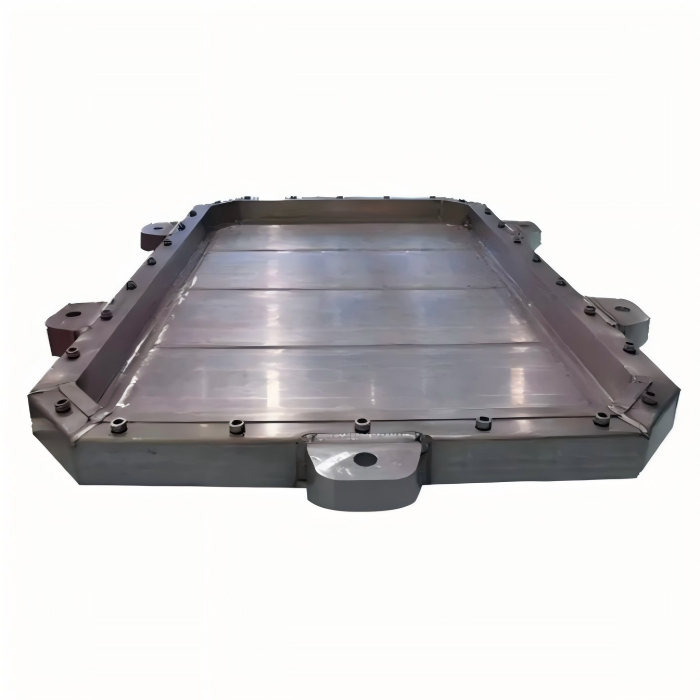
Challenges of Welding a Titanium Battery Tray for Car:
Проблемы сварки титанового лотка для аккумулятора для автомобиля:
Despite its advantages, titanium presents challenges for fabrication. Titanium is highly reactive when heated. During welding of a battery tray for car, the metal must be shielded from oxygen, nitrogen, and hydrogen. Contamination leads to embrittlement and weld failure.
.
Additionally, a battery tray for car typically involves thin sheet metal, often 1mm to 2mm thick. Thin titanium requires precise heat control to avoid burn-through or distortion. The tray also includes complex features: mounting flanges, drainage holes, and hold-down brackets. Each joint must be welded correctly to maintain structural integrity.
.
For these reasons, a titanium battery tray for car should only be fabricated by welders experienced with reactive metals. General welding shops may lack the shielding gas setups, clean work areas, and specialized training required for titanium.
.
Critical Steps for Welding a Titanium Battery Tray for Car:
Successful fabrication of a titanium battery tray for car begins long before the arc is struck. Every step matters:
Material selection: Use commercially pure titanium (Grade 1 or Grade 2) for a battery tray for car. These grades offer excellent formability and corrosion resistance. For racing applications where maximum strength is needed, Grade 5 (6Al-4V) may be used, but it is more difficult to form.
.
Cleaning: The titanium sheet must be free of oils, grease, and oxides. Use acetone or isopropyl alcohol followed by a dedicated stainless steel brush used only on titanium. Never use brushes that have touched steel.
.
Fit-up: It requires tight joints with minimal gaps. Any gap over 0.5mm can cause burn-through. Use clamps or fixtures to hold pieces in position.
.
Back-purging: For a titanium battery tray for car, both sides of the weld need inert gas coverage. The back side of each joint must be purged with pure argon (99.999 percent purity). Without back-purging, the underside oxidizes and becomes brittle.
Torch setup: Use gas tungsten arc welding (GTAW/TIG) with a 2 percent ceriated tungsten electrode. A gas lens improves coverage. Set post-flow to at least 15 seconds to protect the cooling weld.
2. Design Considerations for a Titanium Battery Tray for Car:
3. A well-designed battery tray for car includes several features that affect weld quality and performance. Drainage holes prevent acid pooling. These holes can be drilled before welding, but edges must be deburred and cleaned. Alternatively, holes can be left as unwelded cutouts, which avoids creating thin sections.
4. Mounting flanges should be wide enough to distribute clamping force without bending the titanium sheet. For it, flanges of 15mm to 20mm width work well. Hold-down brackets should be welded to the tray with full penetration welds.
5. Ventilation is also important. A battery tray for car should allow airflow around the battery to dissipate heat. Slots or gaps in the tray design serve this purpose while reducing weight.
6. Common Defects in Titanium Battery Tray Welding:
7. Even experienced welders may encounter defects when fabricating a battery tray for car from titanium. The most frequent issues include:
8. Oxidation and discoloration: Silver or light straw welds indicate proper shielding. Blue, purple, or grey means contamination. To prevent this, check gas flow rates and ensure back-purging covers the entire weld path.
9. Burn-through: Excessive heat creates holes in thin titanium. Reduce amperage or increase travel speed. A battery tray for car with burn-through is usually scrapped, as repair welding often causes further damage.
10. Undercut: A groove along the weld edge weakens the joint. This results from high amperage or incorrect torch angle. Adjust technique before continuing.
11. Warpage: Titanium expands and contracts significantly during heating. A battery tray for car can twist out of flatness if welds are made in the wrong sequence. Use tack welds and alternating weld passes to control distortion.
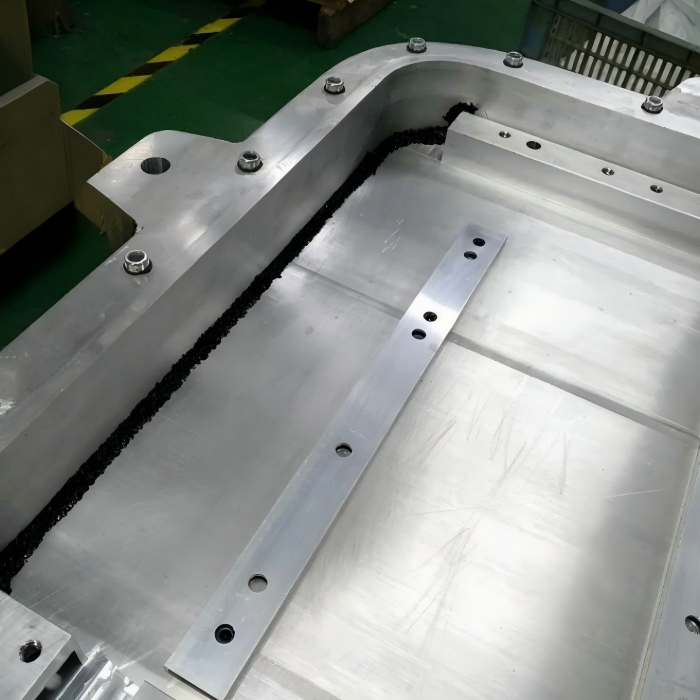
Design Considerations for a Titanium Battery Tray for Car:
A well-designed battery tray for car includes several features that affect weld quality and performance. Drainage holes prevent acid pooling. These holes can be drilled before welding, but edges must be deburred and cleaned. Alternatively, holes can be left as unwelded cutouts, which avoids creating thin sections.
Mounting flanges should be wide enough to distribute clamping force without bending the titanium sheet. For it, flanges of 15mm to 20mm width work well. Hold-down brackets should be welded to the tray with full penetration welds.
Ventilation is also important. A battery tray for car should allow airflow around the battery to dissipate heat. Slots or gaps in the tray design serve this purpose while reducing weight.
Common Defects in Titanium Battery Tray Welding:
Even experienced welders may encounter defects when fabricating a battery tray for car from titanium. The most frequent issues include:
Oxidation and discoloration: Silver or light straw welds indicate proper shielding. Blue, purple, or grey means contamination. To prevent this, check gas flow rates and ensure back-purging covers the entire weld path.
Burn-through: Excessive heat creates holes in thin titanium. Reduce amperage or increase travel speed. A battery tray for car with burn-through is usually scrapped, as repair welding often causes further damage.
Undercut: A groove along the weld edge weakens the joint. This results from high amperage or incorrect torch angle. Adjust technique before continuing.
Warpage: Titanium expands and contracts significantly during heating. A battery tray for car can twist out of flatness if welds are made in the wrong sequence. Use tack welds and alternating weld passes to control distortion.
Почему стоит выбрать специалистов по сварке титана для вашего аккумуляторного лотка?
Изготовление титанового лотка для аккумулятора для автомобиля — это не работа для обычной сварочной мастерской. Специалист использует чистую рабочую зону, изолированную от стали и алюминия. Они ведут журналы чистоты газа и используют задние экраны для расширенной газовой защиты. Они понимают уникальное тепловое расширение титана и последовательность сварных швов, чтобы минимизировать деформацию.
Кроме того, специалист может предложить помощь в проектировании. Преобразование конструкции стального лотка в титановый требует корректировки толщины, ширины фланцев и деталей сварки. Опытный партнер поможет вам избежать распространенных ошибок.
Заключение:
Лоток для аккумулятора для автомобиля — это небольшой компонент с большой задачей. В то время как сталь ржавеет, а пластик трескается, титан предлагает постоянное решение. При правильной сварке опытными профессионалами титановый лоток для аккумулятора для автомобиля обеспечивает непревзойденную коррозионную стойкость, сниженный вес и десятилетия надежной службы. Для владельцев автомобилей, которые требуют лучшего, титан — это ответ.