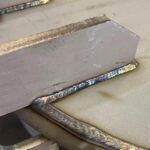
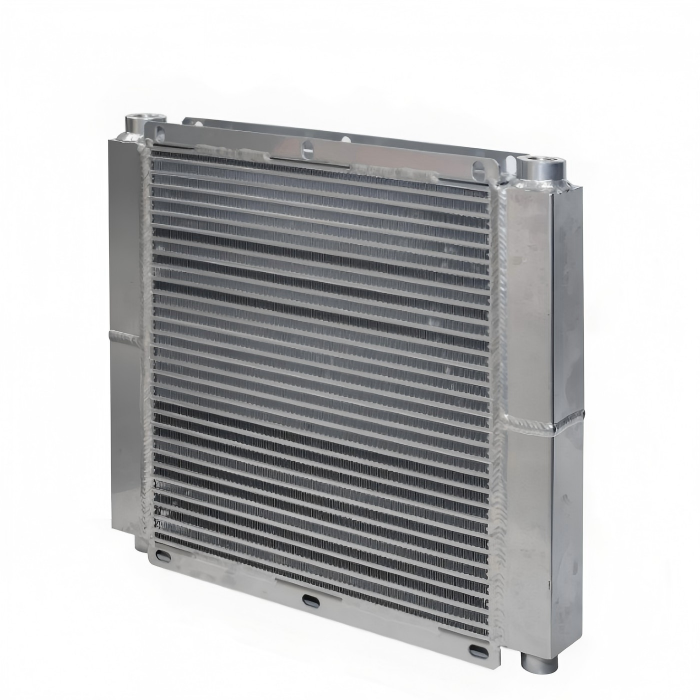
자동차 산업을 위한 신뢰할 수 있는 TIG 용접 알루미늄 라디에이터
TIG 용접 알루미늄 라디에이터 서비스는 정밀 용접으로 빠르고 누출 방지 수리를 제공하여 냉각 시스템의 성능과 내구성을 복원합니다.
Request a Quote
Enter the quantity you need and add to your quote list for pricing inquiries.
Product Details
Why Aluminum Radiators Fail?
TIG 용접 알루미늄 라디에이터는 올바른 수리 전략을 적용하기 위해 파손 모드에 대한 명확한 이해가 필요합니다. 알루미늄 라디에이터는 일반적으로 여러 방식으로 파손됩니다.
Vibration Cracks – Constant engine vibration causes fatigue cracks near mounting brackets and core support attachments. These cracks often start small and grow over time.
Corrosion Pitting – Coolant that is not changed regularly becomes acidic. It eats through thin aluminum from the inside. Pinhole leaks develop in the core tubes or tank walls.
Physical Damage – Road debris, fan contact, or improper handling can puncture the core or dent tanks. Bent inlet outlets also fall into this category.
Poor Original Welds – Some aftermarket radiators leave the factory with incomplete fusion at the tank to core joint. These weak spots fail under pressure.
Overheating – Excessive pressure from a blocked cooling system or failed cap stresses the radiator beyond design limits. Seams separate or tanks bulge.
For each failure type, our tig welding aluminum radiator technique varies. A vibration crack requires stop drilling and full groove weld. A corroded area may need patch fabrication. Physical damage might involve cutting out a section of core and welding in new material.
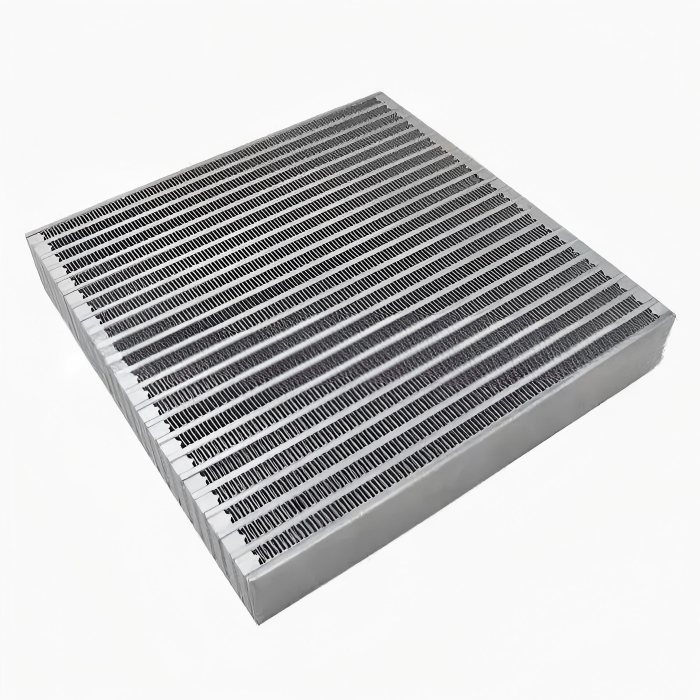
Our Repair Process:
This is not structural welding. Radiator work demands a different mindset. The material is often 0.020 to 0.060 inches thick. Too much heat warps the tank or melts through entirely. Too little heat fails to fuse. Our tig welding aluminum radiator process follows these steps.
Step 1 – Draining and Cleaning
We drain all coolant and flush the radiator. Residual glycol contaminates welds and creates porosity. The repair area is then degreased with acetone.
Step 2 – Access Preparation
내부 균열의 경우 탱크를 절개하여 코어 측면을 수리한 후 탱크를 용접하여 밀봉합니다. 외부 균열의 경우 알루미늄 전용 스테인리스 강 브러시로 해당 부위를 청소합니다.
.
3단계 – 균열 준비
균열 전파를 막기 위해 균열 양 끝에 1/16인치 구멍을 뚫습니다. 그런 다음 균열을 얕은 V자형 홈으로 갈아냅니다. 이렇게 얇은 재료에는 베벨이 필요하지 않습니다.
.
4단계 – 용접
재료 두께에 따라 40~80암페어의 AC TIG를 사용합니다. 1/16인치 2% 세륨 텅스텐과 가스 렌즈는 뛰어난 아크 제어를 제공합니다. 필러 로드는 1/16인치 직경의 4043입니다. 1/4인치 짧은 구간으로 용접하고 각 구간 사이에 냉각 시간을 둡니다. 이 방법이 당사의 TIG 용접 알루미늄 라디에이터 방식을 정의합니다.
.
5단계 – 냉각
용접 후 즉시 압축 공기로 해당 부위를 냉각합니다. 이는 열영향부가 성장하여 탱크가 변형되는 것을 방지합니다.
.
6단계 – 압력 테스트
모든 라디에이터는 고객에게 반환되기 전에 15~20PSI로 압력 테스트를 거칩니다. 모든 개구부를 막고 라디에이터를 물에 잠근 상태에서 공기 압력을 가합니다. 기포가 발생하면 누출이 남아 있음을 나타냅니다.
.
당사의 TIG 용접 알루미늄 라디에이터 서비스의 주요 장점 중 하나는 이 특수 작업을 정기적으로 수행한다는 점입니다. 일반 공장에서는 1년에 라디에이터 하나를 볼 수도 있습니다. 저희는 일주일에 여러 대를 취급합니다.
.
당사가 수행하는 일반적인 수리:
당사의 경험은 TIG 용접 알루미늄 라디에이터 작업을 통해 광범위한 라디에이터 문제를 다룹니다.
.
균열된 플라스틱 탱크 교체 –
일부 라디에이터에는 균열이 발생하는 플라스틱 탱크가 있습니다. 교체용 알루미늄 탱크를 제작하여 원래 코어에 용접할 수 있습니다.
.
입출구 수리 –
파손되거나 부식된 피팅을 절단하고 새 알루미늄 튜브로 교체합니다. 원래 직경과 각도를 일치시킵니다.
.
코어-탱크 이음매 –
공장에서 만든 롤 이음매는 시간이 지남에 따라 누출이 발생할 수 있습니다. 영구 수리를 위해 전체 이음매를 용접합니다.
.
장착 브래킷 용접 –
파손된 탭과 브래킷을 재부착하거나 교체합니다.
.
코어 수리 – 구멍이 난 코어 튜브의 경우 손상된 부분을 잘라내고 패치를 용접할 수 있습니다. 코어 손상이 광범위할 경우 전체 재코어링이 필요할 수 있습니다.
.
맞춤 개조 –
반대쪽 탱크로 인렛 이동, AN 피팅 추가, 드레인 번 설치, 또는 치수에 맞춰 완전히 맞춤형 라디에이터 제작.
.
빈티지 및 희귀 라디에이터의 경우, 기능을 복원하면서 원래 외관을 보존하는 데 특별히 주의를 기울입니다. 모든 TIG 용접 알루미늄 라디에이터 수리는 전후 사진으로 기록됩니다.
.
라디에이터 코어 vs 탱크 용접:
이 두 구성 요소는 당사의 TIG 용접 알루미늄 라디에이터 서비스 내에서 서로 다른 접근 방식이 필요합니다.
.
탱크 용접 –
라디에이터 탱크는 일반적으로 두께 0.040~0.080인치의 3003 또는 6061 알루미늄입니다. 이 두께는 중간 전류로 일반 TIG 기술을 사용할 수 있습니다. 코어 인터페이스 근처에서 용접할 때 탱크 내부에 구리 받침대를 사용합니다. 받침대는 과도한 열을 흡수하고 용융을 방지합니다.
.
코어 용접 –
코어 튜브는 두께가 0.010~0.020인치로 매우 얇습니다. 코어에 직접 용접하는 것은 매우 낮은 전류와 극도의 주의를 기울여야만 가능합니다. 대부분의 코어 누출의 경우, 원래의 얇은 튜브를 용접하려고 시도하기보다는 손상된 부분을 잘라내고 새 코어 재료 조각을 용접하는 것을 선호합니다.
.
이러한 이유로 당사는 코어 수리가 탱크 수리보다 성공률이 낮다는 점을 고객께 알려드립니다. 코어의 20% 이상이 손상된 경우 수리보다 교체가 일반적으로 더 경제적입니다. 당사의 TIG 용접 알루미늄 라디에이터 기술자가 최선의 방법을 조언해 드릴 수 있습니다.
.
이러한 구분에 필요한 기술은 수년간의 집중적인 연습을 통해 얻어집니다. 당사는 어떤 수리가 오래가고 어떤 수리가 그렇지 않은지 배웠습니다.
.
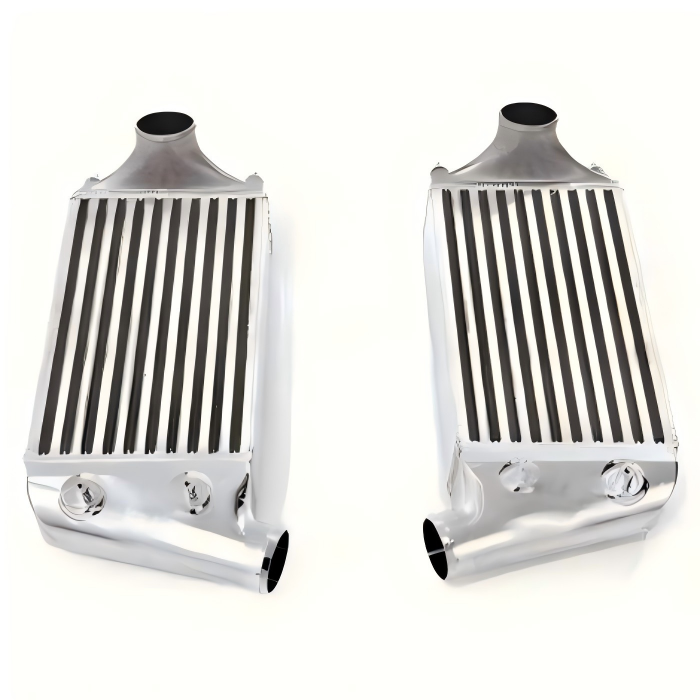
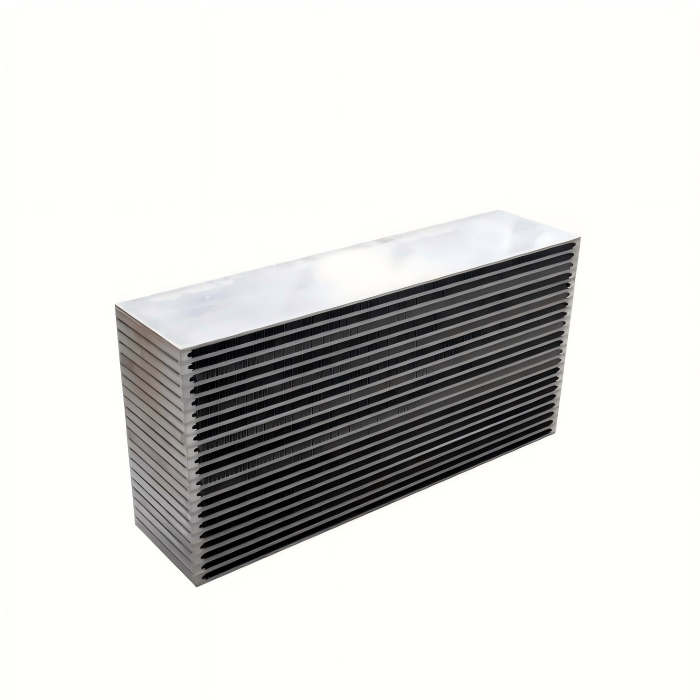
맞춤형 라디에이터 제작:
수리 외에도 당사의 TIG 용접 알루미늄 라디에이터 전문 지식을 활용하여 처음부터 맞춤형 알루미늄 라디에이터를 제작합니다. 이 서비스는 핫 로드 제작자, 레이스 팀 및 맞춤형 오토바이 샵에서 인기가 많습니다.
We start with your dimensions or a drawing. You specify core size, tank shape, inlet outlet locations and sizes, and mounting configuration. We then cut 3003 aluminum sheet for the tanks, machine any custom fittings, and assemble everything using our TIG equipment.
코어 자체는 일반적으로 애프터마켓 공급업체로부터 사전 조립된 유닛으로 구매합니다. 당사는 코어에 맞춤형 탱크를 용접합니다. 이 방식은 완전 맞춤형 코어를 제조하는 것보다 저렴한 비용으로 단일 라디에이터를 제공합니다. 모든 맞춤형 라디에이터는 당사의 수리 작업과 동일한 신중한 알루미늄 라디에이터 TIG 용접 공정을 거칩니다.
2. 맞춤형 라디에이터의 리드 타임은 2~3주입니다. 치수나 피팅 위치가 확실하지 않은 경우 설계 지원을 제공합니다.
3. 품질 테스트 절차:
4. 당사 작업장을 떠나는 모든 라디에이터는 고객이 요청하지 않더라도 테스트를 거칩니다. 당사는 이를 알루미늄 라디에이터 TIG 용접 서비스에 대한 전문적 책임의 문제로 간주합니다.
5. 모든 용접부는 균열, 기공 및 언더컷이 있는지 검사합니다. 수리 부위는 매끄럽고 날카로운 모서리가 없어야 합니다.
6. 압력 테스트 –
7. 라디에이터를 수조에 담근 상태에서 15 PSI의 공기 압력을 가합니다. 이는 라디에이터 제조업체에서 사용하는 것과 동일한 테스트 방법입니다. 라디에이터는 5분 동안 기포가 전혀 없이 압력을 유지해야 합니다.
8. 유량 테스트 –
9. 맞춤형 라디에이터 및 주요 수리의 경우 냉각수가 제대로 순환하는지 확인하기 위해 유량 테스트도 수행합니다. 측정된 속도로 라디에이터에 물을 통과시킵니다.
10. 치수 확인 –
11. 입구/출구 위치, 장착 브래킷 위치 및 전체 치수가 사양 또는 원래 라디에이터와 일치하는지 확인합니다.
12. 레이싱 용도의 경우 인증된 압력 테스트 보고서를 제공할 수 있습니다. 이 문서는 레이스 기술 검사관이 요구하는 경우가 있으며 당사의 알루미늄 라디에이터 TIG 용접 작업을 검증합니다.
13. TIG가 올바른 공정인 이유는 무엇입니까?
14. 라디에이터 작업에 MIG 대신 TIG를 지정하는 이유가 궁금하실 수 있습니다. 그 답은 열 제어에 있습니다.
15. MIG 용접은 필러 메탈을 빠르게 첨가하지만 상당한 열 입력을 생성합니다. 얇은 라디에이터 재료의 경우 MIG는 거의 즉시 녹아내릴 것입니다. TIG를 사용하면 용접공이 낮은 전류로 시작하여 점차적으로 열을 가하고 웅덩이가 형성되면 즉시 열을 줄일 수 있습니다. 이러한 수준의 제어는 성공적인 알루미늄 라디에이터 TIG 용접 수리에 필수적입니다.
16. 또한 TIG는 스패터가 발생하지 않습니다. MIG의 스패터는 코어 핀에 박혀 제거가 불가능합니다. TIG를 사용하면 얇은 모재와 일치하는 작은 직경의 필러 로드를 사용할 수도 있습니다.
17. 이러한 이유로 당사는 라디에이터 작업에 MIG 용접을 제공하지 않습니다. 당사의 TIG 공정은 속도는 느리지만 전문적인 알루미늄 라디에이터 TIG 용접 서비스를 정의하는 안정적이고 누출 방지 결과를 생성합니다.
18. 응급 누수 및 균열 수리를 위한 전문 알루미늄 라디에이터 TIG 용접
19. 손상된 냉각 시스템 구성 요소를 복원하는 알루미늄 라디에이터 TIG 용접
20. 강력한 내누수 용접 조인트를 갖춘 정밀 알루미늄 라디에이터 TIG 용접.
Lead time for custom radiators is 2 to 3 weeks. We offer design assistance if you are unsure about dimensions or fitting placement.
Quality Testing Procedures:
Every radiator that leaves our shop undergoes testing regardless of whether the customer requests it. We consider this a matter of professional responsibility for our tig welding aluminum radiator service.
Visual Inspection –
육안 검사 – All welds are examined for cracks, porosity, and undercut. The repair area must be smooth and free of sharp edges.
Pressure Test – We apply 15 PSI of air pressure with the radiator submerged in a water tank. This is the same test method used by radiator manufacturers. The radiator must hold pressure for 5 minutes with zero bubbles.
Flow Test – For custom radiators and major repairs, we also perform a flow test to ensure coolant circulates properly. Water is run through the radiator at a measured rate.
Dimensional Check – We verify that inlet outlet positions, mounting bracket locations, and overall dimensions match your specifications or the original radiator.
For racing applications, we can provide a certified pressure test report. This documentation is sometimes required by race tech inspectors and validates our tig welding aluminum radiator work.
Why TIG is the Right Process?
You might wonder why we specify TIG rather than MIG for radiator work. The answer lies in heat control.
MIG welding deposits filler metal rapidly but creates significant heat input. On thin radiator materials, MIG would burn through almost instantly. TIG allows the welder to start with low amperage, add heat gradually, and back off instantly when the puddle forms. This level of control is essential for successful tig welding aluminum radiator repair.
또한, TIG 용접은 스패터가 발생하지 않습니다. MIG 용접에서 발생하는 스패터는 코어 핀에 박혀 제거가 불가능합니다. TIG는 얇은 모재에 적합한 소경 필러 로드 사용도 가능하게 합니다.
.
이러한 이유로, 저희는 라디에이터 작업에 MIG 용접을 제공하지 않습니다. 당사의 TIG 공정은 속도는 느리지만, 전문적인 TIG 용접 알루미늄 라디에이터 서비스를 정의하는 신뢰할 수 있는 누출 방지 결과를 제공합니다.