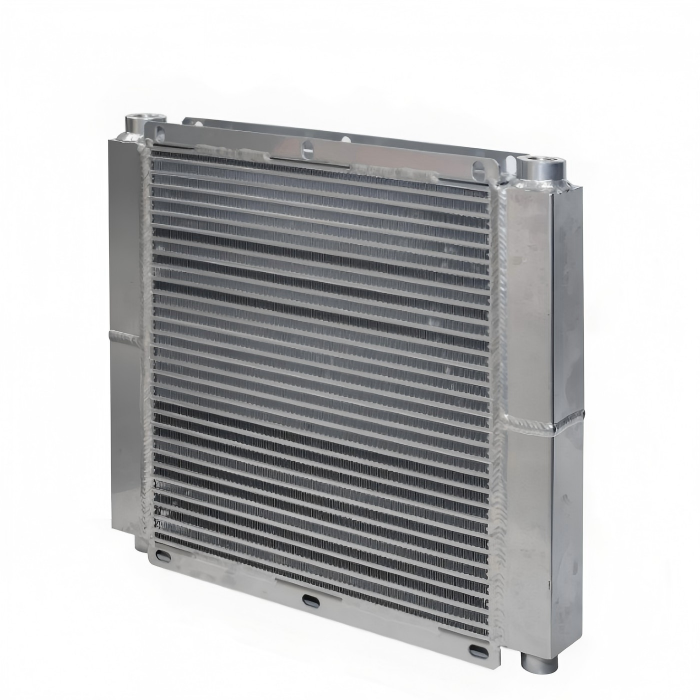
Надежный TIG сварка алюминиевого радиатора для автомобильной промышленности
Услуга TIG сварки алюминиевого радиатора обеспечивает быстрый, герметичный ремонт с прецизионными сварными швами, восстанавливая производительность и долговечность систем охлаждения.
Request a Quote
Enter the quantity you need and add to your quote list for pricing inquiries.
Product Details
Why Aluminum Radiators Fail?
2. Understanding failure modes helps us apply the right repair strategy. Aluminum radiators typically fail in several ways.
3. Vibration Cracks –
4. Constant engine vibration causes fatigue cracks near mounting brackets and core support attachments. These cracks often start small and grow over time.
5. Corrosion Pitting –
6. Coolant that is not changed regularly becomes acidic. It eats through thin aluminum from the inside. Pinhole leaks develop in the core tubes or tank walls.
7. Physical Damage –
8. Road debris, fan contact, or improper handling can puncture the core or dent tanks. Bent inlet outlets also fall into this category.
9. Poor Original Welds –
10. Some aftermarket radiators leave the factory with incomplete fusion at the tank to core joint. These weak spots fail under pressure.
11. Overheating –
12. Excessive pressure from a blocked cooling system or failed cap stresses the radiator beyond design limits. Seams separate or tanks bulge.
13. For each failure type, our tig welding aluminum radiator technique varies. A vibration crack requires stop drilling and full groove weld. A corroded area may need patch fabrication. Physical damage might involve cutting out a section of core and welding in new material.
14. This is not structural welding. Radiator work demands a different mindset. The material is often 0.020 to 0.060 inches thick. Too much heat warps the tank or melts through entirely. Too little heat fails to fuse. Our tig welding aluminum radiator process follows these steps.
15. Step 1 – Draining and Cleaning
16. We drain all coolant and flush the radiator. Residual glycol contaminates welds and creates porosity. The repair area is then degreased with acetone.
17. Step 2 – Access Preparation
18. For internal cracks, we may cut open a tank, repair the core side, then weld the tank closed. For external cracks, we clean the area with a stainless steel brush dedicated to aluminum only.
19. Step 3 – Crack Preparation
Сварка алюминиевого радиатора методом TIG требует четкого понимания режимов отказа, чтобы применить правильную стратегию ремонта. Алюминиевые радиаторы обычно выходят из строя несколькими способами.
Vibration Cracks – Constant engine vibration causes fatigue cracks near mounting brackets and core support attachments. These cracks often start small and grow over time.
Corrosion Pitting – Coolant that is not changed regularly becomes acidic. It eats through thin aluminum from the inside. Pinhole leaks develop in the core tubes or tank walls.
Physical Damage – Road debris, fan contact, or improper handling can puncture the core or dent tanks. Bent inlet outlets also fall into this category.
Poor Original Welds – Some aftermarket radiators leave the factory with incomplete fusion at the tank to core joint. These weak spots fail under pressure.
Overheating – Excessive pressure from a blocked cooling system or failed cap stresses the radiator beyond design limits. Seams separate or tanks bulge.
For each failure type, our tig welding aluminum radiator technique varies. A vibration crack requires stop drilling and full groove weld. A corroded area may need patch fabrication. Physical damage might involve cutting out a section of core and welding in new material.
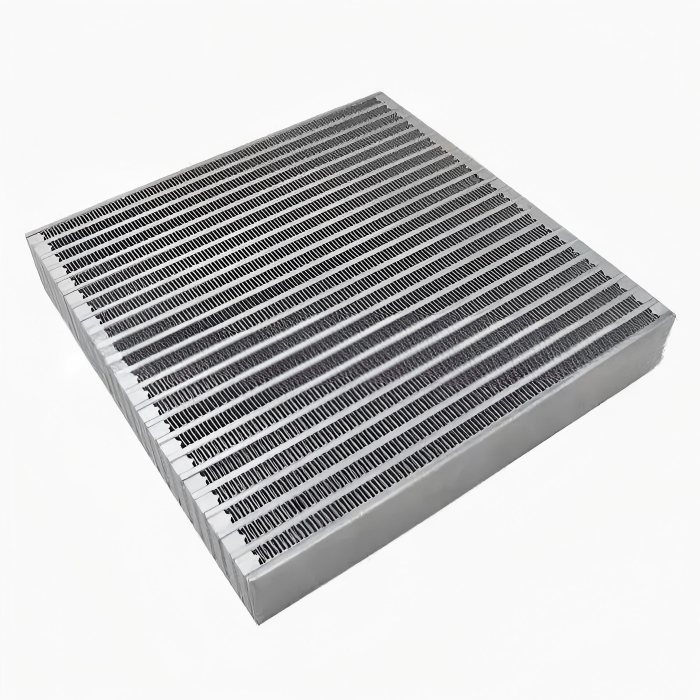
Наш процесс ремонта:
This is not structural welding. Radiator work demands a different mindset. The material is often 0.020 to 0.060 inches thick. Too much heat warps the tank or melts through entirely. Too little heat fails to fuse. Our tig welding aluminum radiator process follows these steps.
Step 1 – Draining and Cleaning
We drain all coolant and flush the radiator. Residual glycol contaminates welds and creates porosity. The repair area is then degreased with acetone.
Step 2 – Access Preparation
For internal cracks, we may cut open a tank, repair the core side, then weld the tank closed. For external cracks, we clean the area with a stainless steel brush dedicated to aluminum only.
Step 3 – Crack Preparation
We drill a 1/16 inch hole at each end of the crack to stop propagation. The crack is then ground into a shallow V groove. No bevel is needed for material this thin.
.
Step 4 – Welding
We use AC TIG at 40 to 80 amps depending on material thickness. A 1/16 inch 2% ceriated tungsten with a gas lens provides excellent arc control. Filler rod is 4043 in 1/16 inch diameter. We weld in short 1/4 inch segments, allowing cooling between each. This approach defines our tig welding aluminum radiator method.
.
Step 5 – Cooling
After welding, we immediately cool the area with compressed air. This prevents the heat affected zone from growing and distorting the tank.
.
Шаг 6 — Испытание под давлением
Every radiator is pressure tested to 15 to 20 PSI before returning to the customer. We cap all openings and submerge the radiator in water while applying air pressure. Any bubbles indicate a remaining leak.
.
One key advantage of our tig welding aluminum radiator service is that we perform this specialized work regularly. A general shop might see one radiator per year. We see several per week.
.
Типичные виды ремонта, которые мы выполняем:
Our experience covers a wide range of radiator issues through our tig welding aluminum radiator work.
.
Cracked Plastic Tank Replacement –
Some radiators have plastic tanks that crack. We can fabricate a replacement aluminum tank and weld it to the original core.
.
Inlet Outlet Repair –
Broken or corroded fittings are cut off and replaced with new aluminum tubing. We match original diameter and angle.
.
Core to Tank Seam –
The factory rolled seam can develop leaks over time. We weld the entire seam for a permanent repair.
.
Сварка монтажного кронштейна – Broken tabs and brackets are reattached or replaced.
.
Ремонт сердечника – For punctured core tubes, we can cut out the damaged section and weld in a patch. Extensive core damage may require a full recore.
.
Custom Modifications –
Moving inlets to the opposite tank, adding AN fittings, installing drain bungs, or fabricating an entirely custom radiator to your dimensions.
For vintage and rare radiators, we take extra care to preserve original appearance while restoring function. Every tig welding aluminum radiator repair is documented with before and after photos.
Для винтажных и редких радиаторов мы уделяем особое внимание сохранению оригинального внешнего вида при восстановлении функциональности. Каждый ремонт алюминиевого радиатора аргонодуговой сваркой документируется фотографиями до и после.
Radiator Core vs. Tank Welding:
Сварка сердечника радиатора против сварки бачка:
These two components require different approaches within our tig welding aluminum radiator service.
Эти два компонента требуют разных подходов в рамках нашей услуги по аргонодуговой сварке алюминиевых радиаторов.
Tank Welding –
Сварка бачка – Radiator tanks are typically 0.040 to 0.080 inch thick 3003 or 6061 aluminum. This thickness allows normal TIG technique with moderate amperage. We use a copper backing bar inside the tank when welding near the core interface. The bar absorbs excess heat and prevents burn through.
Бачки радиаторов обычно изготавливаются из алюминия 3003 или 6061 толщиной от 0,040 до 0,080 дюйма. Такая толщина позволяет применять обычную технику TIG с умеренной силой тока. При сварке вблизи стыка с сердечником мы используем медную подкладку внутри бачка. Эта подкладка поглощает избыточное тепло и предотвращает прожог.
Core Welding –
Сварка сердечника – Core tubes are as thin as 0.010 to 0.020 inches. Welding directly on the core is only possible with very low amperage and extreme care. For most core leaks, we prefer to cut out the damaged section and weld in a new piece of core material rather than attempting to weld the original thin tube.
Трубки сердечника имеют толщину всего от 0,010 до 0,020 дюйма. Сварка непосредственно на сердечнике возможна только при очень низкой силе тока и предельной осторожности. При большинстве утечек в сердечнике мы предпочитаем вырезать поврежденный участок и вварить новый кусок материала сердечника, а не пытаться сварить исходную тонкую трубку.
For this reason, we advise customers that core repairs have a lower success rate than tank repairs. If more than 20 percent of the core is damaged, replacement is usually more economical than repair. Our tig welding aluminum radiator technicians can advise you on the best approach.
По этой причине мы предупреждаем клиентов, что ремонт сердечника имеет более низкий процент успеха, чем ремонт бачка. Если повреждено более 20 процентов сердечника, замена обычно более экономична, чем ремонт. Наши специалисты по аргонодуговой сварке алюминиевых радиаторов могут проконсультировать вас по оптимальному подходу.
The skills required for this distinction come from years of focused practice. We have learned which repairs last and which do not.
Навыки, необходимые для такого разграничения, приобретаются годами целенаправленной практики. Мы узнали, какие виды ремонта долговечны, а какие — нет.
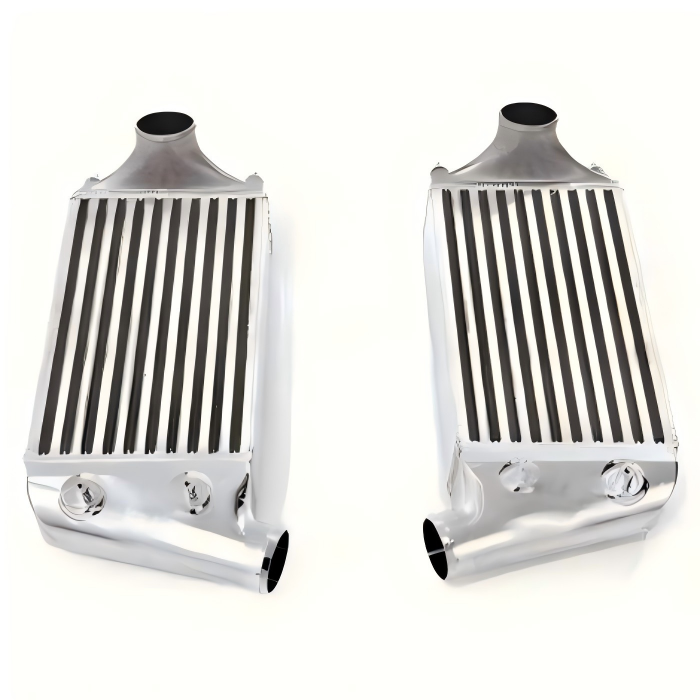
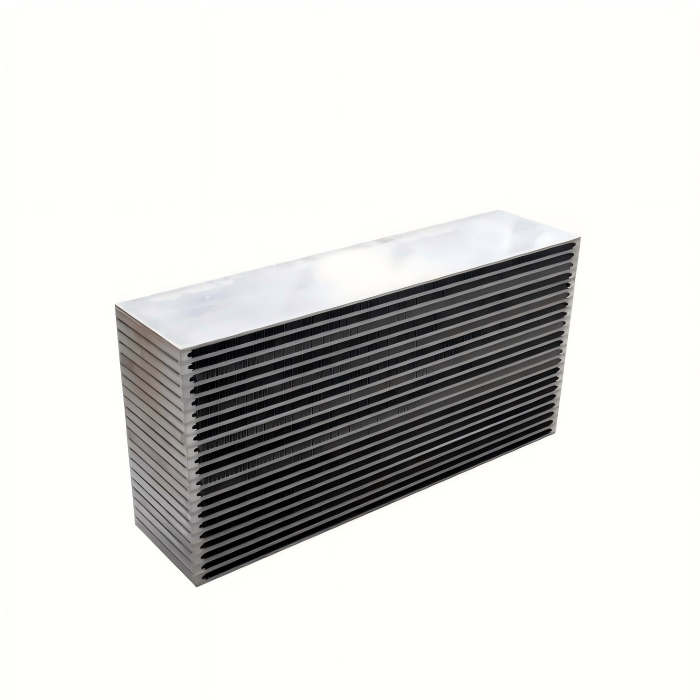
Изготовление радиаторов на заказ:
Beyond repairs, we build custom aluminum radiators from scratch using our tig welding aluminum radiator expertise. This service is popular with hot rod builders, race teams, and custom motorcycle shops.
Помимо ремонта, мы изготавливаем алюминиевые радиаторы на заказ с нуля, используя наш опыт в аргонодуговой сварке алюминиевых радиаторов. Эта услуга популярна среди строителей хот-родов, гоночных команд и мастерских по кастомизации мотоциклов.
We start with your dimensions or a drawing. You specify core size, tank shape, inlet outlet locations and sizes, and mounting configuration. We then cut 3003 aluminum sheet for the tanks, machine any custom fittings, and assemble everything using our TIG equipment.
Мы начинаем с ваших размеров или чертежа. Вы указываете размер сердечника, форму бачка, расположение и размеры впускного и выпускного отверстий, а также конфигурацию крепления. Затем мы режем листовой алюминий 3003 для бачков, изготавливаем на станке любые нестандартные фитинги и собираем все с помощью нашего оборудования TIG.
The core itself is typically purchased as a pre assembled unit from an aftermarket supplier. We weld the custom tanks to the core. This approach gives you a one off radiator at a lower cost than having a full custom core manufactured. Every custom radiator receives the same careful tig welding aluminum radiator process as our repair work.
.
Lead time for custom radiators is 2 to 3 weeks. We offer design assistance if you are unsure about dimensions or fitting placement.
.
Процедуры контроля качества:
Every radiator that leaves our shop undergoes testing regardless of whether the customer requests it. We consider this a matter of professional responsibility for our tig welding aluminum radiator service.
.
Визуальный осмотр – All welds are examined for cracks, porosity, and undercut. The repair area must be smooth and free of sharp edges.
.
Испытание под давлением – We apply 15 PSI of air pressure with the radiator submerged in a water tank. This is the same test method used by radiator manufacturers. The radiator must hold pressure for 5 minutes with zero bubbles.
.
Испытание на расход – For custom radiators and major repairs, we also perform a flow test to ensure coolant circulates properly. Water is run through the radiator at a measured rate.
.
Проверка размеров – We verify that inlet outlet positions, mounting bracket locations, and overall dimensions match your specifications or the original radiator.
.
For racing applications, we can provide a certified pressure test report. This documentation is sometimes required by race tech inspectors and validates our tig welding aluminum radiator work.
.
Why TIG is the Right Process?
You might wonder why we specify TIG rather than MIG for radiator work. The answer lies in heat control.
.
MIG welding deposits filler metal rapidly but creates significant heat input. On thin radiator materials, MIG would burn through almost instantly. TIG allows the welder to start with low amperage, add heat gradually, and back off instantly when the puddle forms. This level of control is essential for successful tig welding aluminum radiator repair.
.
Additionally, TIG produces no spatter. Spatter from MIG would embed in the core fins and be impossible to remove. TIG also allows us to use small diameter filler rod, which matches the thin base material.
.
For these reasons, we do not offer MIG welding for radiator work. Our TIG process is slower but produces reliable, leak proof results that define professional tig welding aluminum radiator service