
Front Fork Welding Secrets to Achieve Flawless 7075 T6 Aluminum Results
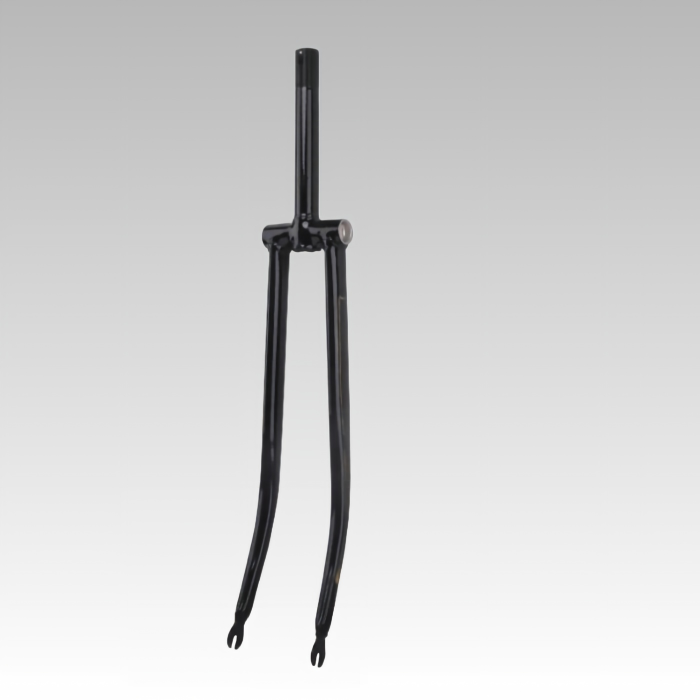
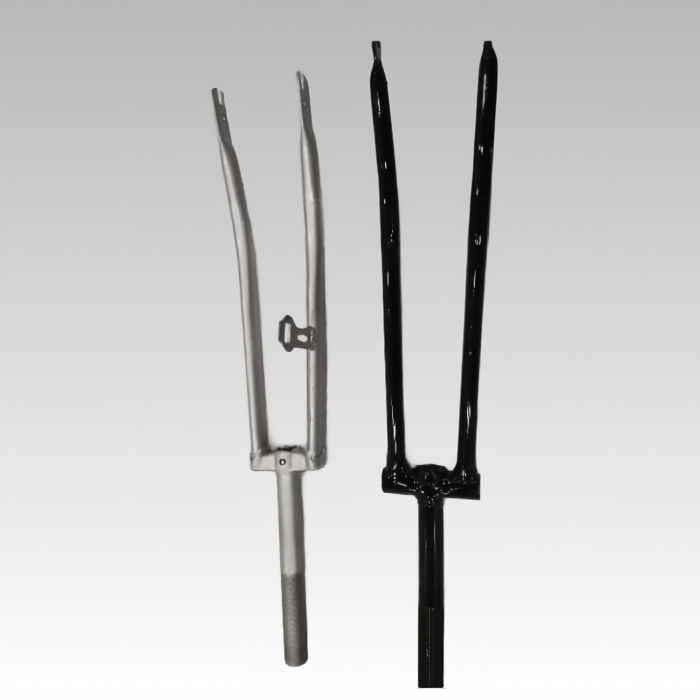
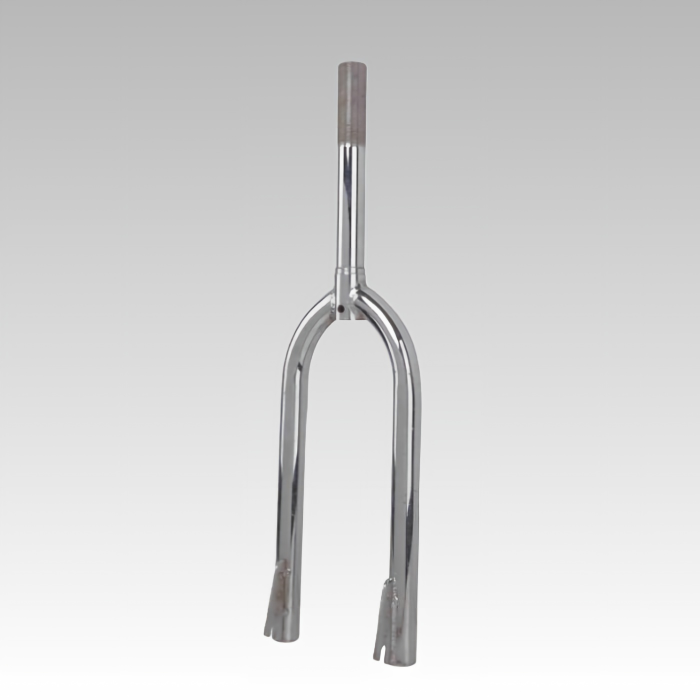
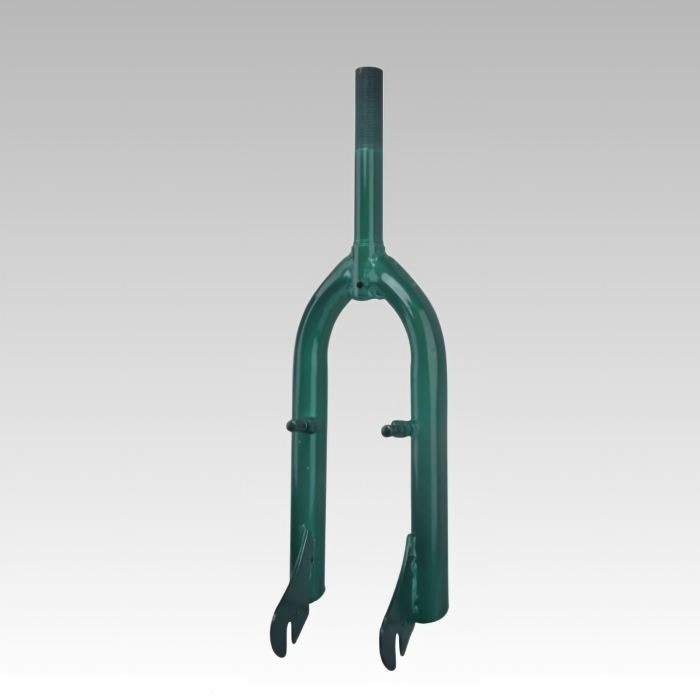
This aluminum Front Fork features precision welding and custom fabrication, combining lightweight construction with reliable structural performance for demanding bicycle applications.
Request a Quote
Enter the quantity you need and add to your quote list for pricing inquiries.
Product Details
Aluminum Front Fork Welding: Choosing the Right Manufacturing Partner for Your Brand
The front fork is one of the most safety-critical components on any bicycle or e-bike. For brands sourcing aluminum front forks, the welding process behind the product determines not only structural integrity but also your liability exposure, warranty costs, and brand reputation. This guide examines the welding technologies used in aluminum front fork manufacturing and what independent brands should look for when selecting a supplier.
Why Aluminum Front Fork Welding Demands Specialized Expertise?
Aluminum presents unique challenges compared to steel. Its high thermal conductivity dissipates heat rapidly, requiring higher heat input during welding. Its low melting point (approximately 660°C) means the margin between proper fusion and burn-through is narrow. Perhaps most critically, aluminum forms a tough oxide layer that must be removed immediately before welding to avoid porosity and incomplete fusion.
For front forks specifically, the joint between the steerer tube and crown, and the crown-to-blade connections, bear the highest stress loads during riding. A weld that appears visually acceptable but contains internal porosity or insufficient penetration can fail catastrophically under fatigue conditions.
Welding Processes Commonly Used in Front Fork Production:
TIG Welding (Gas Tungsten Arc Welding) remains the most widely adopted process for premium aluminum front forks. TIG offers precise heat control and produces clean, aesthetically pleasing welds—a factor that matters for brands positioning their products in the mid-to-high-end market. Skilled TIG welders can manipulate the heat input to accommodate varying wall thicknesses at the crown junction, where thicker material meets thinner fork blades.
Friction Stir Welding (FSW) represents an advanced alternative for aluminum fork assembly. This solid-state process avoids melting the base material entirely, eliminating issues like hot cracking and porosity that plague fusion welding. FSW produces consistent, repeatable welds with excellent mechanical properties, making it attractive for high-volume production. However, the equipment investment is substantial, and the process is less forgiving for complex joint geometries. Some manufacturers now employ FSW for the steerer-crown interface while using TIG for finishing operations.
Brazing and Silver Soldering appear in certain niche applications, particularly for lugged construction or when joining dissimilar materials. A documented case of modifying an aluminum BMX fork involved silver brazing a stainless steel spacer to the aluminum crown, with careful temperature control to avoid softening the aluminum. While not a primary production method for mainstream forks, brazing knowledge remains relevant for custom builds and repair scenarios.
Quality Control: What Separates a Reliable Supplier:
Welding quality verification extends far beyond visual inspection. Reputable manufacturers employ multiple layers of testing:
Non-destructive testing includes dye penetrant inspection for surface defects and ultrasonic testing for internal porosity or lack of fusion. For safety-critical components like front forks, X-ray inspection may be specified for critical weld zones.
Destructive testing on production samples confirms actual joint strength. Bend tests, tensile tests, and macro-section examinations reveal whether welding parameters are consistently producing full penetration.
Fatigue testing simulates real-world loading conditions. A front fork may survive a static load test yet fail after thousands of cycles at lower stress levels. Standards such as ISO 4210 and EN 14764 specify fatigue test protocols that responsible manufacturers follow.
Choosing a Manufacturing Partner: Key Questions
When evaluating aluminum front fork suppliers, independent brands should probe beyond price quotations:
- What welding process is used for each joint? TIG, FSW, or a hybrid approach each carries different implications for cost, consistency, and mechanical properties.
- How is weld quality verified? Look for documented NDT procedures and sample destructive testing reports.
- What aluminum alloy is specified? 6061-T6 is common for fork blades and crowns, while 7075 may appear in higher-stress applications. The alloy choice must match the welding process.
- Is post-weld heat treatment performed? Welding degrades the temper of heat-treated aluminum alloys. Proper post-weld artificial aging restores much of the lost strength in the heat-affected zone.
The front fork welding process is not a commodity. Brands that treat it as one expose themselves to warranty claims, safety recalls, and lasting reputational damage. Partnering with a manufacturer that demonstrates genuine welding metallurgy expertise—and can document it—is the foundation of a competitive, trustworthy product line.
Frequently Asked Questions:
Q1: Is TIG or FSW better for aluminum front forks?
A: TIG welding offers greater flexibility and better visual control for complex joints and low-volume production. FSW provides more consistent weld quality and mechanical properties for high-volume manufacturing, but requires a higher initial equipment investment. Some manufacturers combine both processes to balance flexibility and production efficiency.
Q2: Why does aluminum front fork welding cause porosity?
A: Hydrogen dissolves easily in molten aluminum and can form gas bubbles as the weld solidifies. Common sources include moisture on filler wire, oxide layers, and contaminated shielding gas. Proper surface cleaning, dry filler materials, and appropriate shielding gas flow help prevent most porosity defects.
Q3: Is post-weld heat treatment necessary for 6061-T6 front forks?
A: Welding can locally reduce the strength of 6061-T6 aluminum in the heat-affected zone. Post-weld heat treatment may help restore some of the lost mechanical properties. The appropriate treatment should be determined through engineering evaluation and testing, especially for safety-critical fork structures.
Q4: How can buyers verify front fork weld quality?
A: Buyers can request non-destructive testing reports, such as dye penetrant and ultrasonic inspection, along with destructive test results, including bend and tensile tests. Fatigue test documentation referencing applicable standards, such as ISO 4210, can also help evaluate the durability and safety of welded front forks.