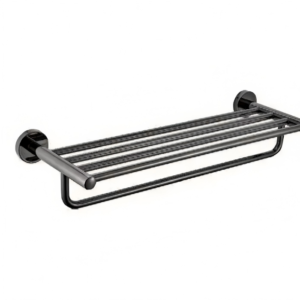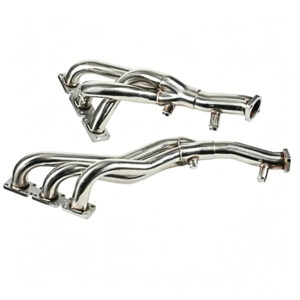
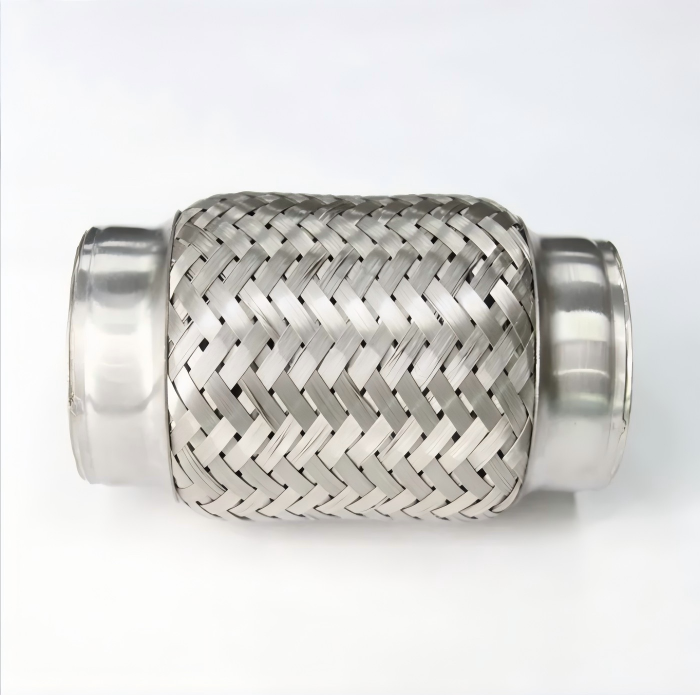

Выпускная труба с фланцем, премиум 4 болта, 304 нержавеющая сталь, сварочные услуги
Выпускная труба с фланцем из нержавеющей стали 304 отличается профессиональной сваркой и 4-болтовым соединением для долговечной работы автомобильной выхлопной системы.
Request a Quote
Enter the quantity you need and add to your quote list for pricing inquiries.
Product Details
Why Exhaust Pipe with Flange Quality Matters?
Почему качество выхлопной трубы с фланцем имеет значение?
Many exhaust system leaks occur not at the muffler or catalytic converter but at the flange connection where the pipe meets another component. A poorly fabricated exhaust pipe with flange creates uneven sealing surfaces, misaligned bolt holes, or insufficient weld penetration. These defects are often invisible until the engine runs and exhaust gases escape. Over time, thermal cycling causes gasket failure and noise.
Многие утечки в выхлопной системе происходят не в глушителе или каталитическом нейтрализаторе, а в месте фланцевого соединения, где труба соединяется с другим компонентом. Некачественно изготовленная выхлопная труба с фланцем создает неровные уплотнительные поверхности, несовпадающие отверстия под болты или недостаточное проплавление сварного шва. Эти дефекты часто незаметны, пока двигатель не запустится и выхлопные газы не начнут выходить. Со временем термоциклирование приводит к выходу из строя прокладки и появлению шума.
A properly welded exhaust pipe with flange produces a leak-free seal that maintains clamping force through thousands of heating and cooling cycles. The stainless steel base material resists corrosion from condensation and road salts. Our welding process ensures the flange face remains flat and true, preventing the warping that plagues lower quality components. Additionally, this component type is the most service-friendly method of connecting exhaust sections. Unlike band clamps that crush pipe ends or slip joints that eventually seize, a flanged connection allows repeated disassembly for maintenance.
Правильно сваренная выхлопная труба с фланцем обеспечивает герметичное уплотнение, которое сохраняет усилие зажима в течение тысяч циклов нагрева и охлаждения. Основной материал из нержавеющей стали устойчив к коррозии от конденсата и дорожных солей. Наш процесс сварки гарантирует, что поверхность фланца остается плоской и ровной, предотвращая деформацию, которая свойственна компонентам более низкого качества. Кроме того, этот тип компонентов является наиболее удобным в обслуживании способом соединения секций выхлопной системы. В отличие от ленточных хомутов, которые сминают концы труб, или скользящих соединений, которые со временем заклинивают, фланцевое соединение позволяет многократно разбирать его для обслуживания.
Our shop has invested in CNC flange machining and GTAW welding stations to produce each exhaust pipe with flange with consistent quality. Automated welding reduces variability and ensures squareness between the pipe axis and flange face. For production runs of 50 pieces or more, we recommend robotic welding for best results.
Наш цех инвестировал в станки с ЧПУ для обработки фланцев и сварочные посты GTAW для производства каждой выхлопной трубы с фланцем стабильного качества. Автоматизированная сварка снижает вариативность и обеспечивает перпендикулярность между осью трубы и поверхностью фланца. Для производственных партий от 50 штук и более мы рекомендуем роботизированную сварку для достижения наилучших результатов.
Что такое сварка нержавеющей стали?
Stainless steel welding is a fabrication process that joins two or more pieces of stainless steel using heat, with or without filler metal. Stainless steel contains at least 10.5 percent chromium, which forms a passive oxide layer on the surface. If welding damages this layer, the material can rust just like regular steel.
Сварка нержавеющей стали — это производственный процесс, который соединяет два или более куска нержавеющей стали с использованием тепла, с присадочным металлом или без него. Нержавеющая сталь содержит не менее 10,5 процента хрома, который образует пассивный оксидный слой на поверхности. Если сварка повреждает этот слой, материал может ржаветь, как обычная сталь.
Our technique uses shielding gas—typically argon or a helium-argon mix—to protect the molten weld pool from oxygen. This allows the chromium to re-form its protective layer as the weld cools. A properly welded stainless steel component, such as an exhaust pipe with flange, will resist rust at the weld line as effectively as the base metal. We also control heat input carefully because too much heat causes chromium carbide precipitation, a condition known as weld decay.
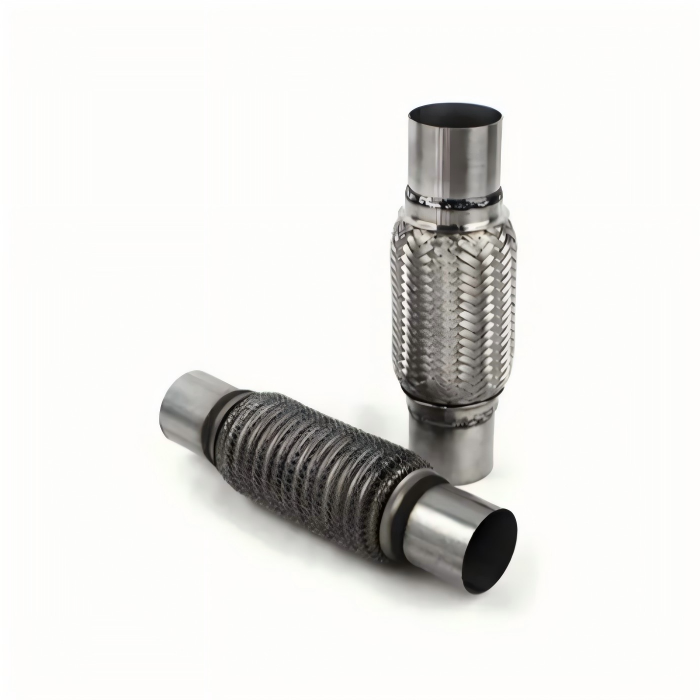
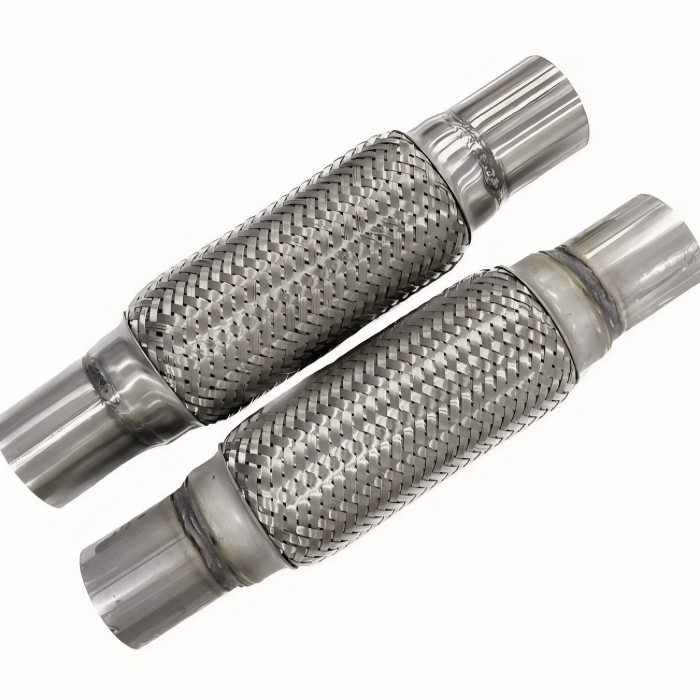
Flange Face Preparation Methods We Use:
The quality of any exhaust pipe with flange starts with the flange face itself. We offer three levels of flange face preparation depending on sealing requirements.
As Sawn Flange Face – For non-critical applications:
Sawn flanges are cut from plate then deburred. This surface works for low pressure systems with soft graphite gaskets. However, this exhaust pipe with flange specification is not recommended for turbocharged engines.
CNC Milled Flange Face – For most automotive applications:
Milling produces a smooth surface with 32 microinch RA finish. A gasket seals reliably against this face. This preparation accounts for 80 percent of our exhaust pipe with flange production.
Surface Ground Flange Face – For high boost applications:
After milling, we surface grind the flange to achieve 16 microinch RA or better. This exhaust pipe with flange seals without a gasket on some precision mating components. Typically used on diesel and racing systems.
For all exhaust pipe with flange projects, we inspect flange flatness with a machinist straight edge. Any flange with more than 0.002 inch warp is rejected before welding begins.
Pipe to Flange Joint Configurations:
We offer three methods of attaching the pipe to the flange, each suited for different applications.
Full Penetration Butt Weld – For maximum strength:
The pipe butts directly against a counterbore in the flange. We weld from the outside with 100 percent root fusion. This exhaust pipe with flange configuration has no internal ledge to trap exhaust deposits. Recommended for turbo downpipes.
2. External Fillet Weld – For standard replacement parts:
3. The pipe inserts into a recess in the flange. A single fillet weld on the outside joins them. This exhaust pipe with flange design is common on OEM replacement parts. Strong enough for naturally aspirated engines.
4. Internal and External Weld – For extreme duty:
5. The pipe passes through a fully machined hole. We weld both inside and outside. This exhaust pipe with flange construction is nearly impossible to separate. Used on off-road race vehicles and industrial exhaust.
6. For each exhaust pipe with flange order, we document the joint configuration so you can reorder identical parts.
7. Welding Processes for Different Tube Wall Thicknesses:
8. We select the optimal welding process based on your exhaust pipe wall gauge and flange thickness.
9. GTAW for 1.5mm to 3mm wall tube:
10. Manual TIG gives fine control over the weld puddle. For a thin wall exhaust pipe with flange, we use a copper backing bar inside the pipe to prevent drop-through. Amperage ranges from 70 to 130 amps with 1/16 inch 308L filler. Travel speed is approximately 3 to 4 inches per minute.
11. Pulsed MIG for 2mm to 5mm heavy wall tube:
12. Pulsed spray transfer reduces spatter and allows out-of-position welding. Our pulsed MIG exhaust pipe with flange production runs at 180 to 230 amps with 0.045 inch 309L wire. Typical deposition rate is 2 pounds per hour. Most cost-effective for orders over 50 pieces.
13. For customers needing 200 or more identical units, robotic welding ensures each exhaust pipe with flange matches the last. We program weld paths directly from CAD files. Cycle time is typically 60 to 120 seconds per flange depending on pipe diameter.
14. Distortion Control During Flange Welding:.
External Fillet Weld – For standard replacement parts:
The pipe inserts into a recess in the flange. A single fillet weld on the outside joins them. This exhaust pipe with flange design is common on OEM replacement parts. Strong enough for naturally aspirated engines.
Internal and External Weld – For extreme duty:
The pipe passes through a fully machined hole. We weld both inside and outside. This exhaust pipe with flange construction is nearly impossible to separate. Used on off-road race vehicles and industrial exhaust.
For each exhaust pipe with flange order, we document the joint configuration so you can reorder identical parts.
Welding Processes for Different Tube Wall Thicknesses:
We select the optimal welding process based on your exhaust pipe wall gauge and flange thickness.
GTAW for 1.5mm to 3mm wall tube:
Manual TIG gives fine control over the weld puddle. For a thin wall exhaust pipe with flange, we use a copper backing bar inside the pipe to prevent drop-through. Amperage ranges from 70 to 130 amps with 1/16 inch 308L filler. Travel speed is approximately 3 to 4 inches per minute.
Pulsed MIG for 2mm to 5mm heavy wall tube:
Pulsed spray transfer reduces spatter and allows out-of-position welding. Our pulsed MIG exhaust pipe with flange production runs at 180 to 230 amps with 0.045 inch 309L wire. Typical deposition rate is 2 pounds per hour. Most cost-effective for orders over 50 pieces.
Роботизированная MIG-сварка для крупносерийного производства:
For customers needing 200 or more identical units, robotic welding ensures each exhaust pipe with flange matches the last. We program weld paths directly from CAD files. Cycle time is typically 60 to 120 seconds per flange depending on pipe diameter.
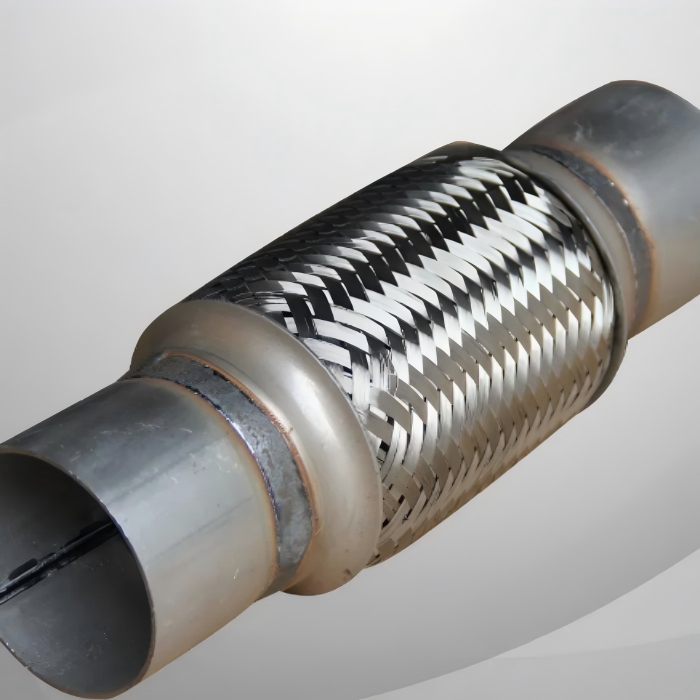
Distortion Control During Flange Welding:
Фланцы деформируются от тепла сварки, потому что сварной шов сжимается при охлаждении. Нержавеющая сталь расширяется примерно на 9,9 микро-дюйма на дюйм на градус Фаренгейта. Фланец диаметром 4 дюйма, нагретый локально до 500°F, теряет плоскостность.
Наши решения включают:
– Сбалансированная сварка – Сваривайте противоположные стороны фланца последовательно.
– Струбцина с жёсткой фиксацией – Приварите фланец к толстой стальной плите во время сварки
– Медные охлаждающие кольца – Устанавливаются внутри трубы вблизи зоны сварки
– Техника низкого тепловложения – Используйте максимально тонкую присадочную проволоку
– Послесварочная обработка поверхности фланца – Лёгкое фрезерование после сварки при необходимости
Используя эти методы, мы обеспечиваем плоскостность фланца в пределах 0,002 дюйма для большинства применений выхлопной трубы с фланцем. Для критических уплотнительных поверхностей мы добавляем послесварочное снятие напряжений в печи при 400°F в течение одного часа.
Типы фланцев и схемы расположения болтов, которые мы производим:
Разные платформы автомобилей используют различные формы фланцев. Мы имеем в наличии оснастку для распространённых схем.
Треугольный фланец на 3 болта:
Встречается на многих японских автомобилях. Каждая выхлопная труба с фланцем для этой схемы использует болты 8 мм или 10 мм. Центральное отверстие прокладки соответствует внутреннему диаметру трубы.
Овальный фланец на 2 болта:
Распространён на европейских автомобилях. Конструкция этой выхлопной трубы с фланцем позволяет вращение при сборке. Обычно используются шпильки M8 или M10.
Квадратный фланец на 4 болта:
Стандарт для американских двигателей V8. Наша выхлопная труба с фланцем для этой схемы включает расстояние между болтами 3,5 или 4 дюйма. Размеры труб от 2 до 3 дюймов.
Фланцы нестандартной формы:
Любая схема расположения болтов или внешний контур. Мы обрабатываем фланец на станке с ЧПУ, а затем привариваем трубу. Каждая нестандартная выхлопная труба с фланцем изготавливается по вашему чертежу.
Мы ведём цифровые записи каждой нестандартной схемы фланца. Для повторного заказа выхлопной трубы с фланцем спустя годы требуется только оригинальный номер детали.
Типичные области применения и типы транспортных средств:
Наши клиенты используют нашу услугу для многих целей.
Даунпайпы турбокомпрессора:
Экстремальная температура и давление требуют идеальных сварных швов. Наша выхлопная труба с фланцем выдерживает температуру выхлопных газов 1600°F без деформации поверхности фланца. Каждый даунпайп использует трубу 3 или 3,5 дюйма с 4-болтовым фланцем.
Трубы замены каталитического нейтрализатора:
При замене нейтрализатора соединительные фланцы должны совпадать. Мы точно воспроизводим любую заводскую конфигурацию выхлопной трубы с фланцем. Впускной и выпускной фланцы выровнены по одной оси.
Труба от выпускного коллектора к головке блока:
Соединение с головкой блока цилиндров должно быть герметичным. Наша выхлопная труба с фланцем для применения в коллекторах использует шлифованную поверхность фланца и нержавеющую сталь 304 для термостойкости.
Тестовые трубы и гоночные декеты:
Только для внедорожного использования. Эта выхлопная труба с фланцем полностью заменяет каталитический нейтрализатор. Сварная конструкция исключает утечки при полном открытии дросселя.
Выхлопные системы дизельных двигателей:
Дизельный выхлоп работает при более низких температурах, но имеет больше вибраций. Наша выхлопная труба с фланцем из толстостенной трубы использует трубу 3 мм