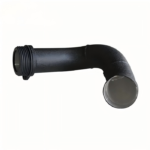
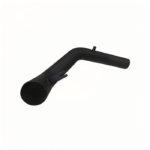
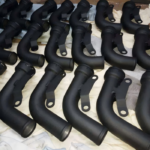
Custom Pipe Bending Intake Charge Pipe 8 Heavy Duty Race Ready Setups
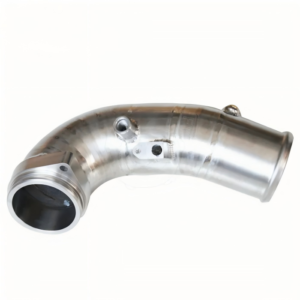
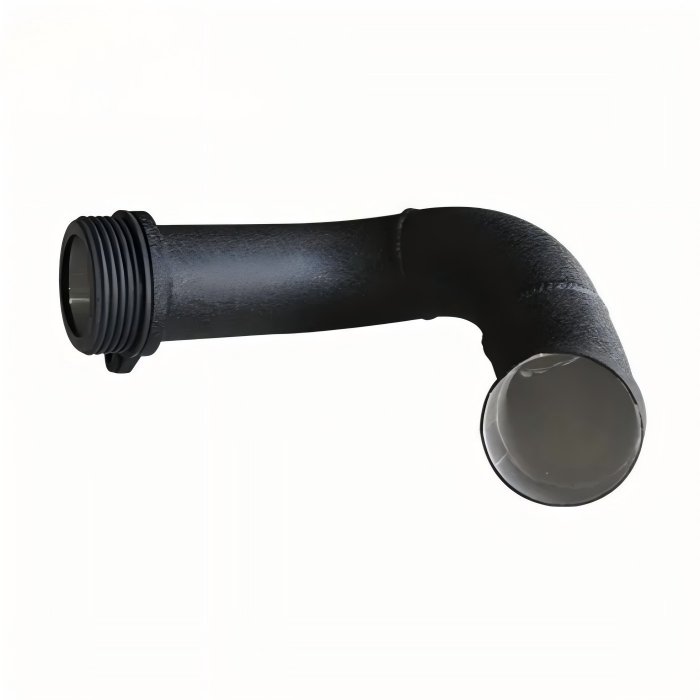
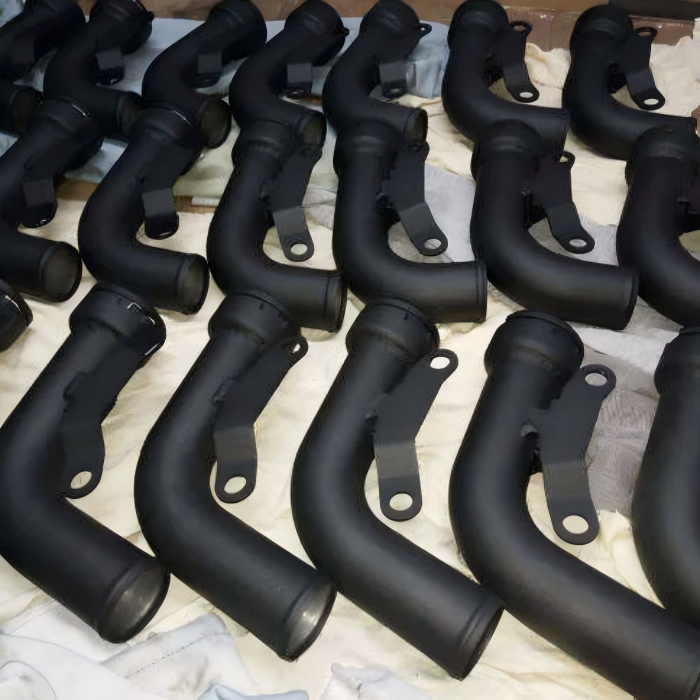
Custom bent intake charge pipe in 8 heavy-duty configurations. Designed for race-ready setups—smooth bends, minimal joints, max airflow. Built for boost.
Request a Quote
Enter the quantity you need and add to your quote list for pricing inquiries.
Product Details
Why Pipe Bending is Critical for Intake Charge Pipe Fabrication?
Before discussing intake charge pipe design in detail, we must address the importance of pipe bending. The engine bay of any modern vehicle is packed with components. The alternator, valve cover, firewall, radiator hoses, brake master cylinder, and chassis rails all occupy valuable space. A straight intake tube simply will not fit in most applications. Therefore, precision bending is required to route the pipe around these obstacles while maintaining optimal airflow.
Our bending process uses CNC mandrel equipment specifically calibrated for the material you choose. Mandrel bending supports the inner wall during the bend, preventing collapse and maintaining consistent inner diameter. This is especially important for an intake pipe because any reduction in diameter creates a pressure drop. After completing the bending stage, we prepare the tubes for welding and final assembly. Without accurate bending, even the best designed intake tube cannot achieve proper fitment or flow characteristics. That is why we treat bending as the foundation of every intake pipe we produce.
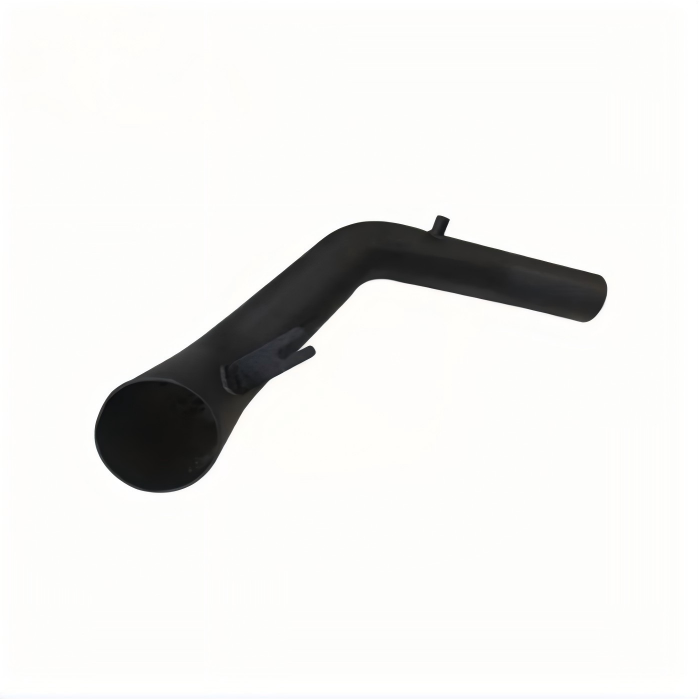
The 7 Step Customizable Process for Intake Charge Pipe Fabrication:
We have developed a seven step approach to deliver fully customizable intake charge pipe solutions for any turbocharged or supercharged vehicle. Each step integrates precision pipe bending with quality fabrication to ensure superior fitment and reliable performance.
Step 1 Vehicle and Engine Bay Assessment
Every custom intake pipe project begins with a detailed assessment of your vehicle and engine bay layout. You provide photos, sketches, or CAD files showing the intercooler outlet position, throttle body location, and any obstacles between them. We identify constraints such as engine movement under load, heat sources, and service access points. Based on this information, we plan the optimal bending route for your pipe. This design phase directly affects every subsequent step.
Step 2 Material and Diameter Selection
You choose the material, tube diameter, and wall thickness for your intake charge pipe. Common materials include 6061 aluminum for lightweight performance or 304 stainless steel for maximum durability. Diameters typically range from 2.5 inches to 4 inches depending on your horsepower goals. A larger diameter one reduces restriction but may be harder to route. After material selection, we cut tubes to rough length before pipe bending begins. Proper material preparation ensures that it will perform as expected.
Step 3 CNC Mandrel Pipe Bending
Our CNC mandrel bender creates precise angles from 15 degrees to 180 degrees for your intake charge pipe. We support multi plane bends and compound radius configurations. Every pipe bending operation is verified against the original design drawing. Once the pipe bending for your intake charge pipe is complete, we inspect each tube for ovality and wall thinning. Acceptable tubes move forward to the next stage. Rejected tubes are remade immediately. This quality gate ensures that only properly bent tubes receive further fabrication attention for your intake charge pipe.
Step 4 Dry Fit and Marking
Before any welding occurs, we perform a dry fit of all bent tubes on a fixture or mock up engine bay. This step confirms that every pipe bending angle and length matches your vehicle layout. We mark clocking positions and joint gaps for your intake charge pipe assembly. This preparation is especially important because an intake charge pipe must align perfectly with both the intercooler outlet and throttle body. Even a small misalignment creates stress on silicone couplers and can lead to boost leaks.
Step 5 TIG Welding and Port Integration
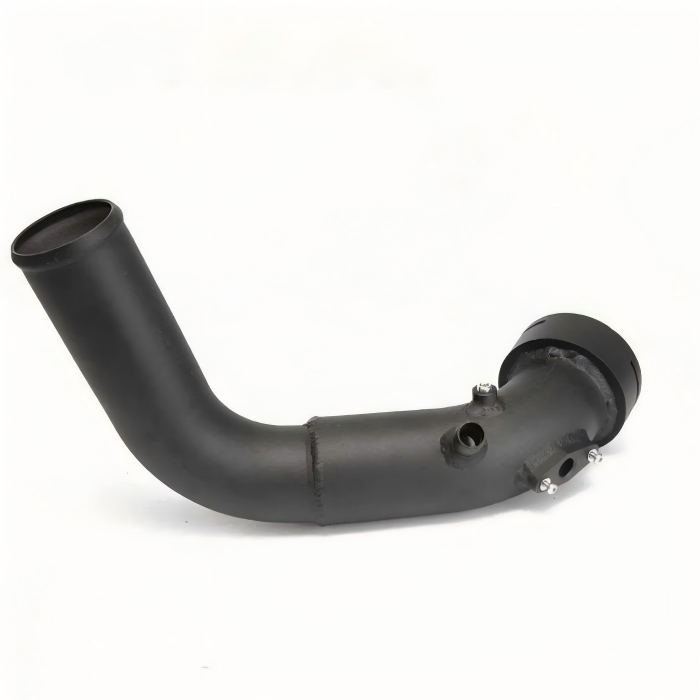
Now we reach the core fabrication service for it. Each tube is cleaned to remove oils and contaminants. We then TIG weld all joints using appropriate filler rods for your chosen material. The entire intake charge pipe welding process is performed by certified welders. We also integrate any required ports into your intake charge pipe during this stage. Common additions include blow off valve flanges, IAT sensor bungs, and vacuum ports. Each port is welded smoothly to maintain internal airflow. This level of detail ensures that your intake charge pipe functions perfectly from the first start.
For complex builds, your intake charge pipe may include multiple ports or unusual angles. Our welders adapt to your specific requirements. Every intake charge pipe we produce receives visual inspection and pressure testing. Any weld showing porosity or incomplete penetration is cut out and re welded. We stand behind every intake charge pipe that leaves our shop.
Step 6 Bead Rolling and End Finishing
After welding, we roll beads onto each end of your intake charge pipe where silicone couplers will attach. These beads prevent couplers from blowing off under high boost pressure. We also deburr all cut edges and clean the internal weld seams. This finishing work ensures that your intake charge pipe installs easily and seals perfectly. A properly finished intake charge pipe will not damage silicone couplers or create leak paths.
Step 7 Final Quality Control and Packaging
Every completed intake charge pipe receives a final pressure test to 1.5 times your expected boost pressure. We also perform a second dry fit on our fixture to confirm that pipe bending and welding did not distort any dimensions. Once approved, we package your intake charge pipe securely using foam padding and double wall boxes. Each intake charge pipe is labeled for straightforward installation. Instructions are included with every order.
Customizable Options for Every Forced Induction Build:
No two turbocharged or supercharged engines are identical. That is why our intake pipe service is fully customizable from start to finish. You decide the material, diameter, bend angles, weld locations, bead roll style, port placement, and finish. Some customers need a simple one piece tube with two bends. Others require a complex multi piece assembly with multiple ports and unusual routing around aftermarket components.
Our pipe bending capabilities handle both extremes. Similarly, our fabrication team adapts to your specific flange and bung requirements. Being customizable also means we accept small batch orders. You do not need to buy 100 units. One off prototypes for custom builds are welcome. We also offer customizable jig repeats if you plan to manufacture multiple vehicles. Every aspect from pipe bending to final finishing can be adjusted without punitive tooling fees.
Common Applications for Intake Charge Pipe Upgrades:
An upgraded intake pipe serves many vehicle types. Turbocharged street cars benefit from increased throttle response and reduced boost lag. Supercharged muscle cars need a larger diameter tube to feed high displacement engines. Diesel trucks with modified injection systems require a reinforced pipe to handle elevated boost pressures. Import tuners replacing restrictive factory plastic units see immediate performance gains.
Conclusion:
A properly designed intake charge pipe is essential for any forced induction engine seeking maximum performance. Precision pipe bending ensures smooth airflow and perfect fitment within crowded engine bays. Every intake charge pipe we produce is fully customizable to your specific vehicle, power goals, and aesthetic preferences. From initial design through final quality control, we control every aspect of intake charge pipe fabrication. Contact us today to start your custom intake charge pipe project.