Stainless Intercooler Piping Mandrel Bent Heavy Duty 10 Yr Race Teams
Stainless intercooler piping built for guys who don’t lift—mandrel bends, heavy gauge, no boost leaks. 10 seasons of race abuse and still holding. Send your layout.
Request a Quote
Enter the quantity you need and add to your quote list for pricing inquiries.
Product Details
Why Pipe Bending Matters for Stainless Intercooler Systems?
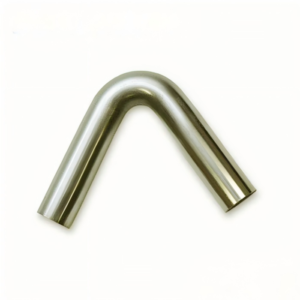
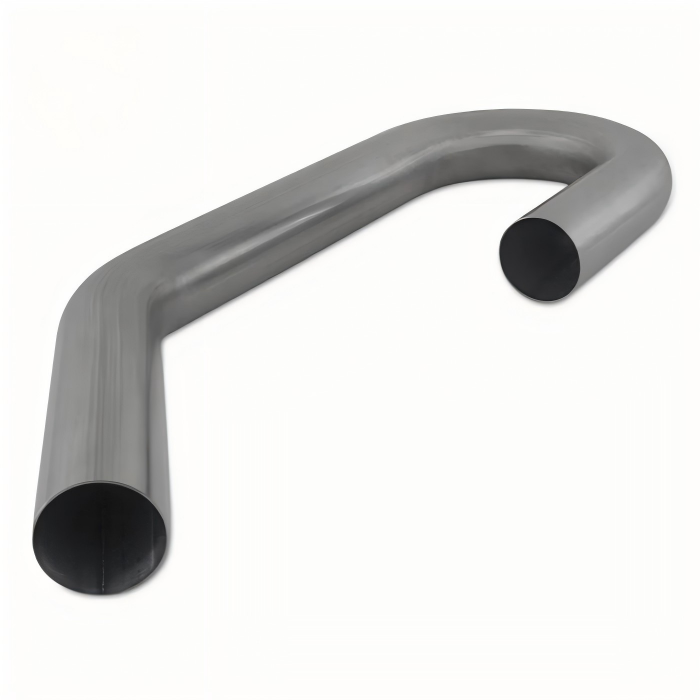
Before discussing stainless intercooler piping in detail, we must address the importance of pipe bending. Straight tubes rarely fit inside a crowded engine bay. The alternator, steering rack, radiator hoses, brake lines, and chassis rails all create obstacles that must be navigated. Therefore, precision bending is required to route tubes around these components while maintaining smooth airflow. When combined with stainless steel construction, properly bent tubes significantly reduce the number of silicone couplers needed. Fewer couplers mean fewer potential boost leak points and a cleaner engine bay appearance.
Our bending process uses CNC mandrel equipment specifically calibrated for stainless steel. This material is harder than aluminum and requires more force to bend without kinking. The mandrel supports the inner wall during bending, preventing collapse and maintaining consistent inner diameter through the curve. After completing the bending stage, we prepare the tubes for final welding and finishing. Without accurate bending, even the best stainless system cannot achieve proper fitment or optimal flow characteristics. That is why we treat bending and fabrication as two halves of one complete integrated service.
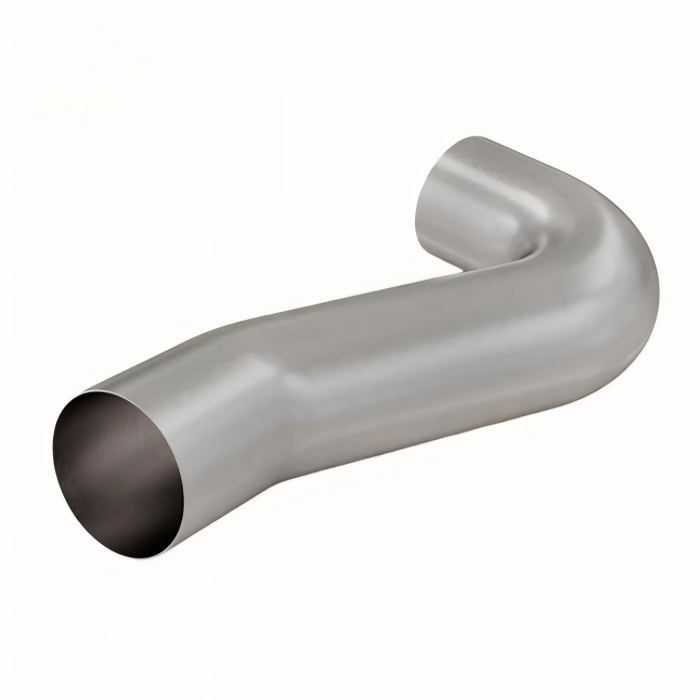
The 8 Step Customizable Process for Stainless Intercooler Piping:
We have developed an eight step approach to deliver fully customizable stainless intercooler piping for any vehicle. Each step integrates pipe bending with quality fabrication to ensure superior fitment and long term reliability.
Step 1 Project Consultation
Every project begins with a detailed discussion of your engine bay layout and performance goals. You provide photos, hand drawn sketches, or CAD files. We identify constraints such as frame rails, suspension components, accessory drives, and firewall clearances. Based on this information, we plan the optimal pipe bending route. This design phase directly affects how we approach stainless intercooler piping fabrication. The goal is to minimize the number of welded joints by using continuous bent tubes wherever possible.
Step 2 Material and Diameter Selection
You choose the stainless alloy, tube diameter, and wall thickness. Common diameters for stainless intercooler piping range from 2 inches to 4 inches. Thicker walls withstand higher boost and resist denting but add weight. Most street performance builds use 16 or 14 gauge 304 stainless. After material selection, we cut tubes to rough length before pipe bending begins. Proper material preparation simplifies stainless intercooler piping fabrication because clean consistent material produces stronger more reliable results.
Step 3 CNC Mandrel Pipe Bending
Our CNC mandrel bender creates precise angles from 15 degrees to 180 degrees. We support multi plane bends and compound radius configurations. Every pipe bending operation is verified against the original design drawing using digital angle finders. Once the pipe bending is complete, we inspect each tube for ovality, wall thinning, and surface marks. Acceptable tubes move forward to the fitting stage. Rejected tubes are remade immediately. This quality gate ensures that only properly bent tubes receive stainless intercooler piping assembly attention.
Step 4 Dry Fit and Marking
Before any welding occurs, we perform a dry fit of all bent tubes on a fixture or mock up engine bay. This step confirms that every pipe bending angle and length matches the vehicle layout. We mark clocking positions and joint gaps. This preparation is especially important for stainless intercooler piping because stainless steel expands more than aluminum when heated. Proper gap setting during dry fit prevents weld cracking later.
Step 5 TIG Welding Stainless Intercooler Piping
Now we reach the core fabrication service stainless intercooler piping. Each tube is cleaned with acetone to remove oils and contaminants. We then TIG weld all joints using 308L or 316L filler rods depending on your base material. The entire stainless intercooler piping welding process is performed by certified welders with extensive experience in automotive applications. We back purge the tubes with argon to prevent sugar formation on the inside of the weld. This level of detail in stainless intercooler piping creates smooth internal surfaces that do not disrupt airflow or create turbulence.
For complex assemblies, stainless intercooler piping includes mounting tabs, blow off valve flanges, wastegate ports, and sensor bungs. These additions are welded before final finishing. Our stainless intercooler piping procedure also includes visual inspection and dye penetrant testing on critical joints. Any weld that shows porosity, undercut, or incomplete penetration is cut out and re welded. We stand behind every instance of stainless intercooler piping that leaves our shop.
Step 6 Bead Rolling and End Preparation
After welding, we roll beads onto each end of the stainless intercooler piping where silicone couplers will attach. These beads prevent couplers from blowing off under high boost pressure. We also deburr all cut edges and clean the internal weld seams. This finishing work ensures that your stainless intercooler piping installs easily and performs reliably from the first start.
Step 7 Final Finishing Options
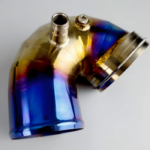
After completing stainless intercooler piping fabrication, we offer several finishing options. You can choose natural brushed finish, mirror polished, or ceramic coated. Polished stainless intercooler piping provides a show quality appearance that resists fingerprints. Ceramic coating reduces radiant heat soak and keeps intake air temperatures lower. Each finishing option is applied with attention to detail that complements the underlying fabrication quality.
Step 8 Quality Control and Packaging
Every completed stainless intercooler piping set receives a final pressure test to 50 psi. We also perform a second dry fit on our fixture to confirm that pipe bending and welding did not distort any dimensions. Once approved, we package the piping securely using foam padding and double wall boxes. Each tube is labeled with its position in the engine bay for straightforward installation.
Customizable Options for Every Turbo Build:
No two turbo systems are identical. That is why our stainless intercooler piping service is fully customizable from start to finish. You decide the tube diameter, bend angles, weld locations, bead roll style, and finish. Some customers need a simple hot side pipe with two bends. Others require a complex four tube set with multiple welded fittings and unusual routing around aftermarket components.
Our pipe bending capabilities handle both extremes. Similarly, our fabrication team adapts to your specific flange, bung, and port requirements. Being customizable also means we accept small batch orders. You do not need to buy 100 units. One off prototypes for custom builds are welcome. We also offer customizable jig repeats if you plan to sell turbo kits later. Every aspect from pipe bending to stainless intercooler piping finishing can be adjusted without punitive tooling fees.
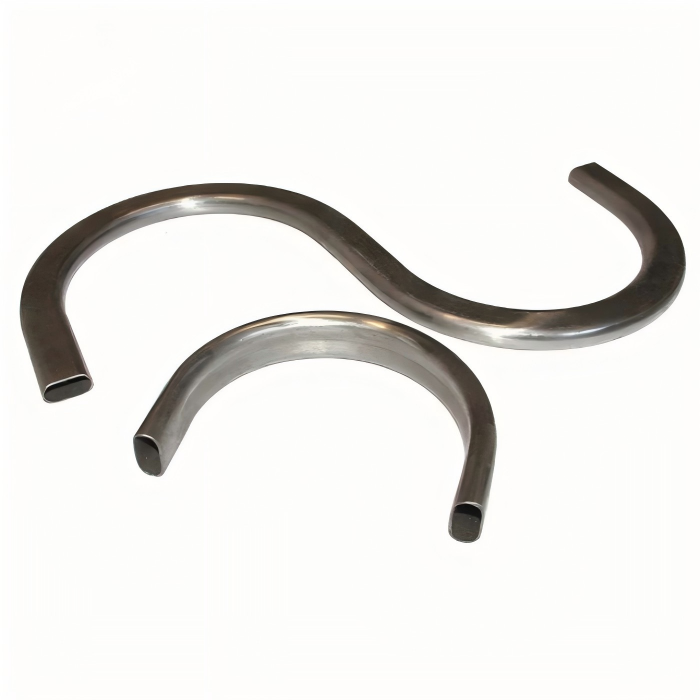
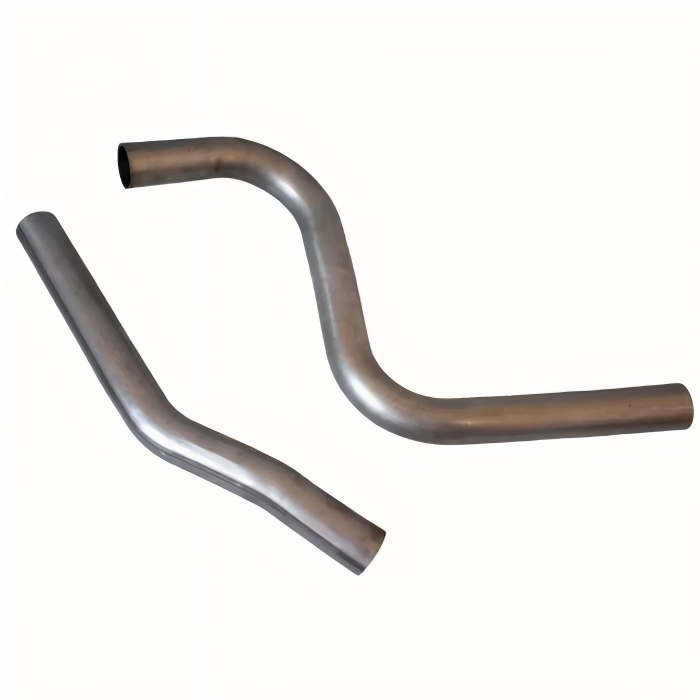
Common Applications for Stainless Intercooler Piping:
Stainless intercooler piping serves many vehicle types that aluminum cannot adequately address. Performance cars driven in winter climates benefit from stainless steel corrosion resistance. Diesel trucks with high exhaust gas temperatures require the heat tolerance of stainless intercooler piping. Off road vehicles and rally cars need the impact resistance that stainless provides over softer aluminum. Drift cars experiencing frequent hood removal and engine bay heat also prefer stainless intercooler piping for its durability.
For example, a daily driven turbocharged car in the northern United States faces road salt for six months each year. Aluminum intercooler piping can corrode and develop pinhole leaks. Stainless intercooler piping eliminates this concern entirely. Similarly, a competition diesel truck generating 70 psi of boost needs the burst strength of stainless intercooler piping. Our pipe bending and fabrication processes are designed to meet these demanding requirements.
Conclusion:
Reliable intercooler piping for demanding applications requires both precision pipe bending and expert stainless intercooler piping fabrication. Attempting to build your own without proper mandrel bending equipment and TIG welding skills often leads to leaks, poor fitment, or failed welds. By trusting our eight step customizable process, you receive stainless intercooler piping that fits correctly, flows efficiently, and holds boost reliably for years. From initial design through final finishing, we control every aspect of pipe bending and stainless intercooler piping fabrication. Contact us today to start your custom turbo tube project.