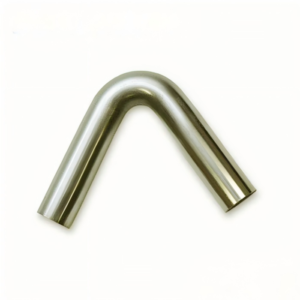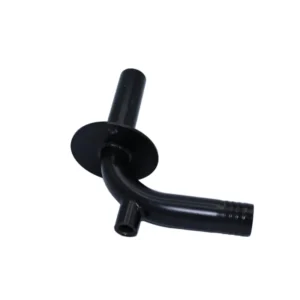
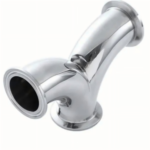
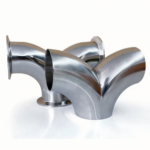
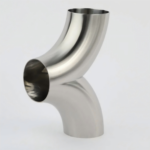
Serviço Especializado em Soldagem de Conexão de Tubo Tipo Y para Fabricação Personalizada
A conexão em T tipo Y para tubulação proporciona divisão de fluxo suave com construção soldada, alta resistência, vedação contra vazamentos e desempenho industrial confiável.
Request a Quote
Enter the quantity you need and add to your quote list for pricing inquiries.
Product Details
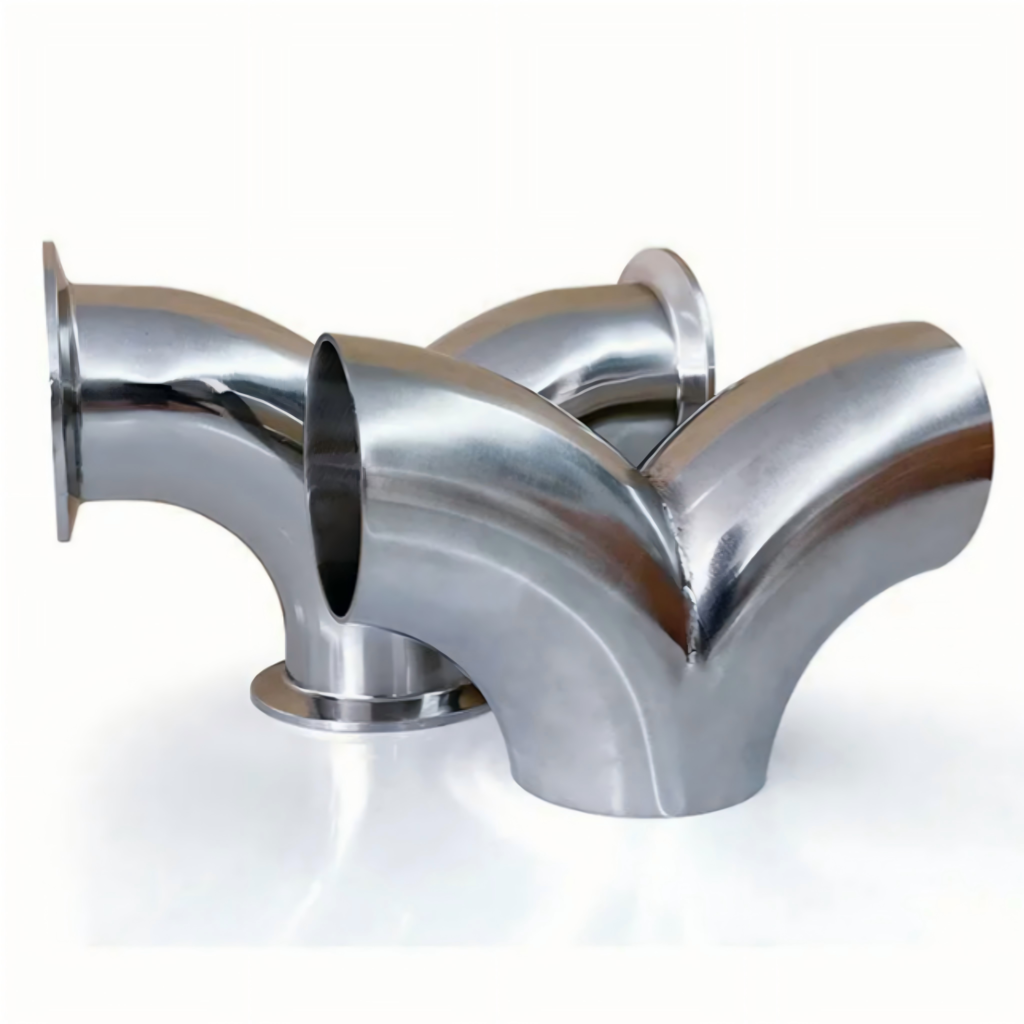
O que é uma conexão em Y?
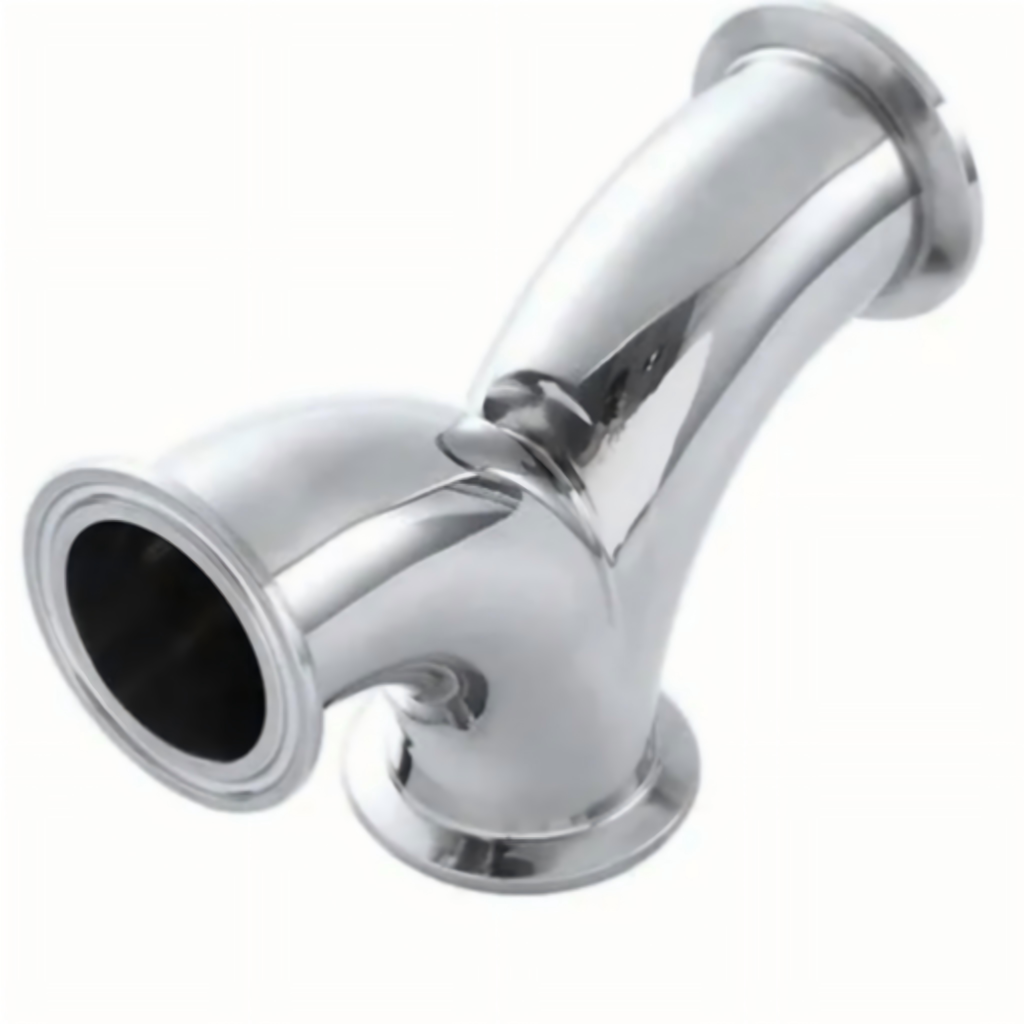
Uma conexão em Y é uma conexão de três portas onde a linha de derivação se une ao ramo principal em um ângulo agudo. O nome “tipo Y” vem de sua semelhança com a letra Y. A linha principal permanece reta ou levemente curvada, enquanto a linha de derivação sai em um ângulo entre 45° e 60°, dependendo da norma. Essa geometria torna a conexão em Y particularmente adequada para aplicações onde é necessária uma fusão ou separação gradual do fluxo.
Os materiais comuns incluem aço carbono (ASTM A234 WPB), aço inoxidável (ASTM A403 WP304/316) e aço-liga (ASTM A234 WP11/WP22). As espessuras de parede variam de Sch10 a Sch160, permitindo a correspondência com tubos soldados padrão. Os tratamentos de superfície podem incluir pintura preta, galvanização ou passivação por decapagem.
Por que escolher a conexão em Y em vez de tês padrão?
As conexões de tê padrão (derivação de 90°) criam mudanças abruptas na direção do fluxo, levando à erosão, cavitação e maior perda de pressão. Em contraste, a conexão em Y oferece:
- Resistência reduzida ao fluxo, melhorando a eficiência do bombeamento
- Menor risco de acúmulo de partículas sólidas em linhas de lama
- Melhor compatibilidade com tubos principais formados por curvatura
- Acesso mais fácil para revestimento interno e pigging em alguns projetos
Para sistemas soldados, proporciona um perfil de solda mais suave ao unir seções de tubos curvados, especialmente em aplicações de grande diâmetro ou parede espessa.
Considerações sobre soldagem:
A soldagem é o método de união mais confiável para sistemas de alta pressão e alta temperatura. Ao incorporá-la em uma tubulação soldada, vários fatores devem ser controlados.
Preparação do chanfro e ajuste:
A maioria das extremidades da conexão em Y é chanfrada de acordo com as normas ASME B16.9 ou B16.25. O ângulo do chanfro (tipicamente 37,5°) e a face da raiz devem corresponder ao tubo curvado ou tubo reto de acoplamento. Para conexões de derivação, o alinhamento adequado das linhas de centro do furo é crítico. Desalinhamento acima de 1,5 mm pode causar mordedura ou falta de fusão na solda.
Procedimento de soldagem:
Para conexão em Y de aço carbono, SMAW (eletrodo revestido) ou GMAW (MIG) com eletrodos E7018 é comum. Versões em aço inoxidável exigem passe de raiz GTAW (TIG) seguido de SMAW ou GMAW, usando metais de adição ER308/316. O pré-aquecimento não é necessário para aço inoxidável austenítico, mas pode ser necessário para aço carbono acima de 25 mm de espessura de parede. O tratamento térmico pós-soldagem (PWHT) se aplica a conexões em Y de aço-liga.
Inspeção de Solda:
Após soldar uma conexão em Y ao tubo principal e ao tubo de derivação, o ensaio não destrutivo (END) deve incluir:
- Inspeção visual para trincas superficiais
- Líquido penetrante (LP) para aço inoxidável
- Partículas magnéticas (PM) para aço carbono
- Radiografia (RX) ou ultrassom (US) para soldas de topo de penetração total
Uma conexão em Y devidamente soldada não deve apresentar porosidade, inclusões de escória ou fusão incompleta na junção da derivação.
Integração com curvatura de tubos:
Muitos sistemas de tubulação exigem seções curvadas para contornar obstáculos ou reduzir o número de conexões. Este produto funciona perfeitamente com curvas por indução, curvas a frio ou curvas a quente. Veja como a curvatura afeta a seleção da conexão.
Correspondência do raio de curvatura:
Quando um tubo curvado se conecta a uma conexão em Y, o raio de curvatura deve ser de pelo menos 3D a 5D (onde D = diâmetro nominal do tubo). Raios menores podem causar ovalização na extremidade da solda, dificultando o ajuste. Para curvas apertadas, uma conexão em Y forjada ou sem costura é preferível às versões com costura soldada.
Orientação da derivação:
O ângulo da derivação de uma conexão em Y pode ser rotacionado em relação ao plano da curvatura. Por exemplo, um tê Y de 45° instalado em uma curva horizontal de 90° cria um deslocamento tridimensional. Isso reduz a necessidade de cotovelos adicionais ou curvas personalizadas.
Análise de tensões:
Como uma conexão em Y introduz uma geometria assimétrica, as tensões próximas à junção da derivação podem ser maiores do que em tês retos. Quando combinada com um tubo curvado, a análise de flexibilidade (usando Caesar II ou AutoPIPE) deve incluir o SIF (fator de intensificação de tensão) da interseção do tê Y. Reforços externos ou gussets podem ser necessários para aplicações de fadiga de alto ciclo.
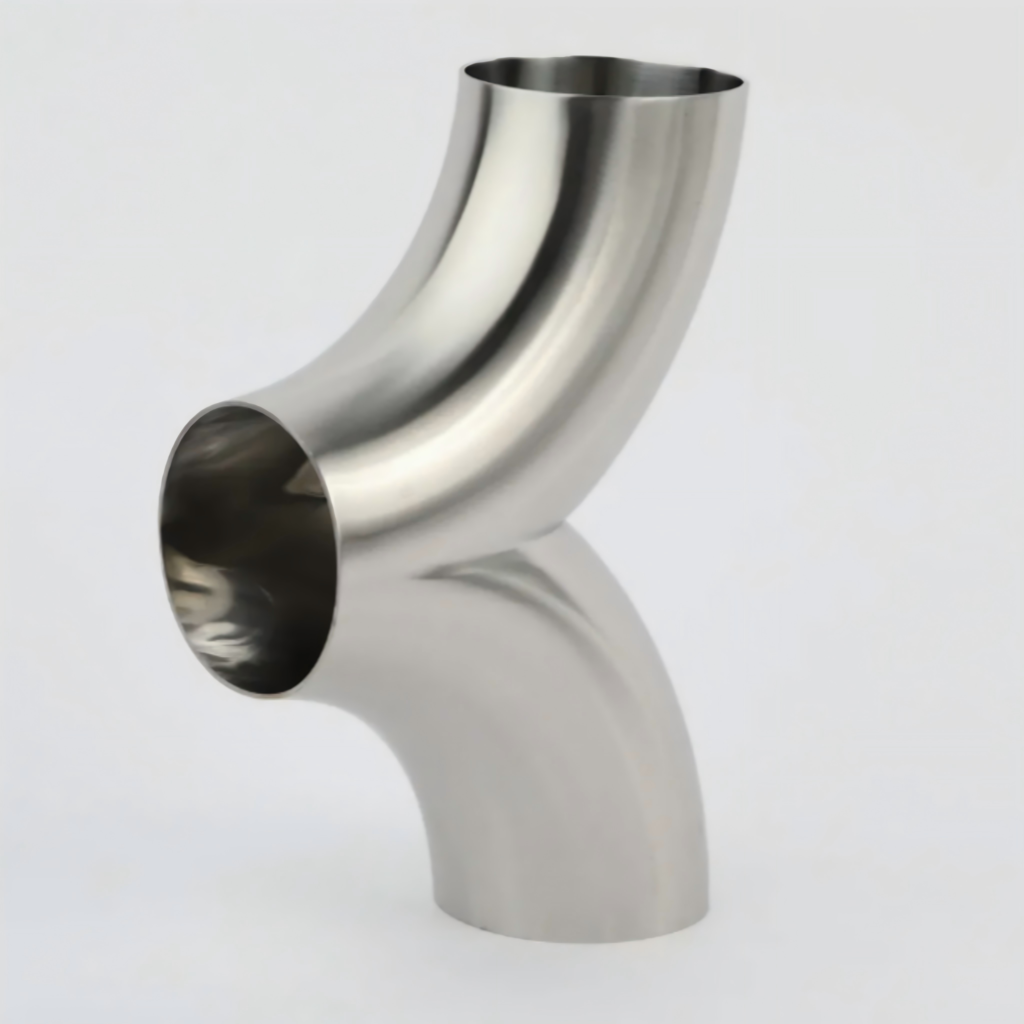
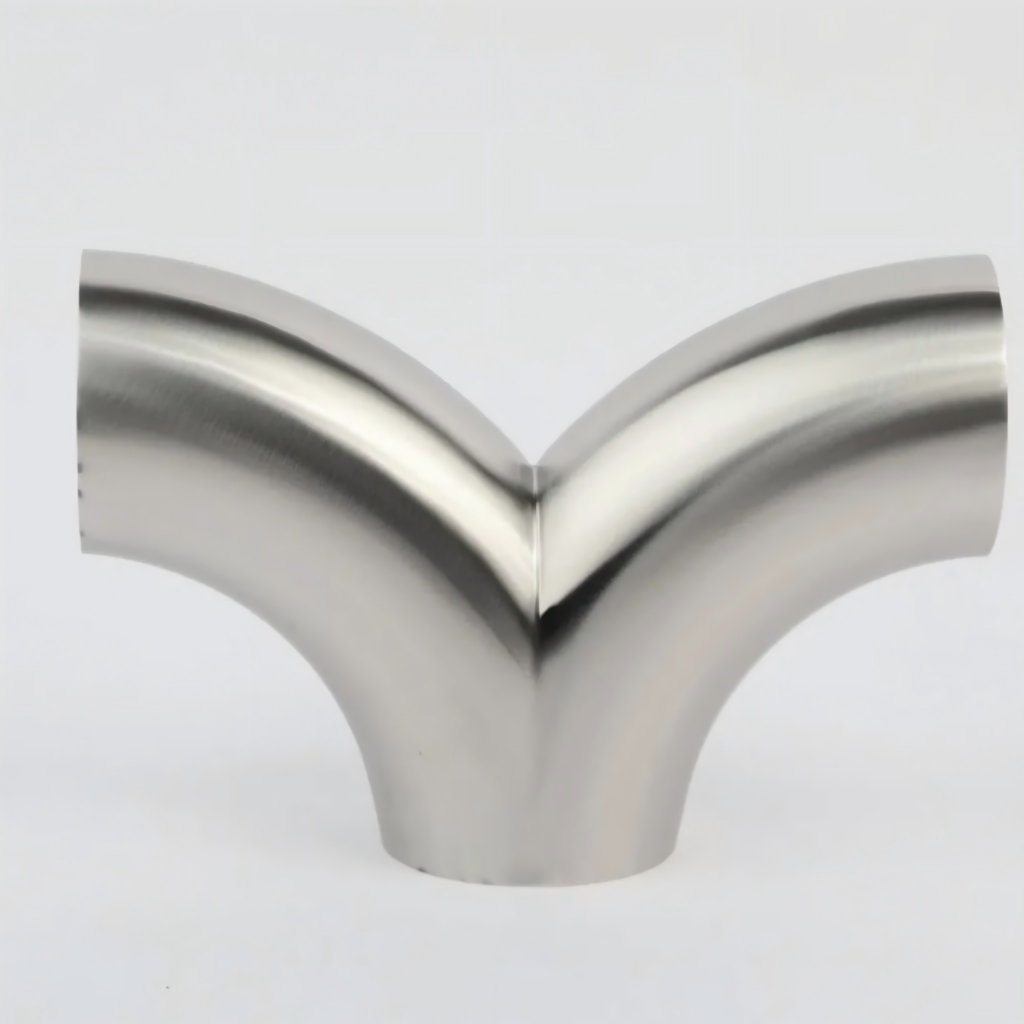
Aplicações comuns usando conexão em Y com soldagem e curvatura:
As indústrias que frequentemente usam a conexão em Y incluem:
- Linhas de coleta de petróleo e gás: Onde linhas laterais se unem a linhas principais em ângulos baixos para minimizar a interferência do pigging.
- Processamento químico: Para misturar dois fluxos com diferentes temperaturas ou viscosidades.
- Sistemas de água de resfriamento de usinas de energia: Derivações diagonais reduzem o acúmulo de detritos.
- Construção naval e plataformas offshore: Restrições de espaço frequentemente exigem combinações de tubo curvado + tê Y.
- Sistemas de água gelada de grande porte para HVAC: Conexões de derivação com baixa perda de pressão.
Em cada caso, as conexões soldadas garantem desempenho à prova de vazamentos, enquanto a curvatura evita flanges ou acoplamentos extras.
Comparação de métodos de fabricação: conexão em Y forjada, sem costura e soldada
O método de produção afeta a soldabilidade e a compatibilidade com curvatura.
- Conexão em Y sem costura (extrudada de tubo ou barra): Melhor para serviços de alta pressão e corrosivos. Fornece espessura de parede uniforme para soldagem a tubos curvados. Faixa de tamanho geralmente até DN600.
- Conexão em Y soldada (fabricada a partir de chapa ou dois tubos): Econômica para grandes diâmetros (acima de DN600). Requer inspeção da solda de costura longitudinal antes da soldagem final da derivação.
- Conexão em Y forjada (martelada ou prensada a partir de tarugo sólido): Usada para materiais de parede espessa ou alta liga. Oferece excelente orientação do fluxo de grãos próximo à derivação.
Para a maioria das aplicações de soldagem e curvatura, conexões em Y sem costura ou forjadas são preferidas devido à metalurgia consistente e expansão térmica previsível.
Normas dimensionais e marcação para conexão em Y:
Para garantir o ajuste adequado com tubos curvados, sempre adquira uma conexão em Y fabricada de acordo com:
- ASME B16.9 (conexões forjadas para solda de topo)
- EN 10253-2 (acessórios de topo em aço inoxidável)
- MSS SP-75 (acessórios de aço carbono de alta resistência)
Dimensões a verificar incluem:
- Dimensão centro-à-ponta para o ramal (geralmente medida ao longo do eixo do ramal)
- Comprimento ponta-a-ponta do tubo principal
- Ângulo do ramal (comumente 45° ou 60°)
- Tolerância de espessura de parede (±12,5% conforme ASME)
As marcações devem incluir tamanho nominal, schedule, grau do material, número de calor e a designação y type tee pipe fitting ou simplesmente Y-TEE.